Maurits Cornelis Escher (1898-1972) was a Dutch graphic artist who made several works inspired by mathematics. During most of his life he was neglected but in the last decades he has become a popular artist.
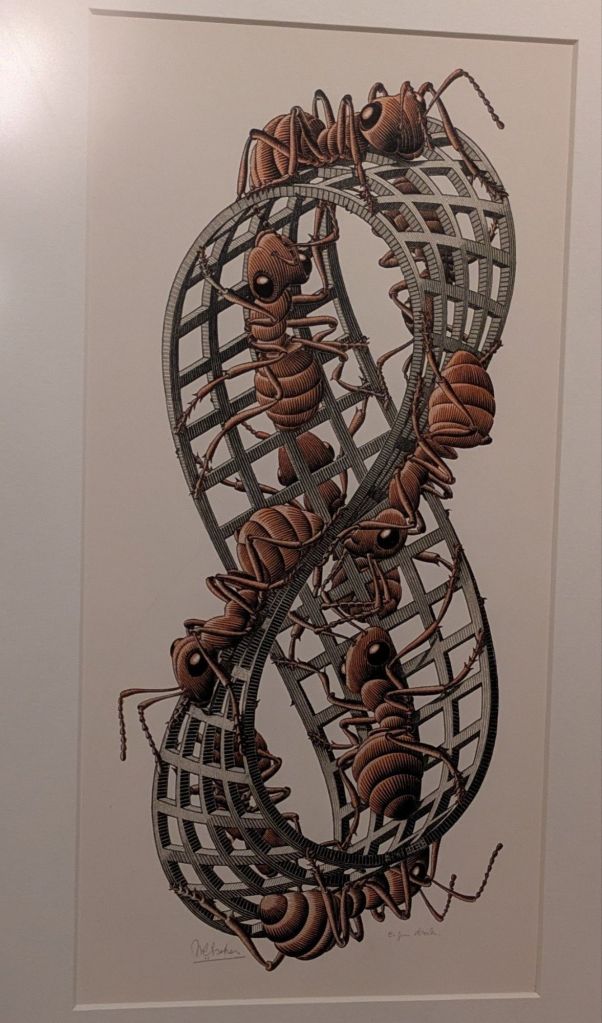
I first came across his work in high school, in art class (in then 1⁰ BUP grade in Spain (~1994-95), equivalent to grade 9). The teacher shared with us some of Escher’s lithographs, among them the Möbius strip.
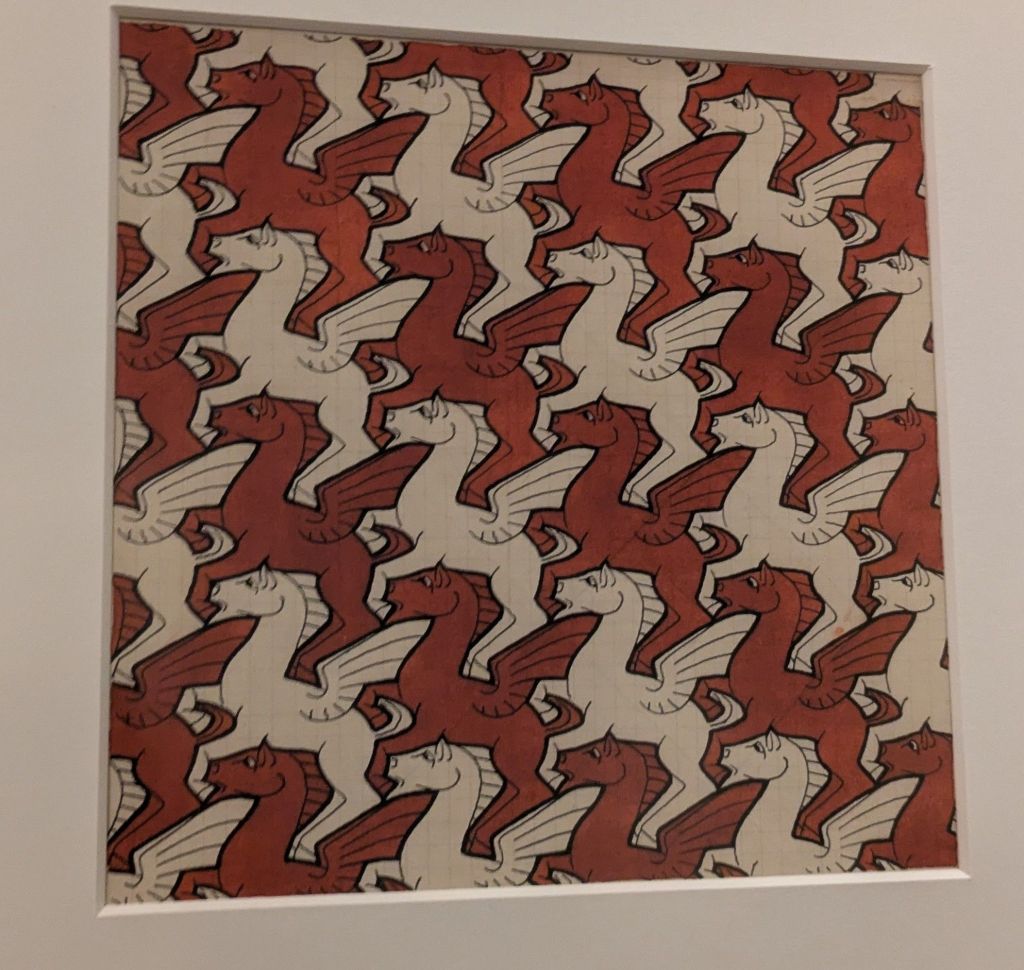
Fast forward to my university time, where in the second year (2000-01) we had a mathematics teacher, Bartolo Luque, who shared some other works from Escher, including his tessellations.
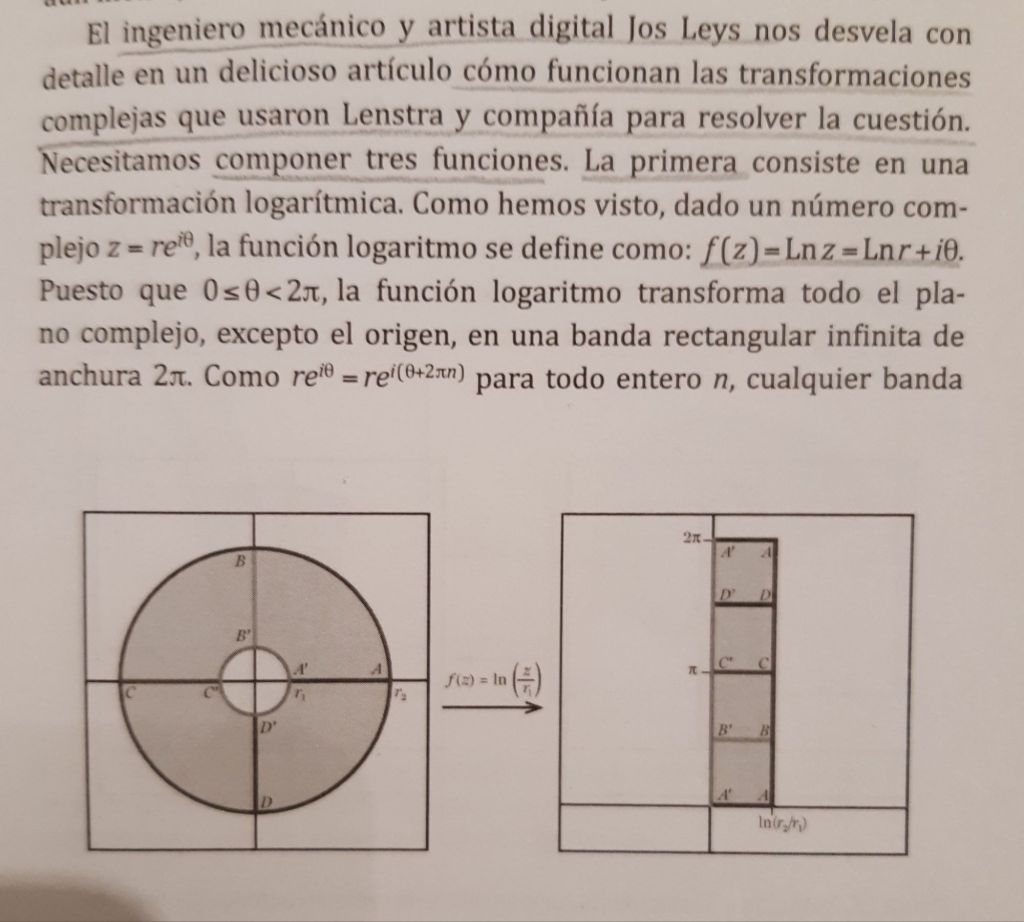
Years later, this teacher, Luque, published a book on complex numbers (“Números complejos“, which I read in 2023) in which among other curiosities he shared how two Dutch mathematicians, Bart de Smit and Hendrik Lenstra, had approached yet another work by Escher, the Print gallery (Prentententoonstelling), using complex numbers analysis. Departing from complex variables, they applied 3 consecutive transformations: a logarithm (transforming the complex surface, except the origin, into a band), then a rotation and a dilatation, and finally an exponential function. You can find below the description of the steps from the book (in Spanish) and an article about this at the University of Leiden website. Further below I include a photo of the painting taken at the museum.
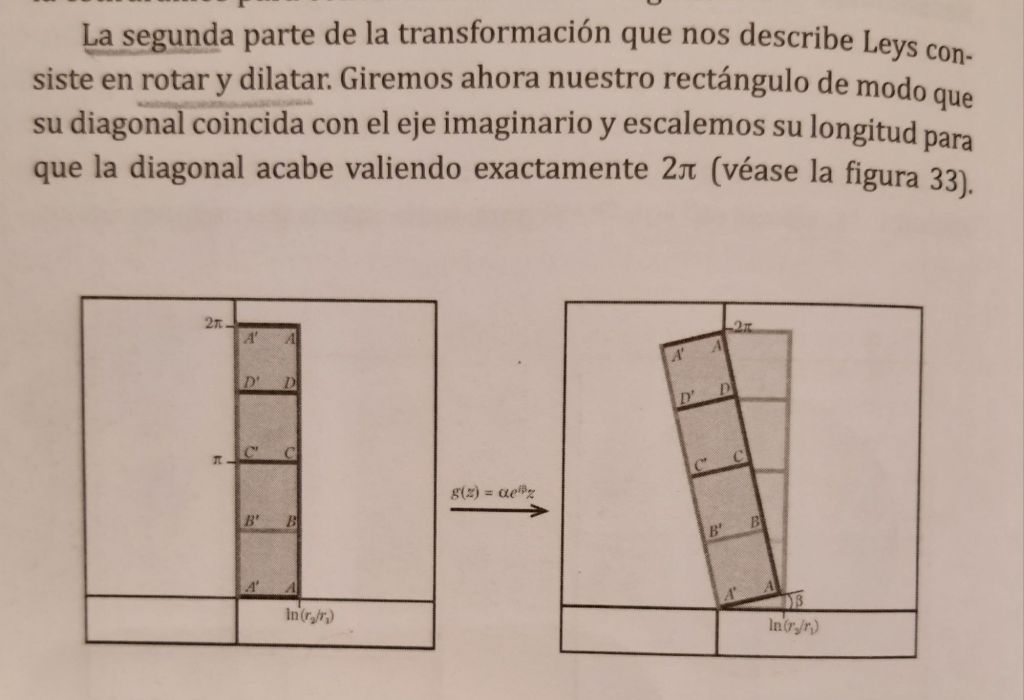
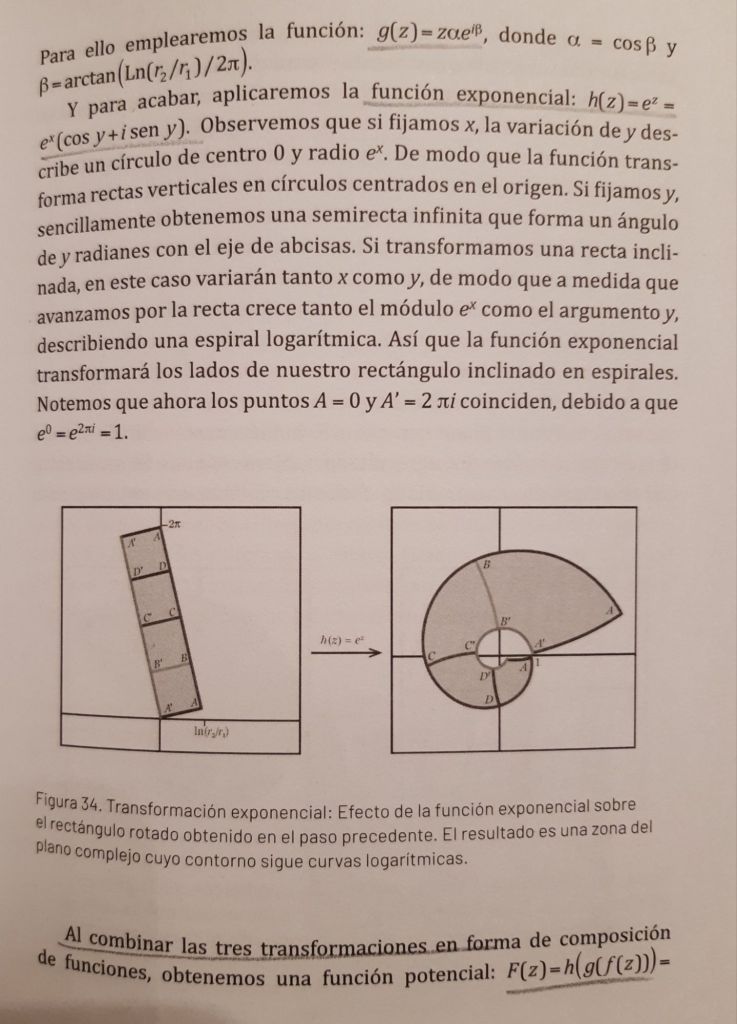
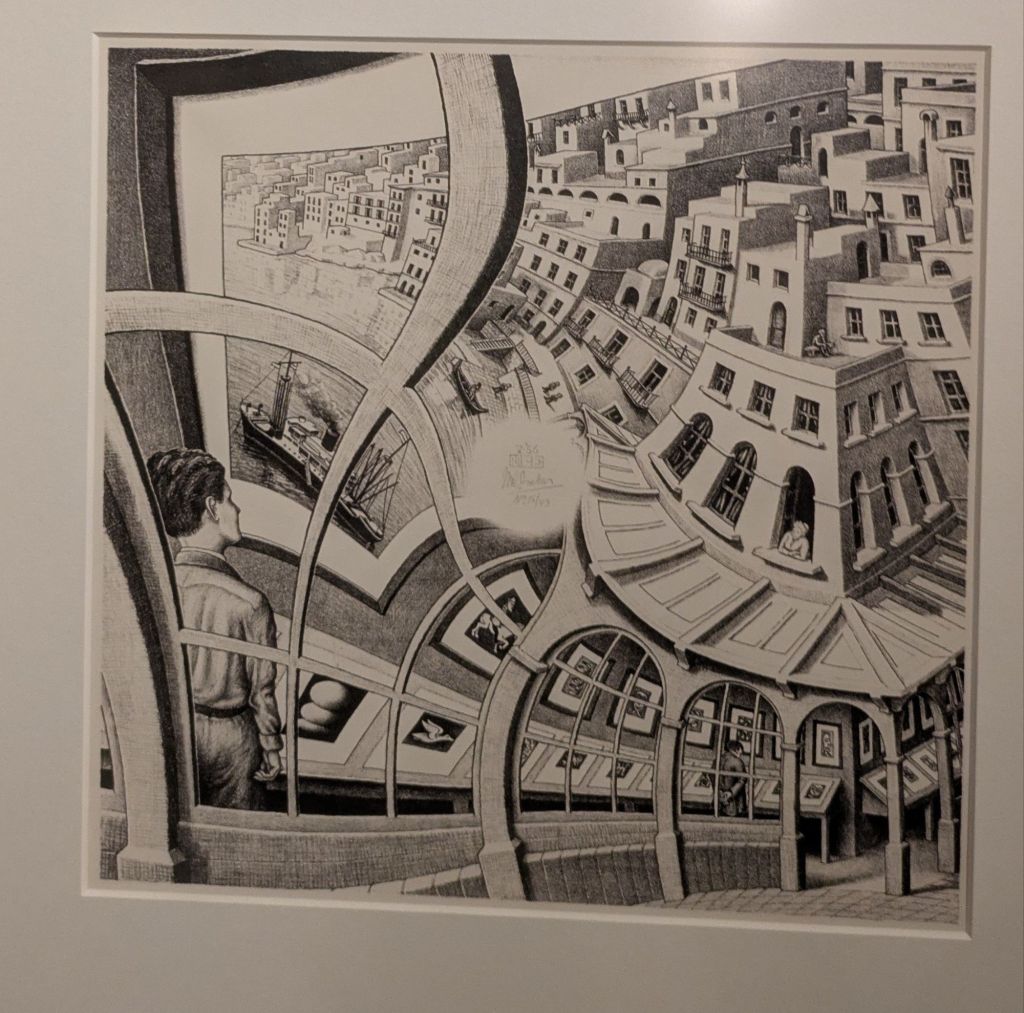
Finally, in 2024 we visited Escher in the Palace museum in The Hague. It was a fantastic experience, that all the family loved. We could see those paintings that I had seen many years ago and let ourselves be captivated by the details of those works and the mental tricks that he prepared.
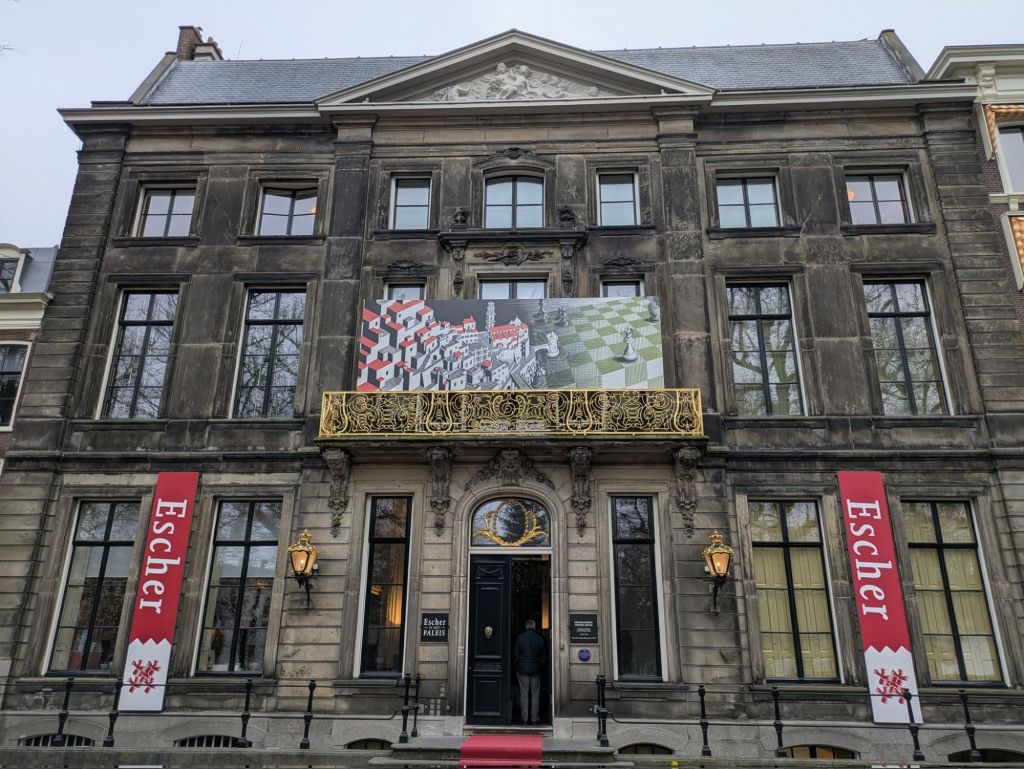
The palace itself is also a landmark. Built between 1760 and 1764 for Anthony Patras (a States General representative), it was later bought by the Hope family (financers of the European nobility), Napoleon on his travels through the Netherlands stayed there, and in 1896 it was bought by Queen Emma. The palace belonged to the Royal family until 1990 in which they sold it to the municipality of The Hague.
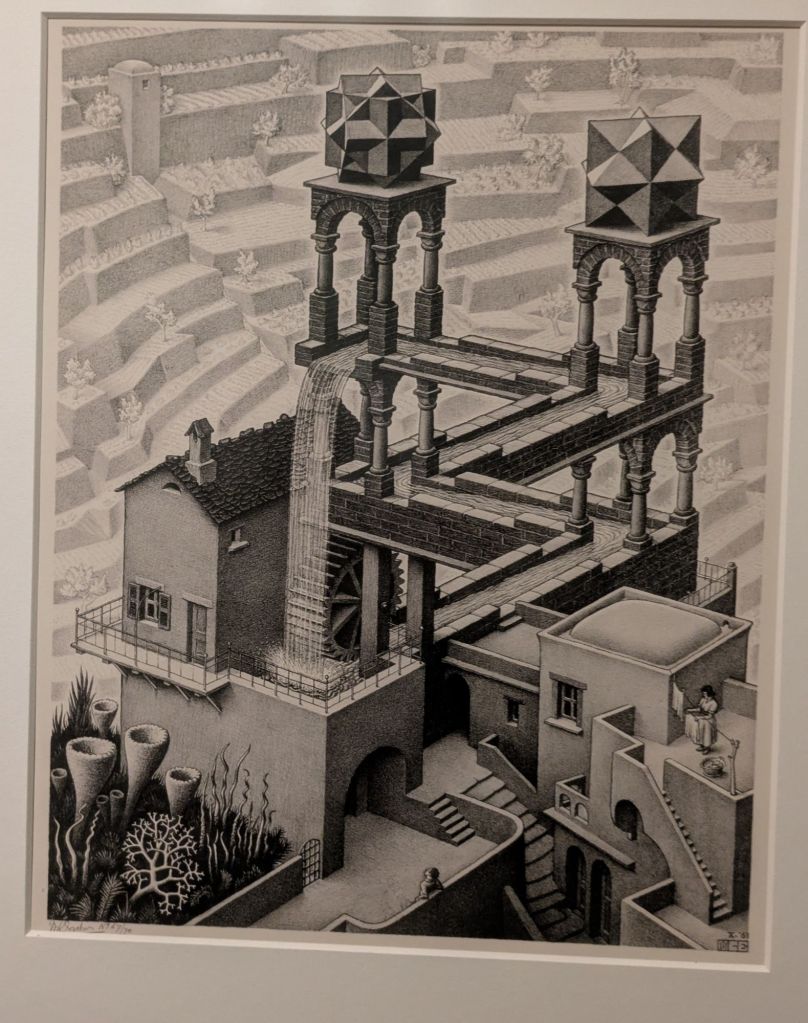
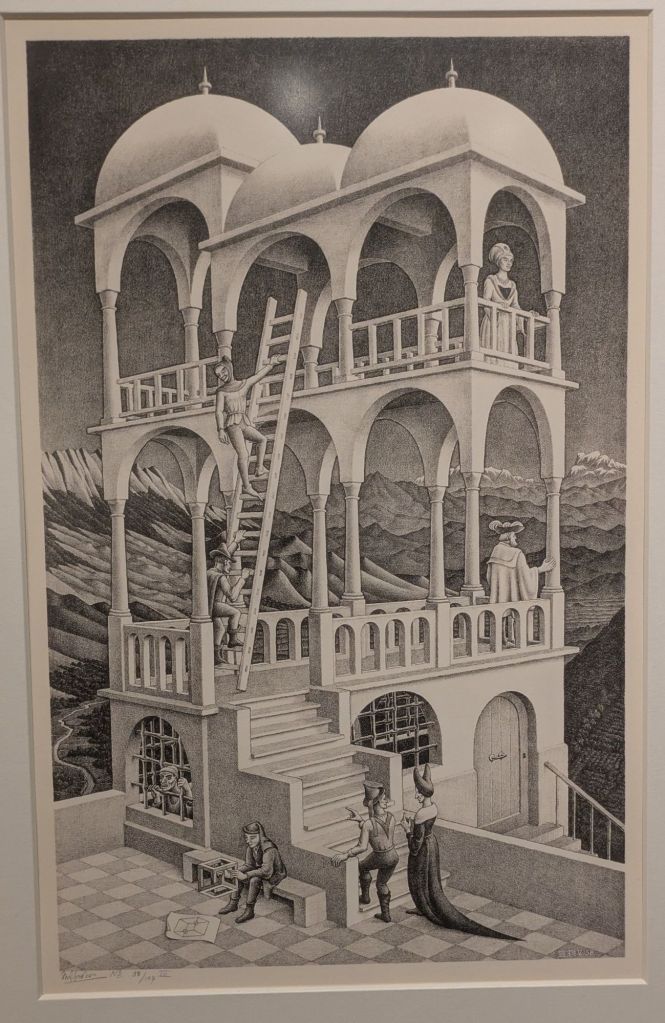
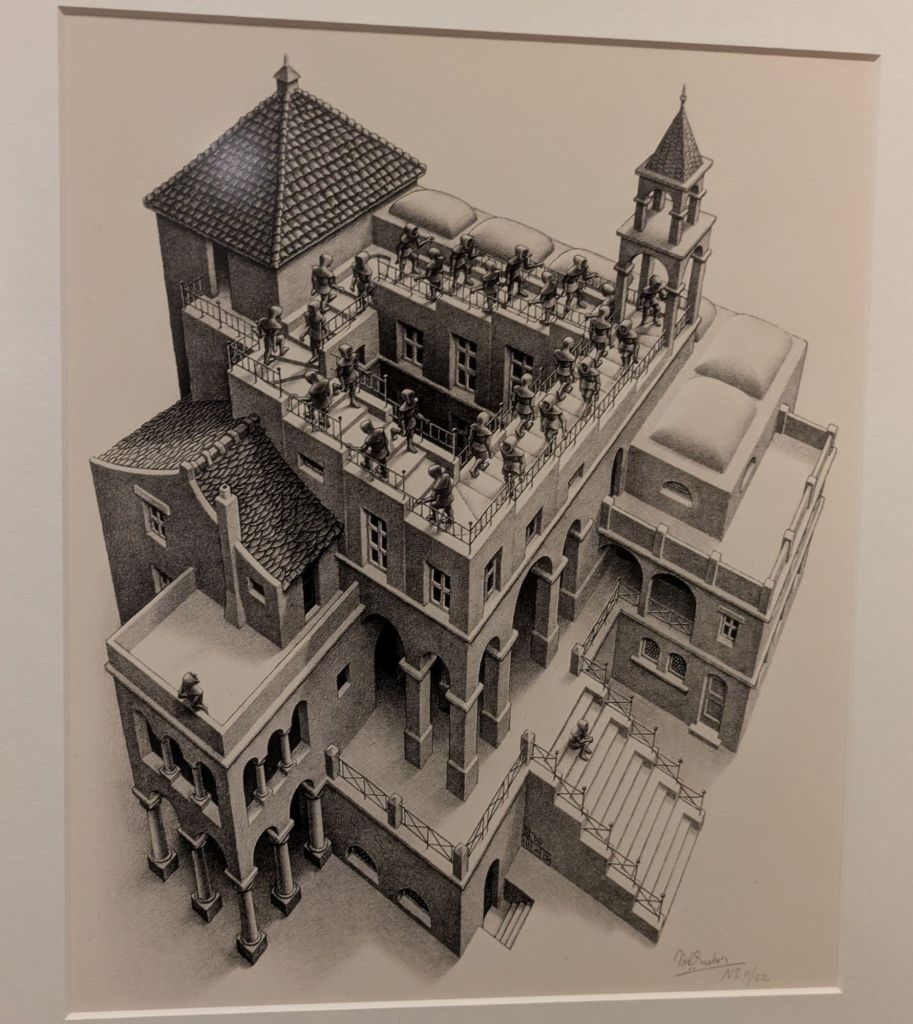
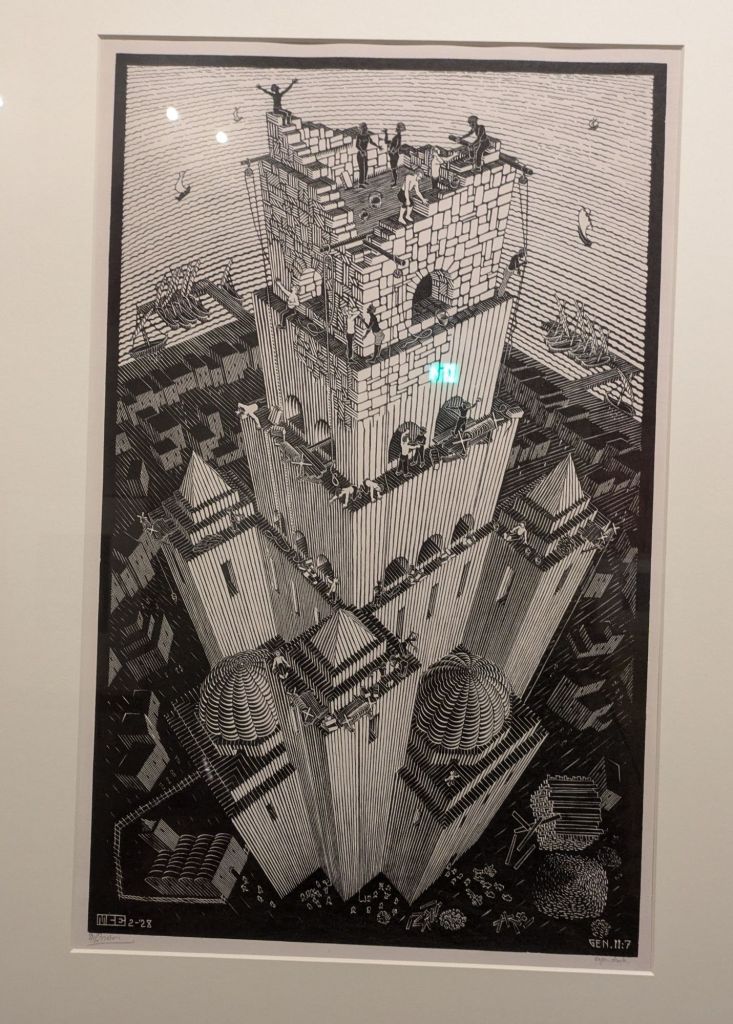
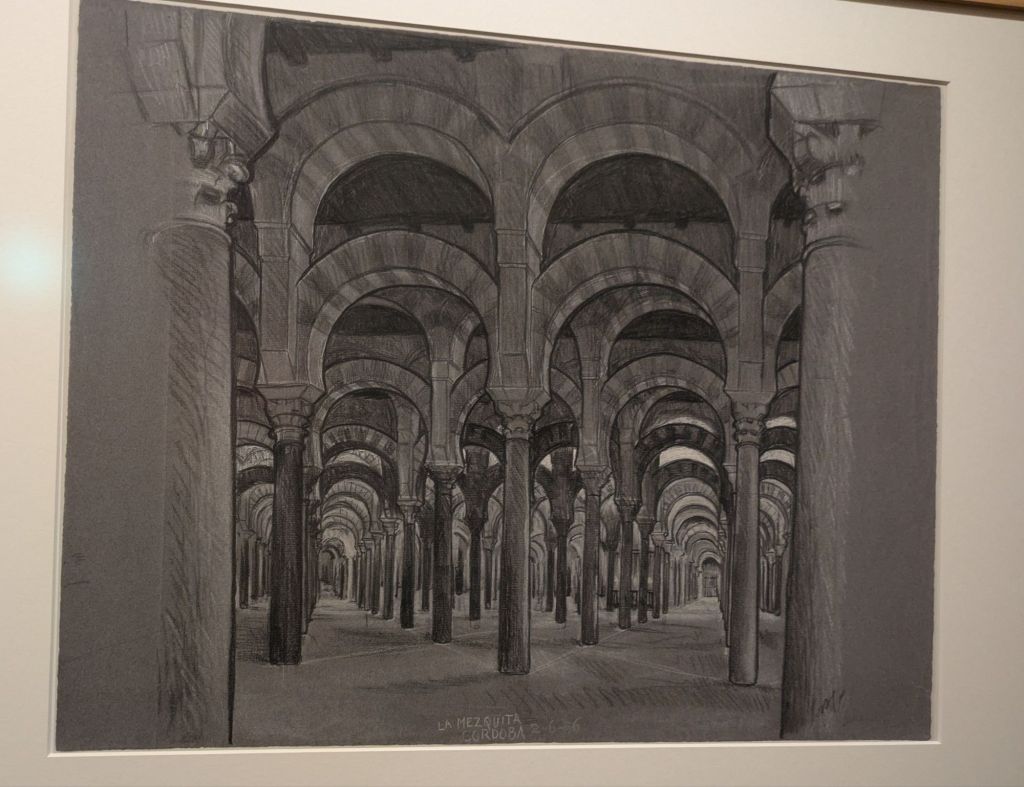
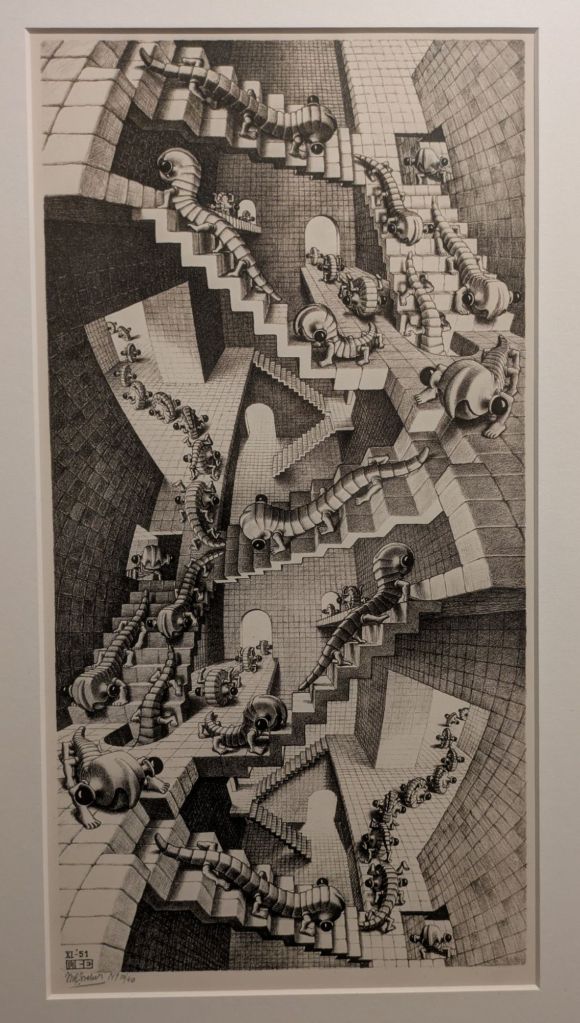
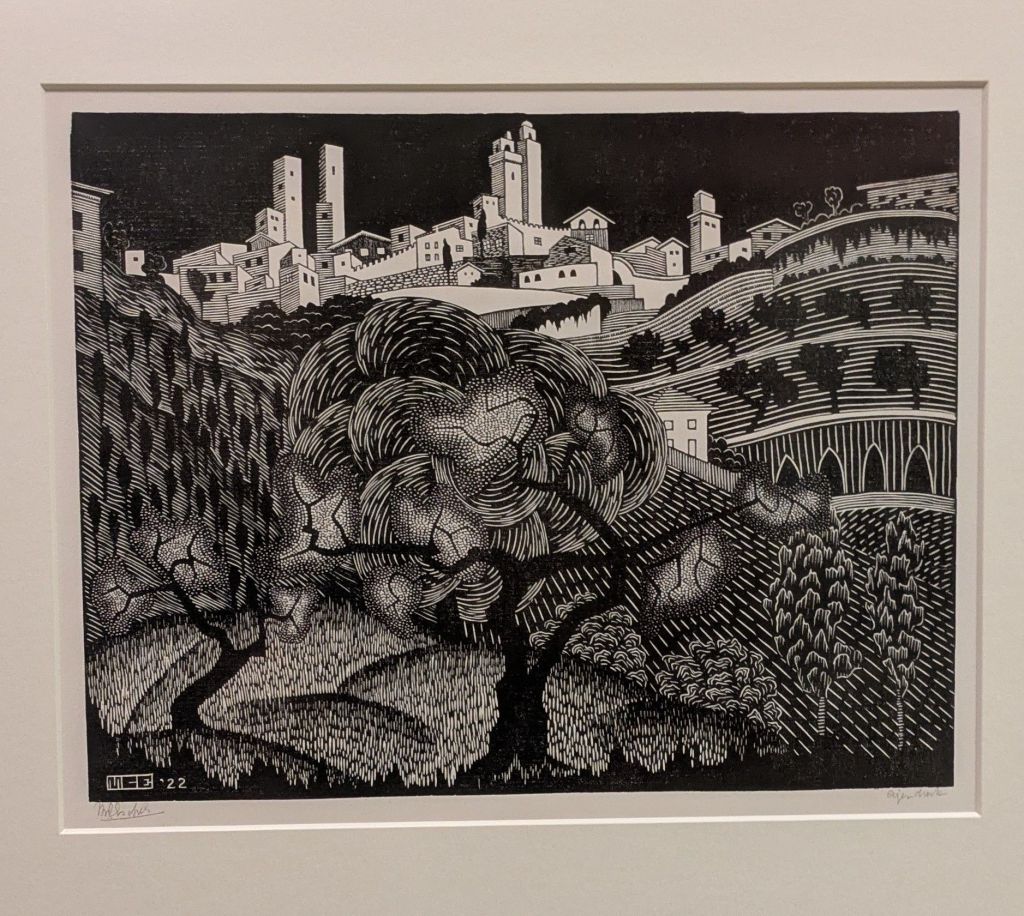
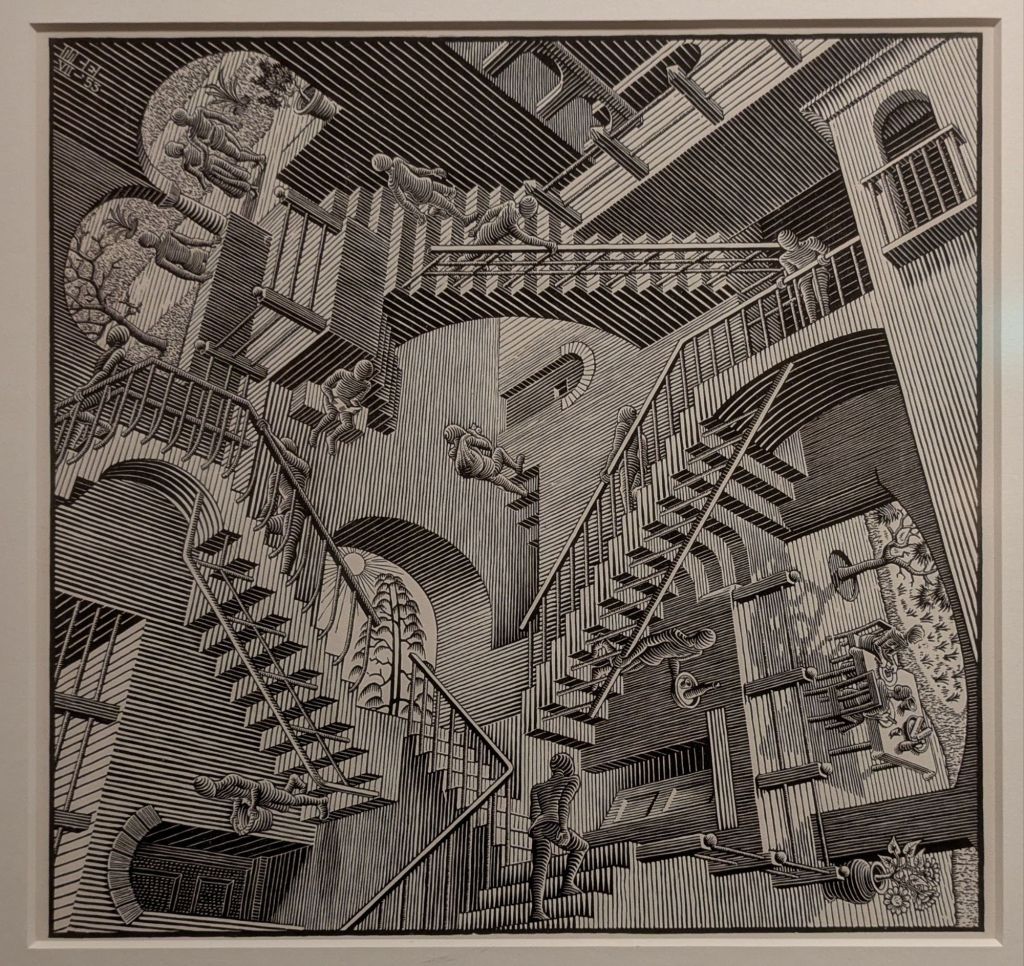
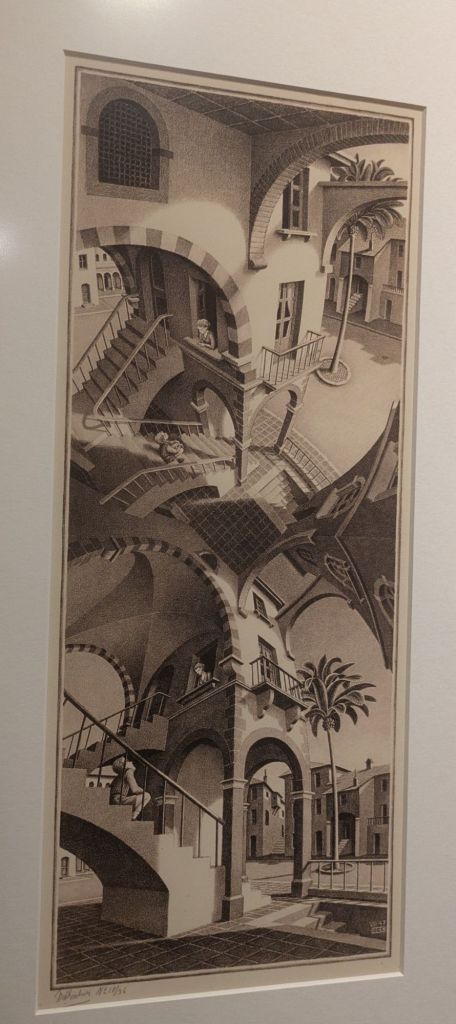
I leave below some other photos of different pieces of art found at the museum.

 The Blog by Javier