Monthly Archives: September 2025

Marathon world record evolution (2025)

Last time I checked all-time men’s best marathon times and the world record evolution was in 2014 ahead of running Rotterdam marathon (post back then). In this blog post I’m going to make an update, share some charts and review some statistics. For that purpose, I use the website “Track and Field all-time Performances” (maintained since years ago by Peter Larsson).

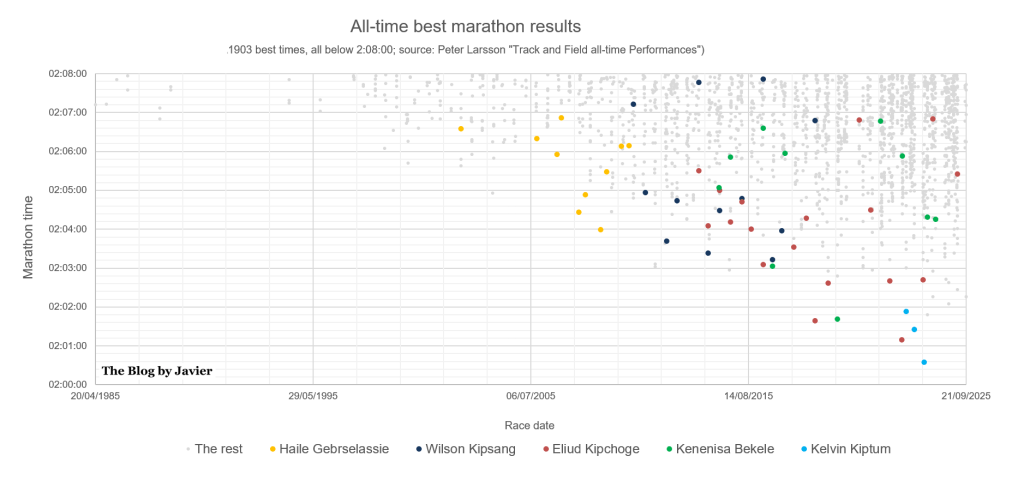
With the data of all-time best men’s marathon I plotted the chart below with the best 1,903 times, i.e., all those below 2h08′ and their dates, highlighting marathon times by Haile Gebrselassie, Wilson Kipsang, Eliud Kipchoge, Kenenisa Bekele and Kelvin Kiptum.
Some stats in relation to those 1,903 times under 2h08′:

  • Countries of which athletes achieved most such times: Kenya 853 times or 44.8%, Ethiopia 570 times or 30.0%, Japan 114 (6.0%), Morocco 44 (2.3%), Eritrea 41 (2.2%), Israel 20 (1.1%), France 20 (1.1%), Uganda 19 (1.0%). Those are the top 9 countries, there are another 34 from which athletes have run below 2h08′ (for a total of 43 countries).
  • There are 742 athletes that have run below 2h08′. The individuals who have done so more often: Eliud Kipchoge 18 times, Sisay Lemma 17, Tsegay Kebede 15, Tamirat Tola 13, Abel Kirui 13, Wilson Kipsang 12, Bernard Kiprop 12, Evans Chebet 12, Benson Kipruto 12, Laban Korir 11, Emmanuel Mutai 11, Amos Kipruto 11, Birhanu Legese 11, Kenenisa Bekele 10, Haile Gebrselassie 10, Leul Gebrselassie 10, Deso Gelmisa 10…

Now, if we raise the bar to see the times at or below 2h05′, we find 231 times:

  • Countries of which athletes achieved most such times: Kenya 108 times or 46.8%, Ethiopia 98 times or 42.4% (both combined 89.2%!), Tanzania 4 (1.7%), Belgium 4 (1.7%), Netherlands 3 (1.3%). Those are the top 5 countries, there are another 11 from which athletes have run at or below 2h05′ (for a total of 16 countries).
  • There are 124 athletes that have run at or below 2h05′. The individuals who have done so more often: Eliud Kipchoge 14 times, Tamirat Tola 8, Wilson Kipsang 8, Sisay Lemma 7, Amos Kipruto 6, Birhanu Legese 6, Leul Gebrselassie 5, three athletes with 4 times including Kenenisa Bekele, 14 athletes with 3 times including Kelvin Kiptum, Dennis Kimetto, Geoffrey Mutai and Haile Gebrselassie, 23 athletes with 2 times including Patrick Makau…
  • Which are the fastest marathons? The cities where most of those 231 times at or below 2h05′ have been achieved are: Berlin and Valencia with 35 each, London and Dubai with 27 each, Rotterdam 18, Amsterdam and Chicago with 15 each, Tokyo 14. Those are the top 8 cities (accounting for 81% of those 231 times), there are other 16 cities where such fast times have been achieved.

Now let’s look at the evolution of the World Record since 1985 in this other chart:
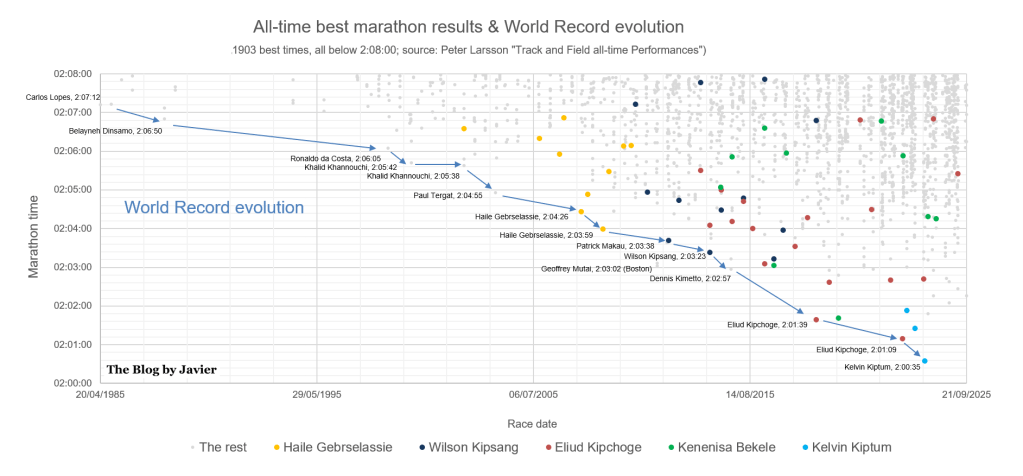
Some comments to the chart:

  • In the last 40 years, the record has been beaten 13 times.
  • The current world record was set by Kelvin Kiptum in Chicago in 2023 with 2h00’35” at the age of 23.9. He sadly passed away in a car crash a few months later. His career was very promising, having run only 3 marathons, all three in less than 12 months, all 3 below 2h02′. 3 of the best 7 times, 1 of the only 4 men having run below that mark.
  • The record that lasted the most was Dinsamo’s 2:06:50 in 1988, which took just over 10 years to be beaten by Ronaldo da Costa in 1998.
  • 3 athletes have set the world record twice: Khalid Khannouchi, Haile Gebrselassie and Eliud Kipchoge.
  • The biggest improvement of the record was made by Eliud Kipchoge who took 1’18” off Dennis Kimetto’s previous record.
  • Geoffrey Mutai ran in 2h03’02” before 3 world records set the bar below his time, however, as he achieved that in Boston 2011 (downhill and point to point race) it didn’t count for the record.

What is the best age to run marathons?

I plotted this other chart looking at the best 1,903 marathon times vs the age the runners had at the time of completing each of those races.
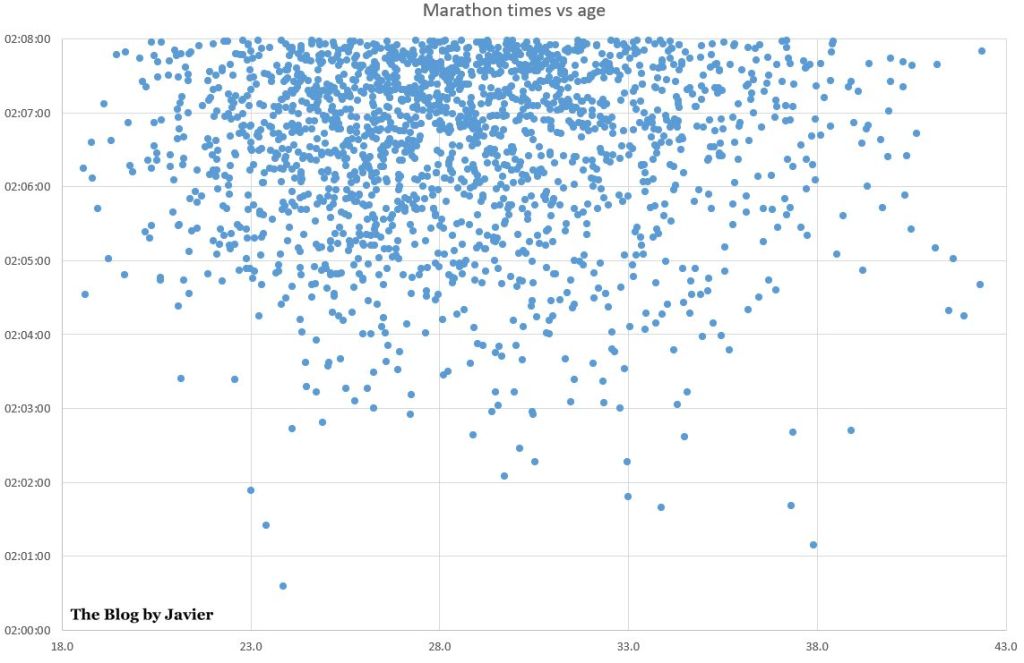
Most of the times below 2h08′ are achieved between 23 and 33 years old, but indeed most of the best ones are achieved between 28 and 39 years old, with the exception of the 3 marathons ran by Kelvin Kiptum, including his current world record.

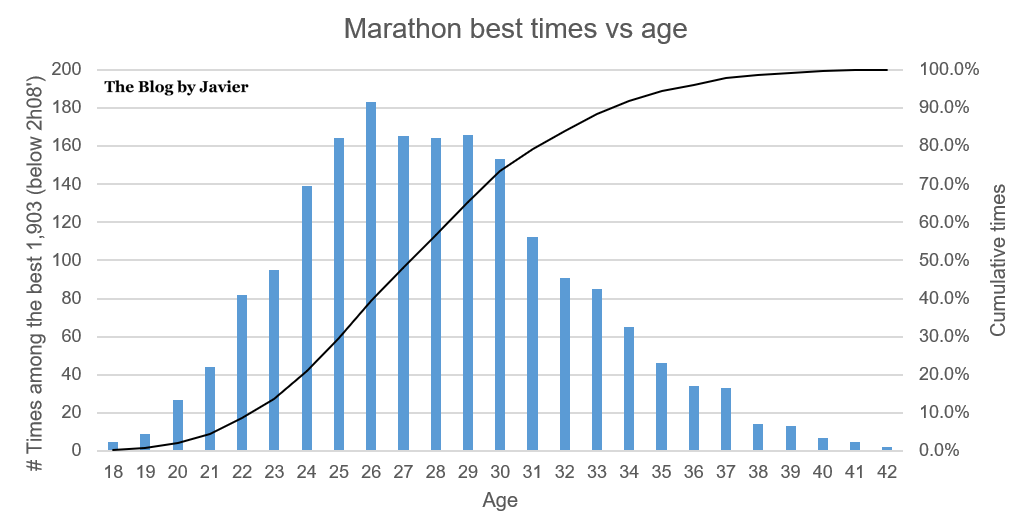
Another interesting chart to relate best times and age is the histogram below. In that one we can see that effectively most of the times below 2h08′ are achieved between 24 and 30 years old, and between 23 and 33 (both included) 80% of those times are achieved.
Leave a comment

Filed under Sports

All-time men’s best pole vault – Tokyo 2025 World Athletics Championships – Armand Duplantis

Last summer, after the Olympic Games Paris 2024 I wrote a post to review the best pole vault jumps after the world record set in that competition by Armand Duplantis with 6.25m. That post aged very quickly as just 3 weeks later Duplantis set another World record.

In this 2025 he had set another 3 records before going to the World Championship in Tokyo, where again he sat a new World record with 6.30m. This is a good time to update last year’s chart and recap the best ever performances.

For that purpose I used the website “Track and Field all-time Performances” (maintained since years ago by Peter Larsson).

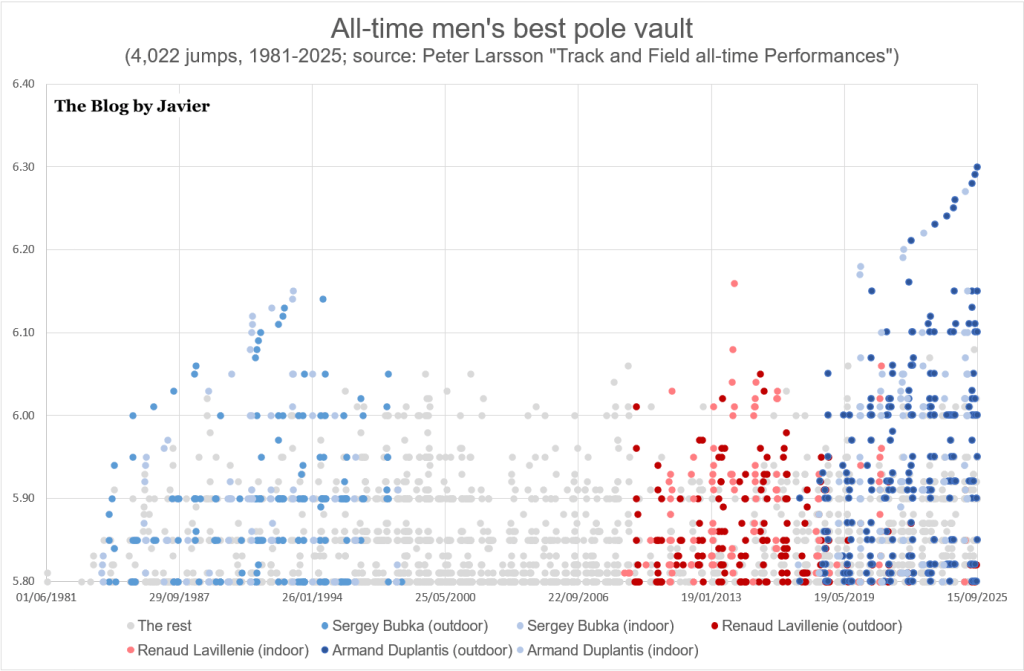
With the data of all-time men’s best pole vault I plotted the chart below with the best 4,022 jumps (jumps from 5.80m and above) and their dates, highlighting the jumps by Sergey Bubka, Renaud Lavillenie and Duplantis (dark colour for outdoor vaulting, light colour for indoor).

Bubka dominated the sport in the 1980’s and 90’s (first competing for the Soviet Union and later for Ukraine) when he set up to 35 world records (17 outdoor and 18 indoor), won 6 gold medals at the World Championships and 1 at the Olympic Games. Lavillenie also won a gold medal at the Olympics in London and won several World Indoor Championships (among other medals) and set an indoor world record (which was the absolute record for 6 years). Duplantis, competing for Sweden, at the young age of 25 has already won 2 gold medals at the Olympics (Tokyo and Paris) and 3 World Championships outdoors (among other medals) and has already set 14 world records (10 outdoors and 4 indoors).

Some comments after looking at the chart:

  • Bubka holds 249 of the 4,022 jumps (6.2%) at 5.80m and above
  • Lavillenie holds 271 of the 4,022 jumps (6.7%) at 5.80m and above
  • Duplantis holds 323 of the 4,022 jumps (8.0%) at 5.80m and above… he’s already the athlete with the highest proportion in that segment
  • Of those jumps of 6.00m and above (274 jumps… 52 such jumps in just the last year):
    • Bubka holds 46 of the 274 jumps (16.8%) at 6.00m and above
    • Lavillenie holds 21 of the 274 jumps (7.7%) at 6.00m and above
    • Duplantis holds 122 of the 274 jumps (44.5%) at 6.00m and above
  • If we focus at outdoor jumps of 6.00m and above (170 jumps):
    • Bubka holds 28 of the 170 jumps (16.5%) at 6.00m and above
    • Lavillenie holds 4 of the 170 jumps (2.4%) at 6.00m and above
    • Duplantis holds 82 of the 170 jumps (48.2%) at 6.00m and above
    • 25 men have vaulted outdoors at 6.00m or above, only Bubka and Duplantis jumped 6.09m or above: 6 and 28 times, respectively. Duplantis has performed 13 such jumps since the Olympics last year.
  • Until Duplantis came to the scene when the World record was at 6.16m held by Lavillenie, established indoors in 2014 (Donetsk). Since 2020 Duplantis has jumped above that world record 14 times.

Bubka achieved his best jumps when he was between 27 and 30 years old. Duplantis at his 25 years has already more than twice as many high jumps as Bubka in his entire career. If Duplantis continues his progression up to 27-30 years of age we can only imagine what I’d to come, something that might have been deemed unbelievable for those of us who witnessed Bubka in his prime, but we are now going through the same dominance yet with higher heights and more pronounced (Emmanouil Karális, silver at the World Championships in Tokyo, achieved 6.00m… 30cm less than Duplantis!).

Leave a comment

Filed under Sports

Flight excursion around the Lot and Dordogne

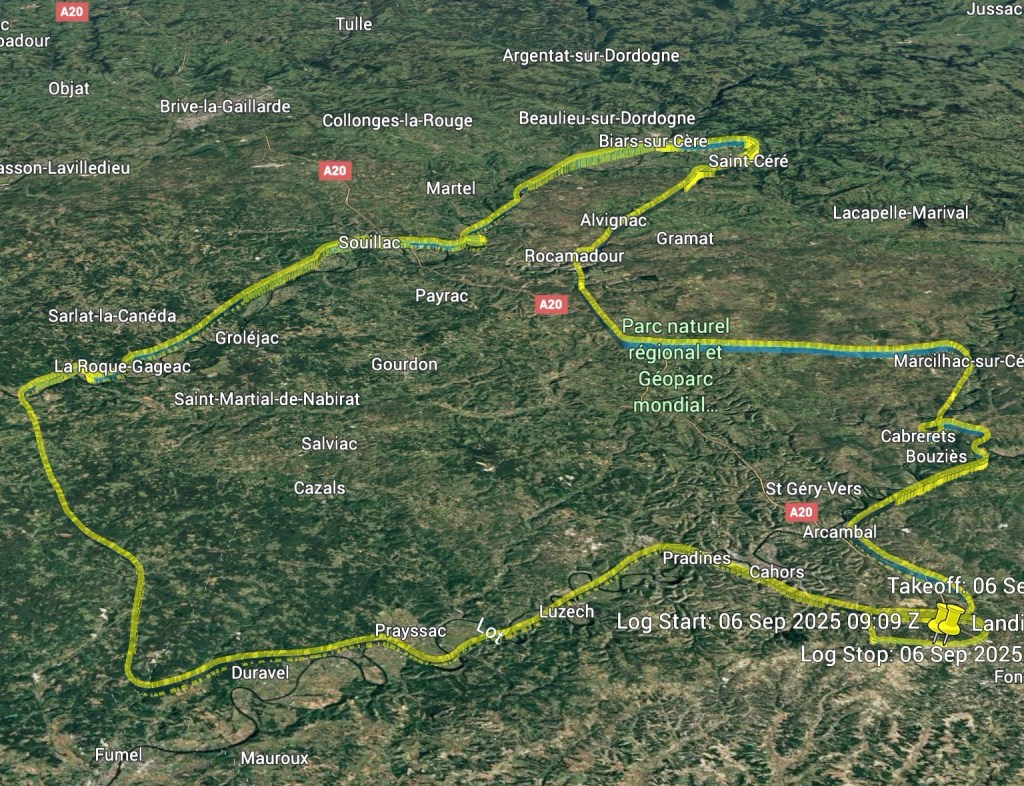
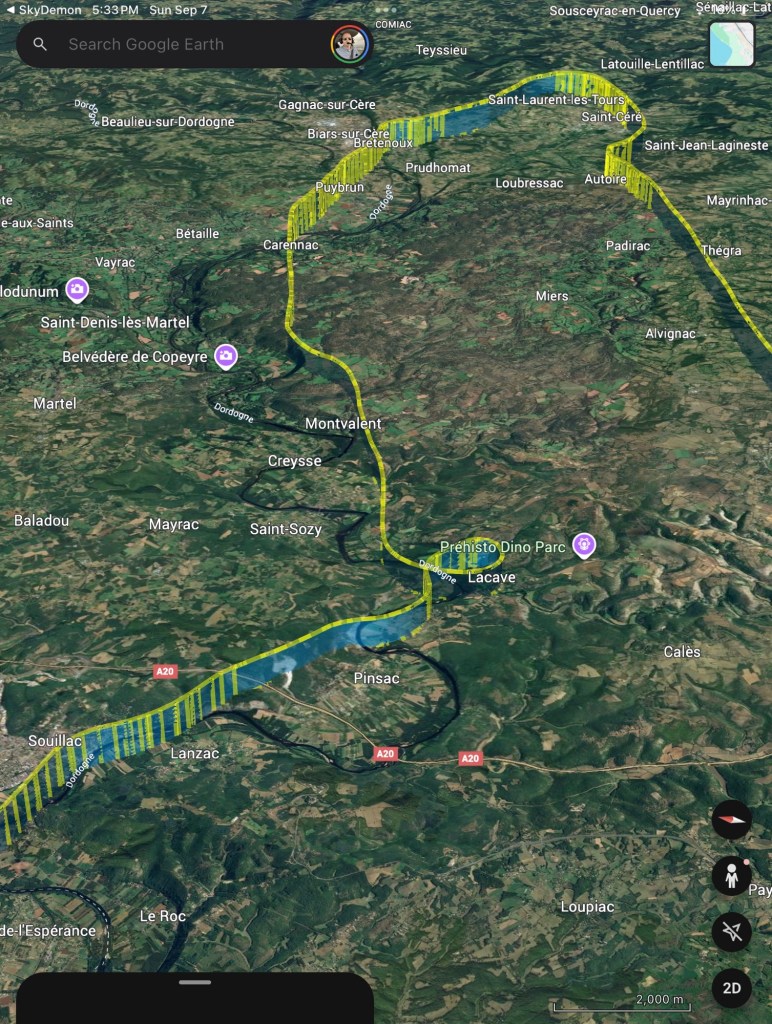
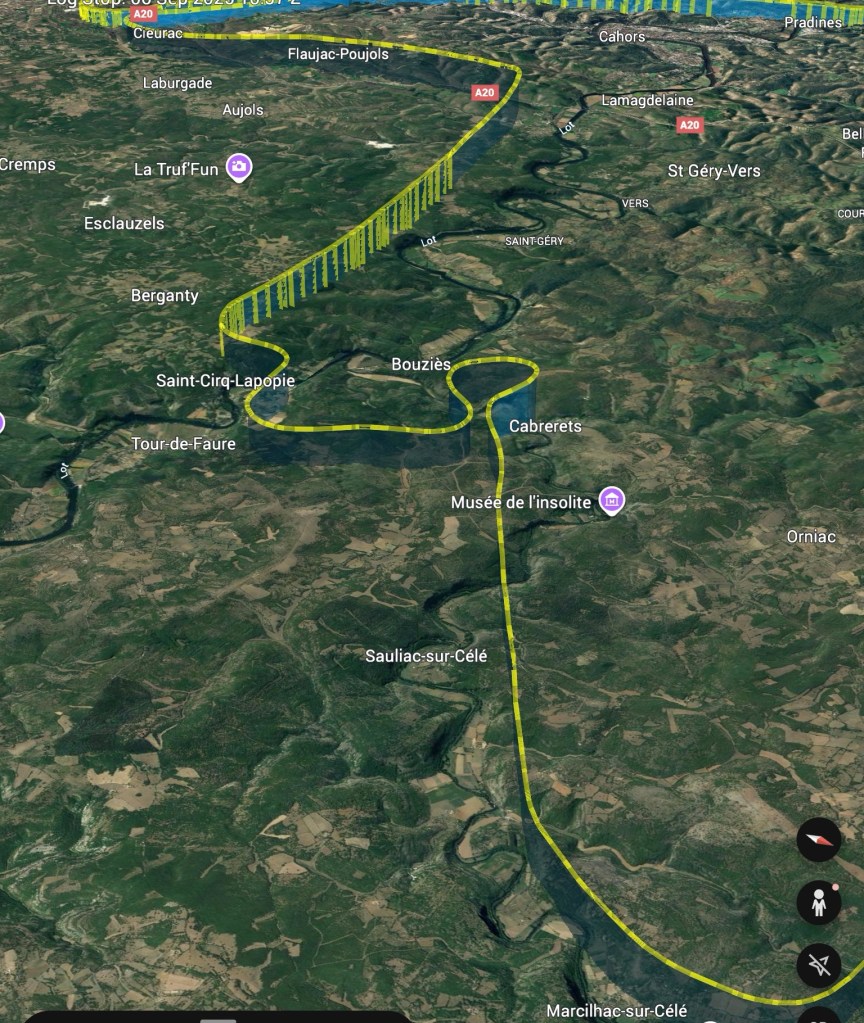
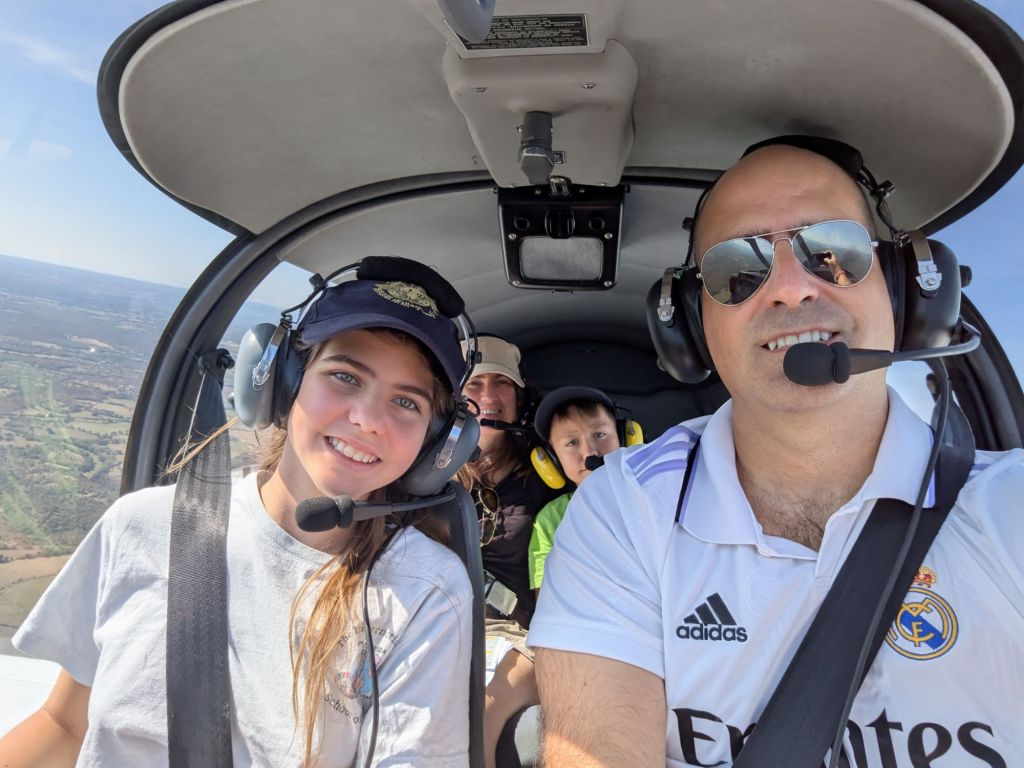
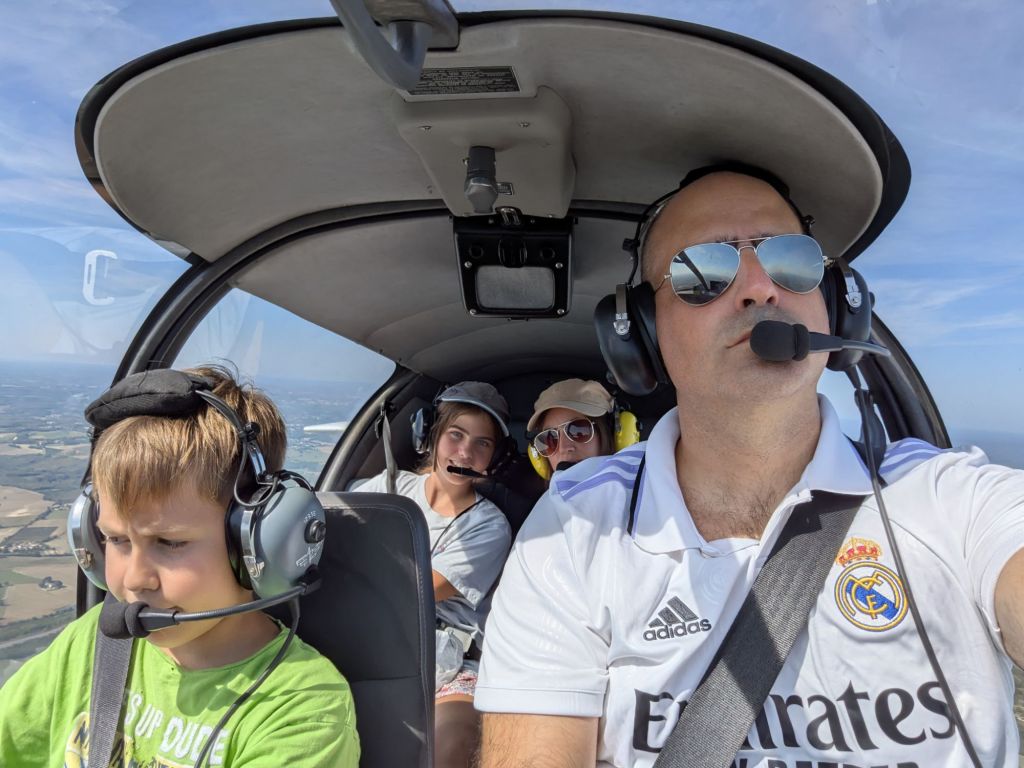
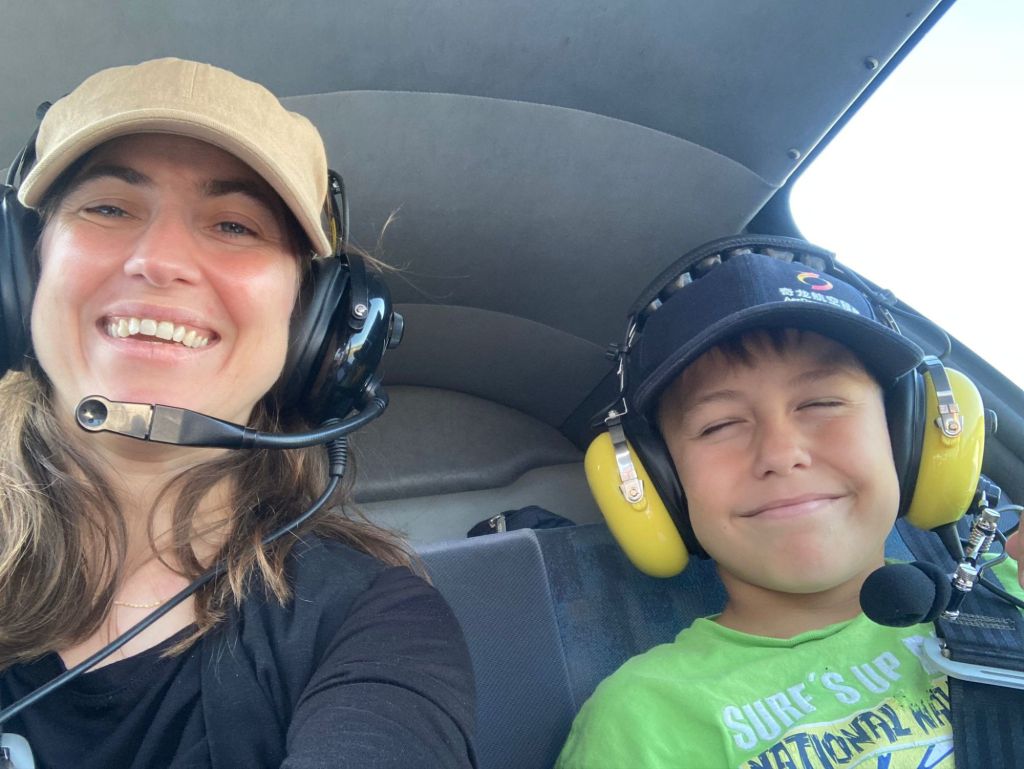
Yesterday, together with my family, we participated in a fly out excursion organized by Jean Claude and his aeroclub du Quercy for members of our Aviation Society. We came with different aircraft to meet at Cahors (LFCC) and from there, Jean Claude had prepared a closed loop circuit around the valleys of the rivers Lot and Dordogne, with several points to spot and some quizzes around the area.

Summary of the excursion

As our aeroclub is based in Toulouse Lasbordes (LFCL) we first had to fly to Cahors, a 40 minute flight.

Once at Cahors, we met different members of the local aeroclub and received a last briefing and some advice around the flight. The circuit was divided in 5 sectors.

Sector 1: in this sector we had to spot castles along the Lot, including the Château de Mercués (which belonged to Georges Héreil, former manager at Sud Aviation and father of the Caravelle), the Château de Caïx (acquired by Queen Marguerite II of Denmark, as her  husband, prince Henrik, came from the region), Puy l’évêque and the Château de Bonaguil.

Sector 1
Château de Mercués
Château de Caïx

Sector 2: it consisted of flying North to reach the Dordogne, by way of Villefranche du Périgord.

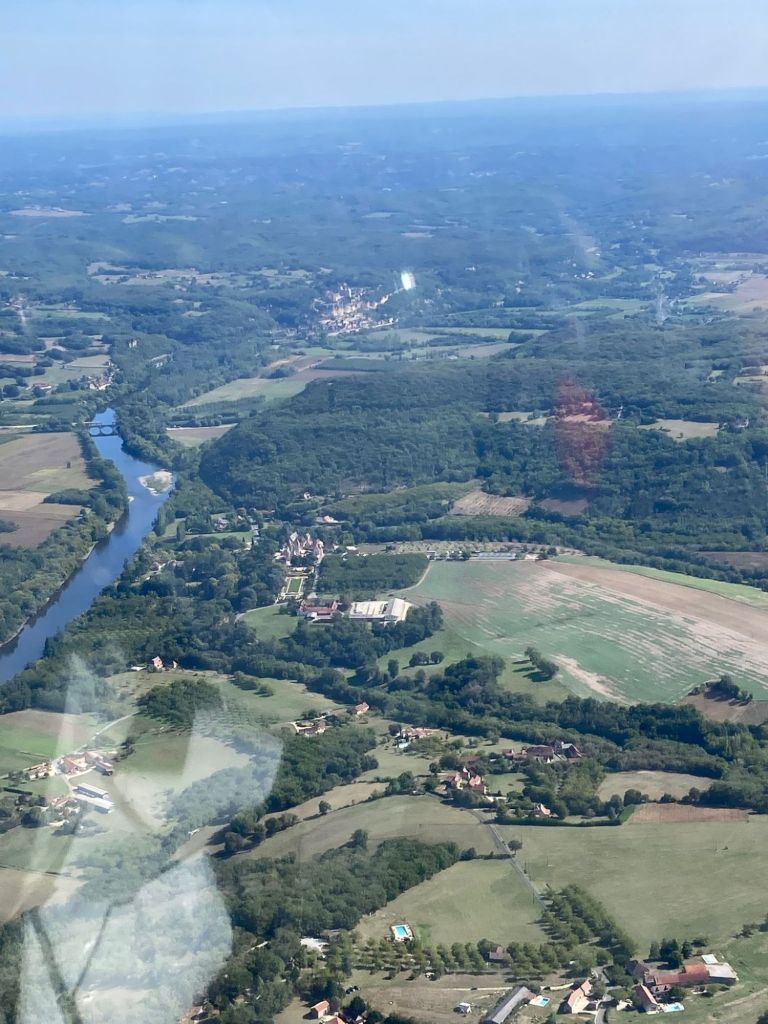
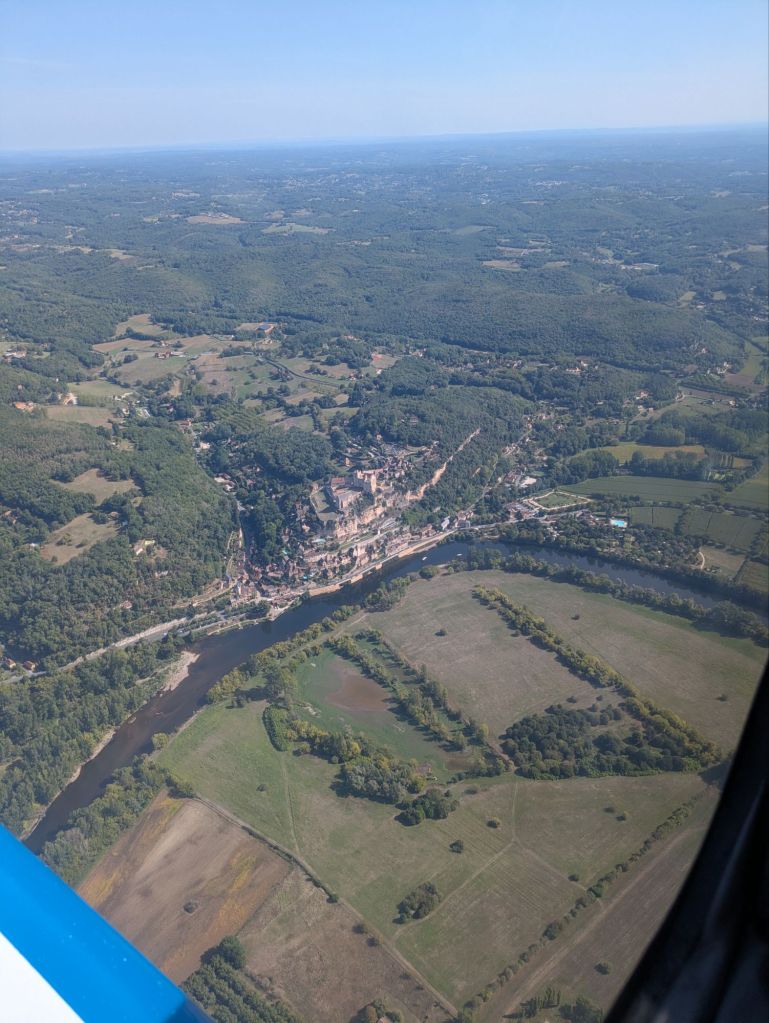
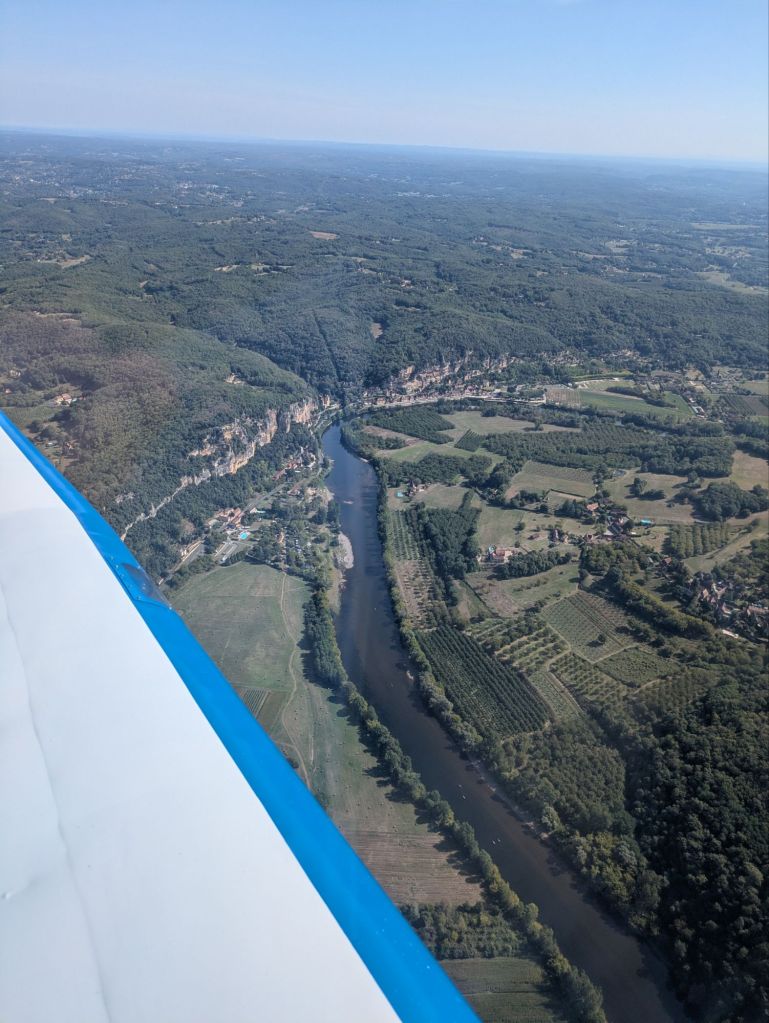
Sector 3: in this sector we had to spot castles along the Dordogne, including the Château des Milandes (which belonged to the American French singer, activist, resistance agent Joséphine Baker – whose remains rest at the Pantheon), Beynac-et-Cazenac, La Roque, Domme, Souillac.

Sector 3
Château des Milandes
Beynac-et-Cazenac
La Roque

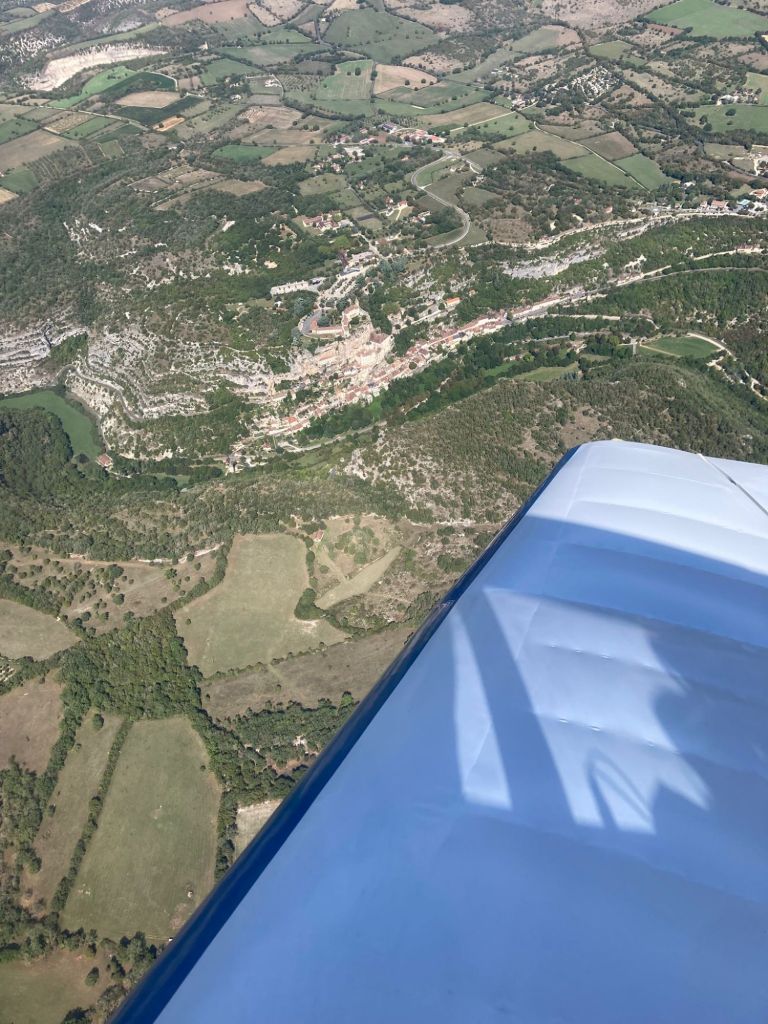
Sector 4: in this sector we had to continue spotting castles along the Dordogne, including Château de la Treyne, Château de Belcastel and Château de Castelnau Bretenoux, we then turner South to fly over Saint Céré (home of the tapestry  artist Jean Lurçat), then West towards the fall of Autoire (seemed dry from the air), Rocamadour and Labastide Murat (origin of the Marshal Joachim Murat).

Sector 4
Château de la Treyne
Rocamadour

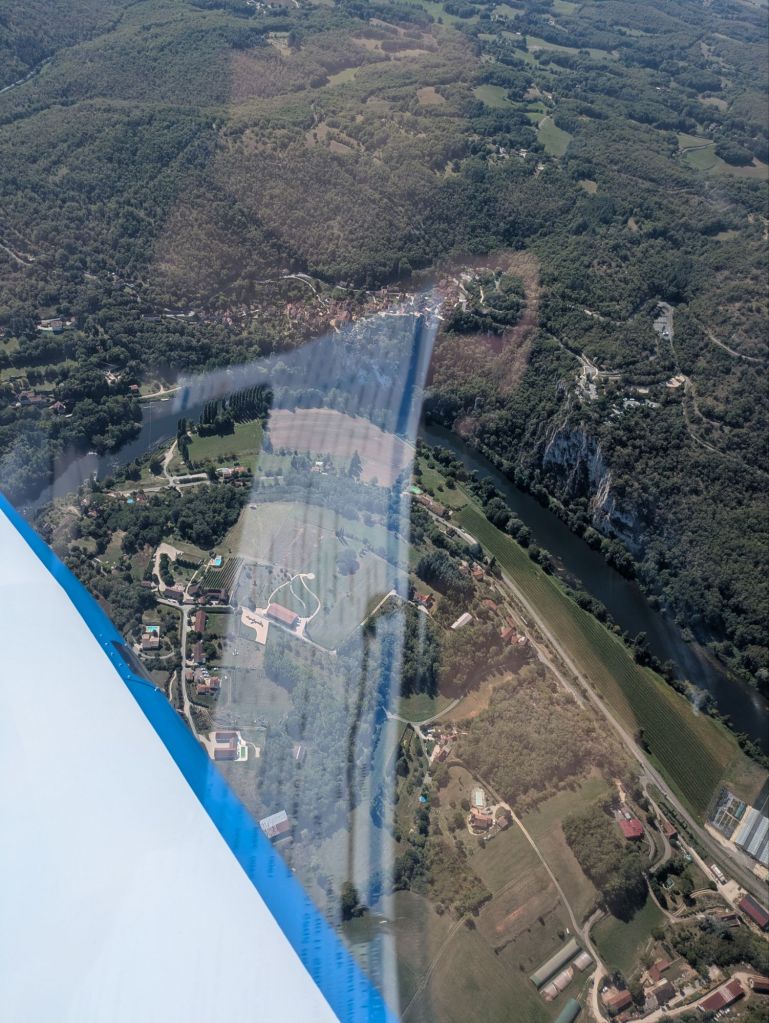
Sector 5: in this sector we went back to the valley of the Lot, by way of Marcilhac sur Célé, Cabrerets (where the Pech Merle cave is located, with its prehistoric cave paintings) and reaching Saint-Cirq-Lapopie. We then flew back to Cahors (birthplace of Leon Gambetta).

Sector 5
Saint-Cirq-Lapopie

When we completed the circuit, we landed again at Cahors and shared a delicious lunch with the participants and members of the local aeroclub (very welcoming). They showed us as well the flight simulator they have developed in house to help with the training of new pilots.

Flight simulator at Cahors aeroclub du Quercy

Once, finished we bid our farewell and flew back to Toulouse.

Leave a comment

Filed under Aerospace & Defence