Tag Archives: DR400

Flight excursion to l’île d’Oléron

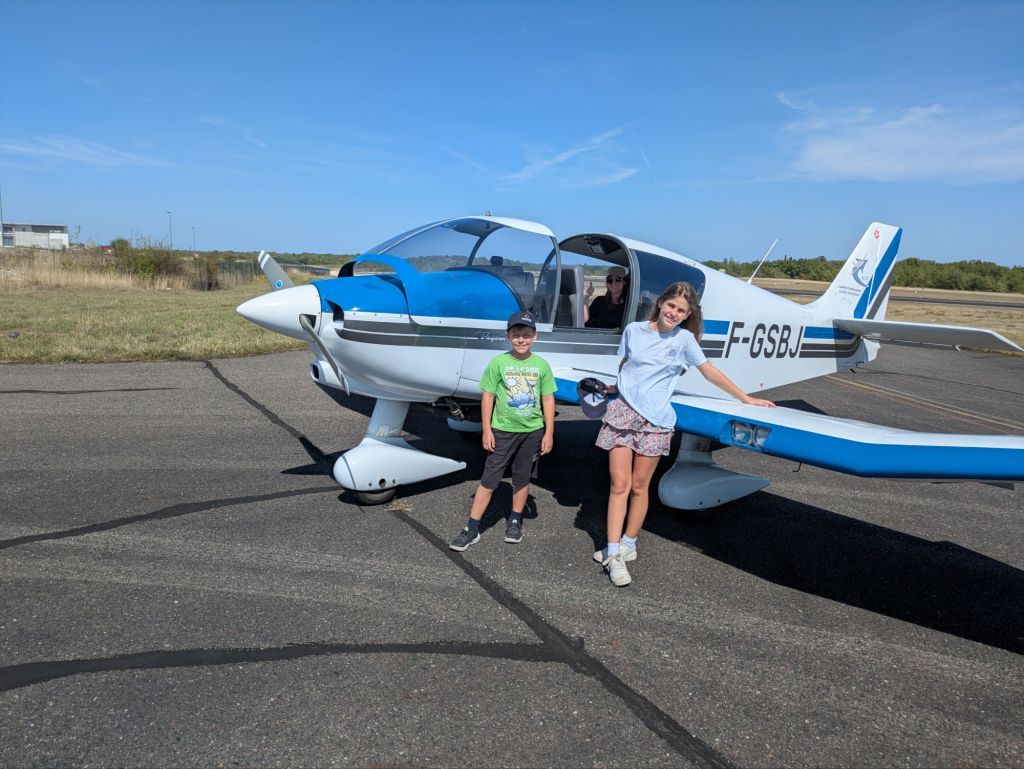
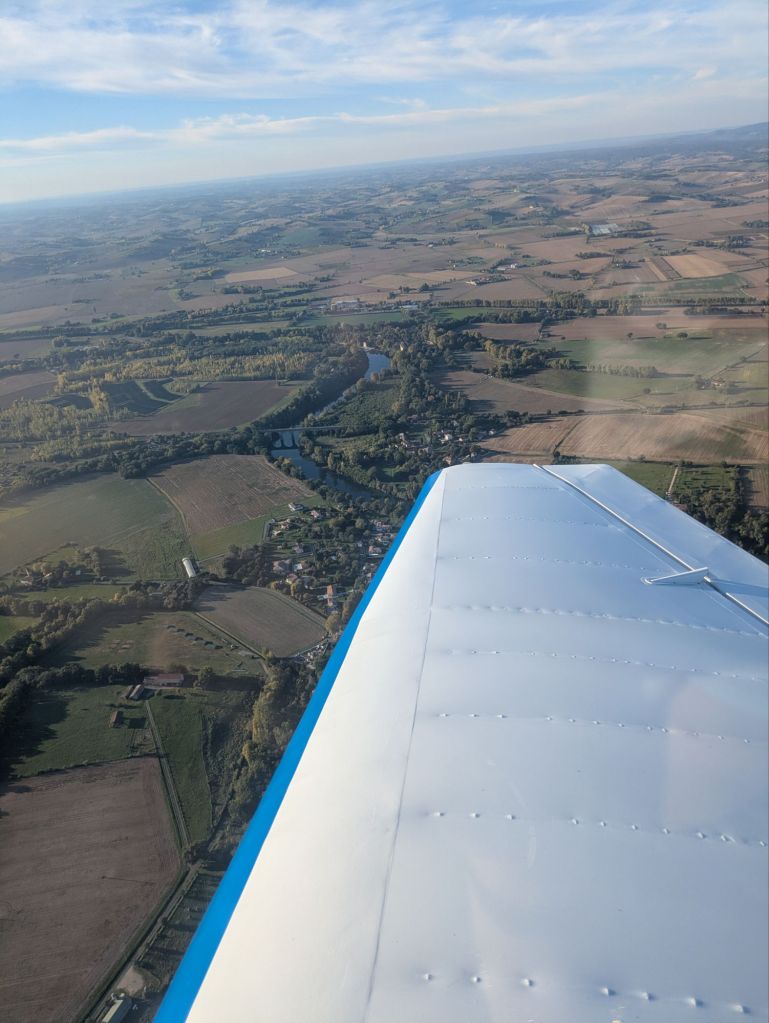
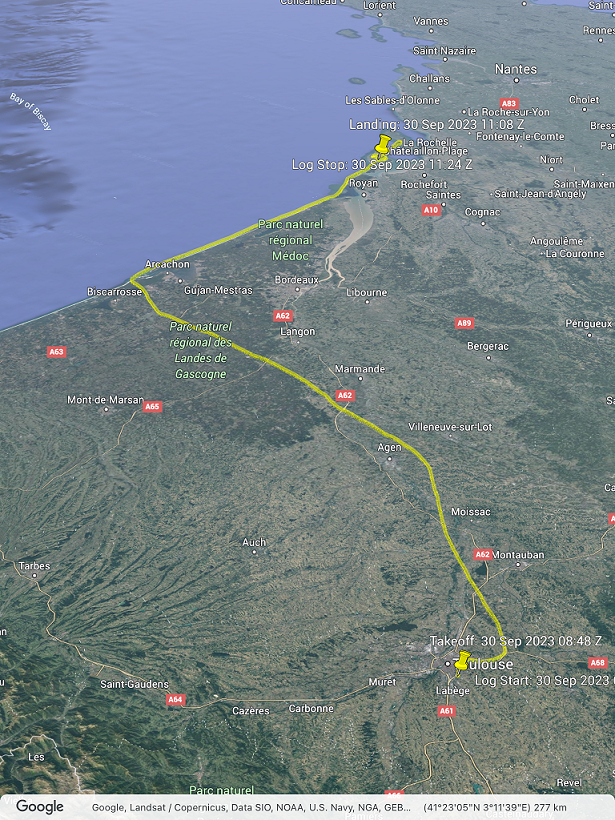
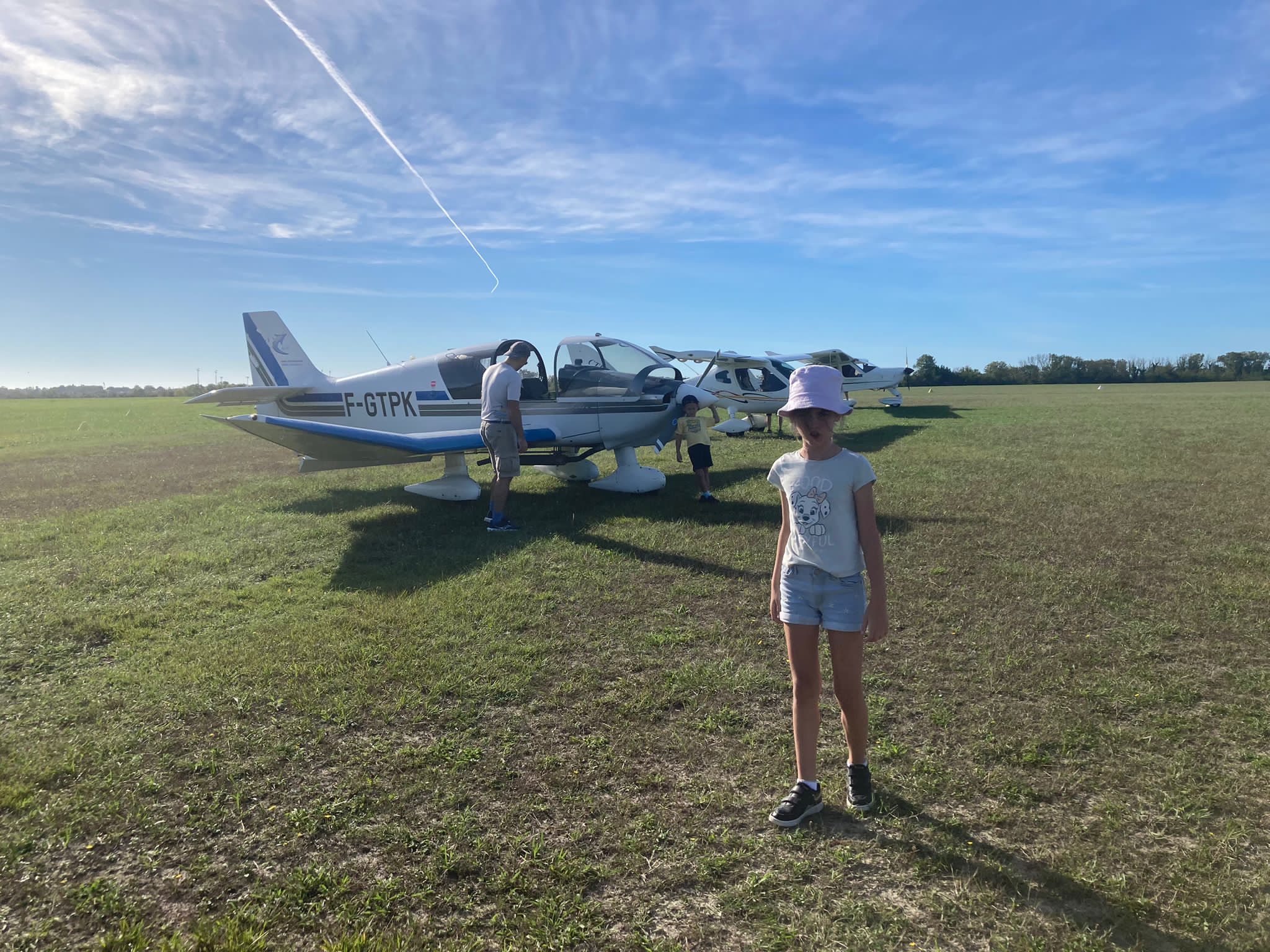
Last weekend, with Luca and our children, we took one of the aeroclub’s DR-400 to make a flight excursion from Toulouse (France) to l’île d’Oléron, a small island close to La Rochelle.

North side of l’île d’Oléron

I had often heard about this destination from different members of our Aviation Society, so we wanted to give it a try as an easy plan for the weekend. We departed on Saturday morning from Toulouse Lasbordes (LFCL), flew to Saint Pierre d’Oléron (LFDP) in about 2h30′ and stayed overnight in the island, to come back the following morning.

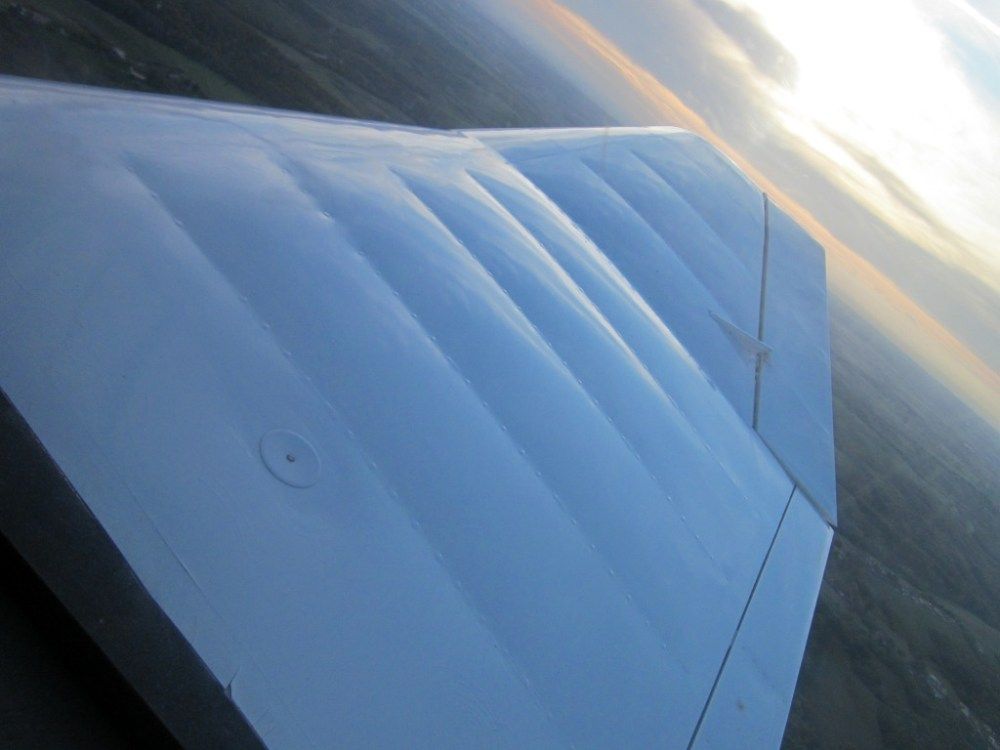
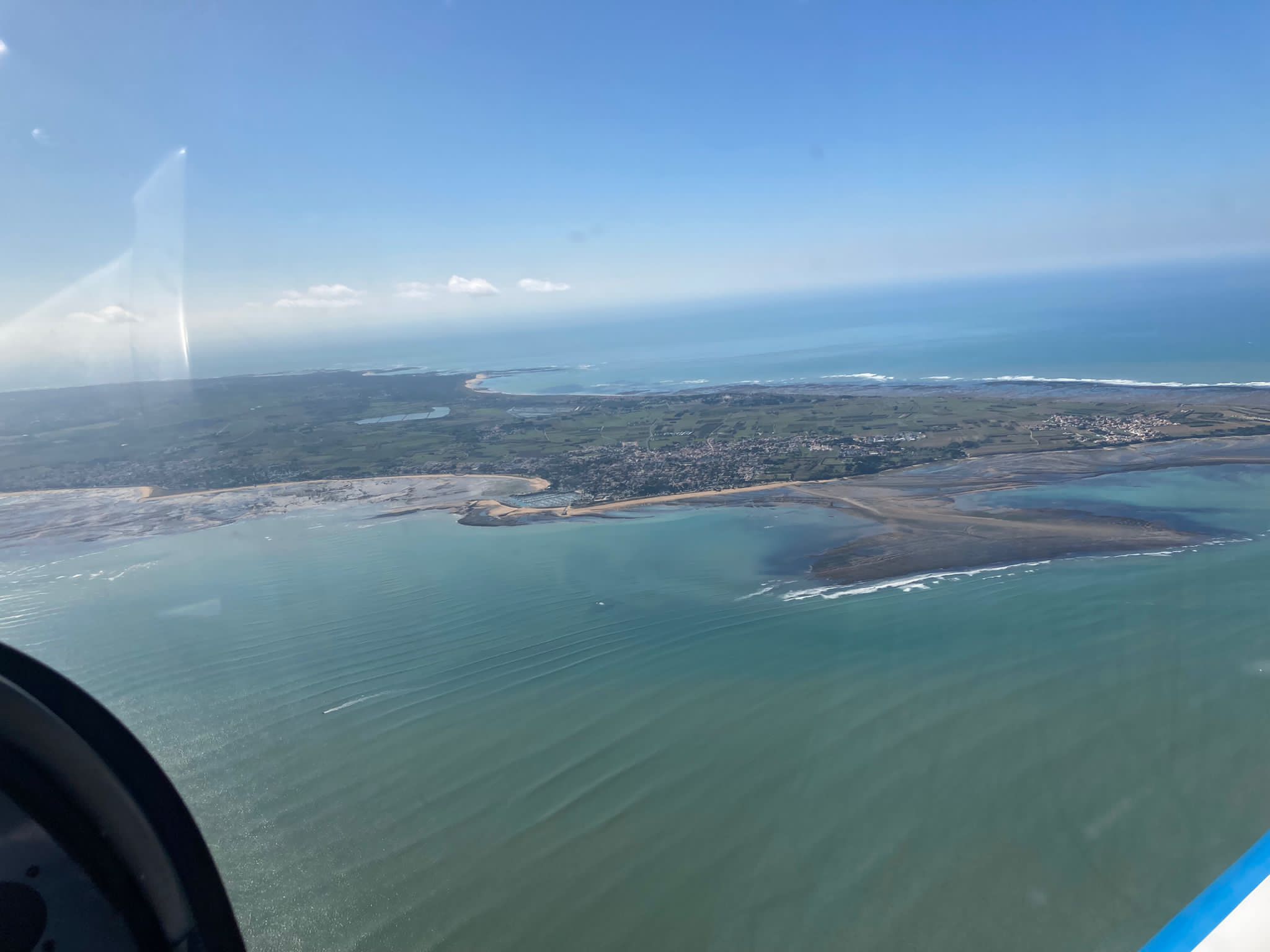
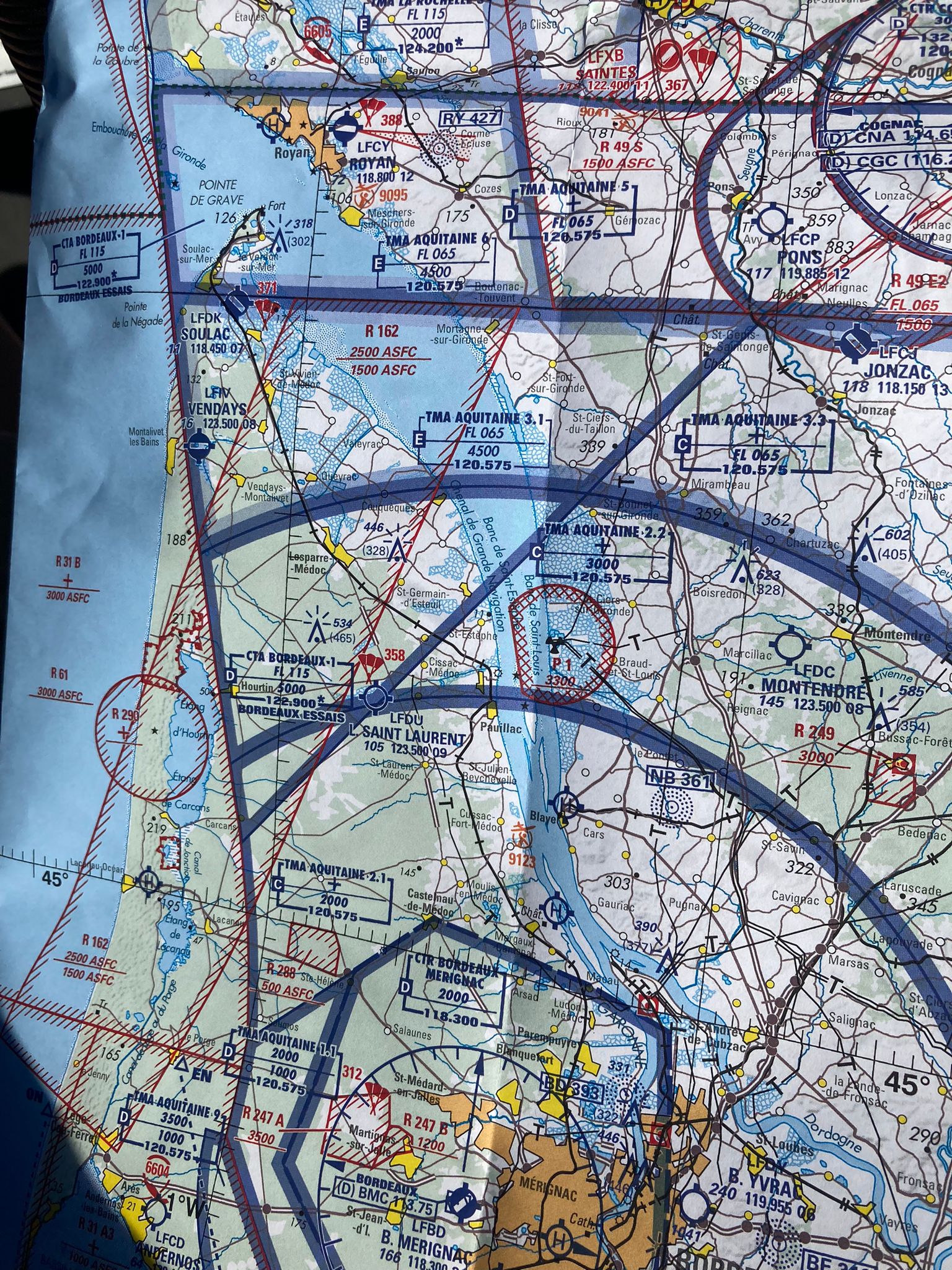
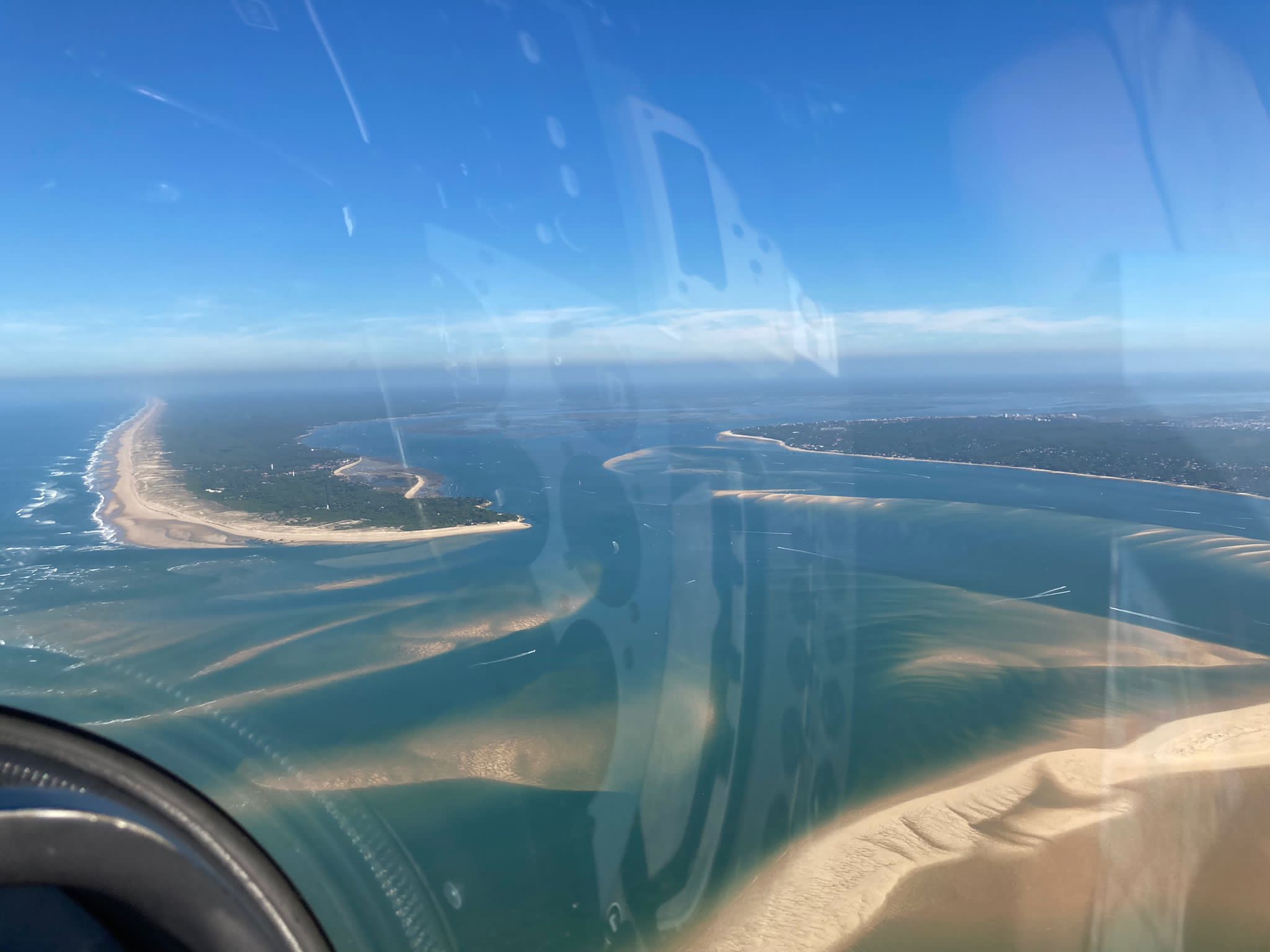
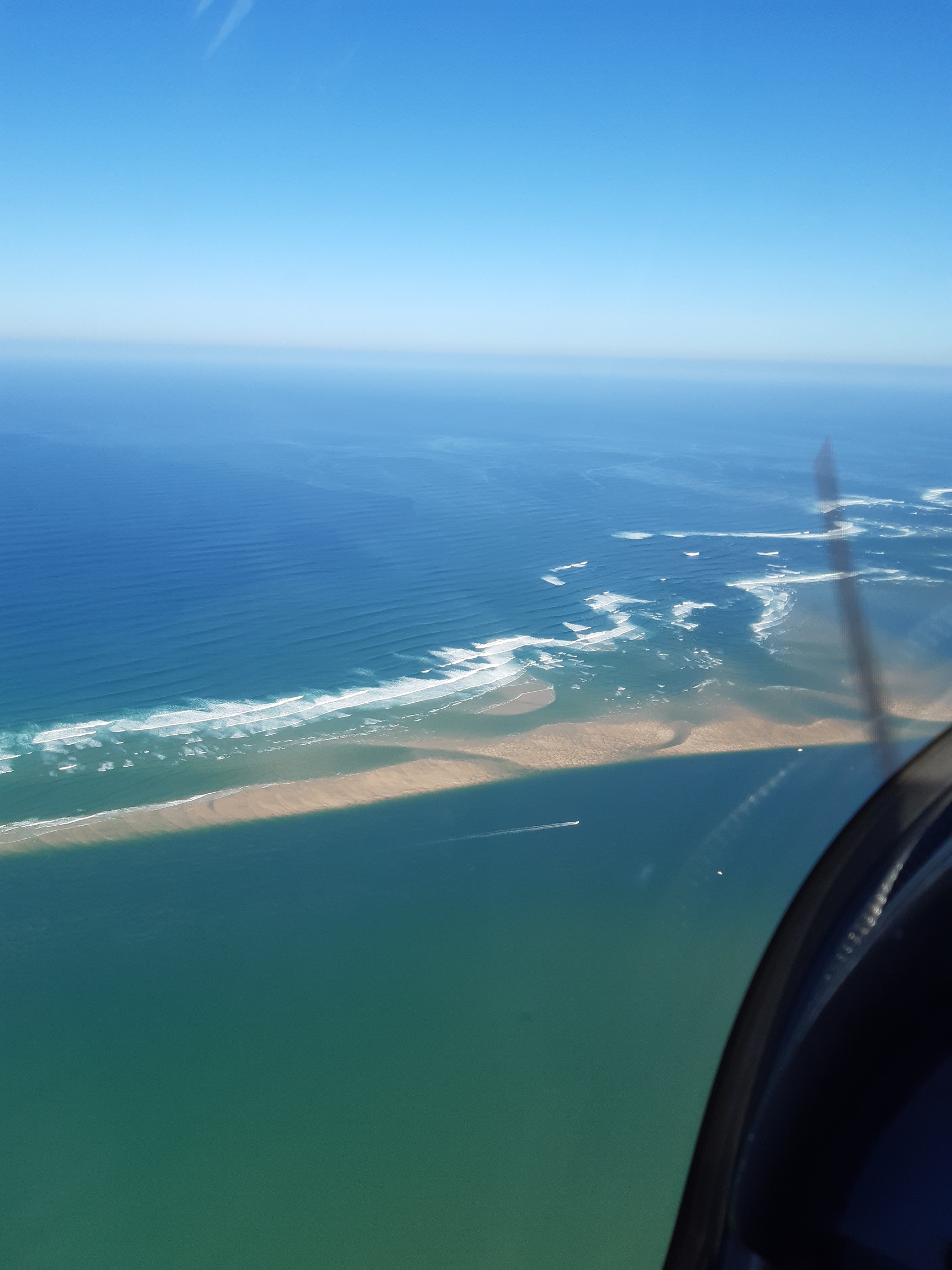
In both flights we flew by the Dune of Pilat and Cap Ferret in order to enjoy the views of the coastline from that point all the way to l’île de Ré.

Cap Ferret

For the preparation of the flights and the navigation we relied on SkyDemon (I took again just 1 month subscription for 15€) from an iPad Mini (using an external GPS connected to the iPad). SkyDemon provides the GPS logs that afterwards can be viewed in Google Earth.

We did not reserve anything in advance, therefore upon arrival at the aerodrome we booked a couple of bikes at the aeroclub (20€ per bike per day; now I would suggest to book them in advance, as there were only 2 bikes left when we arrived) and a night at the hotel l’Hermitage (very good breakfast, silent, nice warm swimming pool at the end of September and accepting payments with cheques vacances), close to the beach Sables Vignier Plage. We had packed light, just 3 light back packs, thus, we rode the bikes with the kids to the hotel and biked as well to and from the beach.

Biking to the hotel
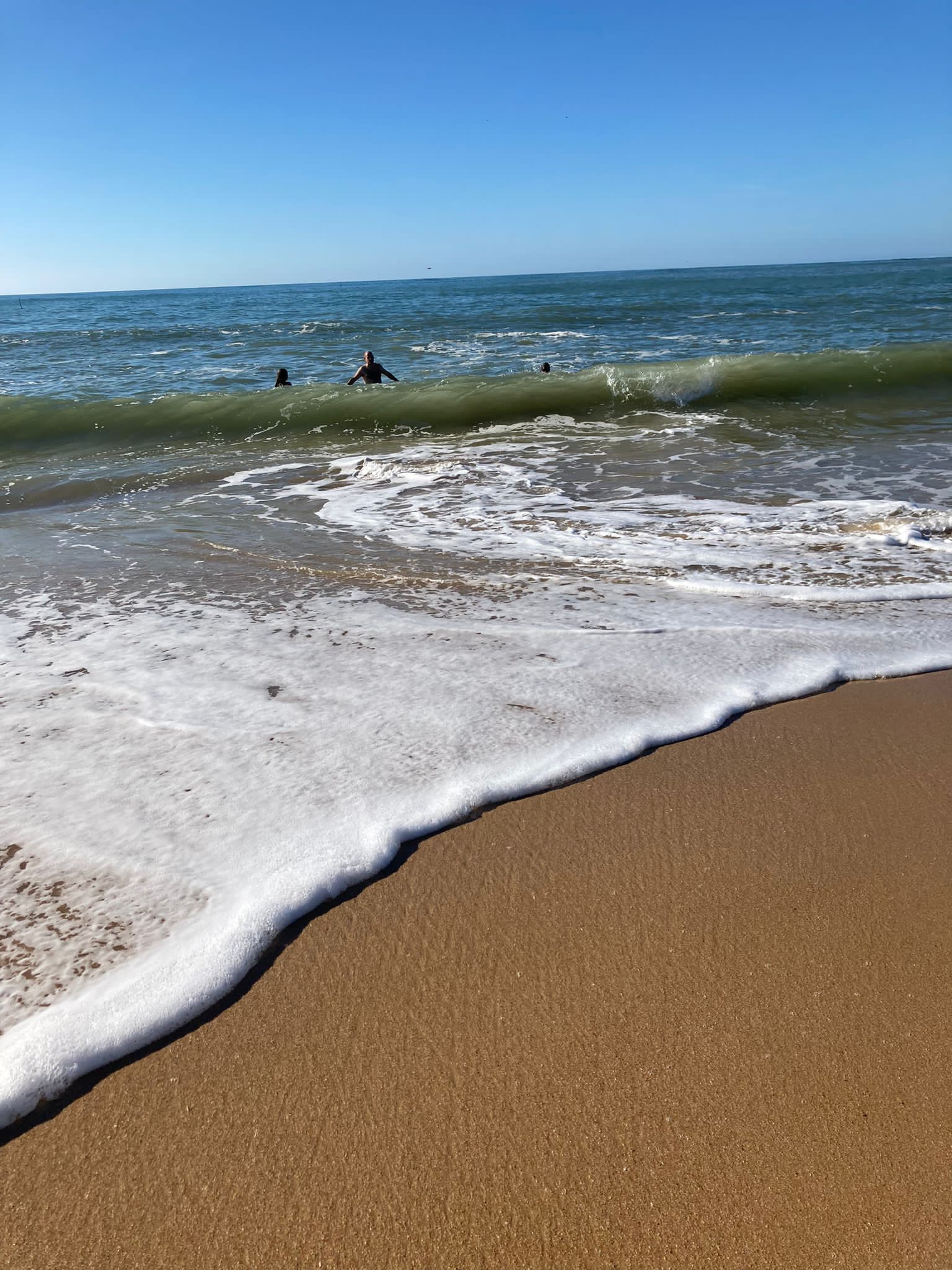
Sables Vignier Plage

As an alternative airport I had selected La Rochelle, from which we could have taken a taxi to l’île de Ré. A third option would have been l’Île-d’Yeu which also has an aerodrome, but after a previous quick search in Booking.com I found that more hotel options with availability would be found at l’île d’Oléron. But I suggest to keep all options open, as if no hotels are found there, the other airports are at a short hop distance.

Saint Pierre d’Oléron (LFDP)
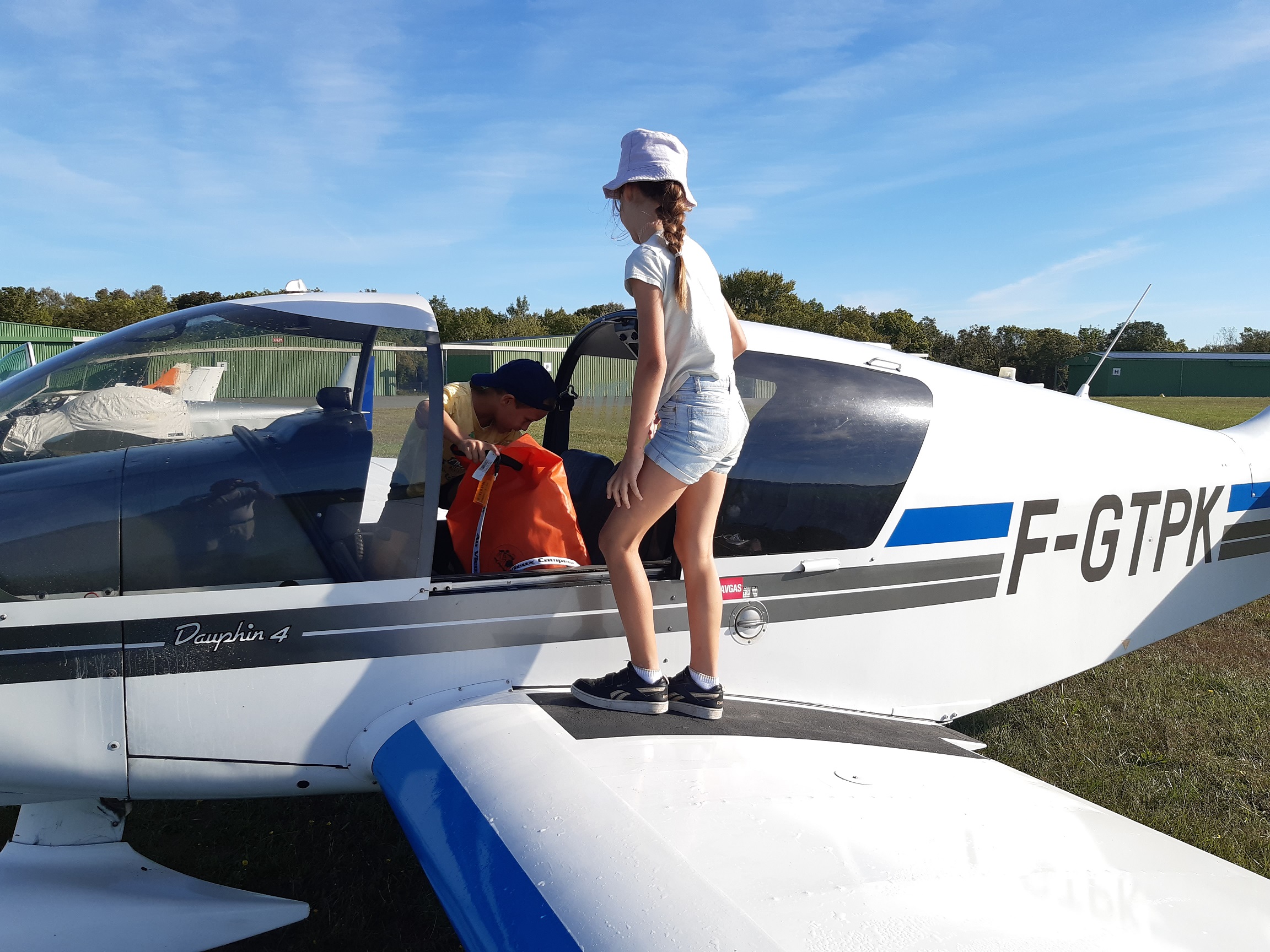
The kids preparing the airplane for the return flight
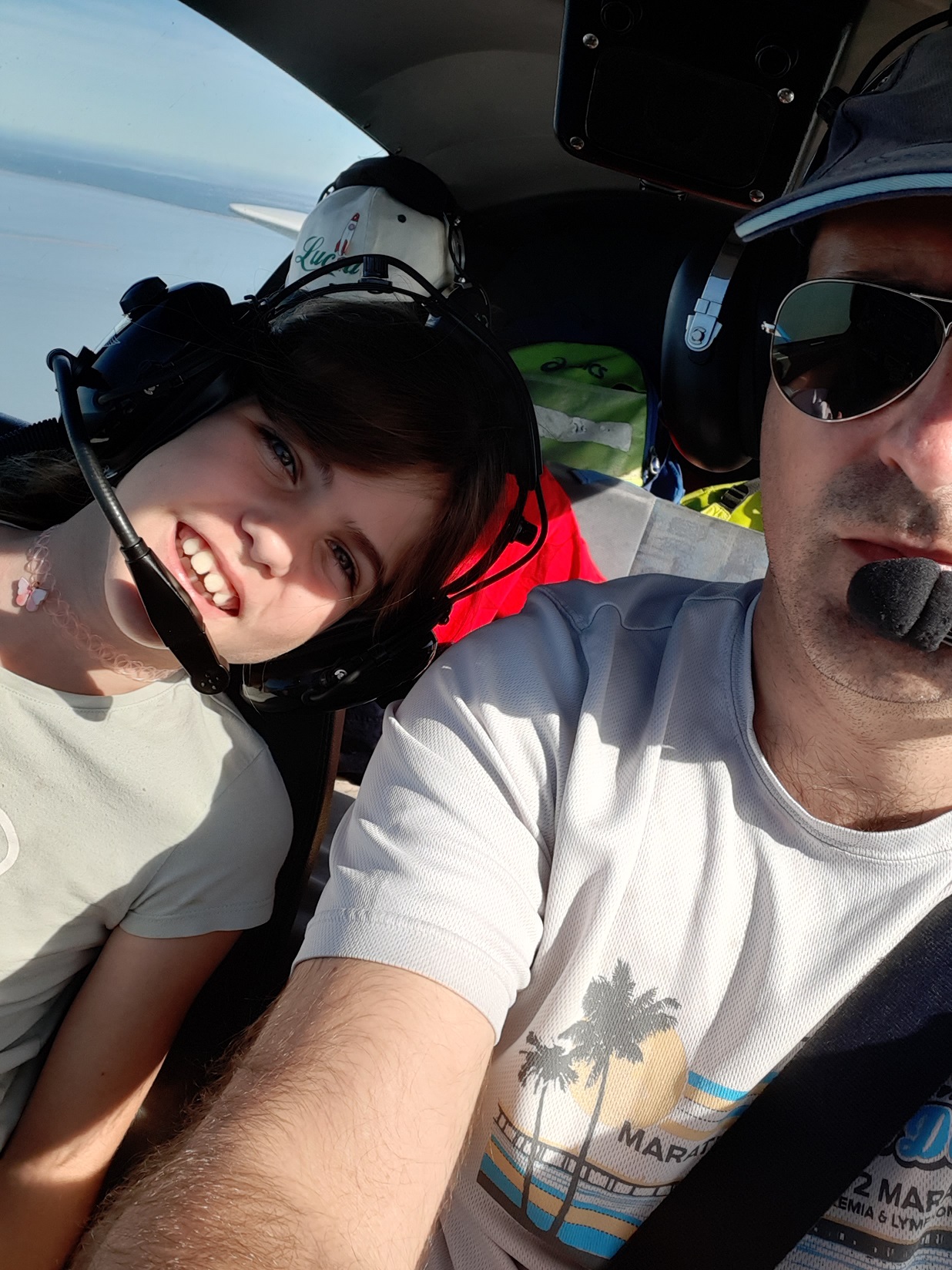
Return flight

1 Comment

Filed under Aerospace & Defence, Travelling

Weight and balance

As part of the preparation of a flight, the pilot shall make sure that the total weight of the aircraft (including fuel and passengers) is at or below the limits, and that the center of gravity is within a certain area. This is what is called weight and balance.

Some months ago, in our private pilot licence course we had a class where we reviewed this. I remember that one pupil asked “is it possible that the aircraft gets knocked over backwards on ground?” (imagine the aircraft “sitting” on its tail).

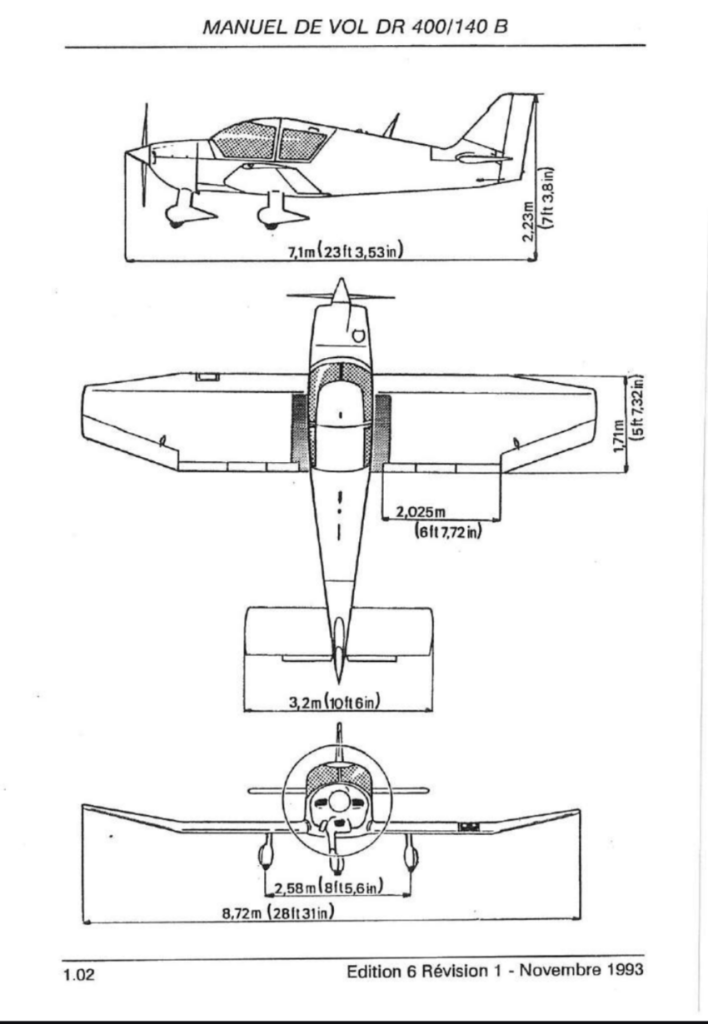
This question led me to make the numbers to see whether this was possible with the aircraft we are using for our lessons, a Robin DR 400.

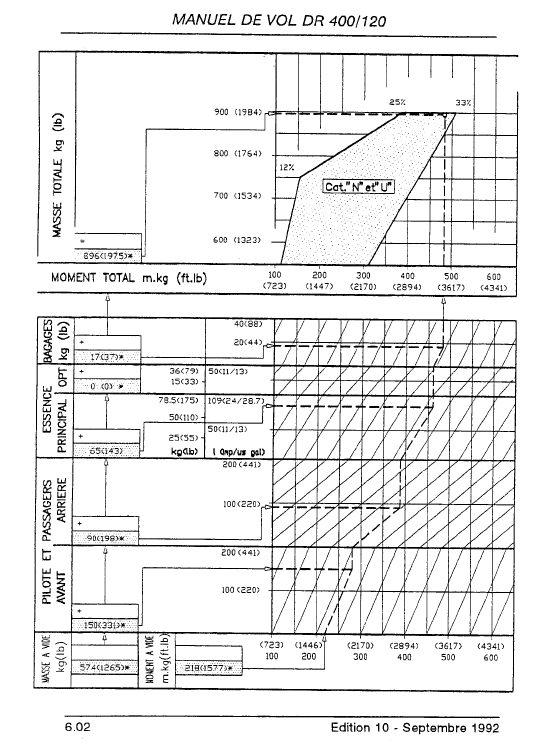
Centrogram for a DR400-120.

For this purpose we use a centrogram, which is nothing but a small “map” where the different possible weights that can be loaded into the aircraft and its momentum are already drawn so the center of gravity can be easily calculated and checked whether it falls or not in the allowed area. This centrogram is included in the flight manual of the aircraft.

I found that, carrying 2 pilots (~154kg) plus 2 passengers (~154kg), you could never load much weight into the rear compartment reserved for baggage. As that area is the one behind the main landing gear, you wouldn’t knock over the aircraft on ground.

If instead of 2 pilots and 2 passengers, you had only 1 pilot and you would load the same weight (~231kg) as baggage, the aircraft would be unbalanced but still wouldn’t fall backwards and sit on its tail. Even if the center of gravity of the baggage compartment is behind the landing gear, the weight of the empty aircraft with a center of gravity between the nose and main landing gear over compensates our trick.

Once I had calculated this, I went one step further: in which cases being under the maximum take-off weight (MTOW, 1,000 kg for a DR400-140) given by the designer could the aircraft be unbalanced? That is, what is required to get the centre of gravity out of the allowable range?

I found that to get the aircraft unbalanced basically you would need to load it in two different ways that at first seemed quite bizarre to me:

  1. You would need to carry only 1 pilot and 2 passengers (plus at least 25 kg of baggage and bearing in mind not to exceed the MTOW), but instead of two of them occupying the front positions and one sitting at the back, you would have a single adult piloting the aircraft and the other two at the back. I’ve never seen that.
  2. You would need to have 1 or 2 adults piloting the aircraft, no passenger at the back plus at least 100 kg of baggage at the back. Why would one person carry so much baggage for a short trip with a Robin DR 400? Here I would add that the designer of the aircraft placed a small plaque indicating that no more than 40kg should be loaded in the baggage compartment.

Well, the two cases can be referred respectively to the following situations:

  1. A couple formed by future groom and bride flying alone with a pilot. Maybe that flight was used by the man to propose the marriage. Well, now you know it, that’s not a good idea, it could make the aircraft unstable (takeaway: no proposals in small aircraft).
  2. Drug-trafficking. I can imagine such small aircraft being used to carry as many drugs as possible… well, apart from being illegal, if someone would carry too much (that is over 100kg), even when below the maximum allowed weight, would make it unstable.

2 Comments

Filed under Aerospace & Defence