Category Archives: France

Montech water slope (Pente d’eau) at Canal du Midi

The Canal du Midi (1) connects the Mediterranean sea with the Atlantic Ocean. It was built at the end of the XVII century under the supervision of Pierre-Paul Riquet. At the time it was one of the most remarkable civil engineering works and that has deserved its recognition as an UNESCO World Heritage Site.

Along the canal there are plenty of beautiful spots and some oddities. Some weeks ago, we visited one of the latter ones: the Pente d’eau of Montech, that is, a water slope. What is a water slope?

When two water streams at different heights need to be connected we are used to see water locks (think of the Panama Canal, or Suez). In the Canal du Midi there are dozens of locks (65 to be precise). However, engineers in the 1970s employed a time-saving different approach. Instead of having the boats go through 5 such locks at Montech they constructed in parallel a water slope, thus saving 45 minutes in the route.

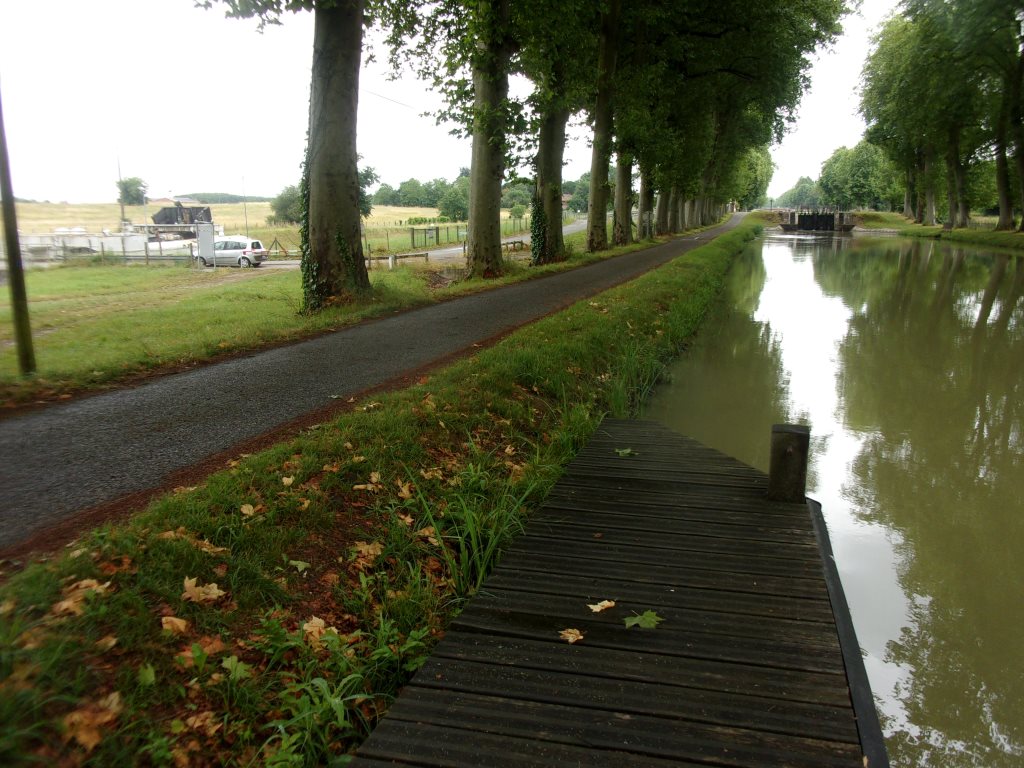
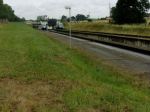
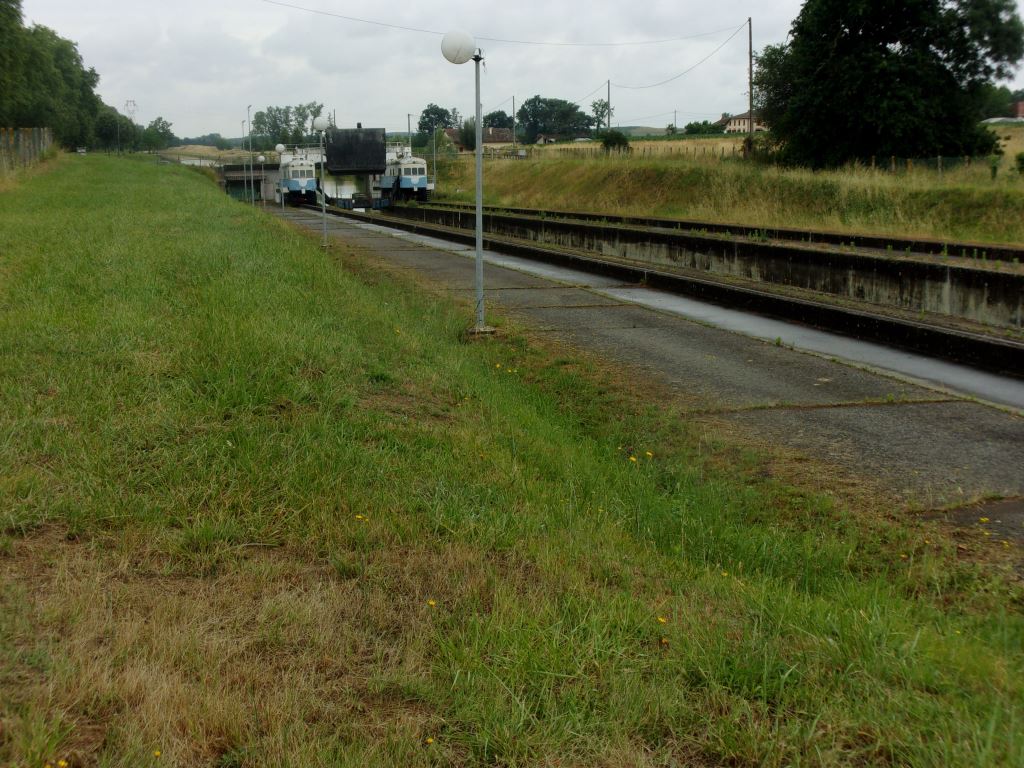
Canal du Midi to the right, water slope to the left.

Canal du Midi to the right, water slope to the left.

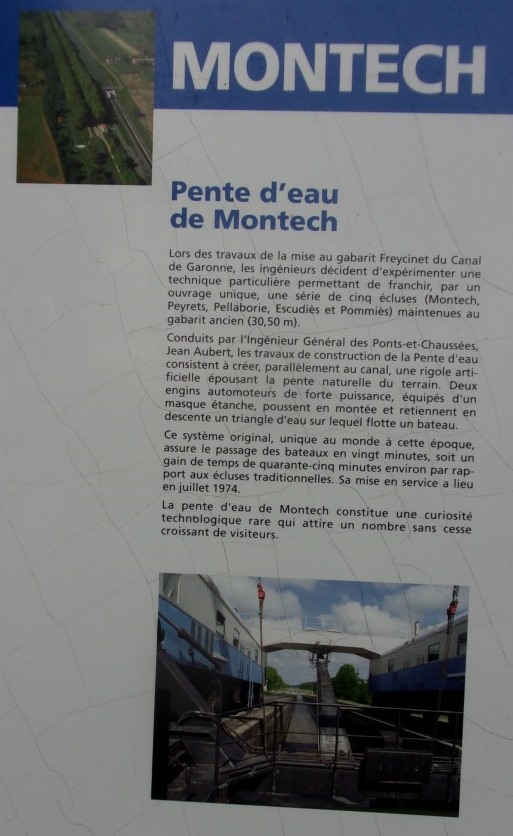
See below the panel with the explanation of the concept at Montech:

Explanation of the water slope (in French).

Explanation of the water slope (in French).

See here the explanation given by the Wikipedia.

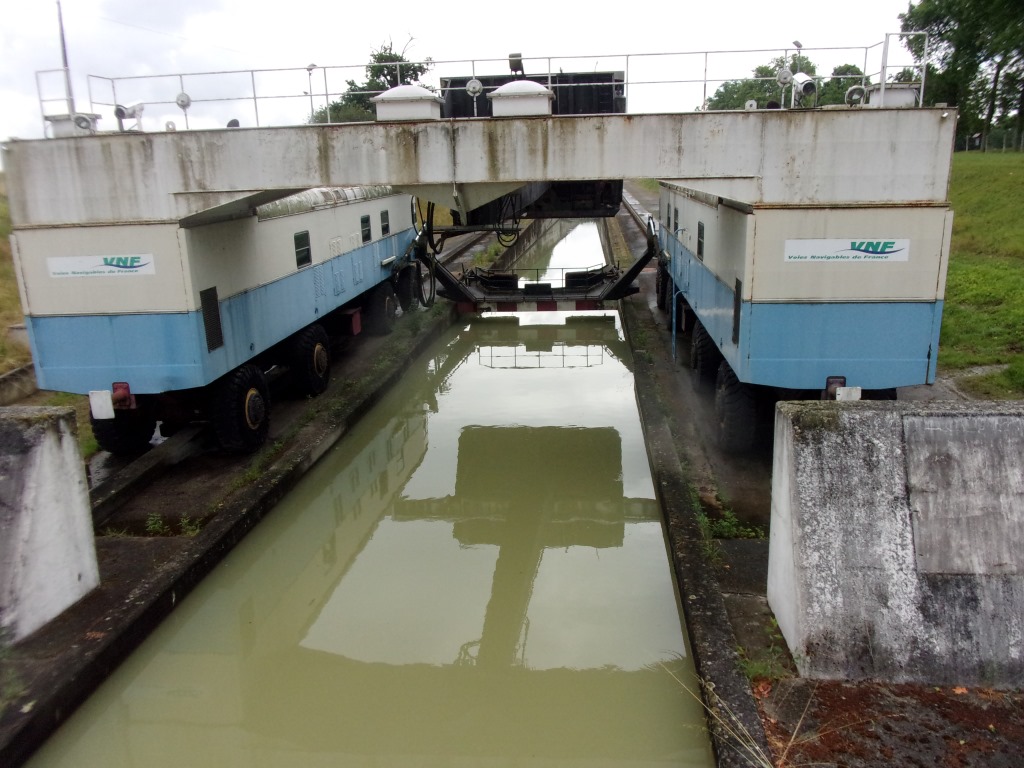
See below a couple of pictures showing the diesel locomotives and the canal.

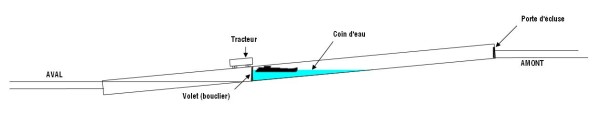
See here a good scheme to ease the visualization of the concept prepared by the L’Association Culture Loisirs Entente Sport (LACLES, see here their blog post with the complete explanation).

Water slope scheme (prepared by L'Association Culture Loisirs Entente Sport)

Water slope scheme (prepared by L’Association Culture Loisirs Entente Sport)

Unfortunately, the water slope is not working nowadays. Nevertheless it’s worth a visit to the place, to get a glimpse of such an engineering feat.

(1) To be precise the Canal du Midi (originally named “Canal royal en Languedoc”) connects the Mediterranean sea with the river Garonne in Toulouse. From there, another canal, the “Canal Latéral de la Garonne” makes the connection to the Garonne itself at Bordeaux, where it is navigable down to the Atlantic Ocean. The combination of both canals is called “Canal des Deux Mers“.

3 Comments

Filed under France

Fly Out: Les Châteaux de la Loire

Last weekend we took part together with my friend Raphaël and about 20 other members of the Airbus Aviation Society of Toulouse in a Fly Out (1) to Les Châteaux de la Loire. 7 aircraft departed from different airfields around Toulouse to reach Angers, some on Friday evening, some on Saturday morning. From then one we would enjoy some joint activities. In a nutshell:

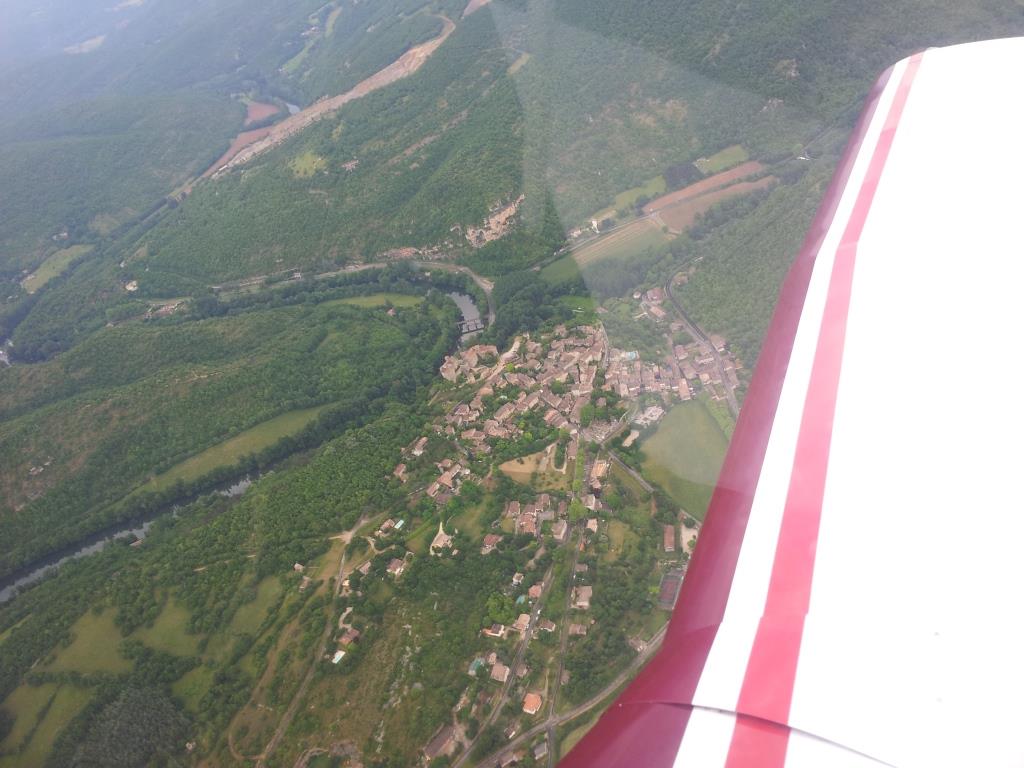
  • On the way to Angers (LFJR, 2h50′ flight), we flew over some very beautiful villages such as Bruniquel, Saint Cirq Lapopie, etc.
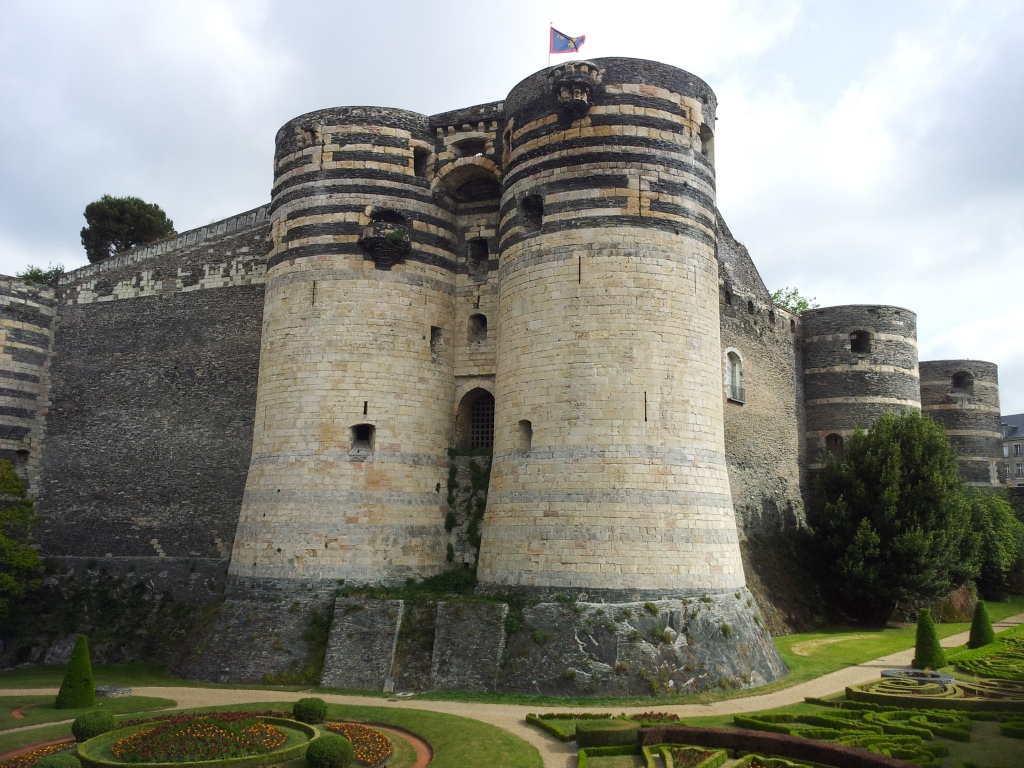
  • On Saturday morning, in Angers we visited the castle and walked around the city. We then visited the museum Espace Air Passion.
  • We then took our aircraft and flew over dozens of castles along the Loire valley, from Angers to Chambord and back to Amboise (LFEF).
  • In Amboise we had an evening event with the local aeroclub.
  • The morning after and due to worsening meteorological conditions we decided to skip the “ground” visit to the Chenonceau castle (next time) and depart early back to Toulouse. In the way we stopped for lunch at Sarlat-Dome (LFDS) where we were very warmly welcome by some members of the local aeroclub.

I believe than rather than wandering with long texts explaining all of these experiences it is better to share some of the pictures we took and let you fly along with us with some captions:

Waiting for the departure time at Toulouse Lasbordes (LFCL)

Waiting for the departure time at Toulouse Lasbordes (LFCL).

Dashboard of the Robin DR-48 we flew (F-GGHT).

Dashboard of the Robin DR-48 we flew (F-GGHT). (2)

Bruniquel.

Bruniquel.

Saint Cirq Lapopie.

Saint Cirq Lapopie. (3)

La Roque Gageac.

La Roque Gageac.

Beynac et Cazenac.

Beynac et Cazenac.

Rapha, concentrated in his piloting.

Rapha, concentrated in his piloting.

Arriving at Angers (LFJR) rather late.

Arriving at Angers (LFJR) rather late.

If you arrive at Angers airport in the evening, you'd better know the theory if you want to get out.

If you arrive at Angers airport in the evening, you’d better know the theory if you want to get out.

Château d'Angers, founded by the Counts of Anjou.

Château d’Angers, founded by the Counts of Anjou.

"Apocalypse Tapestry" at Angers castle.

“Apocalypse Tapestry” at Angers castle.

Visiting the museum "Espace Air Passion" at Angers airport.

Visiting the museum “Espace Air Passion” at Angers airport. (4)

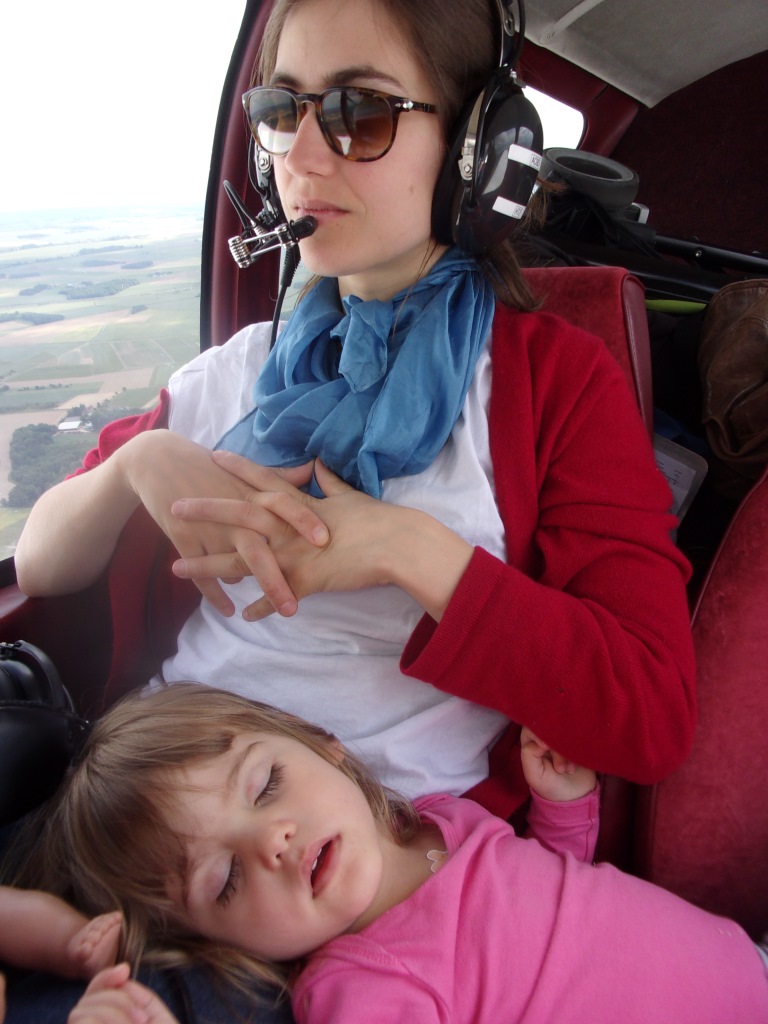
"Why is Rapha at the controls again, daddy? When do I get to pilot?!"

“Why is Rapha at the controls again, daddy? When do I get to pilot?!”

Chenonceau.

Chenonceau.

Chambord.

Chambord.

Andrea, a born flyer, and Luca, getting over it.

Andrea, a born flyer, and Luca, getting over it.

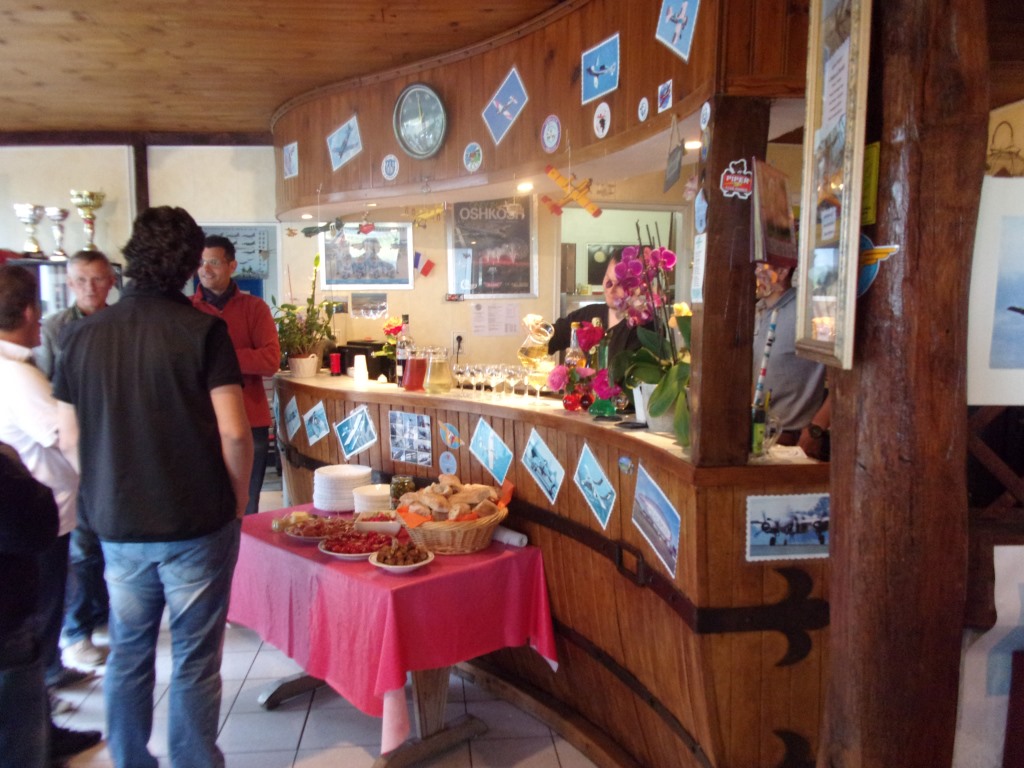
Great evening event organized by the "Aéro-club Les Ailes Tourangelles".

Great evening event organized by the “Aéro-club Les Ailes Tourangelles”. (5)

Our commandan de bord, Raphael preparing the next flight.

Our commandant de bord, Raphael preparing the next flight.

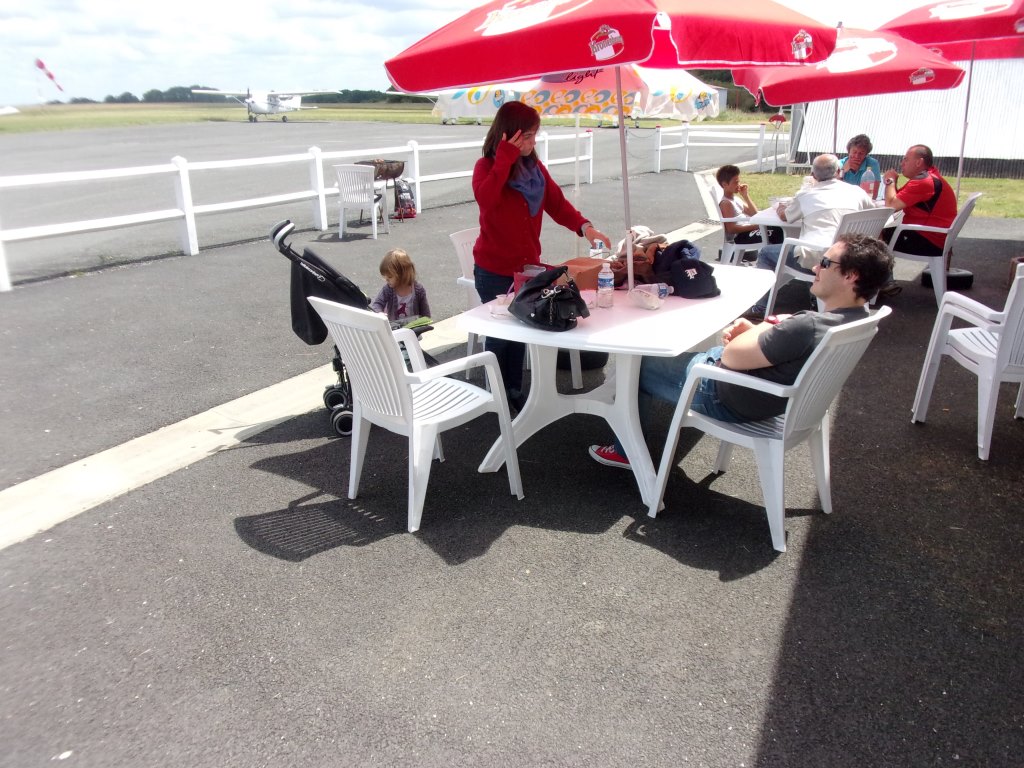
The fellows from the "Aeroclub du Sarladais" got out those table, parasols and chairs for us to have lunch with them.

The fellows from the “Aeroclub du Sarladais” got out those table, parasols and chairs for us to have lunch with them. (5)

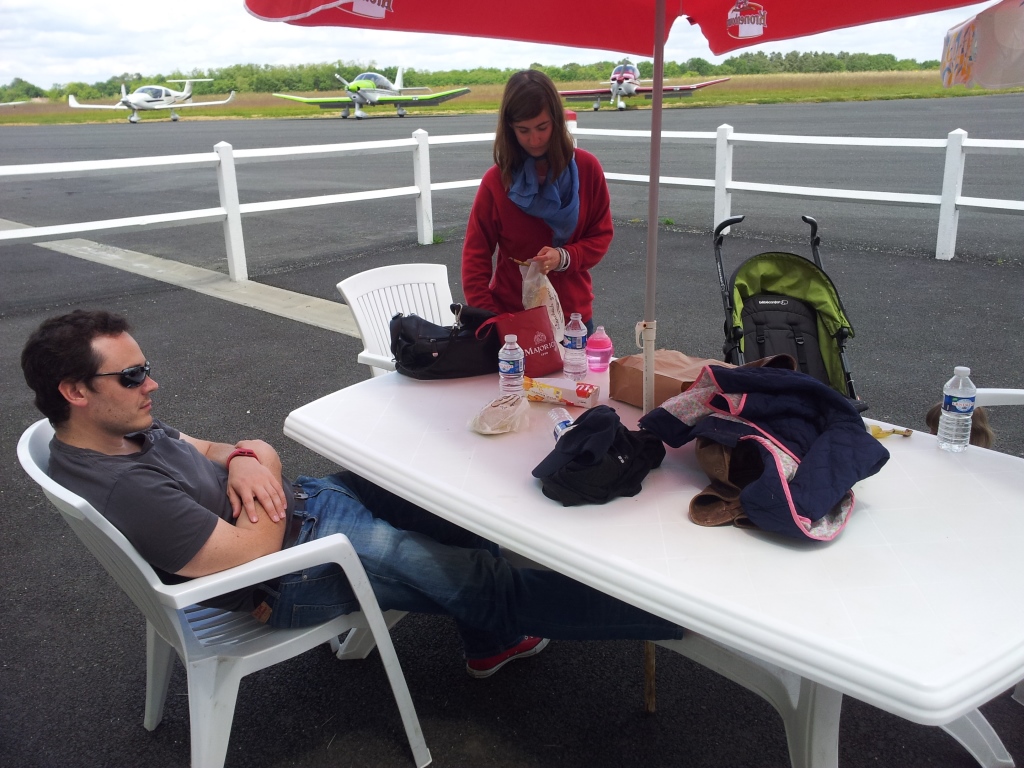
Relaxing at Sarlat-Dome aerodrome (LFDS).

Relaxing at Sarlat-Dome aerodrome (LFDS).

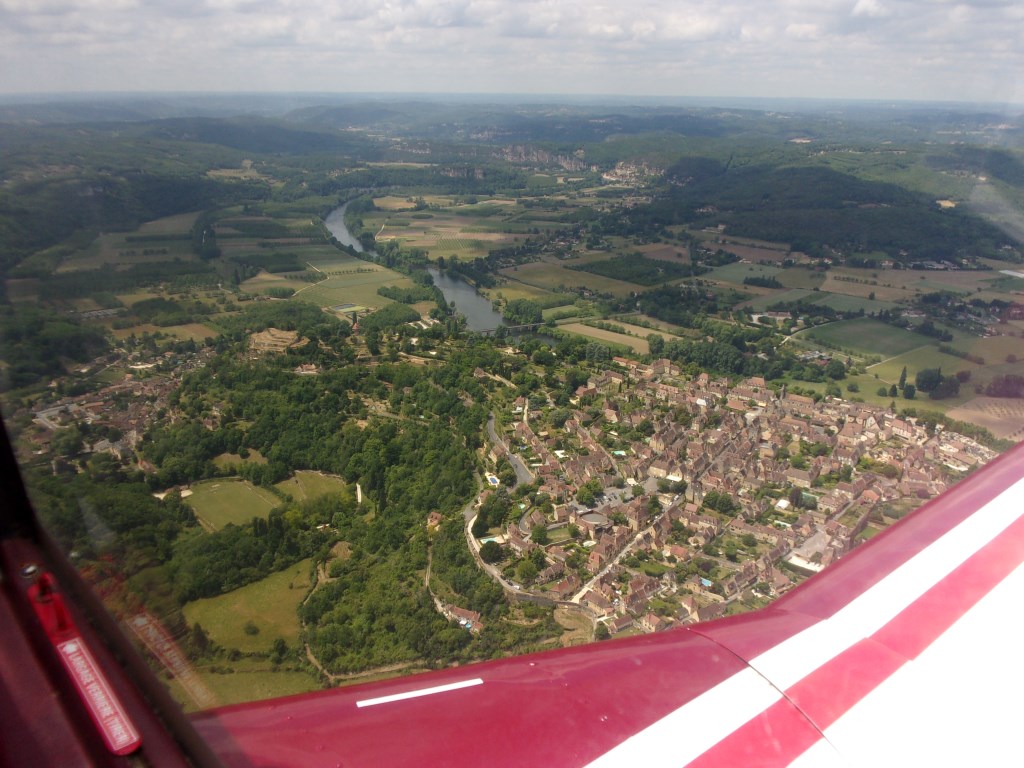
Initial climb at Sarlat-Dome (LFDS), wonderful view of the Dordogne valley and Dome village.

Initial climb at Sarlat-Dome (LFDS), wonderful view of the Dordogne valley and Dome village.

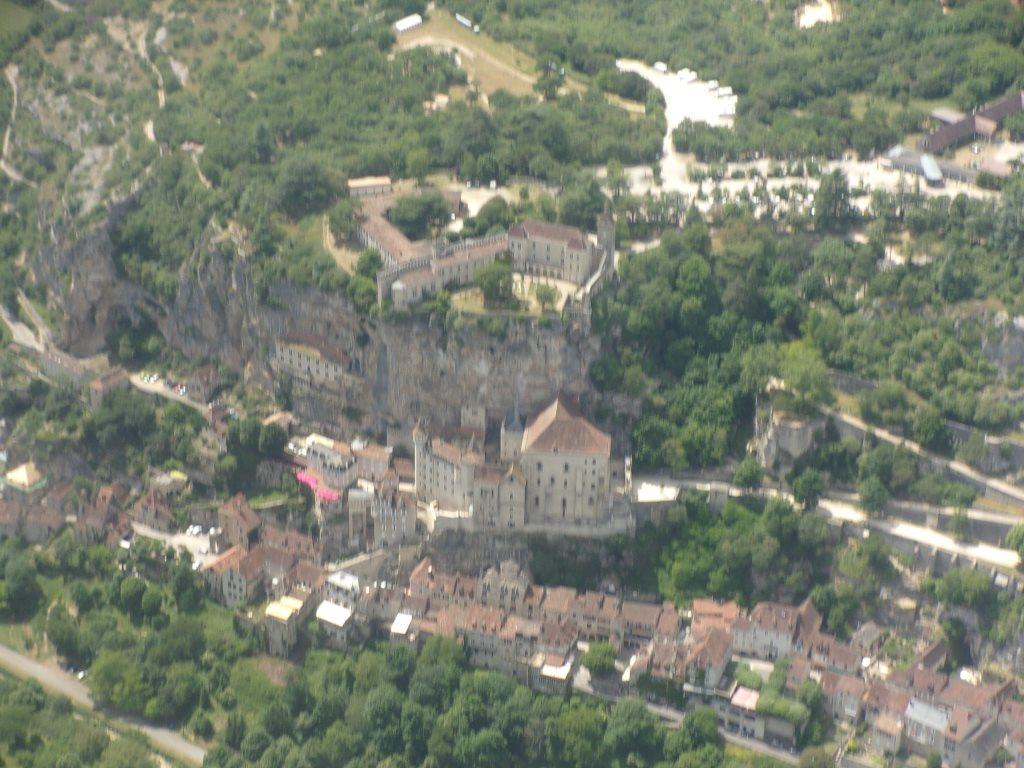
Rocamadour.

Rocamadour.

(1) The term we use for an organized activity in which several aircraft depart together with a common destination.

(2) Check out about the DR-48 here.

(3) Recently selected as the most beautiful village of France.

(4) Be sure that I will dedicate another post about this museum.

(5) If you plan to fly either to Amboise Dierre or Sarlat-Dome, do not hesitate in contacting the local aeroclubs (Les Ailes Tourangelles and Aeroclub du Sarladais, respectively), they will give you a more than warm welcome!

4 Comments

Filed under Aerospace & Defence, France, Travelling

Bonifacio

Reading today about the speech of Greece prime minister Alexis Tsipras in which he mentioned the claim on WWII reparations:

a moral obligation to our people, to history, to all European peoples who fought and gave their blood against Nazism

I was first drawn to the simile of the 50-year-old movie “The Guns of Navarone“, which portrayed the effort of Allied forces during the WWII to destroy a German fortress in an island in the Aegean Sea.

I then remembered that I had indeed visited the filming location of The Guns of Navarone, far from Greece, in the Southern most village of Corsica: Bonifacio.

I visited Bonifacio by land, sea and air back in 2012, when I travelled with a colleague and his flight instructor to Corsica.

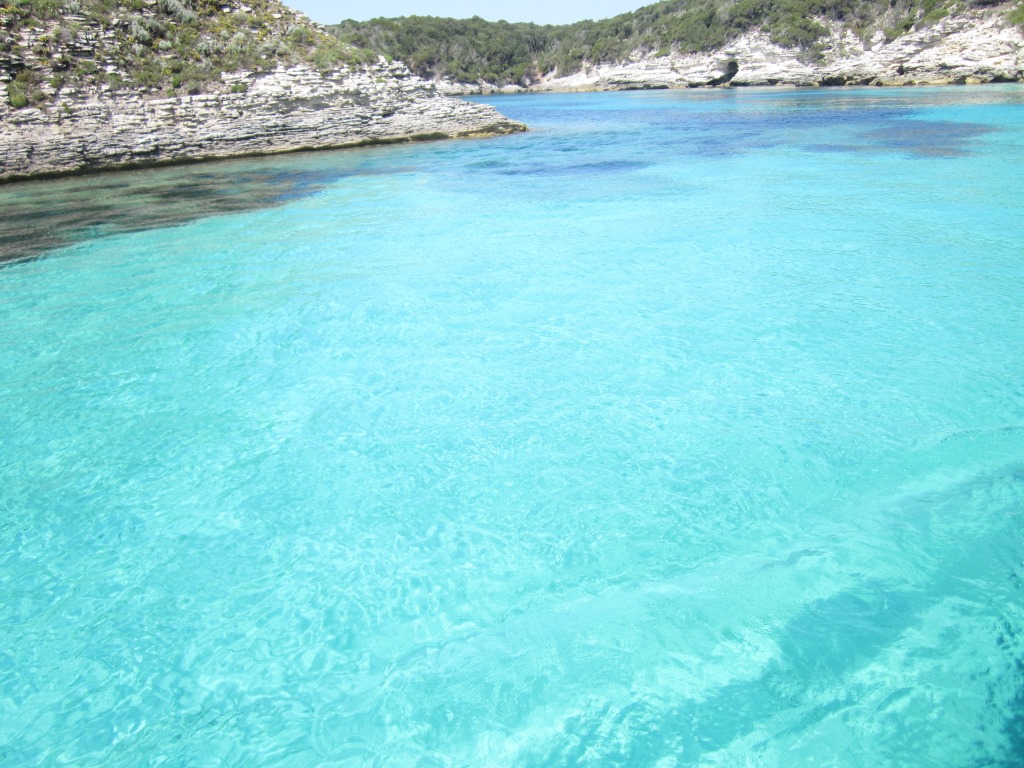
Bonifacio is very beautiful. It has a small and protected bay, few beaches and most of the city stands on the top of the cliffs facing the Mediterranean sea. As you can imagine, due to its location it has a history plenty of battles fought and of having been part of different kingdoms and empires. We first visited the village by boat (~about 1 hour), then took a 1.5-hour walk covering every corner and finally we over flew it the day after before returning back to metropolitan France.

I just wanted to share below some pictures of the nice spots in Bonifacio:


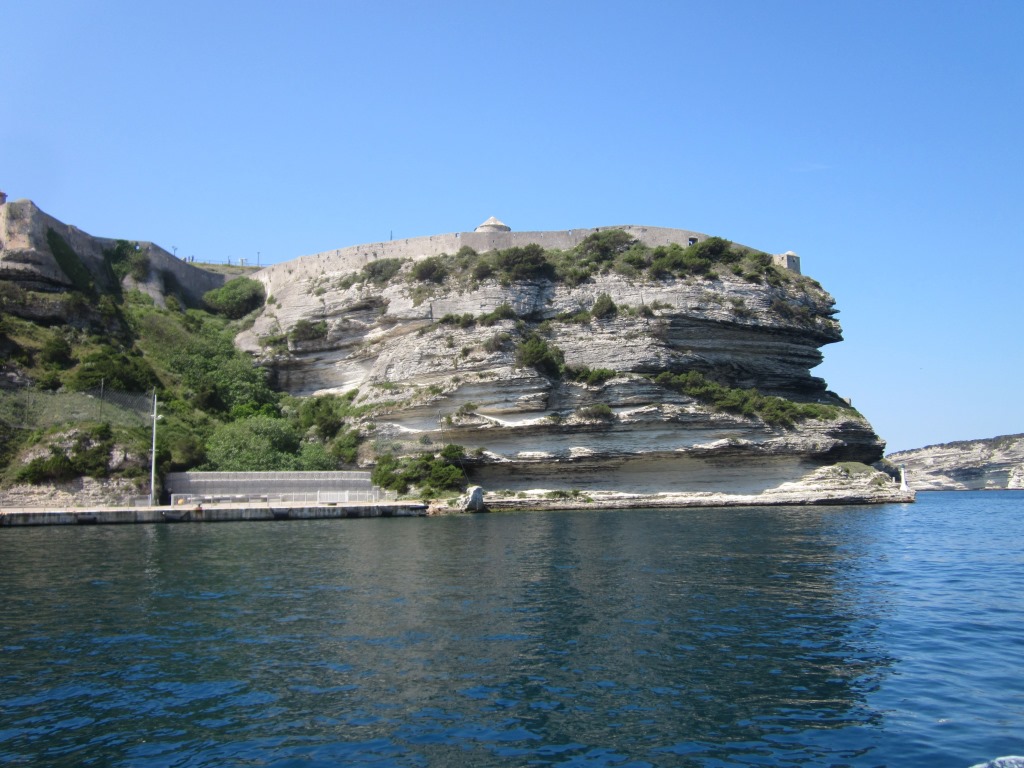
Bonifacio from the bay.

Bonifacio from the bay.

???????????????????????????????

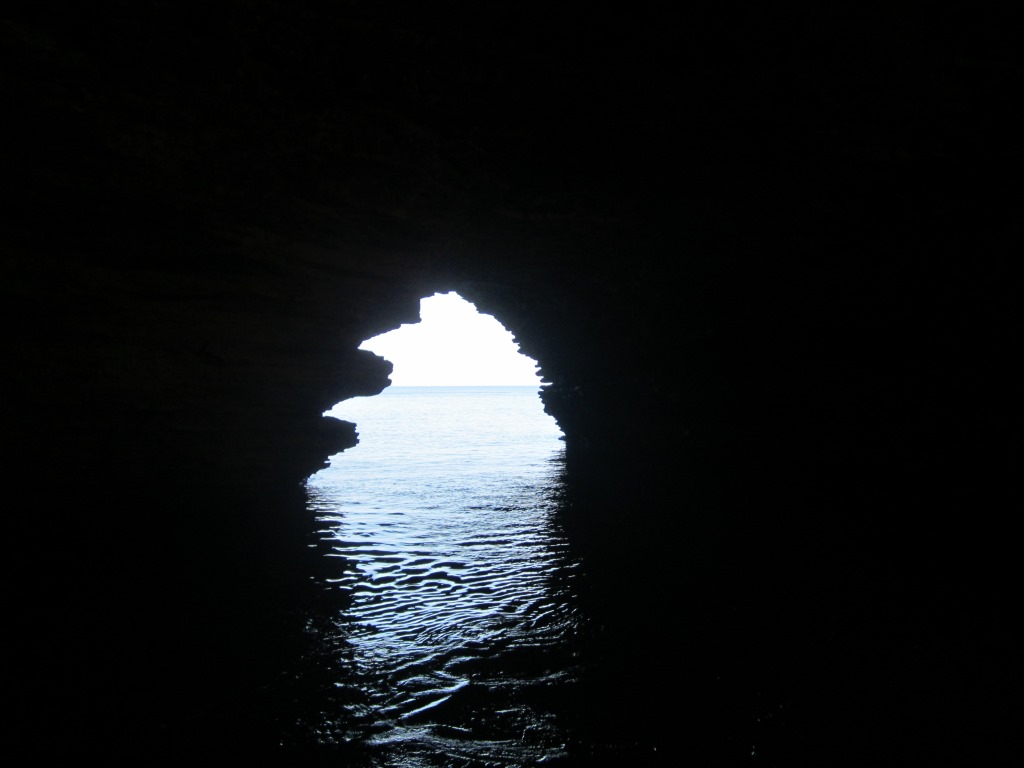
"Napoleon's hat" cave from the sea.

“Napoleon’s hat” cave from the sea.

???????????????????????????????

???????????????????????????????

Film location of "The Guns of Navarone" from the sea (1/2).

Film location of “The Guns of Navarone” from the sea (1/2).

Film location of "The Guns of Navarone" from the sea (2/2).

Film location of “The Guns of Navarone” from the sea (2/2).

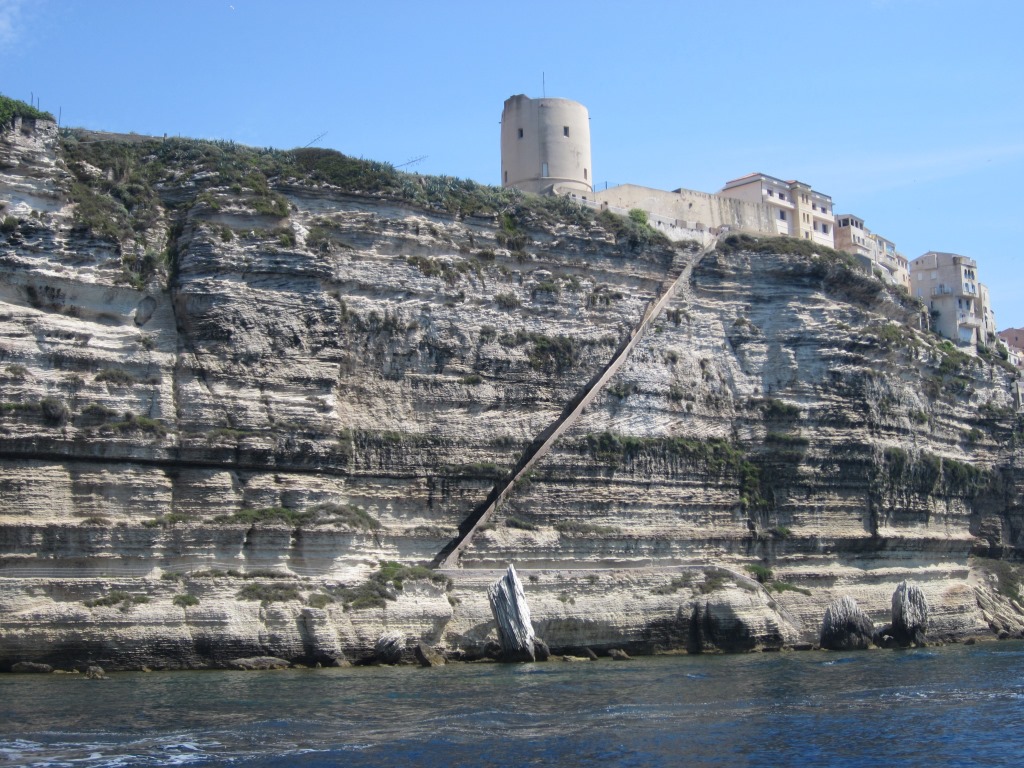
  "Stairway of the King of Aragon", legendarily carved out of the steep cliff face before Bonifacio in a single night during Alfonso V's siege of the town.

“Stairway of the King of Aragon”, legendarily carved out of the steep cliff face before Bonifacio in a single night during Alfonso V’s siege of the town.

???????????????????????????????

???????????????????????????????

Place where Napoleon stayed.

Place where Napoleon stayed.

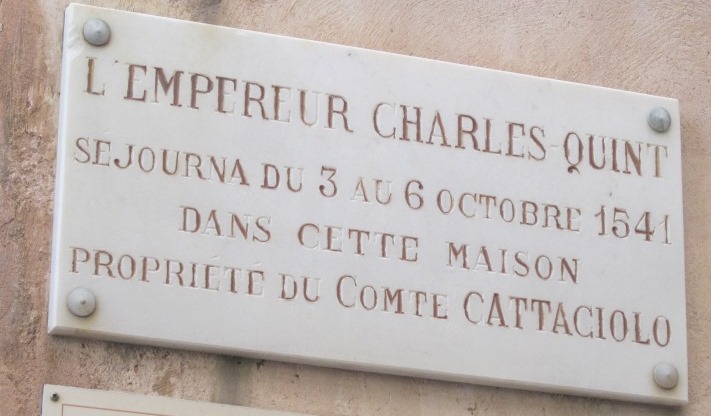
Place where emperor Charles V stayed.

Place where emperor Charles V stayed.

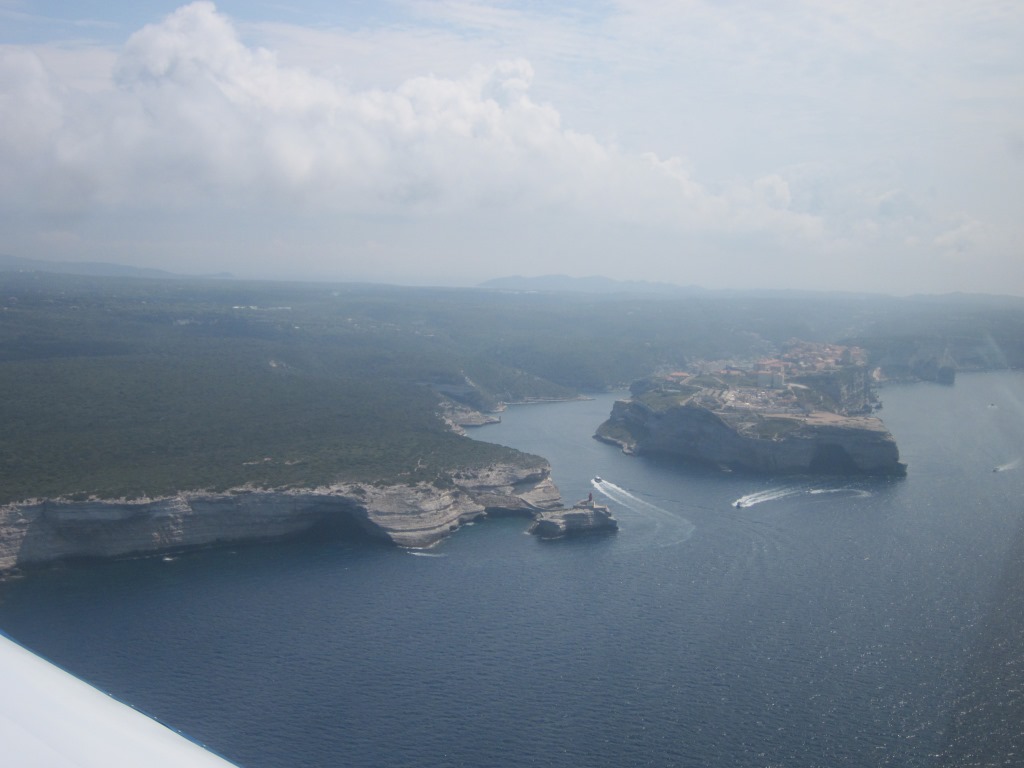
Approaching Bonifacio.

Approaching Bonifacio by air.

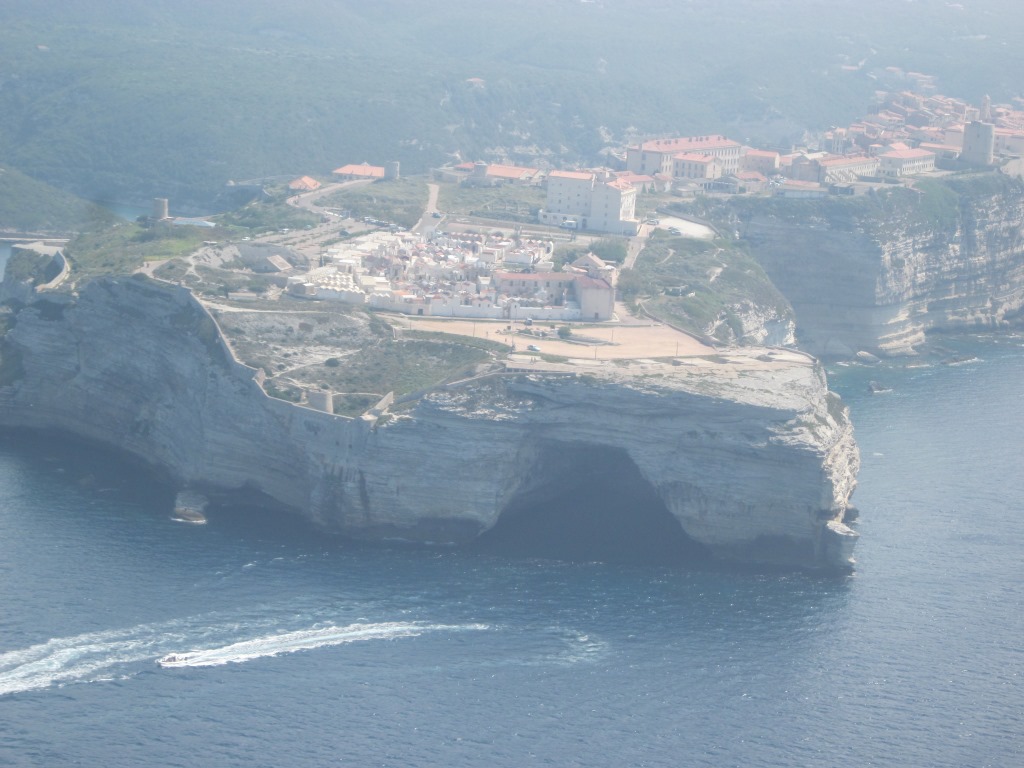
"Napoleon's hat" cave from the air.

“Napoleon’s hat” cave from the air.

Film location of "The Guns of Navarone" from the air.

Film location of “The Guns of Navarone” from the air.

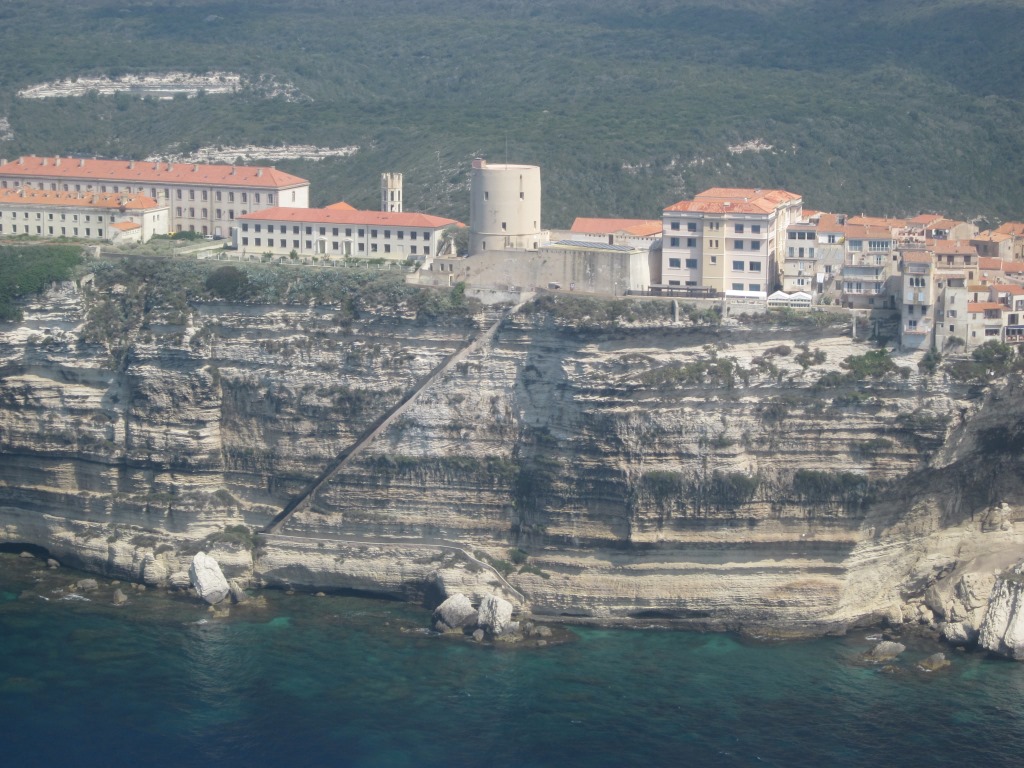
  "Stairway of the King of Aragon" from the air.

“Stairway of the King of Aragon” from the air.

???????????????????????????????


Leave a comment

Filed under France, Travelling

Musée de l’Aéronautique of Luchon

On July 19th of 1945, the British bomber Halifax Mk III Mz 981, from the 644th squadron of the Royal Air Force’s 38th transport command departed from Christchurch, in the South of England’s coast on a training mission that would take it all the way to the Cape d’Adge in the Mediterranean French coast.

Route followed by Halifax III MZ 981.

Route followed by Halifax III MZ 981.

On the way back, the aircraft would return to England crossing the South of France till the Atlantic ocean by way of Toulouse. With the fall of the night the pilot took a wrong heading (1) towards the Pyrenees, crashing against the Pic Lampau (2,543m).

About 50 years later, in the eighties, Léon Elissalde, an important figure of Luchon at the time, knowing about the crash of the Halifax III during WWII set out to look for lost parts of the aircraft. He found some of the engines, propellers, crankshafts, etc.

He knew about other crashes in the Pyrenees during WWII as well. A British Halifax II which crashed against the Pic Douluy when coming on a mission all the way from Algeria (see a description of that mission here, in French) and two German Dornier 217 equipped with BMW engines which allegedly were on the look out for the area where maquis were hidden in the mountains.

Elissalde, with all those parts created the Musée de l’Aéronautique of Luchon, located in a small hangar of village’s aerodrome.

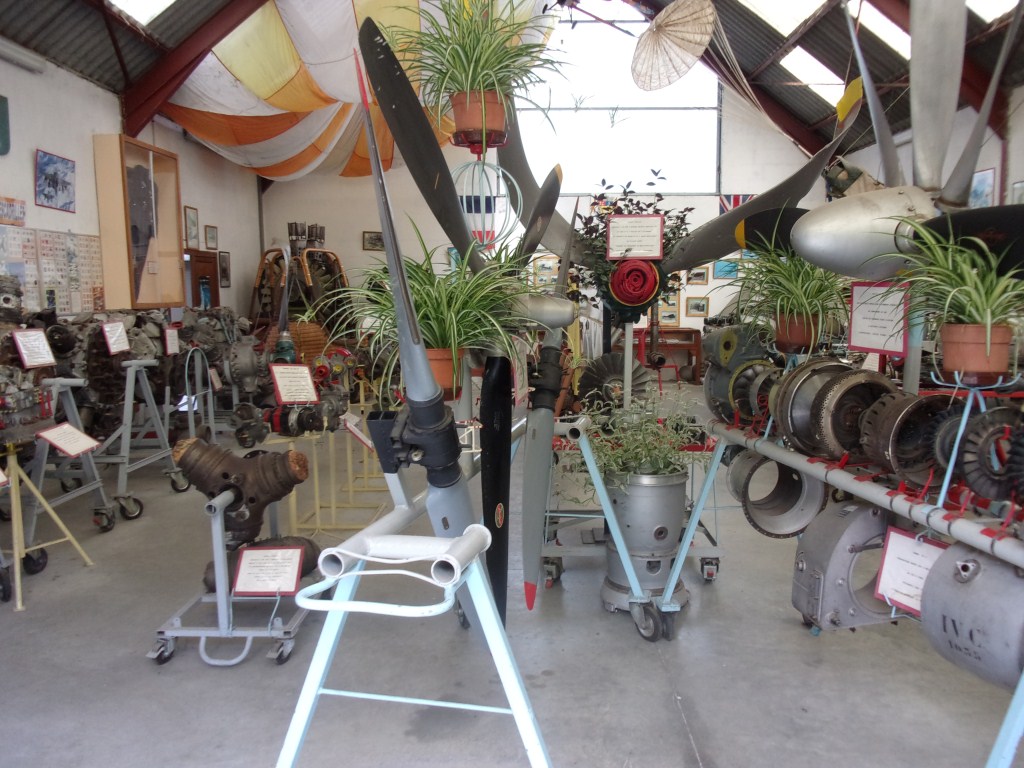
Museum interior.

Musée de l’Aéronautique of Luchon.

We visited the museum last weekend. We counted with the guidance of a retired technician of the Armée de l’Air (French Air Force), who described the details of each of the engines, aircraft in which they were mounted and the mission the flew when they crashed. The visit lasted about an hour.

Breguet 941S preserved at Musée de l’Air et de l’Espace, image by PpPachy.

The museum includes some other engines, such as the turbojet Hispano Suiza Nene, which equipped the French Mistral, or the turboshaft Turmo III D3, which equipped the aircraft Breguet 941. The 941 was a short take-off and landing (STOL) aircraft with blown wings designed in the 1950s and which flew for the 1st time in 1961. One curiosity of this aircraft is that using 4 turboshaft engines (designed to power helicopters, not planes), all 4 engines’ turbines did not directly turn the propellers but rather powered a common shaft that ran along the leading edge of the wing powering the 4 propellers. A Breguet 941 is displayed at the Musée de l’Air et de l’Espace at Le Bourget, Paris.

Luchon is a nice village located at the heart of the Pyrenees, close to Super Bagneres skiing station, to some of the summits cycled in the Tour de France and has a great spa with water from natural sources. It is a great destination where to spend a few days. One hour of those days is well employed visiting the aviation museum.

This slideshow requires JavaScript.

(1) My flight instructor uses to say “Dans l’air, le cap est la vie” (“in the air, the heading is the life”).

1 Comment

Filed under Aerospace & Defence, France

1907 Voisin-Farman biplane

In a previous post I discussed the importance of  Issy-Les-Moulineaux in the history of French aviation. I focused the first part of that post in the first 1-km closed circuit flight by Henri Farman on the 13th of January 1908.

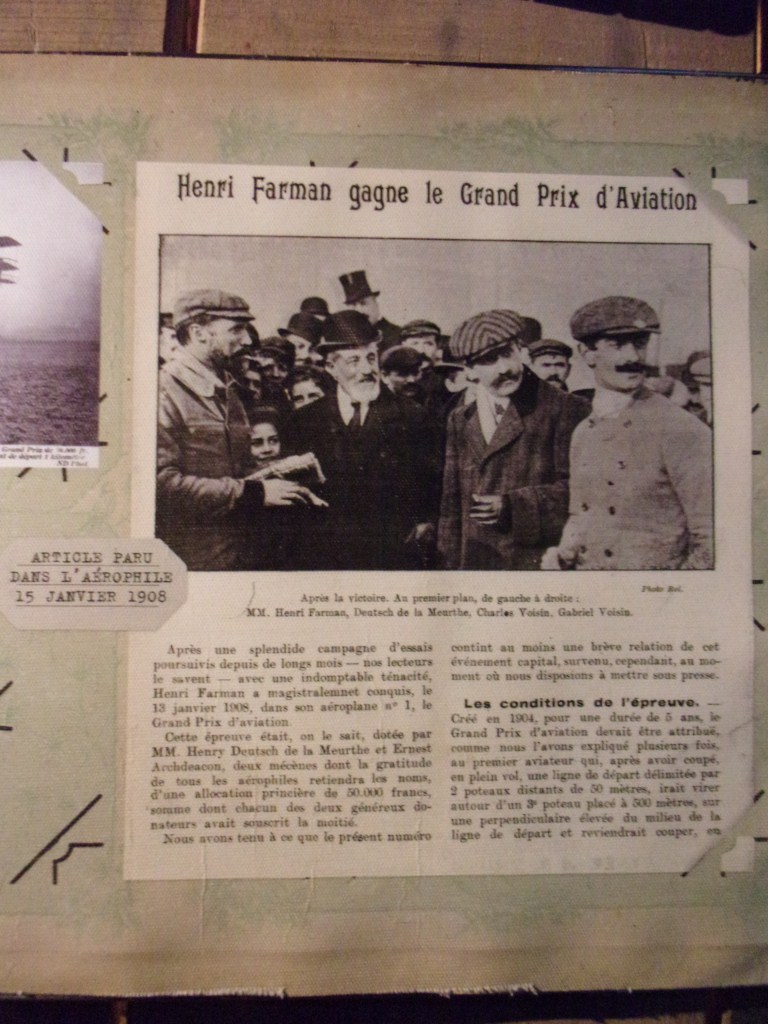
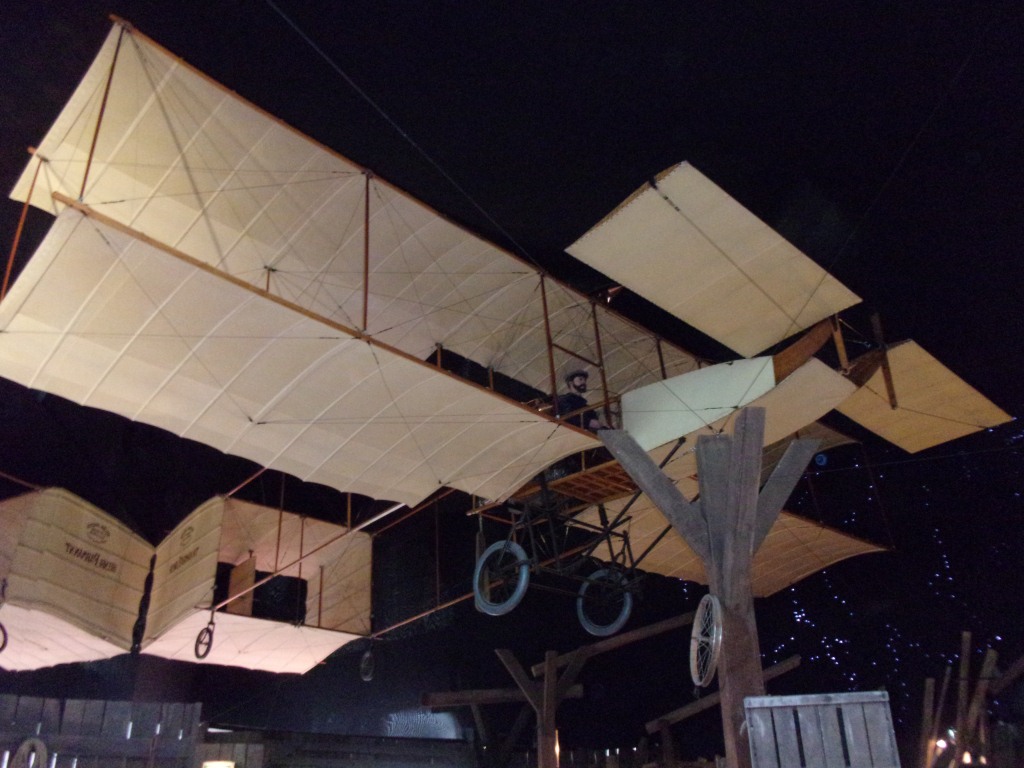
In this post I just wanted to leave a couple of pictures taken at the Musée de l’Air et de l’Espace (Le Bourget) showing a replica of that plane and an article appearing two days later in the L’Aerophile explaining the achievement (in French).

Article appeared on 15 January 1908 in L'Aerophile.

Article appeared on 15 January 1908 in L’Aerophile.

1907 Voisin-Farman biplane.

1907 Voisin-Farman biplane.

Leave a comment

Filed under Aerospace & Defence, France

Issy-Les-Moulineaux: cradle of European aviation

The city of Paris, among other things, can pride itself for the role it played in the early development of aerospace and aviation. In my opinion and to my knowledge there 3 or 4 quite important places in Paris where one can breath the history of those times, one of them is Issy-Les-Moulineaux. In a previous post I mentioned the space dedicated to the aviation history in the gallery of the village placed at the Musée Français de la Carte à Jouer.

Issy is a suburb just at the southwest of Paris, where the Périphérique crosses the river, south of the XV arrondisement.

At the turn of the XX century there was in Issy a military field dedicated to training. With the advent of aviation, that field started to be dedicated to aviation by the several pioneers who decided to relocate their activity there.

One of the images that symbolizes the French nascent aviation industry at the time is the one shown in the picture below. In it we can see Henri Farman (car racing pilot and aviator) flying the 1907 Voisin biplane winning the Archdeacon Prize for the first closed-circuit kilometer flight in Europe. That flight took place in the military field at Issy-Les-Moulineaux.

Henri Farman winning the Archdeacon Prize for the first closed-circuit kilometer flight in Europe (file from Wikimedia Commons, unrestricted picture belonging to the Library of the Congress).

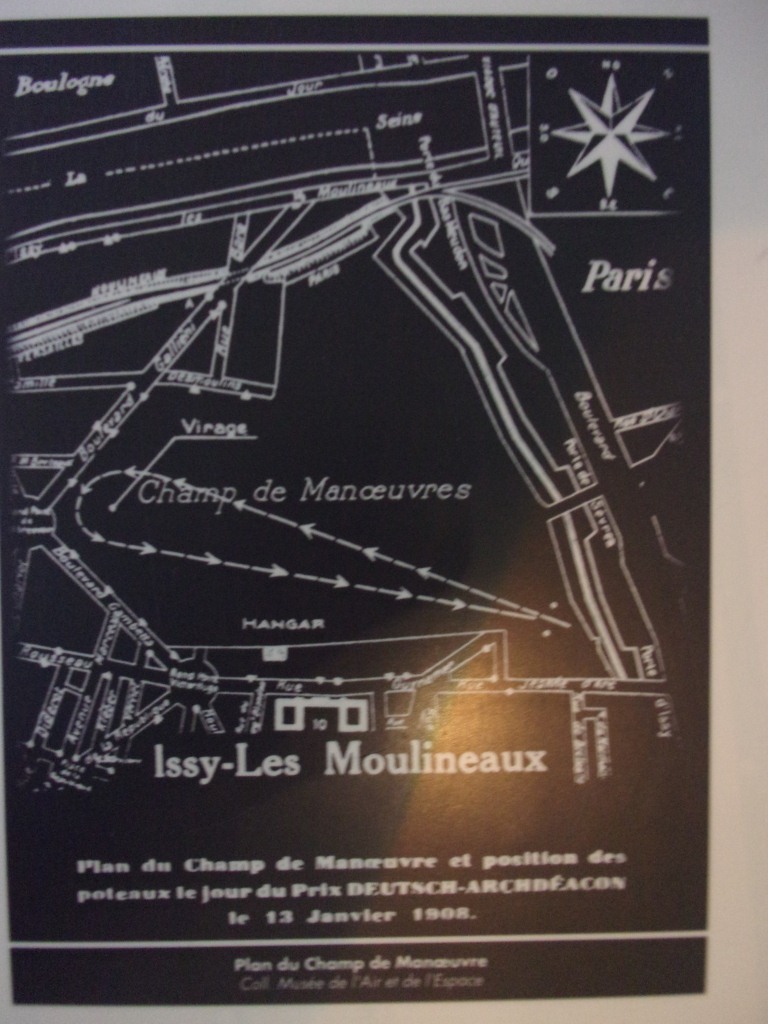
Circuit of the first 1km closed circuit flight at Issy.

Circuit of the first 1km closed circuit flight at Issy.

The circuit can be seen in the following graphic at the gallery of the village of Issy. The circuit was marked by 3 poles planted on the ground. Two poles marked the depart and arrival. One pole located at 500m marked the turning point.

The morning of of the 13th of January 1908, Farman took off with the Voisin biplane equipped with an Antoinette engine for a flight that lasted 1 minute and 28 seconds (thus at an average speed of 41 km/h). With this flight, Farman, won the Archdeacon Prize, which had been set back in 1904 by  Henri Deutsch de la Meurthe and Ernest Archdeacon, with an allocated sum of 50,000F.

In fact, apparently, Farman had achieved the feat already 2 days earlier, but it was only on the 13th of January that the flight was officially controlled by a commission from the Aero-Club de France (an institution created in 1898 to encourage the development of flight by individuals like Ernest Archdeacon, Jules Verne, André Michelin, Alberto Santos-Dumont, Henry Deutsch de la Meurthe among others).

In the picture with the circuit you may locate the aviation field by seeing the wind rose and the river Seine on the top of the image. Today, that field is the Heliport of Paris, the street surrounding it being called Rue Henri Farman.

That first closed circuit in Europe may be the most iconic image of Issy, but it was not the first happening nor the last aviation achievement that took place there, see some others below:

  • 1905 (March, 26): at the initiative of Ernest Archdeacon a glider type Wright, towed by a car, rose to about 10m.
  • 1906 (August, 18): the Romanian Traian Vuia flies for about 11-24m rising just 2.5m above the ground.
  • 1907 (July, 11): Louis Bleriot makes his first flight aboard his monoplan VI Libellule.
  • 1907 (November, 5): Léon Delagrange flies aboard a Voisin-Delagrange over 300m in a semicircle.
  • 1907 (November, 17): Alberto Santos-Dumont makes his first flight on the XIX Demoiselle.
  • 1910 (March, 9): Elise Raymonde de Laroche obtains her pilot licence, being the first woman in the world to receive one.
  • 1910 (June): the first metallic plane ever is tested in Issy.
  • 1911 (May): the raid Paris-Madrid was organized, with departure from Issy. Among the 8 pilots taking part in the race was Roland Garros. That day one of the airplanes suffered an accident when taking off, crashing against the authorities and killing the then French war minister, Maurice Berteaux.

It goes without saying, that this shall be a mandatory stop for any aviation enthusiast passing by Paris.

Aviation room at the Gallery of Issy (Musse de las Cartes a Jouer).

Aviation room at the Gallery of Issy (Musse de las Cartes a Jouer).

2 Comments

Filed under Aerospace & Defence, France

Musée de l’Air et de l’Espace (Le Bourget)

The Musée de l’Air et de l’Espace, in Le Bourget (north of Paris), is yet another great aerospace museum. It reminded me very much to the Aviodrome (The Netherlands) in the chronological point of view of the visit and the local aspect to it (1), paying special attention to French aviation pioneers, flying aces, French fighter aircraft, etc. This is possible, as the role France has played in the development of aviation is, no doubt, crucial.

You may see the distribution of the museum and its galleries in the plan below:
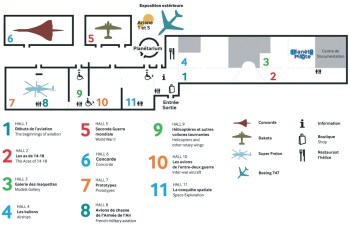
Plan of the museum.

Plan of the museum.

I will now list some of the things that in my opinion make this museum unique (I will leave some anecdotes or details to future blog posts), accompanied by the respective pictures.
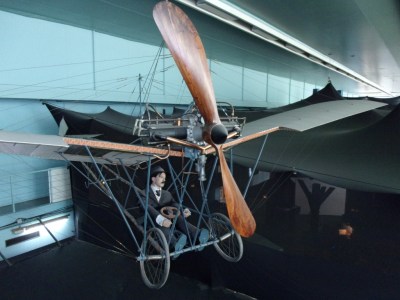
Model of Alberto Santos Dumont's Demoiselle (1908).

Model of Alberto Santos Dumont’s Demoiselle (1908).

Alberto Santos-Dumont was a Franco-Brazilian aviation pioneer (2) who with his 14-bis, “Oiseau de proie“, on the 23rd of October 1906, in Paris, performed the first officially witnessed unaided takeoff and flight by a heavier-than-air aircraft. In the picture above you can see him aboard another of his early models, a Demoiselle from 1908.
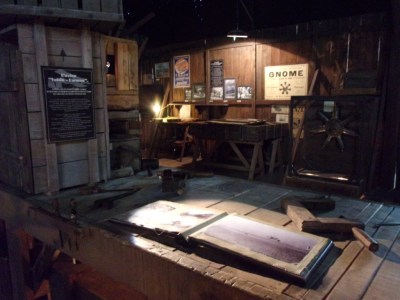
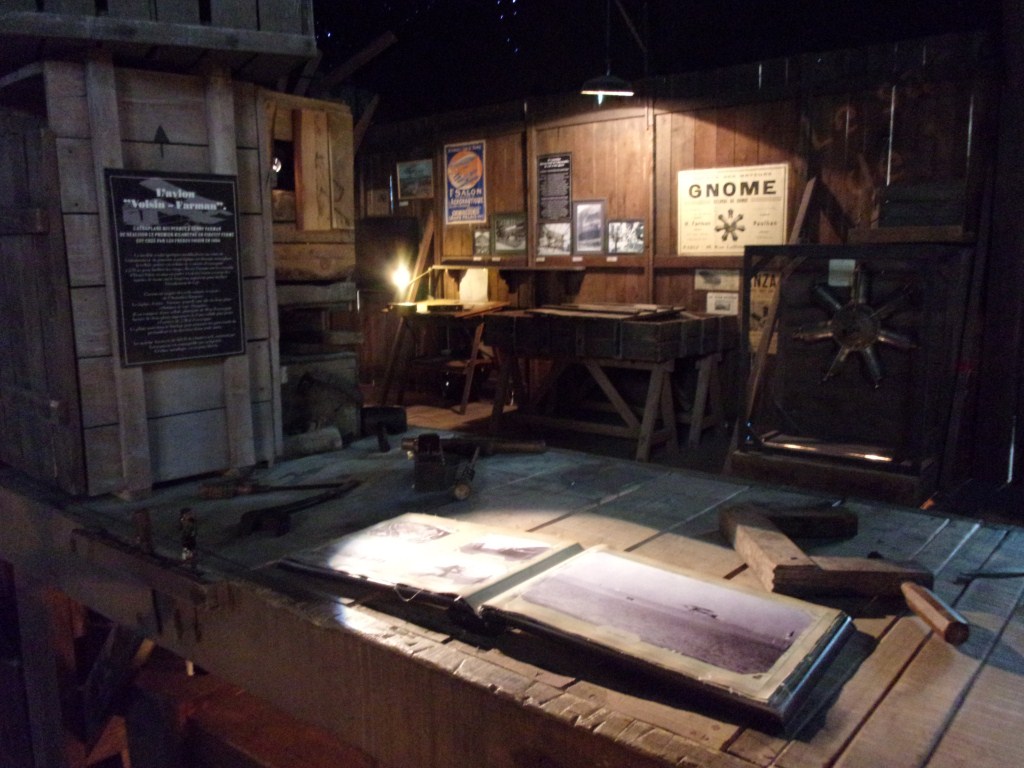
Workshop of the brothers Voisin (L’Atelier des Freres Voisin),

Workshop of the brothers Voisin (L’Atelier des Freres Voisin).

Some of the construction pioneers at the time were the Voisin brothers. The museum has model of how an aircraft construction workshop could look like at the time, “L’Atelier des FrèresVoisin” (this reminded me of the William E. Boeing Red Barn at the Museum of Flight in Seattle, see a post about it here).
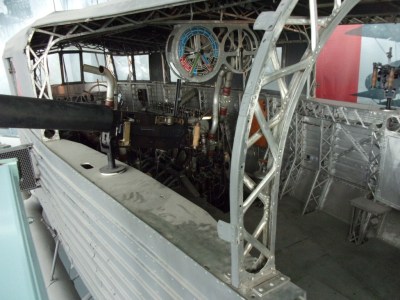
 

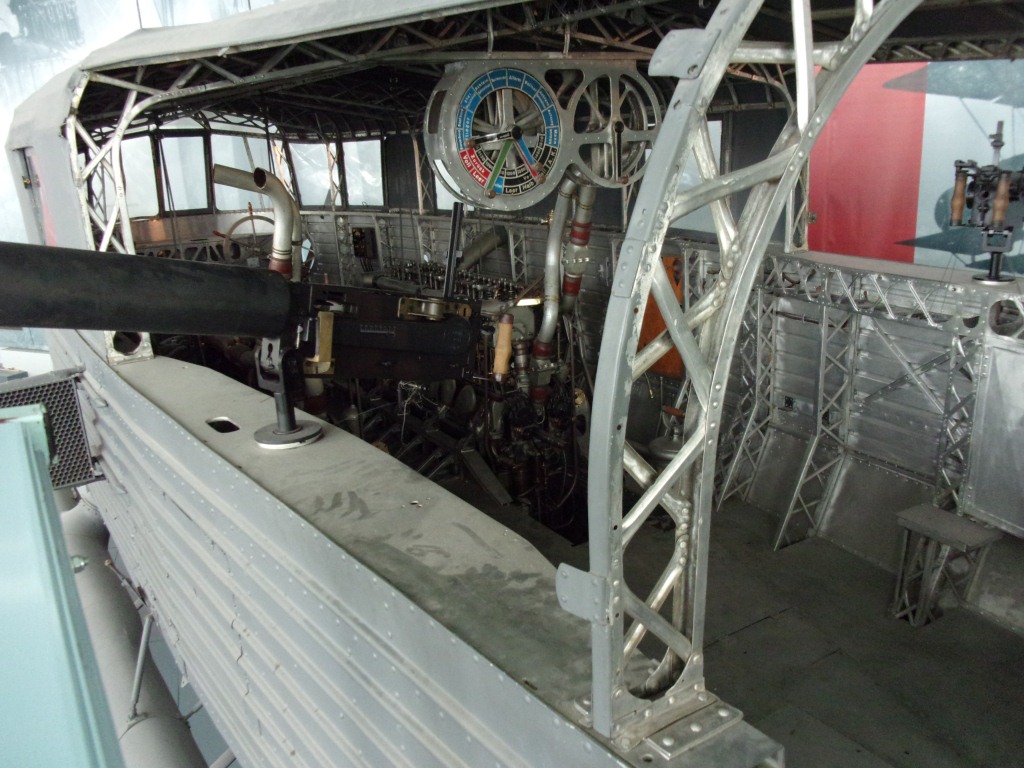
Nacelle of a dirigible  Zeppelin LZ 113.

Nacelle of a dirigible Zeppelin LZ 113.

Not everything in aviation are heavier-than-air machines, above you can see the inside of a nacelle of a Zeppelin LZ 113 used in war operations.

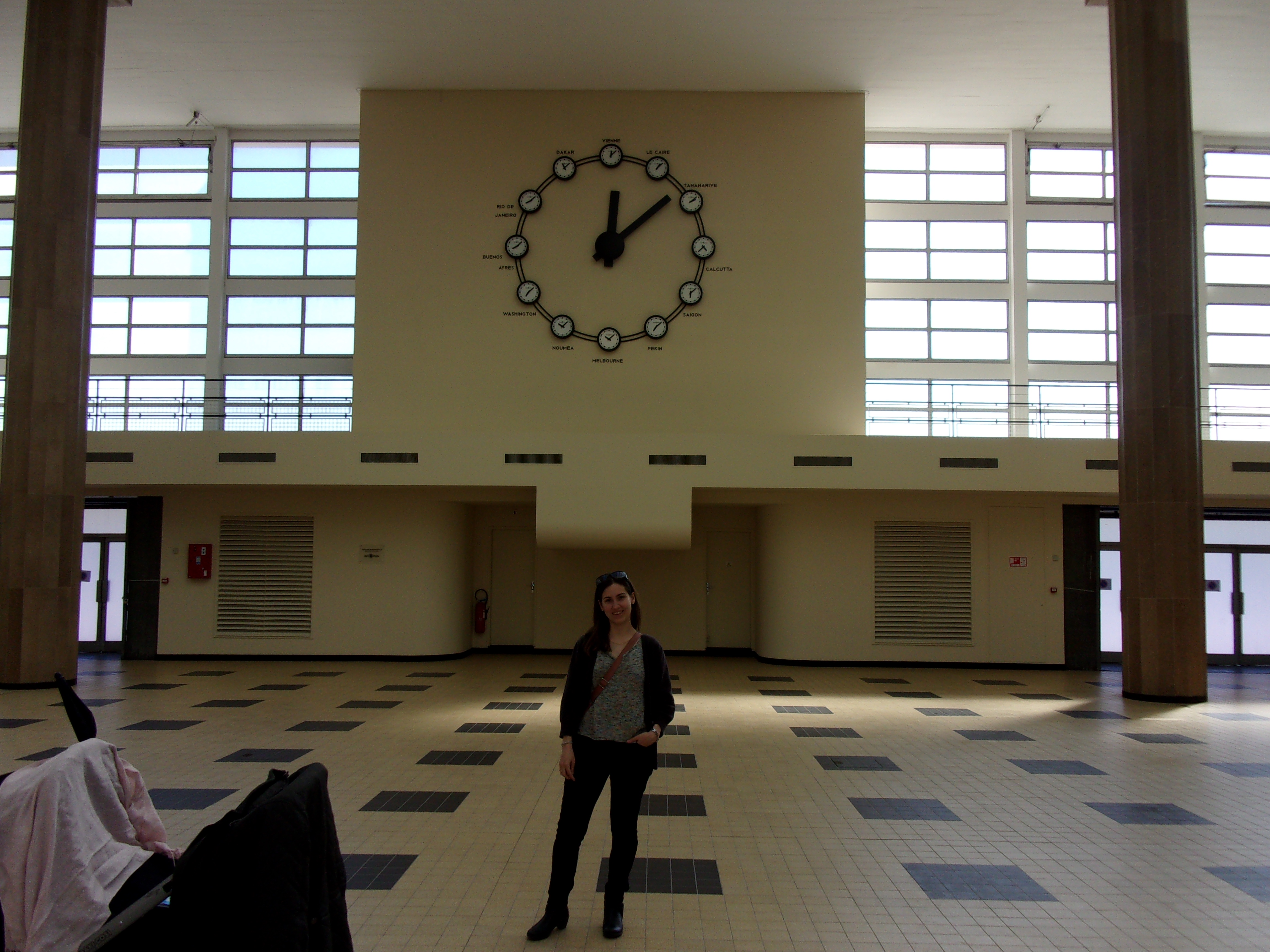
Old Le Bourget airport hall ("8 columns hall").

Old Le Bourget airport hall (“8 columns hall”).

Le Bourget was the first civil airport in Paris, opened in 1919. It was in Le Bourget where Charles Lindbergh landed his Spirit of Saint Louis in on the 27th May 1927 when he first crossed the Atlantic Ocean. The museum today occupies part of the old airport. In the picture above you may see the main hall, designed by the architect Georges Labro in a tender made in 1935 the ministry of aviation. The building was inaugurated in 1937 (this hall reminded me of Berlin Tempelhof, you may see a post I wrote about it here).
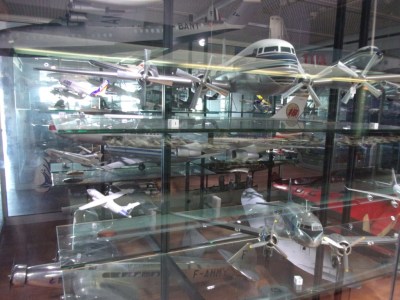
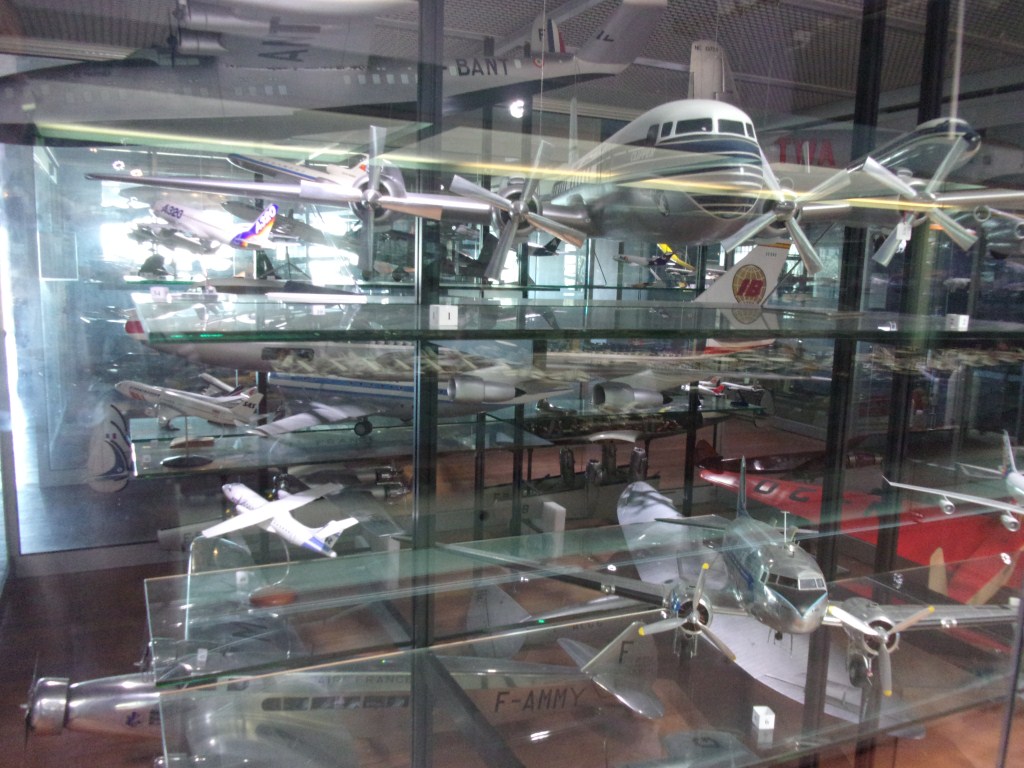
Models gallery.

Models gallery.

The museum includes an aircraft models gallery. As a collector of models, I liked to spend some time wandering through these models. It also helps to test your own capabilities as a spotter without having to walk or wait a lot.

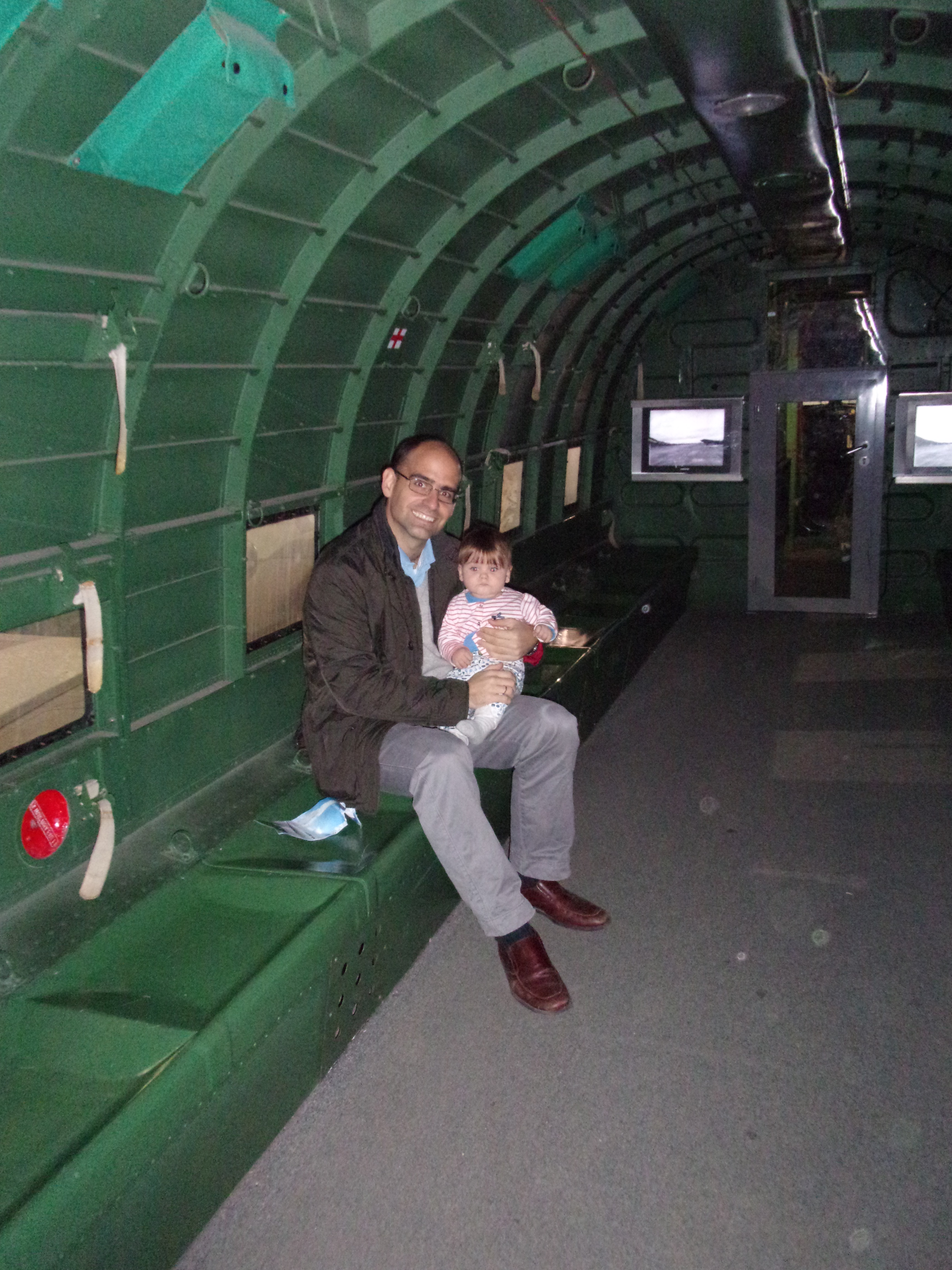
Inside a C-47 Skytrain Dakota

Inside a C-47 Skytrain Dakota.

In this museum you can get on board a C-47 Skytrain (Dakota being the British designation for the airplane). I believe this was the first time I was inside a DC-3 (an aircraft of which importance to aviation cannot be overstated (3)), as if I remember well, in the Aviodrome you could get inside a DC-2 not -3.
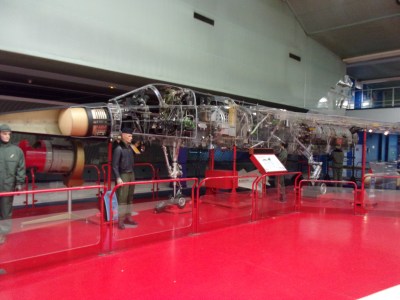
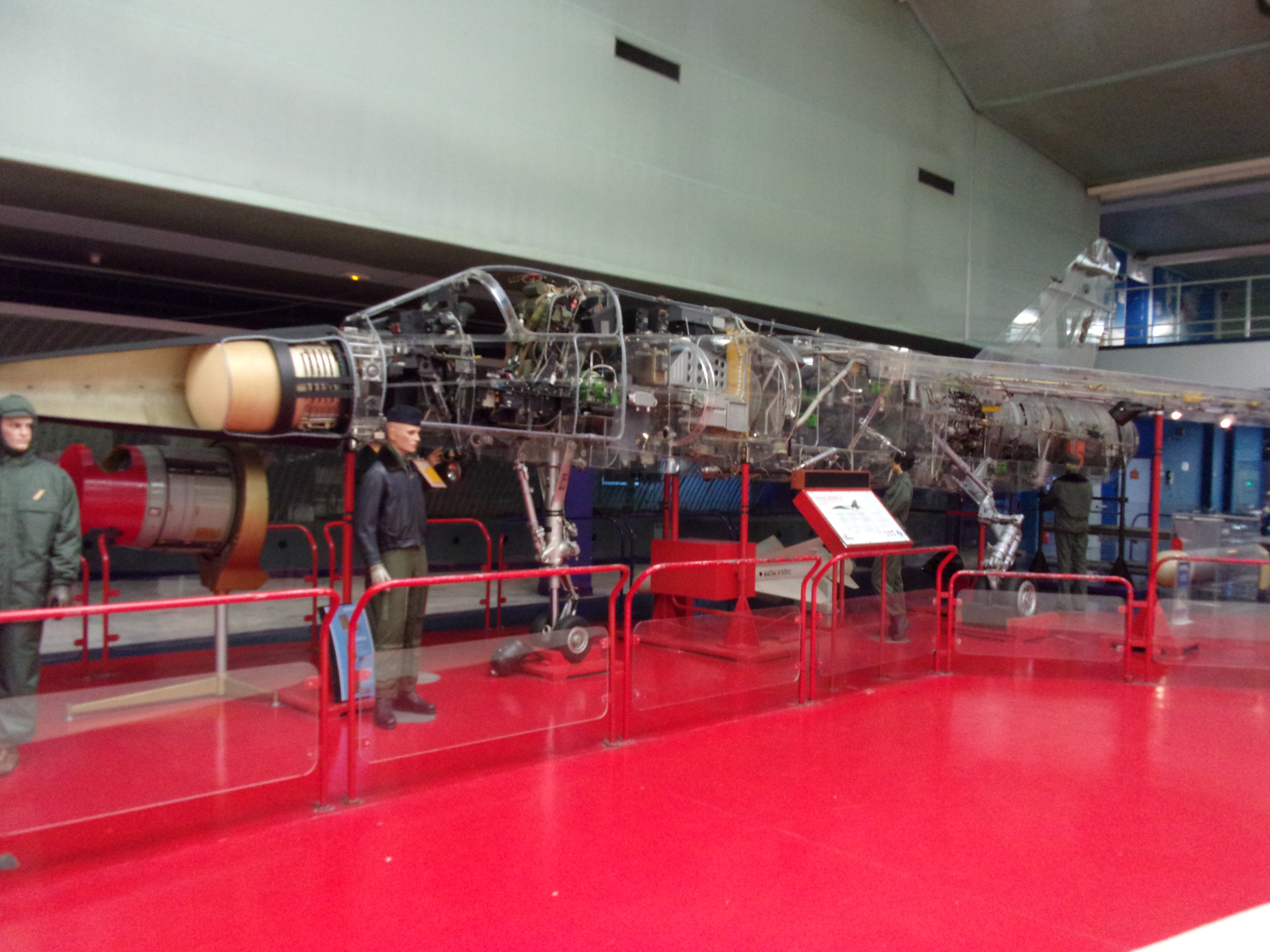
Cut out of a Dassault Mirage F1.

Cut out of a Dassault Mirage F1.

In other museums I had seen cut outs of engines, here in Le Bourget you may see a full size cut out of a Dassault Mirage F1, a wonderful entertainment for engineers and aviation enthusiasts.

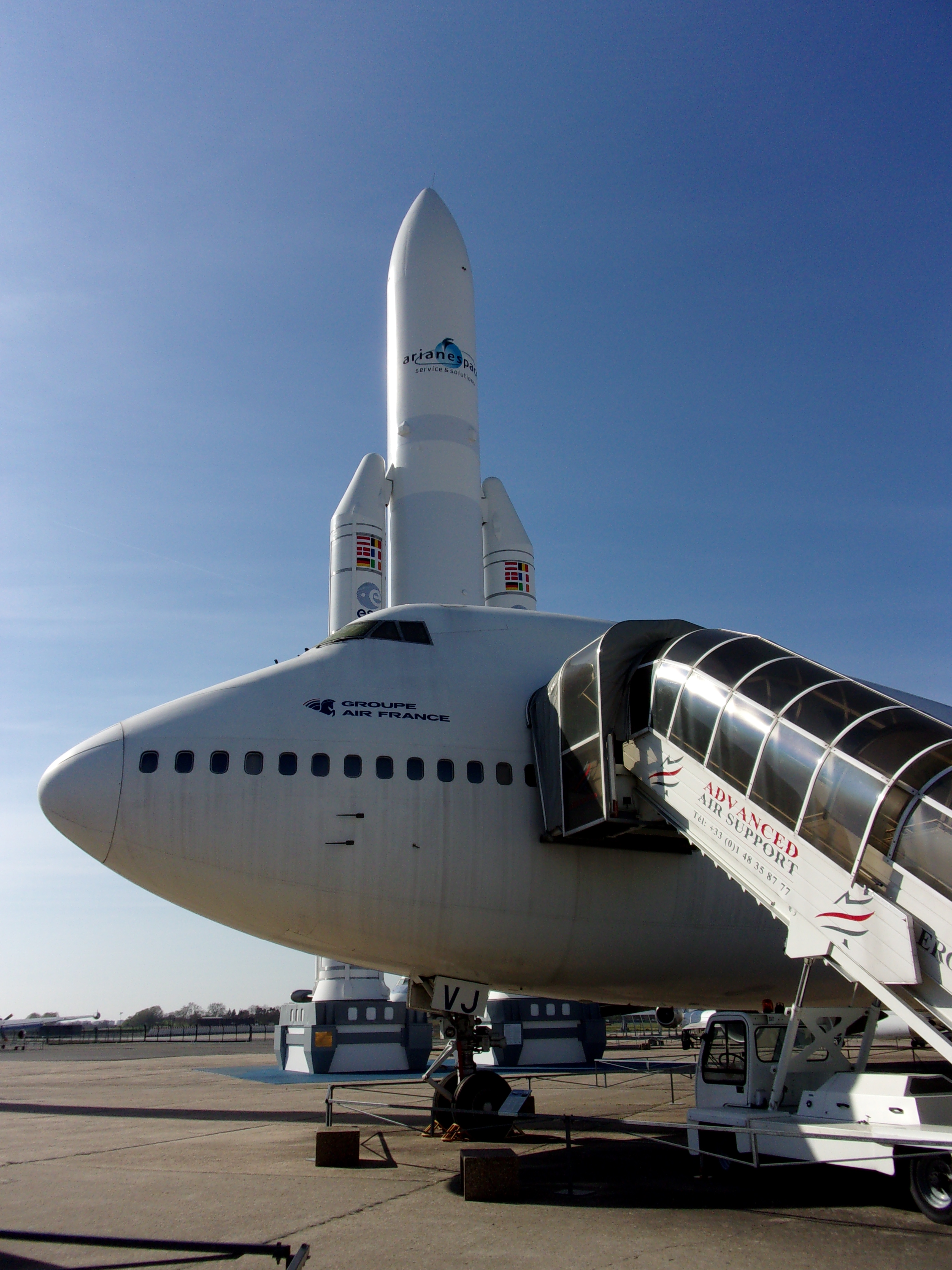
747 and Ariane 5

747 and Ariane 5.

In Le Bourget you can see replicas of the Ariane 4 and Ariane 5 (4). That allows you to get a picture of both in the same frame or to get them with a Boeing 747, as pictured above.
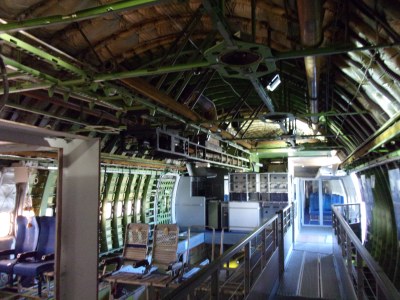
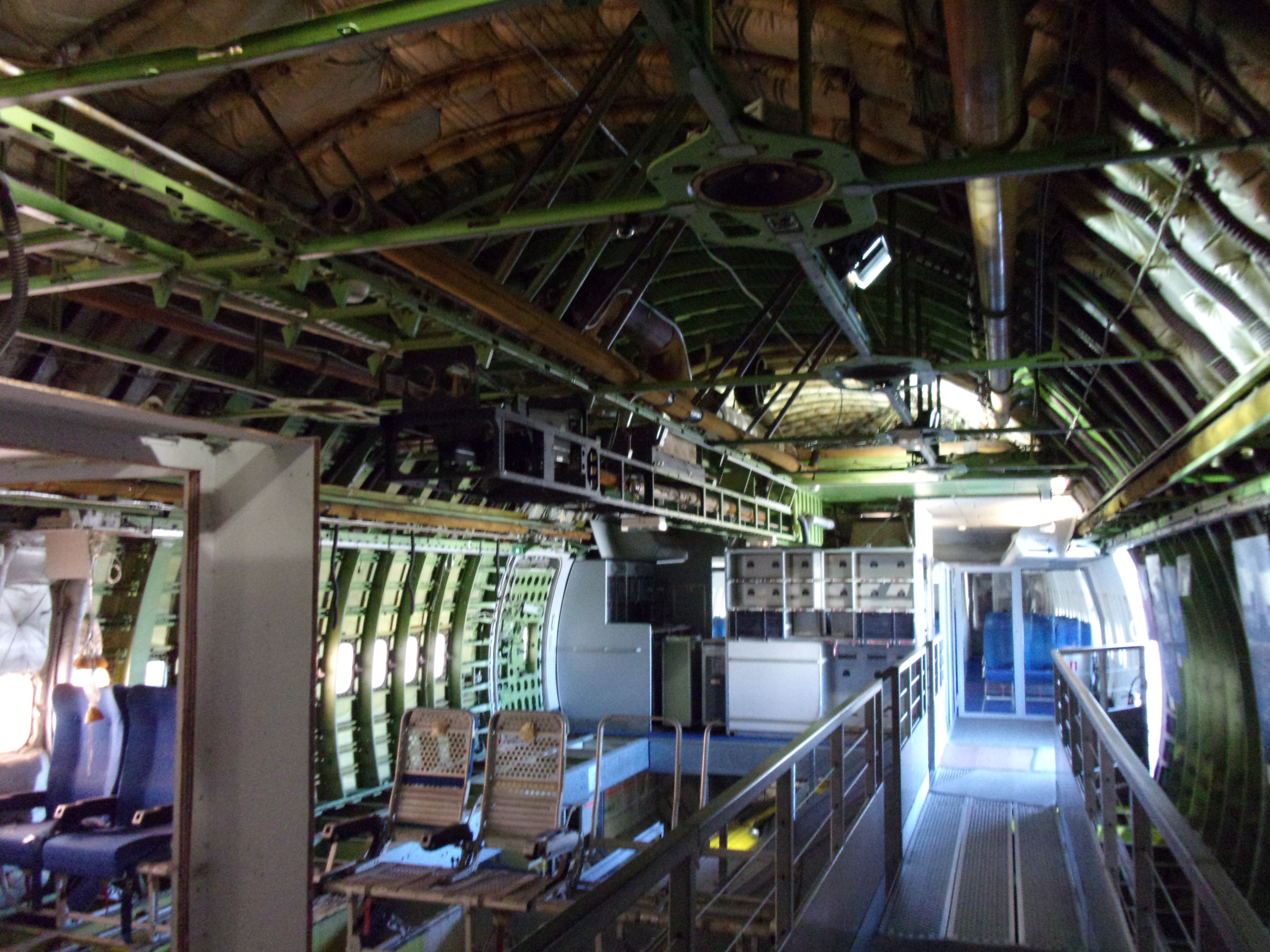
Inside of a Boeing 747 cut out.

Inside of a Boeing 747 cut out.

The Boeing 747 is legendary aircraft in itself (5) and the chances of flying in it are decreasing by the year as more airplanes are being retired from service. In Le Bourget, you get the chance to see it really from the inside, as parts of it are really cut out so you can admire its structure, systems, etc.
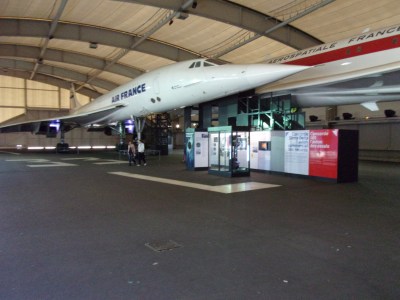
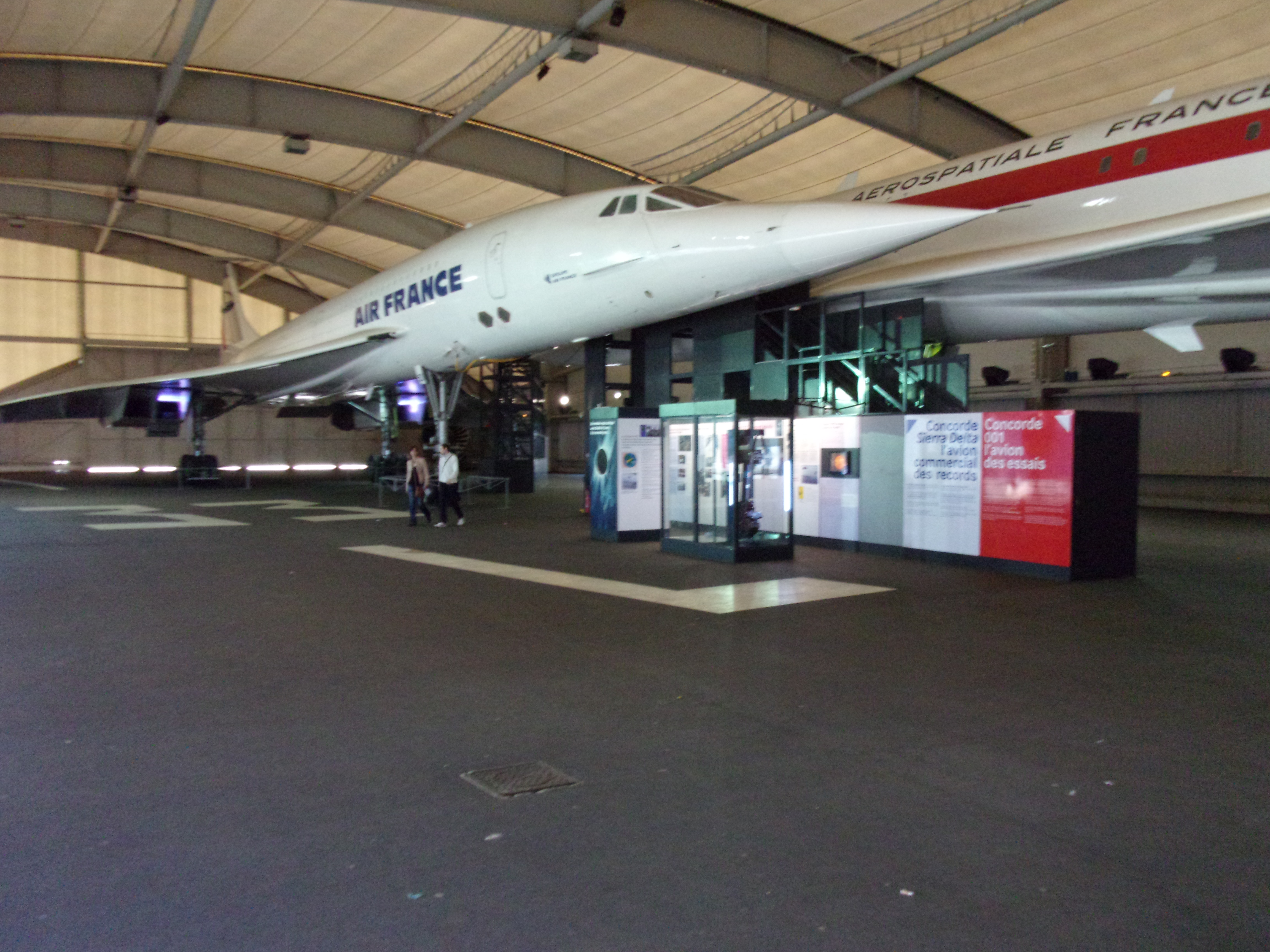
Concorde: prototype 001 and series airliner.

Concorde: prototype 001 and series airliner.

Some museums around the world have the Concorde as a highlight. In some of them you may get into it. Here in Le Bourget you may get into 2, one of them being the prototype 001, where you can see some flight test installations used for different experiments made with it.

I definitely recommend to visit this museum if you happen to be in Paris. It is located at Le Bourget airport and the entrance is free of charge. A ticket to get into some of the aircraft (747, Concorde, C-47) is sold for 8 euros. I would suggest to take no less than 4 hours to visit the museum.

(1) In the Aviodrome the local focus is put into the figure of Anthony Fokker.

(2) See in this post a review of French aviation pioneers.

(3) See more of the DC-3 in this post that a wrote as a tribute to Douglas Aircraft Company.

(4) So far, I had only seen a replica of the Ariane 5 at the Cité de l’Espace in Toulouse, see here a post I wrote about it.

(5) See here a book review I wrote about “747” by Joe Sutter, the programme chief engineer.
5 Comments

Filed under Aerospace & Defence, France

Société des moulins de Bazacle

The Vereenigde Oost-Indische Compagnie (VOC) or the (United) Dutch East India Company is widely regarded as the first company to have issued stock. It was at least the only company traded at the time in Amsterdam stock market at the Dam, what is regarded as the first ever stock market. I wrote about it in the review of the bookConfusión de Confusiones” by José de la Vega (Confusion of Confusions in English).

However, I had read some time ago about the Bazacle in Toulouse, and a disputing argument behind it. I went to visit it this weekend, in order to learn more from it.

The word bazacle in French means ford, or a shallow place in a river where one can easily cross it. The Bazacle in Toulouse is located at a place where the river Garonne makes a turn to the left, becoming quite wide and shallow. Apparently in ancient times, it bifurcated in several branches and people did use to cross the river there. Some time later a bridge crossed the river at that location.

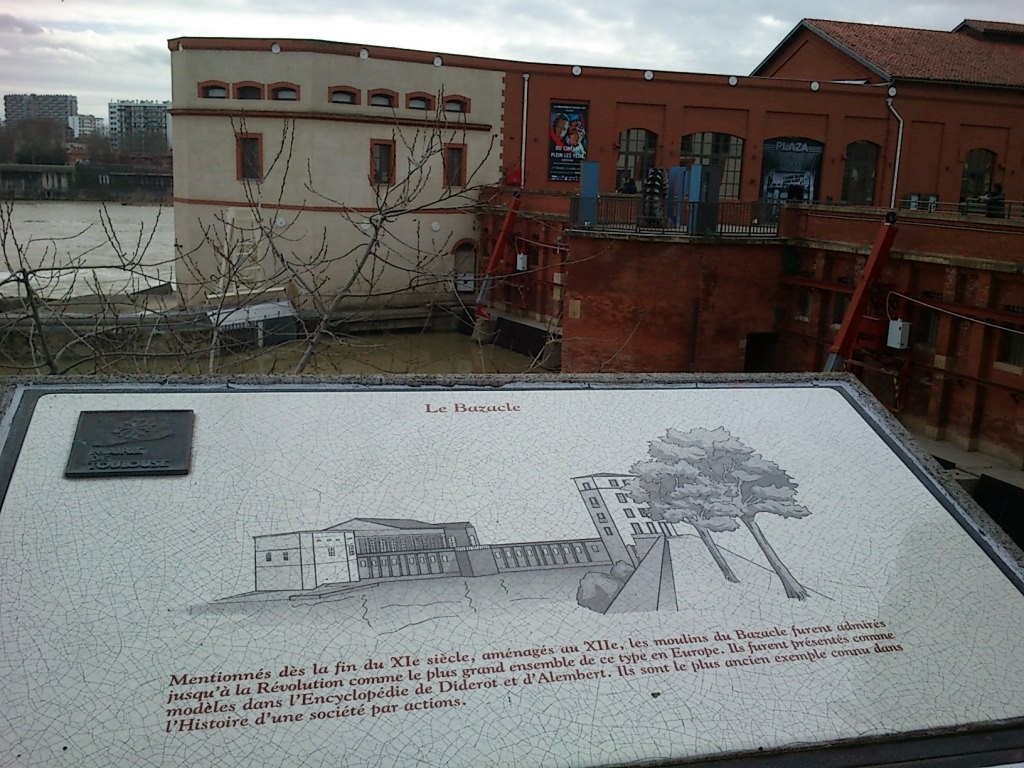
View of The Bazacle, Toulouse.

View of The Bazacle, Toulouse.

At the end of the XII century, permission was granted to build a sort of dam and some mills. Those mills, according to the sign post outside of the Bazacle (see the picture above) were widely admired up to the French Revolution, being regarded as the largest of the type in Europe and appearing in the encyclopedia of Diderot and D’Alembert.

The argument in dispute comes next: the Société des moulins de Bazacle was financed by an association of noblemen who shared the profits of the company. Thus, this company is also regarded as the most ancient joint-stock company. The shares from the company could be traded at the market Toulouse, their value fluctuating and depending on the yields of the mills. Shouldn’t then be Toulouse regarded as the first stock market ever?

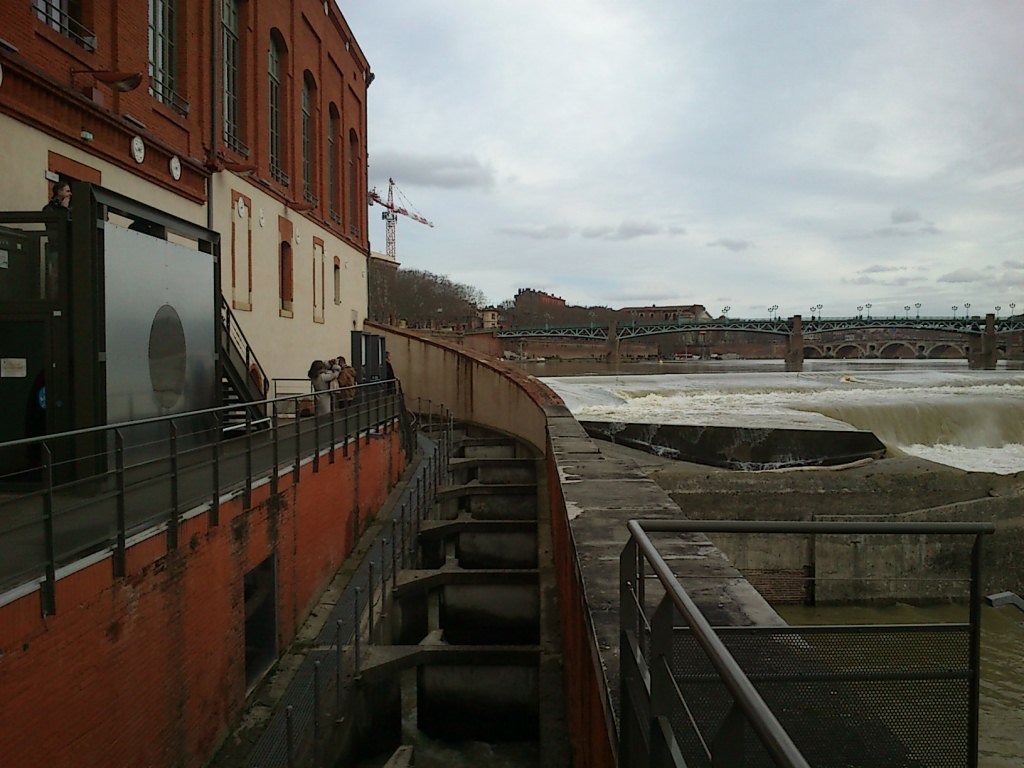
The Bazacle Milling Company ceased to exist in 1946, when it was acquired by EDF, French national electricity company. The Bazacle today has a museum on the use of water, energy, origin of electricity, etc., hosts temporary art exhibitions and has as a main attraction a fish ladder, permitting migratory movements of some species.

View of the Bazacle, its fish ladder and the river Garonne.

View of the Bazacle, its fish ladder and the river Garonne.

Leave a comment

Filed under France, Investing

Boulevards de Colomiers 2013

Colomiers is a village close to Toulouse. Today, I went there to take part in the race “Boulevards de Colomiers”, over 10km. Last year, I had already taken part in it, where I achieved my personal best over that distance with 46’14” (despite of the problems I had at the time with the Achilles tendon).

Posing with Andre prior to the start.

Posing with Andre prior to the start.

This year, I had in mind to follow the 45′-pacer as far as I could to break a new personal best. So from the start I followed the pacer, together with my co-worker Manuel. The weather was a bit hot and sunny, I would have preferred it colder and cloudy, thus I tried to take a bit of water in each of the water supply points, to ensure I was well hydrated.

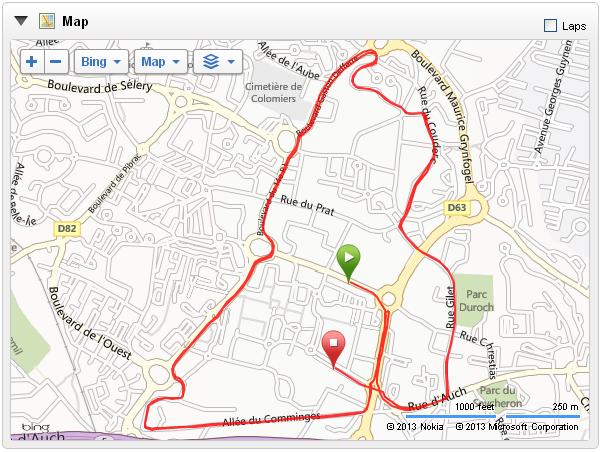
Boulevards de Colomiers 10k circuit.

Boulevards de Colomiers 10k circuit.

The race had 2 laps around a 5k circuit in the centre of the village. I tend to like this kind of races as then in the second half one can know what to expect (where the water stations are, sharp turns, small hills…). I was following more or less comfortably the pacer up until the 7th kilometre.

Running at about 5k.

Running at about 5k (see the pacer with the blue balloons, I am in the centre with the yellow t-shirt, picture taken by Luca).

I found it not so easy to keep up the pace from the 8th to almost the end. I think it is mostly a psychological issue: the knowing that there is only 1 kilometre to go, that you are already going to beat the PB, etc., make the brain to send signals to the muscle in the way of “it’s ok, you can relax a bit, it’s done”

Then I saw the shop where we used to rent skies, knew that there were less than 400m to go and kept the effort up, at that point the pacer slowed to look and cheer up at the pack of runners that were following him (thanks!) and there we went for a last sprint.

I finished in 44’28” as recorded by my Garmin, setting a new Personal Best with a margin of 1’46” under the previous one. I’m very happy for that, thus I celebrated it taking this other picture:

Posing with Andrea after having finished.

Posing with Andrea after having finished.

5 Comments

Filed under France, Sports

Chaudes-Aigues and Trail des Capucins

Some weeks ago Luca and I spent a weekend in the Central Massif in France, a plateau the size of Castile and Leon, with an average height of around 600m.

On Friday we went to Chaudes-Aigues where we wanted to spend the saturday in a spa. The village, in the region of Auvergne, has less than 1,000 inhabitants, a couple of hotels and restaurants and its famous for its hot springs. With over 30 different springs starting from 45ºC to 82ºC, the latter is supposed to be one of the hottest ones in Europe (if not the hottest as proudly announced in the signpost close to it).

spring

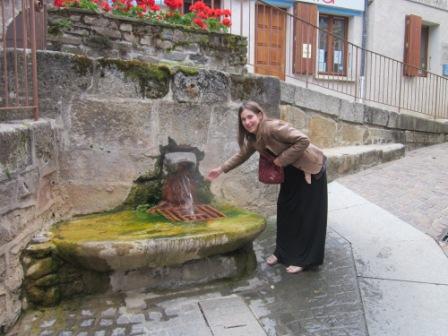
Luca by the 82ºC hot spring in Chaudes-Aigues (arguably the hottest in Europe… the spring as well).

Another curious thing of Chaudes-Aigues is a network of hot water going through private houses built back in the year 1,332, which is still working today though only in those original houses.

On Sunday morning, we woke quite early to cover the distance to Nasbinals, another little commune in the region of Aubrac where I wanted to run a ~18km trail.

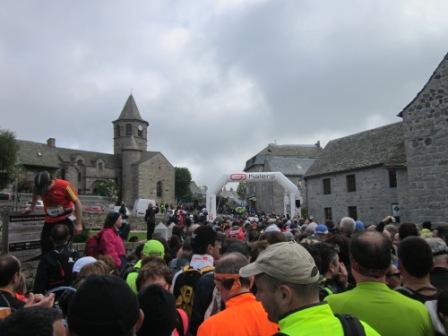
Start line of the trail.

Start line of the trail.

I started the trail in the back of the pack so I took the first kilometres without stress trying to run with the crowd and only overtaking other runners where possible and moderately easy. In that way I could enjoy at some points the views offered by the circuit of the trail, which at points was through closed forests but at some others was through open countryside.

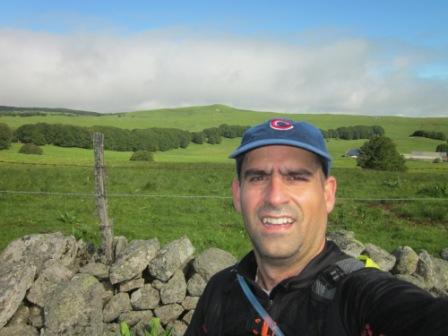
Fields of Aubrac.

Fields of Aubrac.

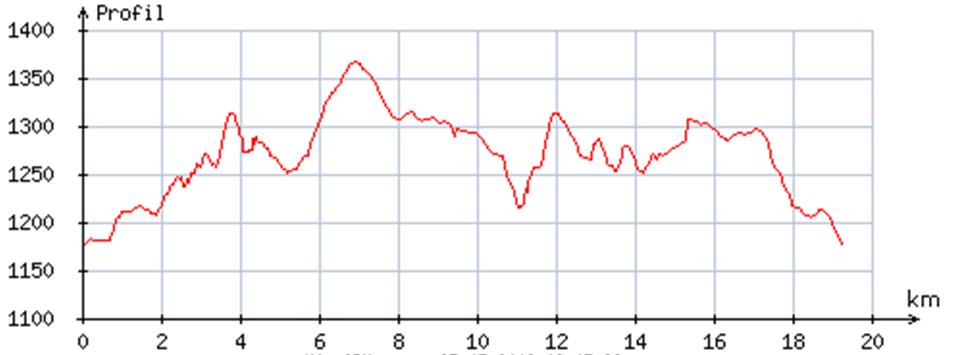
I was running with the water bag and carried some vanilla-flavoured energetic gels, so I did not have any problems with supplies, I didn’t need to use those provided by the organization. One good point of the trail is that the route was very well marked, however, the measuring of the distance wasn’t. The trail was supposed to be 18 kilometres long, and when my GPS-watch indicated 17.75km I saw a signpost saying “Arrivée 2 km”. In the end I measured 19.60 km, but I guess the organization knows this, as in their own web, when showing the altitude profile, the distance they have measured is clearly over 19km.

Profile of the race “Trail des Capucins” (over 19km instead of the announced 18km).

Profile of the race “Trail des Capucins” (over 19km instead of the announced 18km).

It is not such a big issue, though you may have been managing your strength resources to have a last good kilometre and instead you find out that there are still 2 more to go! It would be as easy as to announce the trail as a 19km or 19.6km instead of 18km.

In the end it took me over 2 hours and 12 minutes, and ended the 255th out of 810 runners. A good run for a Sunday morning.

Even if not of very good quality, you can find below a short video I recorded around the 8th kilometre to give a glimpse of how these trails are:

I uploaded the video

Leave a comment

Filed under France, Sports, Travelling