Tag Archives: Loire valley

Château du Clos Lucé (Amboise): Leonardo da Vinci’s last home

This is a post about the Château du Clos Lucé in Amboise, the place where Leonardo da Vinci spent his last three years (1516-1519) and where he died, a guest of King Francis I, who had appointed him “premier peintre, ingénieur et architecte du roi” (“first painter, engineer and architect to the king”).

I first visited it with the family in December 2018, during a Christmas road trip to The Netherlands with a stop over in the Loire. We returned in late October 2025, seven years later.
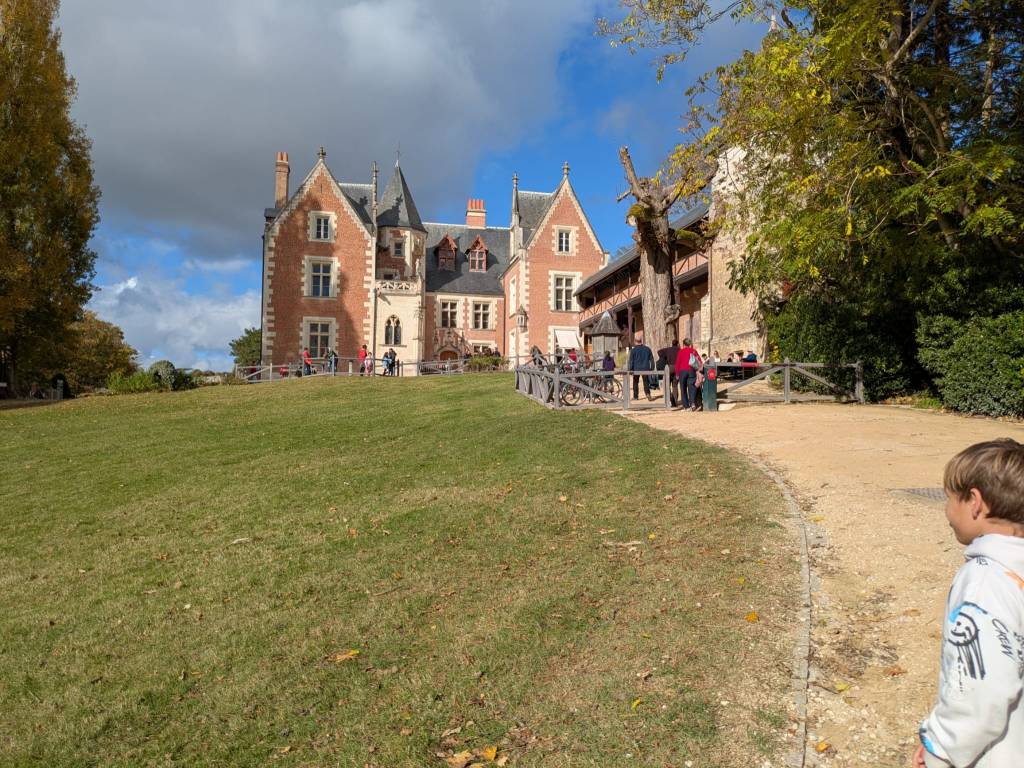
The château, built of pink brick and tuffeau stone.

The estate was given by Louis XI to Étienne le Loup in 1471, who built the manor then known as Château du Cloux. In 1490 it was bought by Charles VIII and became a summer house of the kings of France; Louise of Savoy, regent of France, raised her children there, among them the future Francis I. In 1516, after the death of his patron Giuliano de’ Medici, Leonardo accepted the king’s invitation and travelled to France with a few pupils and three of his paintings, including the Mona Lisa.

The château stands about 400 metres from the royal Château d’Amboise, and the visit shows the entrance to an underground passage that connected the two. Legend has it that Francis I used it to visit Leonardo.

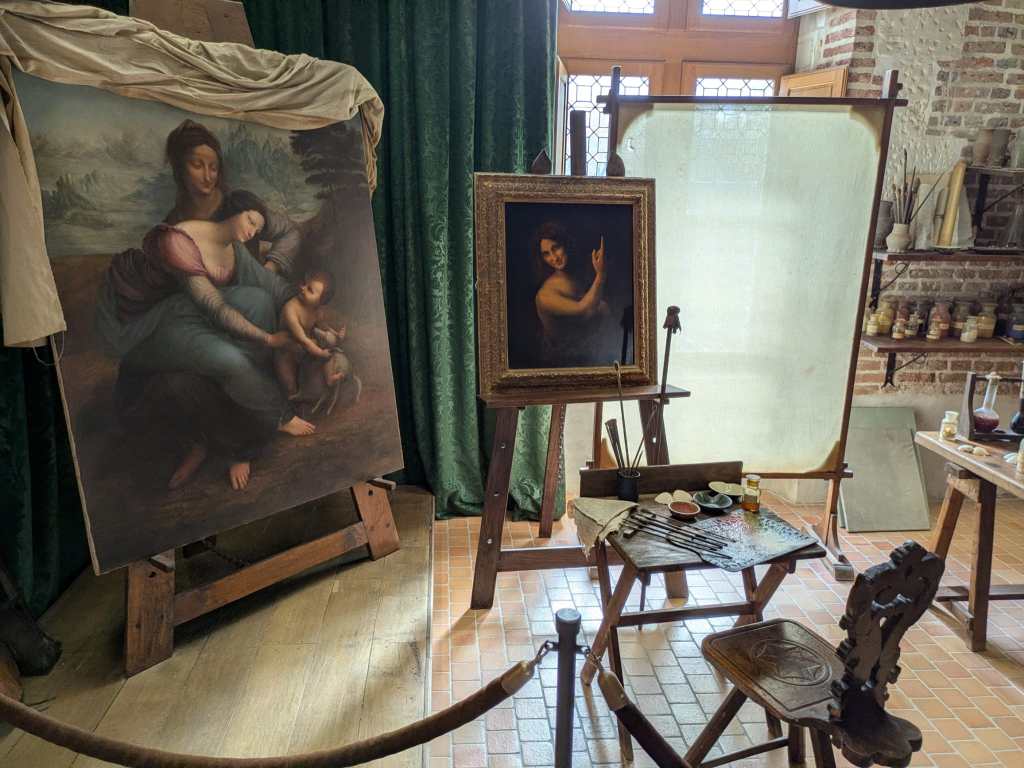
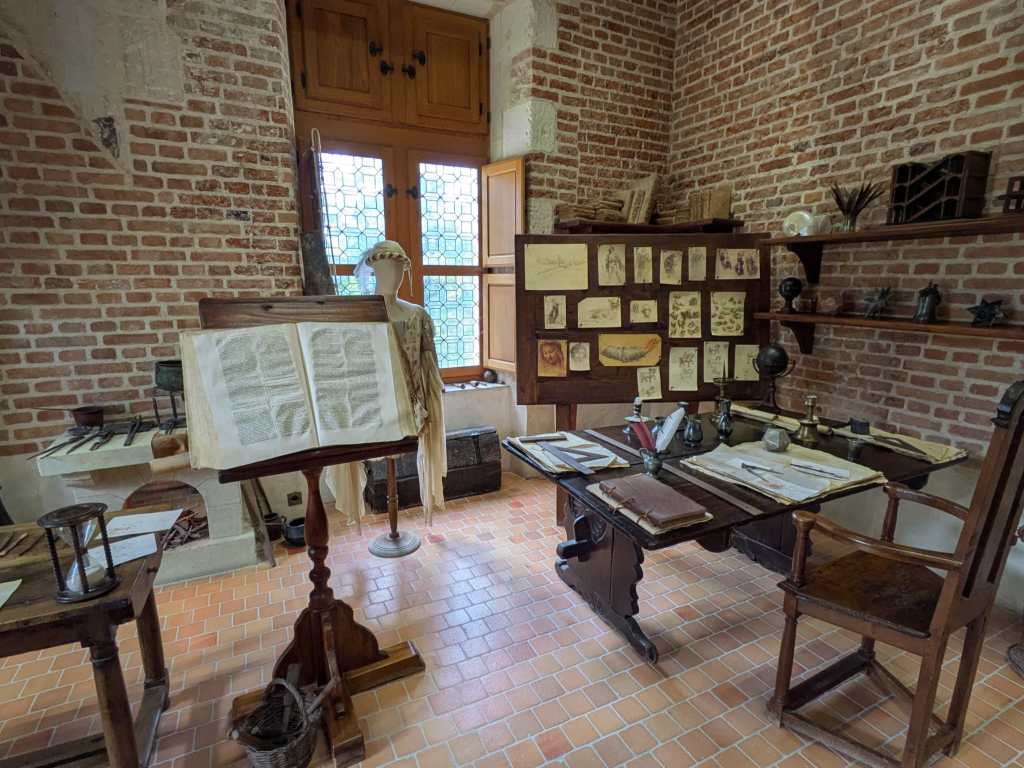
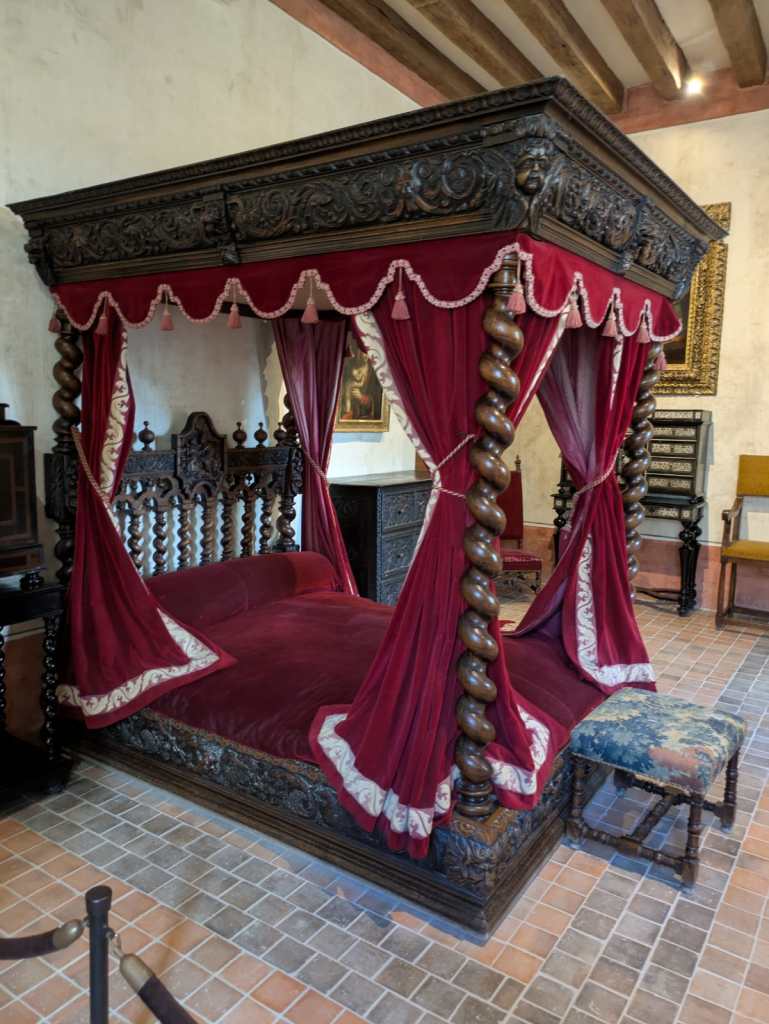
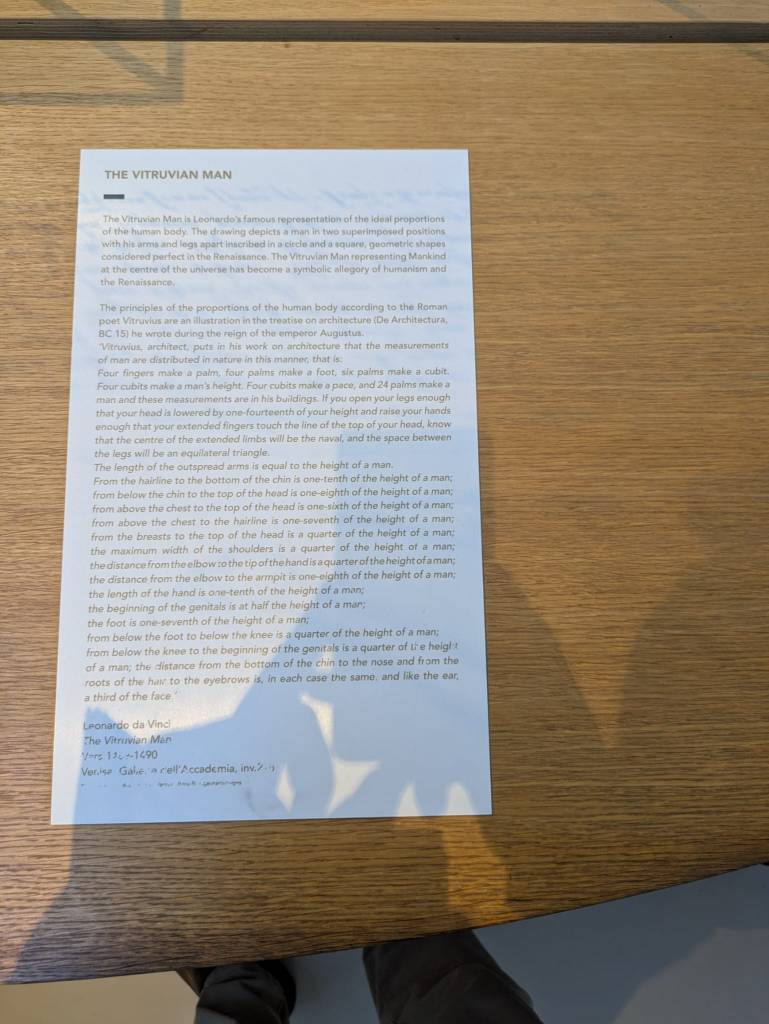
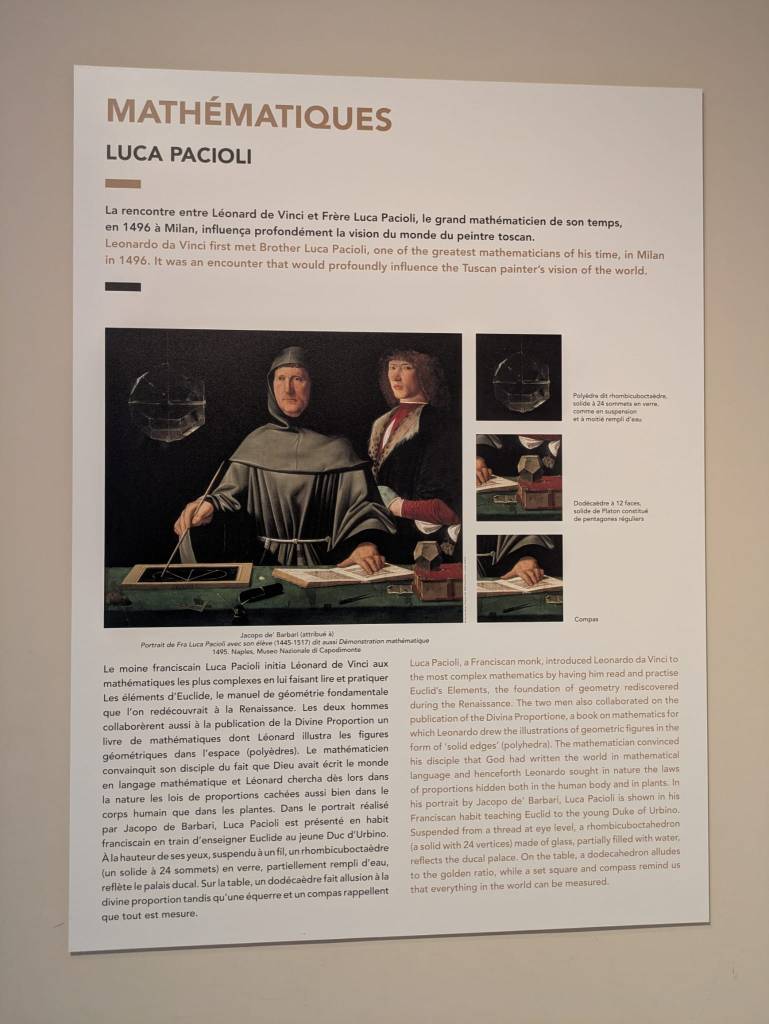
Today Clos Lucé is a museum dedicated to Leonardo. The bedchamber, the studio (bottega) and the study are evocations decorated with period furniture, as no description of his rooms has survived. The museum holds a collection of 40 models built from his drawings, didactic panels (the Vitruvian Man, his encounter with the mathematician Luca Pacioli…), immersive projections of his works, and a hologram recreating the visit of Cardinal Louis of Aragon: thanks to the account of the cardinal’s secretary, Antonio de Beatis, we know that the Mona Lisa, the Virgin and Child with Saint Anne and the Saint John the Baptist, all three now at the Louvre, were kept here at the time.
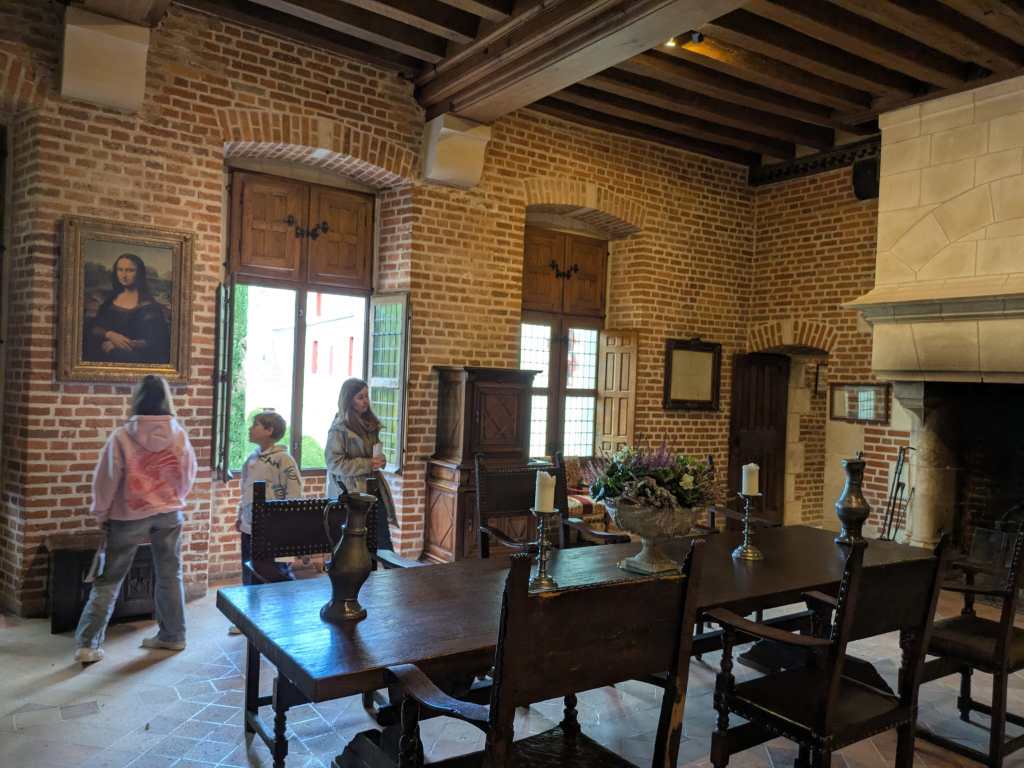
The great hall, furnished in period style; on the wall, a copy of the Mona Lisa.
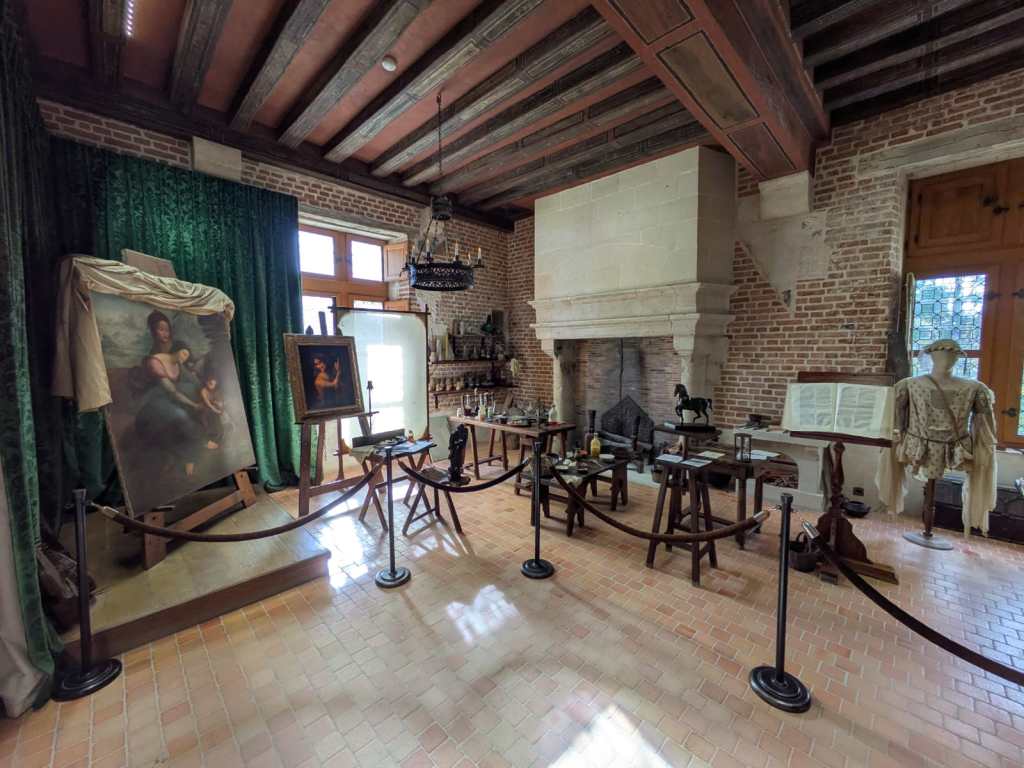
The studio or bottega, with copies of the Saint Anne and the Saint John the Baptist on the easels.
Brushes and pigments in the studio.
The study.
The bedchamber and the bed where Leonardo passed away.
Panel on the Vitruvian Man.
Panel on Luca Pacioli, who introduced Leonardo to mathematics in Milan in 1496.
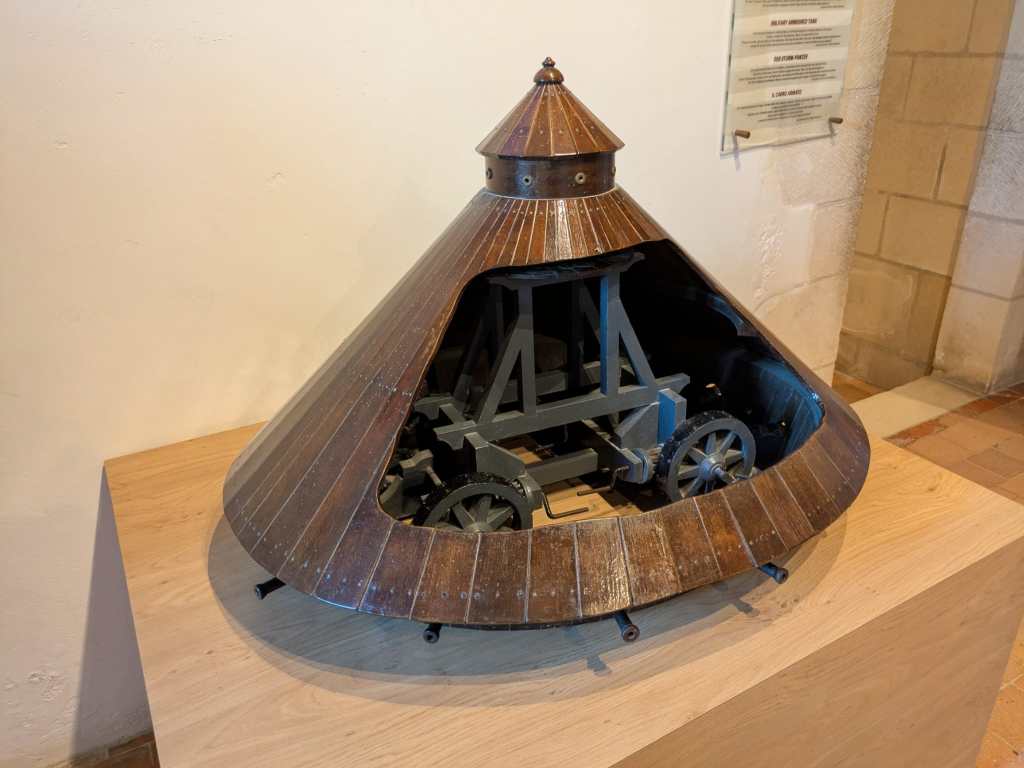
Model of the armoured vehicle.
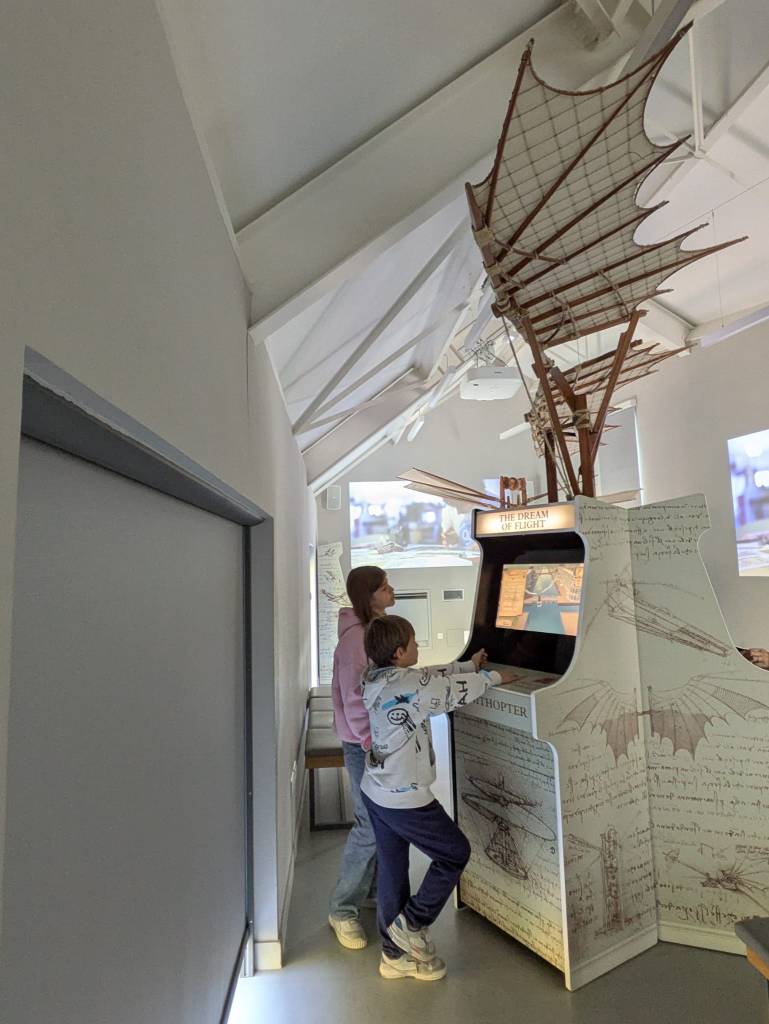
“The dream of flight”: the kids try out an ornithopter.
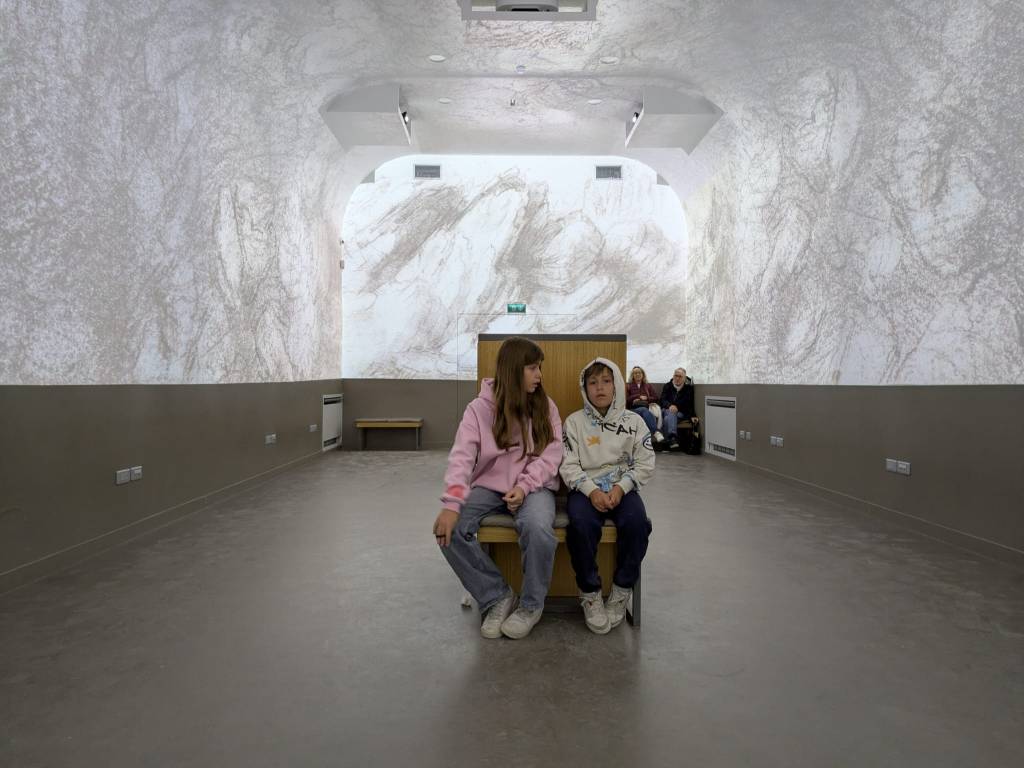
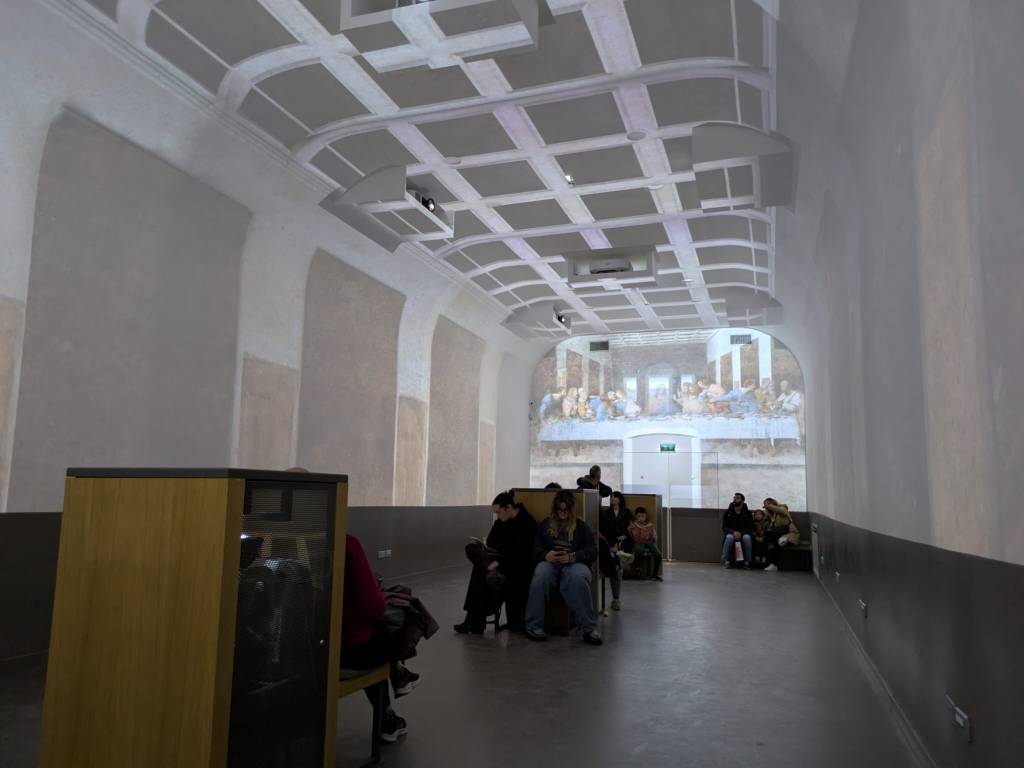
The immersive projection room.
The Last Supper, projected in the immersive room.
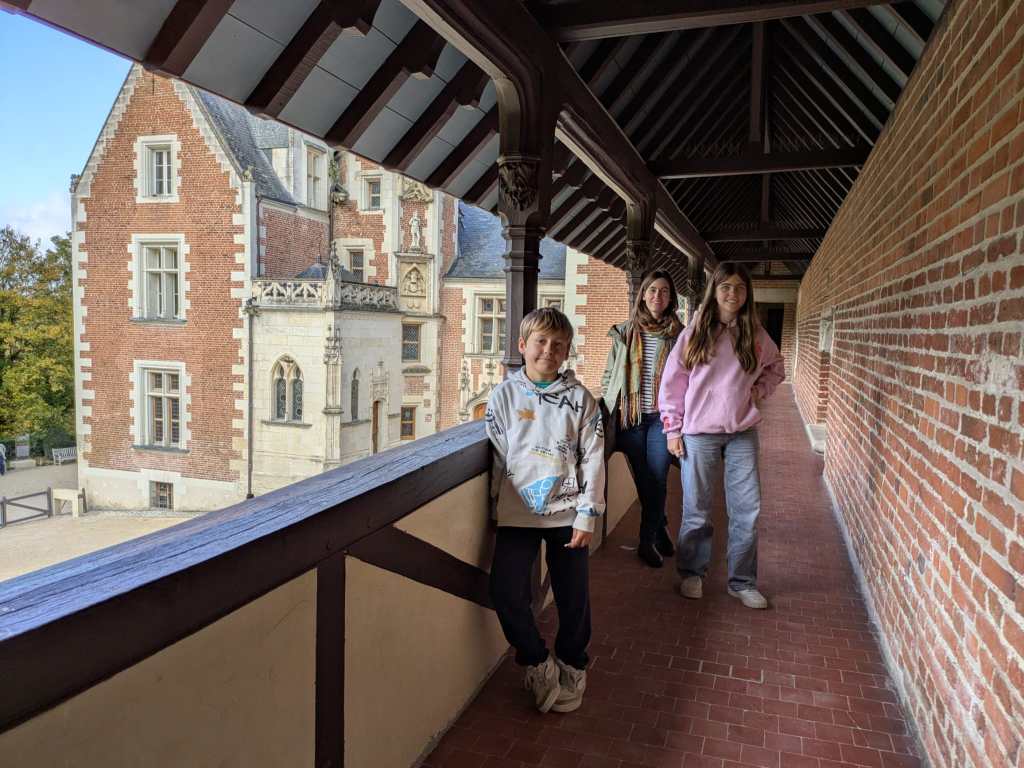
The covered gallery.

In the park, crossed by the Amasse stream, more models and life-size constructions bring his engineering drawings to life: the self-supporting bridge, the armoured vehicle, flying machines…
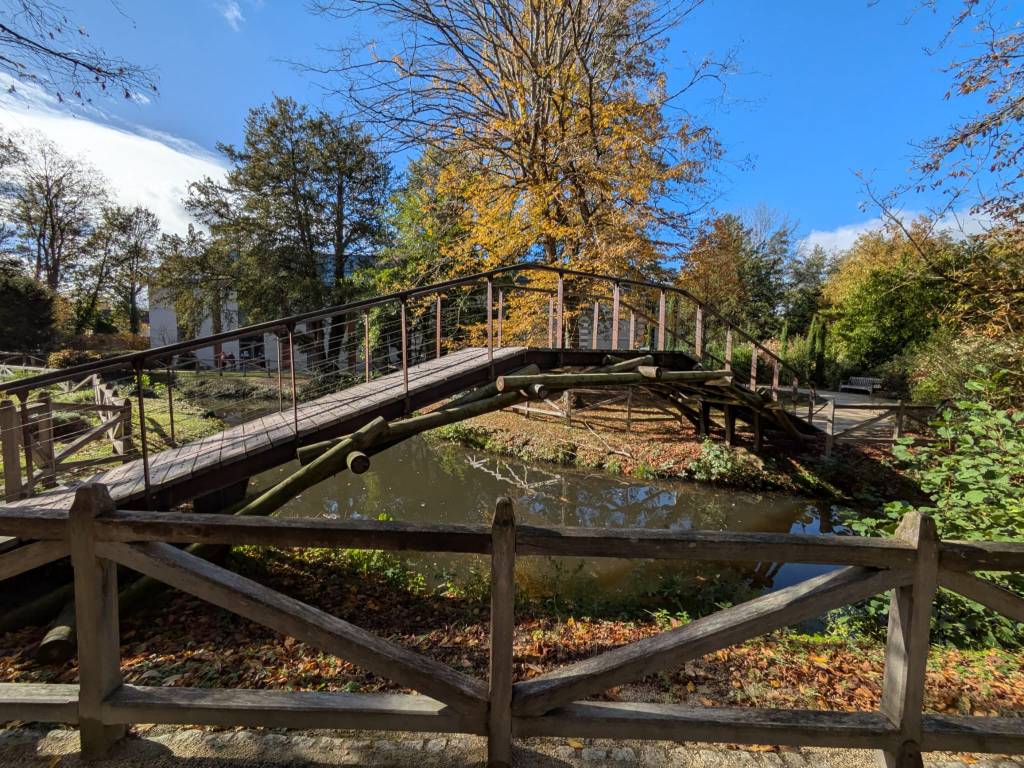
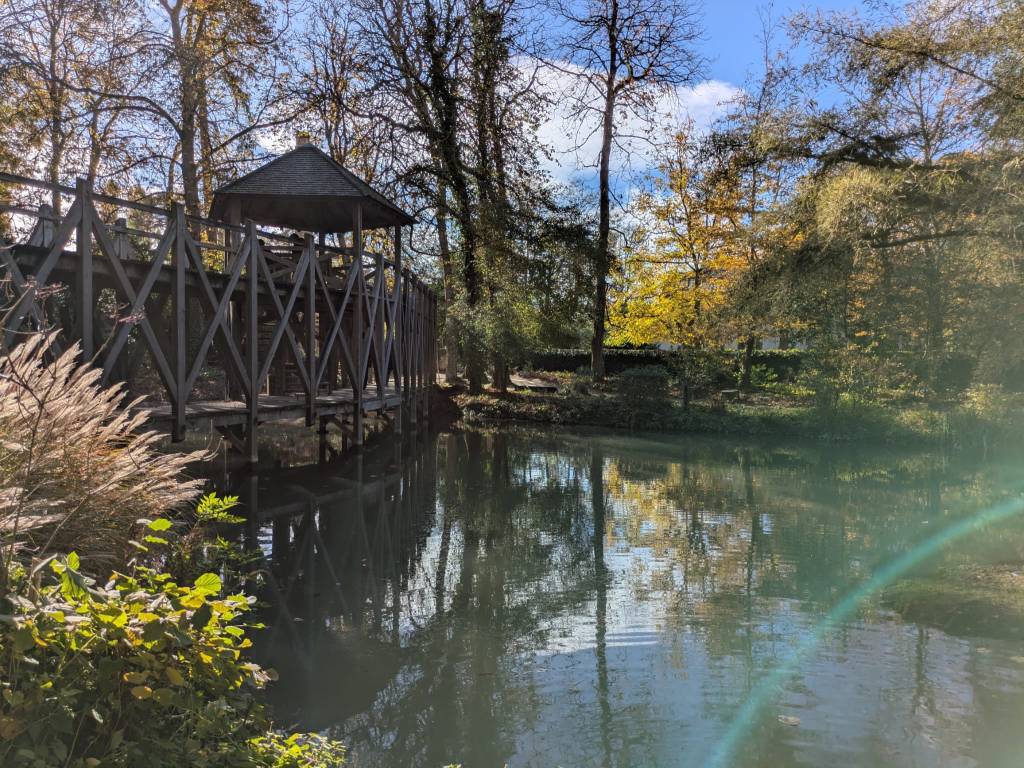
A bridge over the Amasse, in the park.
The pond in the park.

After the 2018 visit we wondered about the balance between the artistic and the military engineering sides of Francis I’s patronage. As Luca put it neatly: Leonardo was invited to be the DARPA of sixteenth-century France. Reading Walter Isaacson‘s “Leonardo da Vinci” biography, which I started soon after, confirmed the impression from the very first pages: when Leonardo pitched himself to Ludovico Sforza in Milan decades earlier, his letter deals almost entirely with military engineering, and painting is mentioned almost as an afterthought. The biography is worth reading on its own (I reviewed it in my 2019 reading list), and it helps understanding the origin of the designs and objects at Clos Lucé.
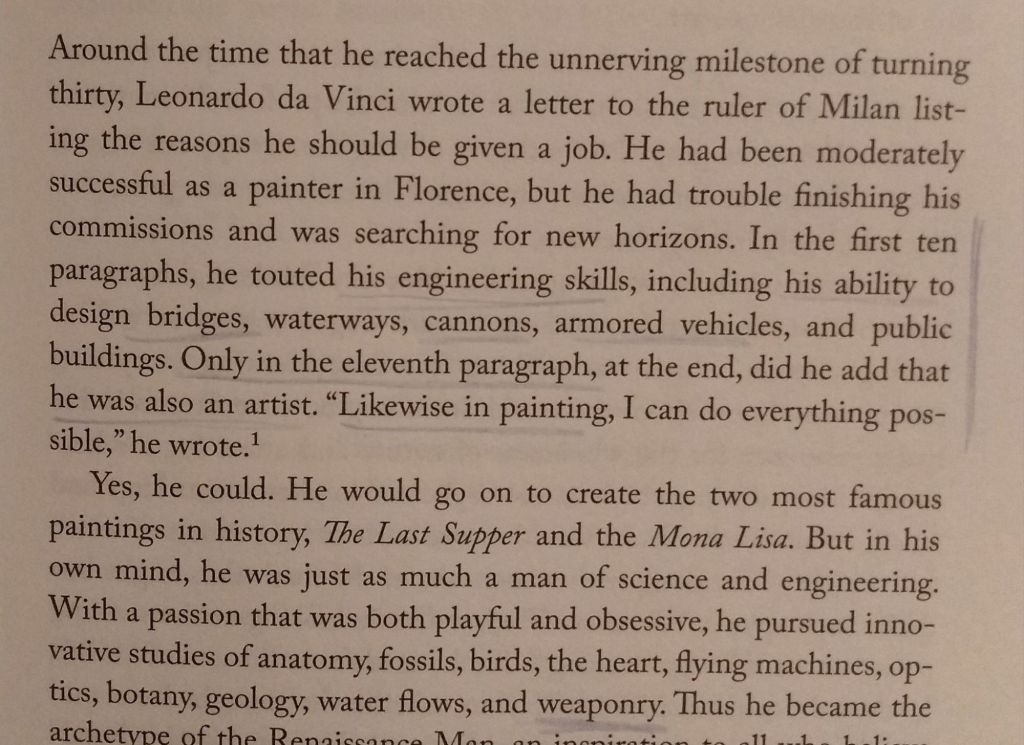
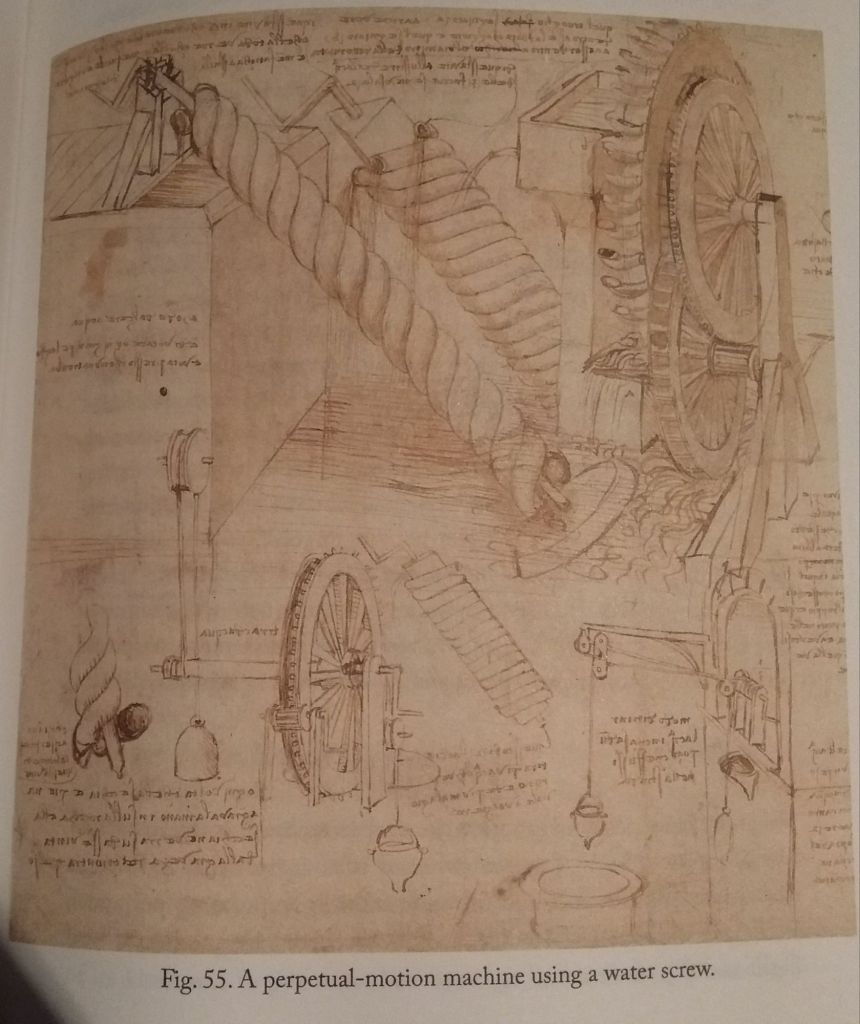
Extract from Walter Isaacson biography of Leonardo.

Back in 2019, to celebrate the 500th anniversary of the death of Leonardo we made a couple of other visits following his trail during a summer trip to Tuscany: we stopped at Vinci and Anchiano, where he was born, and visited the Museo Leonardiano; and at the Uffizi gallery in Florence we saw some of his original works.
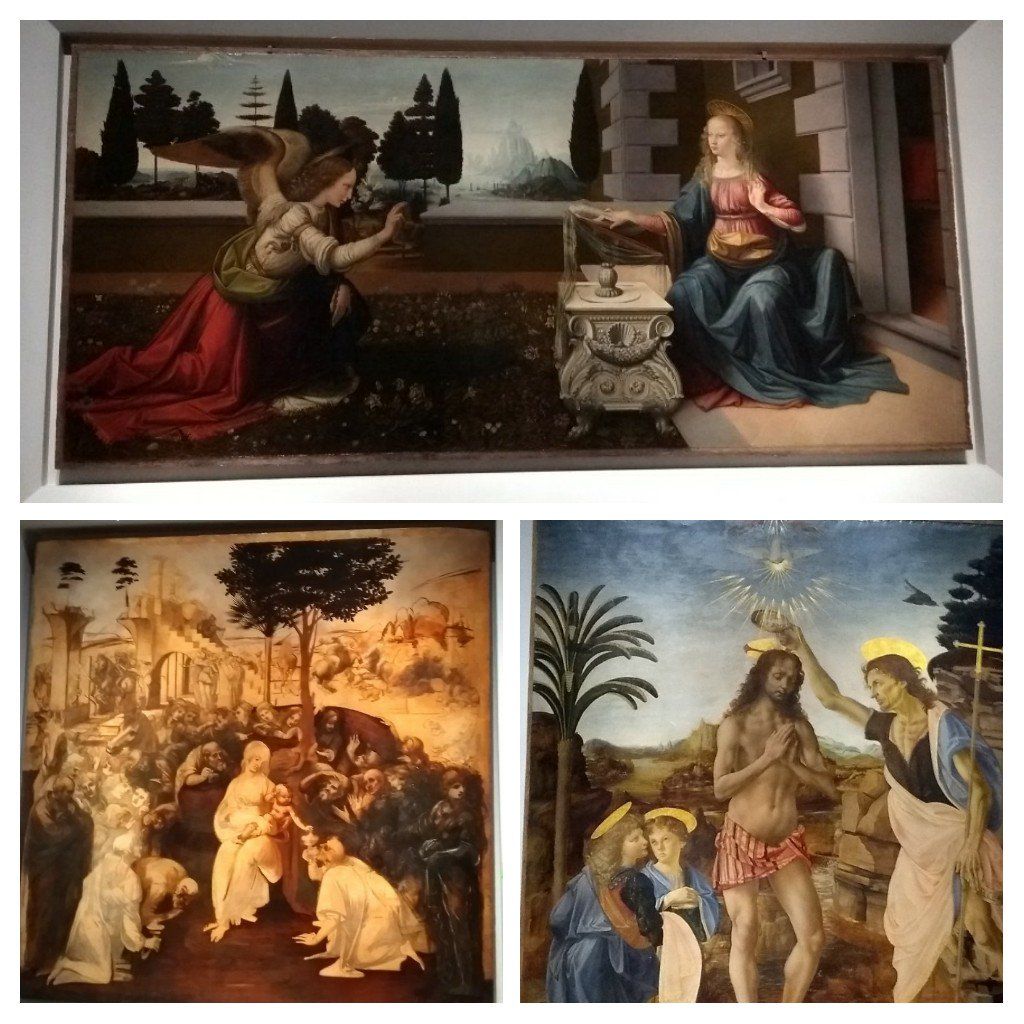
Some of Leonardo’s master pieces at the Uffizi gallery: The Annunciation, The Adoration of the Magi, The Baptism of Christ.

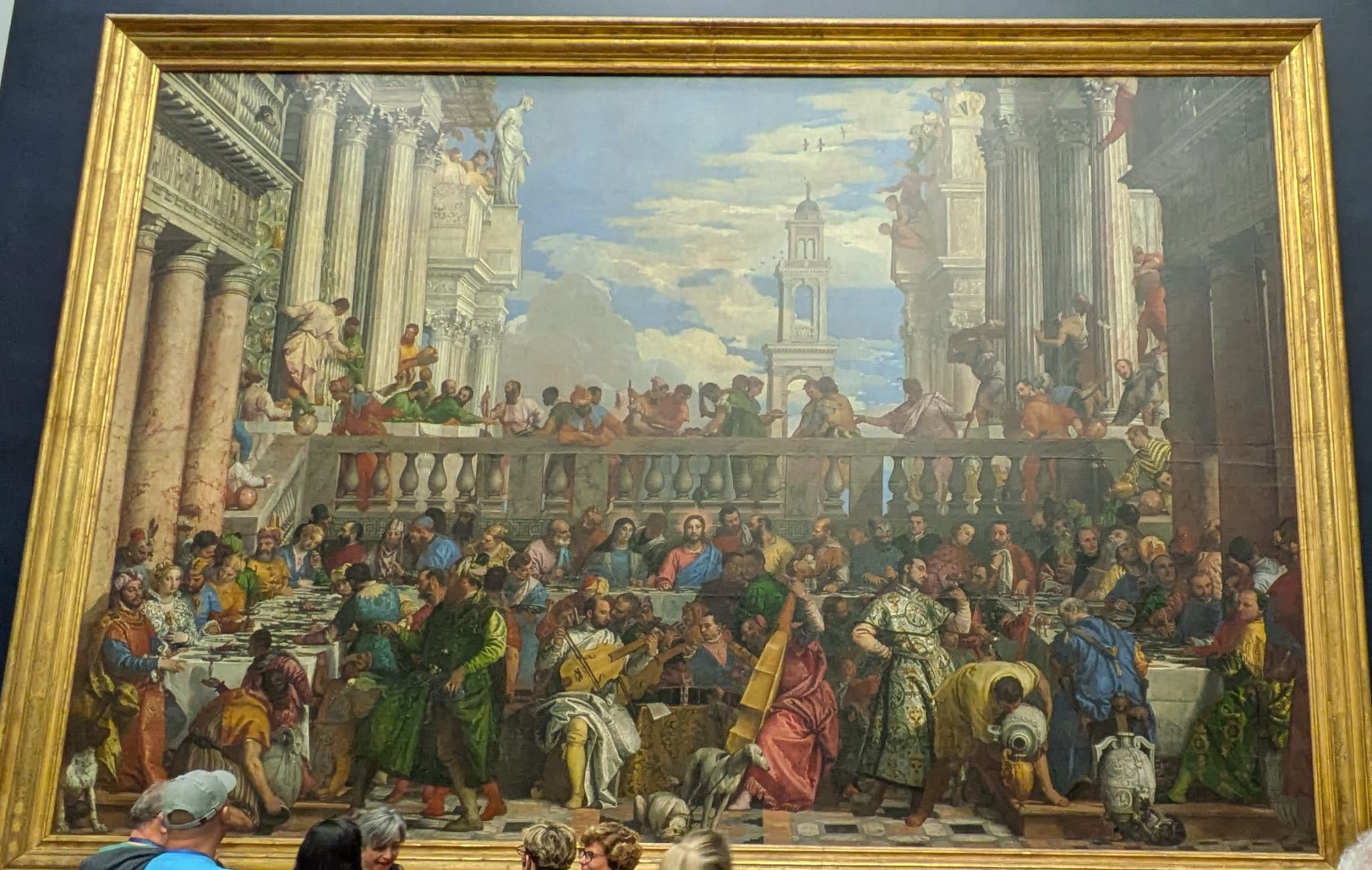
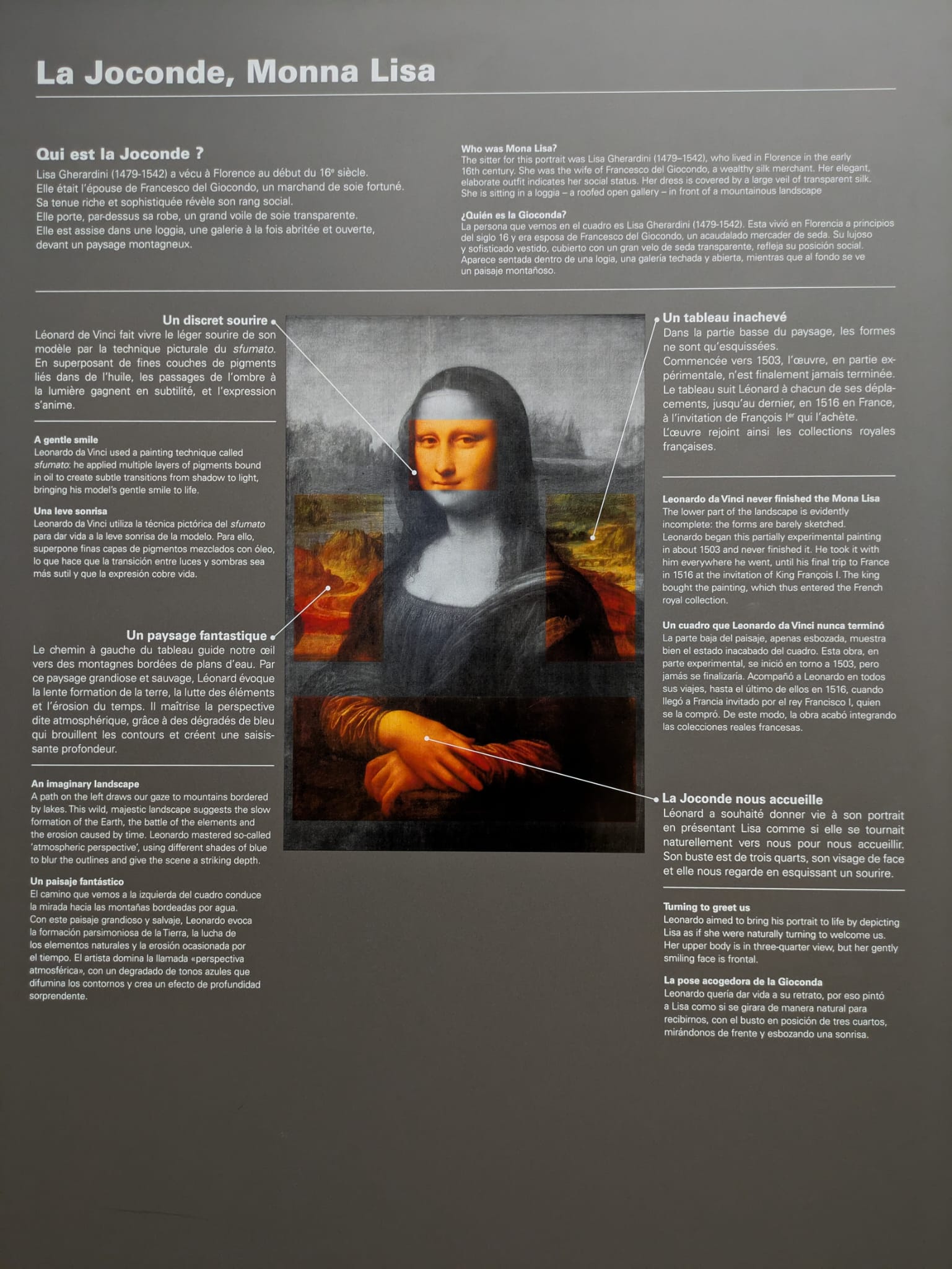
Years later, also in 2025, during the trip that took us Paris, we visited the Louvre for the first time with the kids and they could stand in front of the Mona Lisa: the very painting Leonardo brought with him to Amboise and that Francis I bought, which is how it entered the French royal collection. Today it hangs in the Salle des États, facing Veronese’s “Wedding Feast at Cana”.
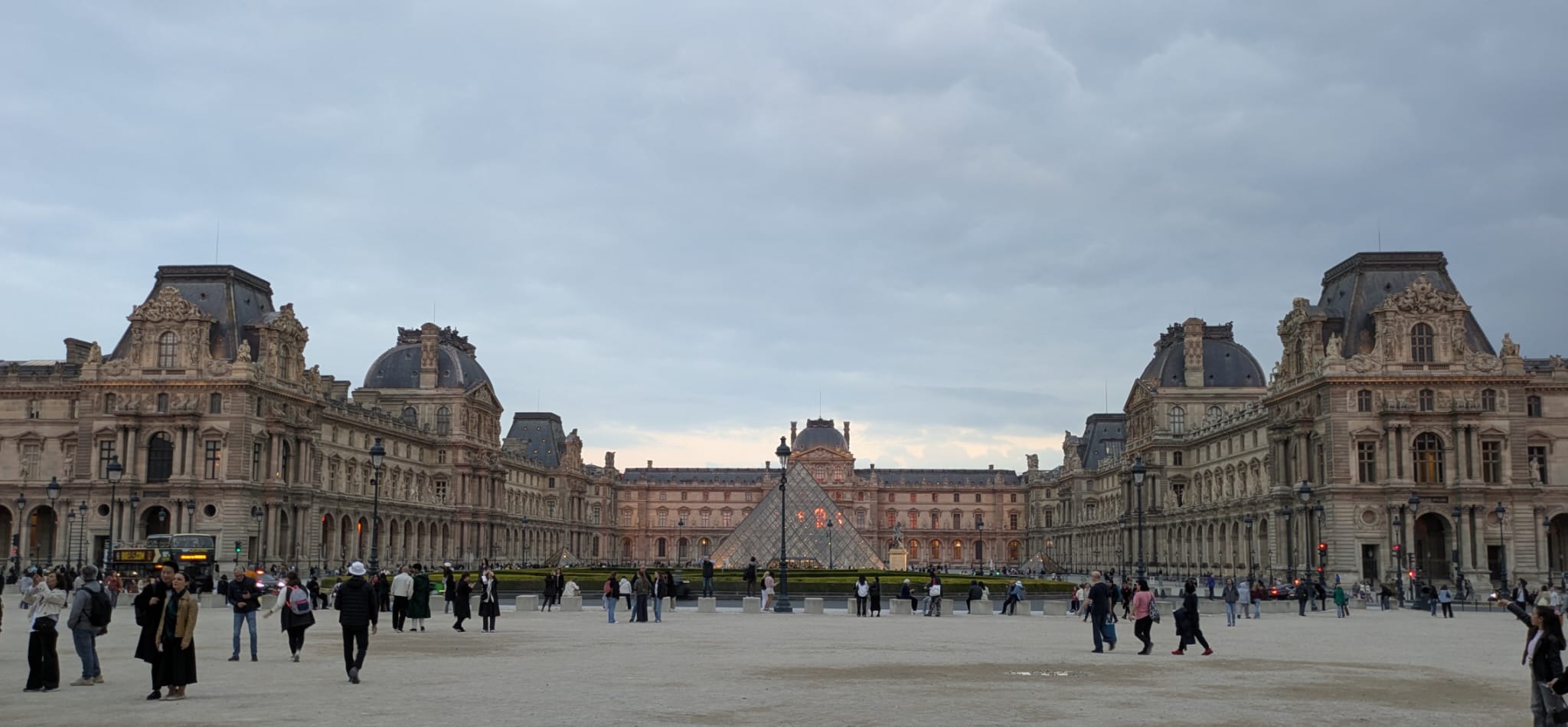
The Louvre.
The Mona Lisa panel at the Louvre: Leonardo took the unfinished painting with him on all his travels, until his final move to France in 1516.
Veronese’s “Wedding Feast at Cana”, facing the Mona Lisa in the Salle des États.

In 2025, we also visited the village of Romorantin where Leonardo had plans to build the ideal city, but that project could not be pursued and there are no traces of it other than a small model in the village’s museum. What we still miss seeing in person is the Last Supper in Milano.

As the site itself puts it, together with his birthplace in Vinci the Clos Lucé is the only known home Leonardo ever had. That, the machines in the park and the immersive center make it a must visit for those wanting to enjoy Leonardo’s legacy.
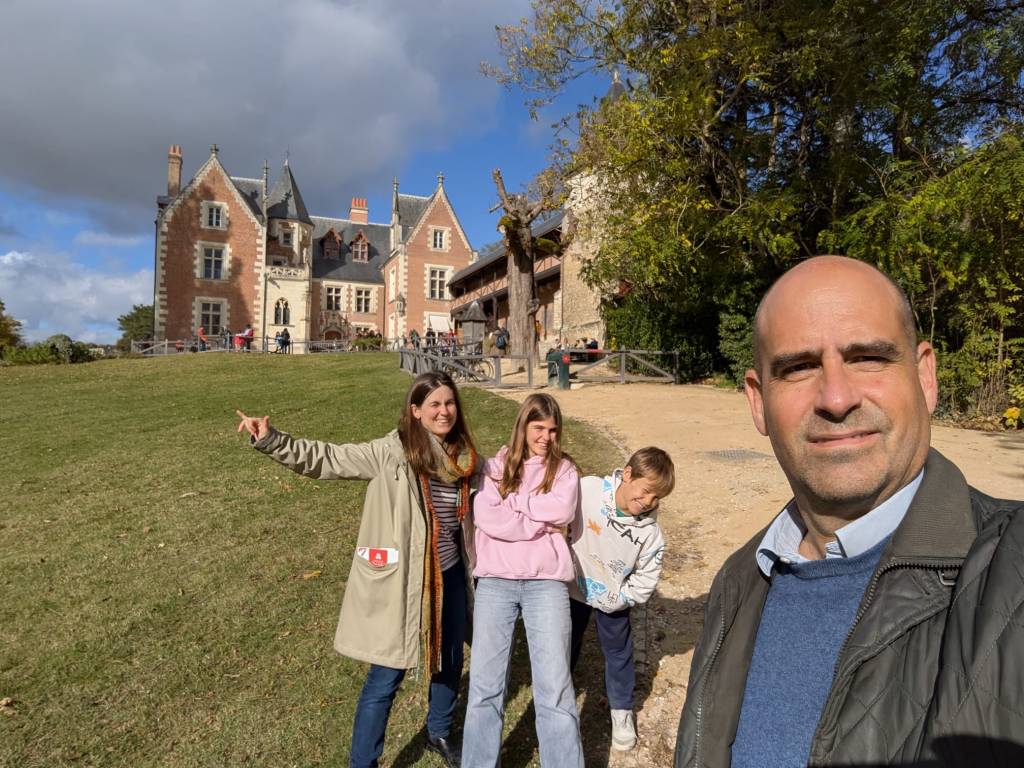
The family at the Château du Clos Lucé.

Leave a comment

Filed under Books, Travelling, Uncategorized

Château de Chenonceau

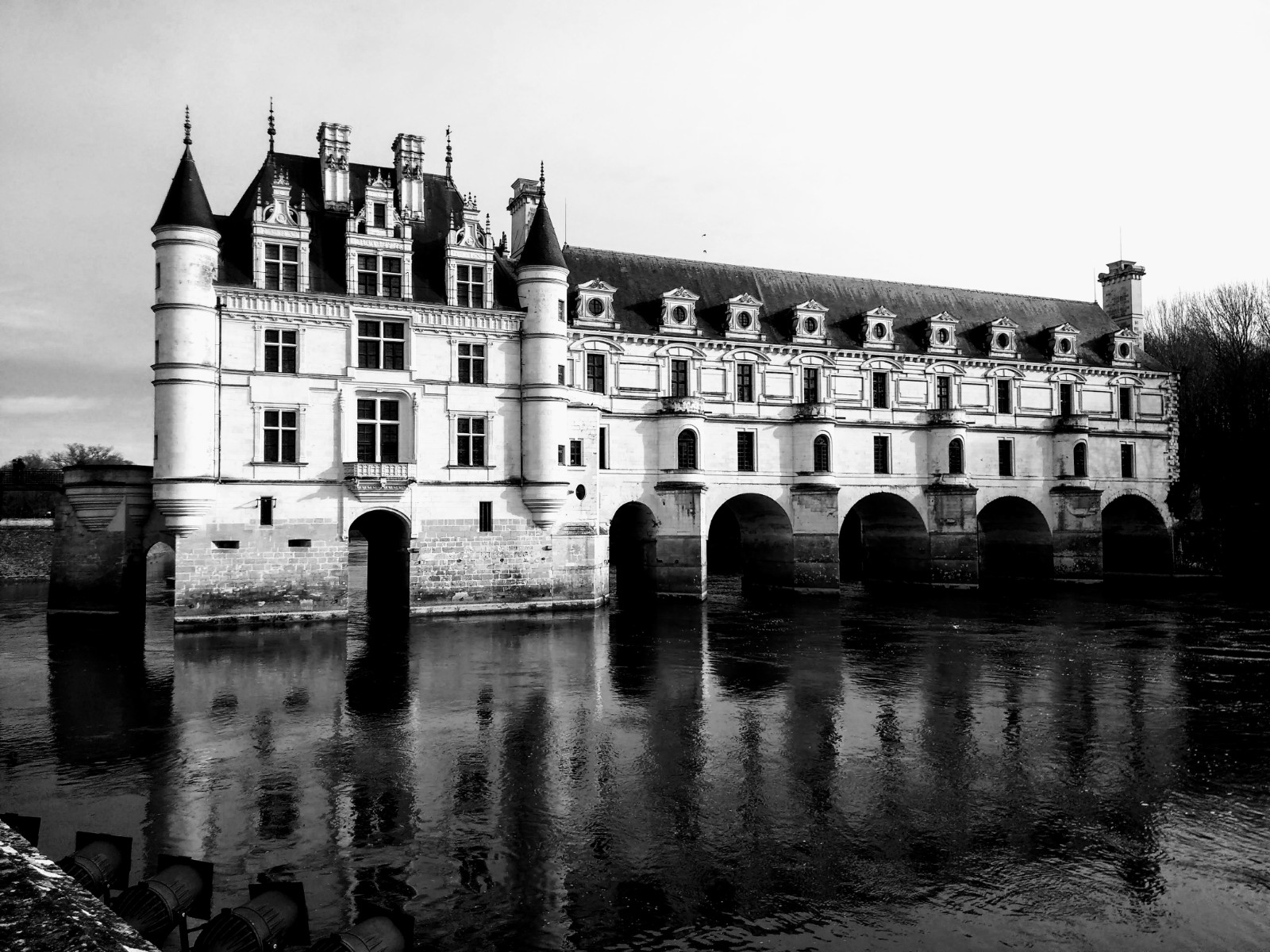
During our last Christmas road trip, we made a stop by the Château de Chenonceau, one of those castles of the Loire valley that stands out among the rest and which we had wanted to visit it on ground since we flew over it in 2015.

Chenonceau_family

As the brochure of the visit tells, and the different panels along the rooms and corridors let you grasp, the Château de Chenonceau is a Ladies’ castle, due to the several women that left a mark in its configuration and history.

The first castle did not cross the river Cher, and was located at the small island between the gardens, where today stands alone the Marques tower (see the aerial view below), built after the castle was burnt down to punish the Marques family, the first proprietors of the castle.

The Marques family facing problems, the chamberlain of the king, Thomas Bohier and his wife Katherine Briçonnet, maneuvered to get in possession of the castle, which they started to rebuild to their taste, used if to host French nobility and to project an image of themselves.

Chenonceau_aerial

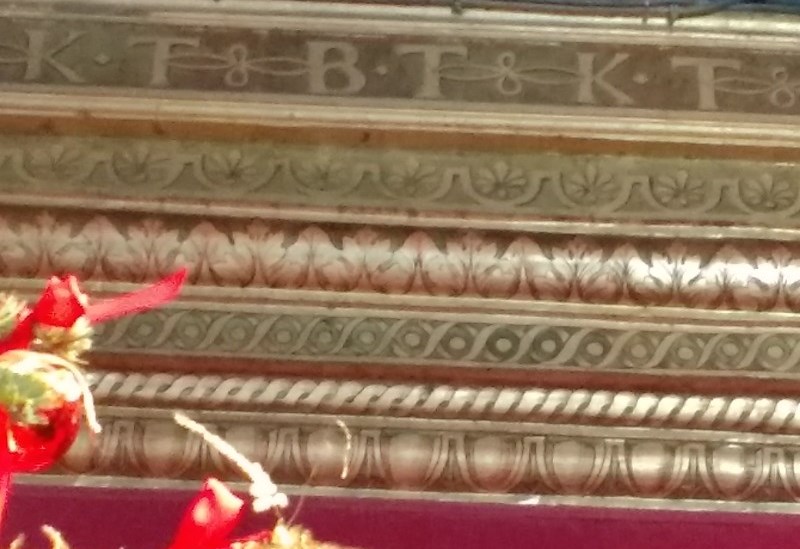
They adopted common initials (TBK) that they displayed around the castle.

IMG_20171228_124000130

They created an aspirational personal motto while building the castle: “S’il vient à point, me souviendra” (i.e. if I get to the end of this construction, I will be remembered).

IMG_20171228_115416510 - Copy

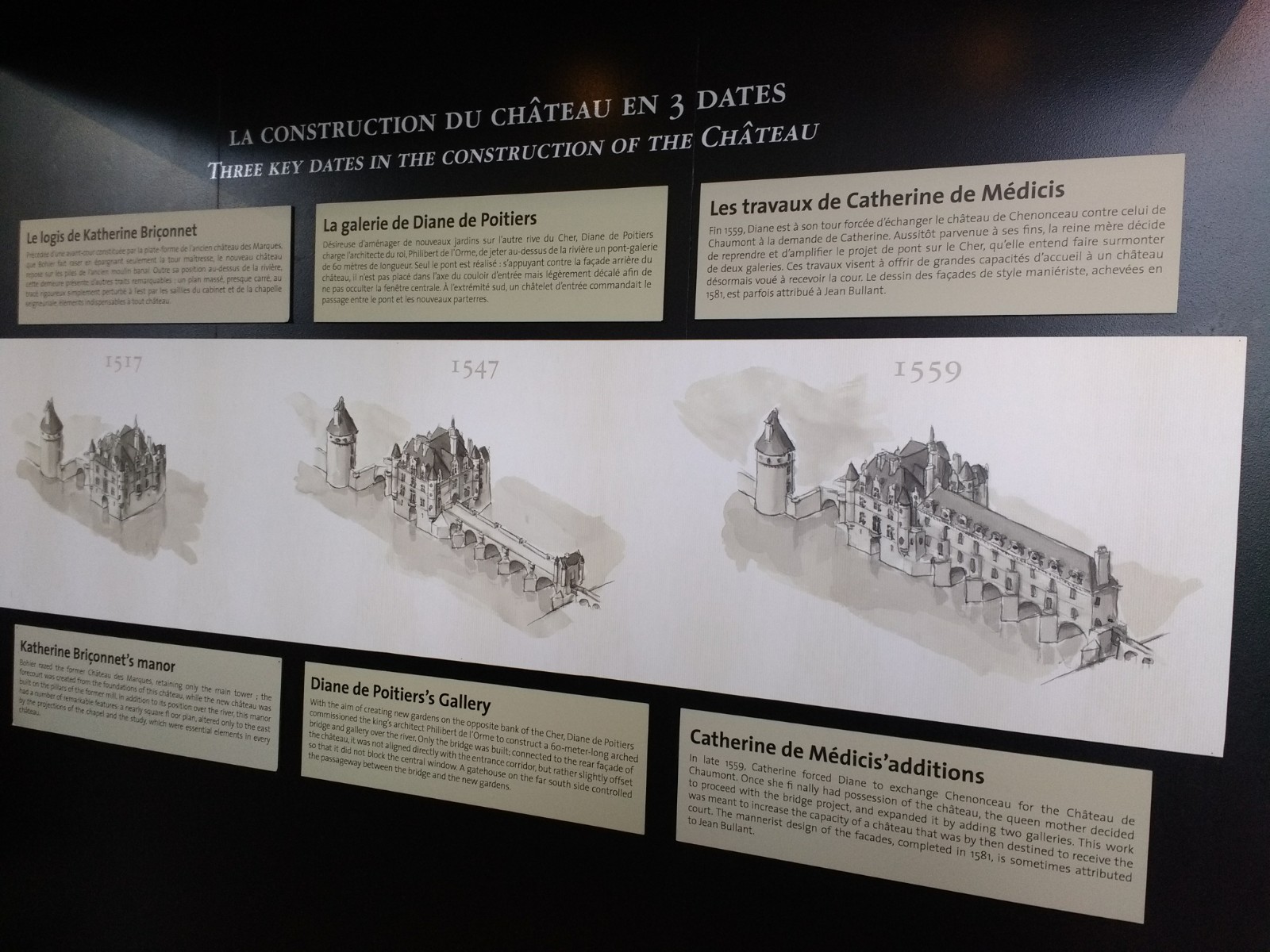
Years later, in 1535, being the castle in possession of Bohier’s son, it was taken by the king Francis I (to cancel out unpaid debts). After his death, his son, king Henri II gave it as a present to his mistress Diane de Poitiers in 1547. It was Diane who built the bridge to join the castle with the opposite river bank, and it was that move that started to make it unique.

At the death of Henri II, her widow, Catherine de Medici, forced Diane to exchange Chenonceau for another castle, the Château Chaumont, and made Chenonceau her favourite residence and a place full of intrigues for the years to come. She closed the bridge into a gallery (multi-storied), she added several rooms and bedrooms, made gardens more magnificent, gathered art collections and hosted parties.

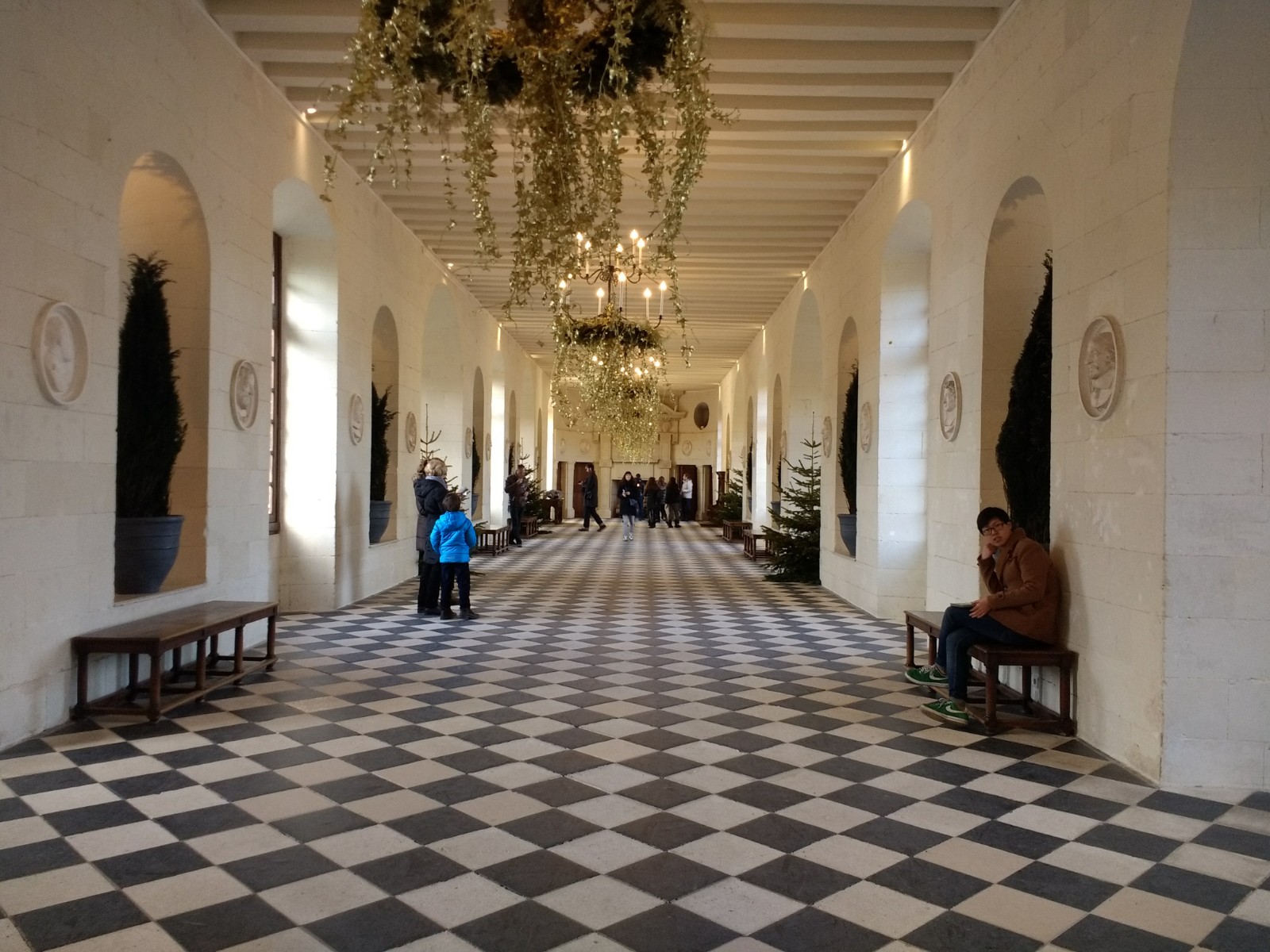
Corridor

IMG_20171228_120958621

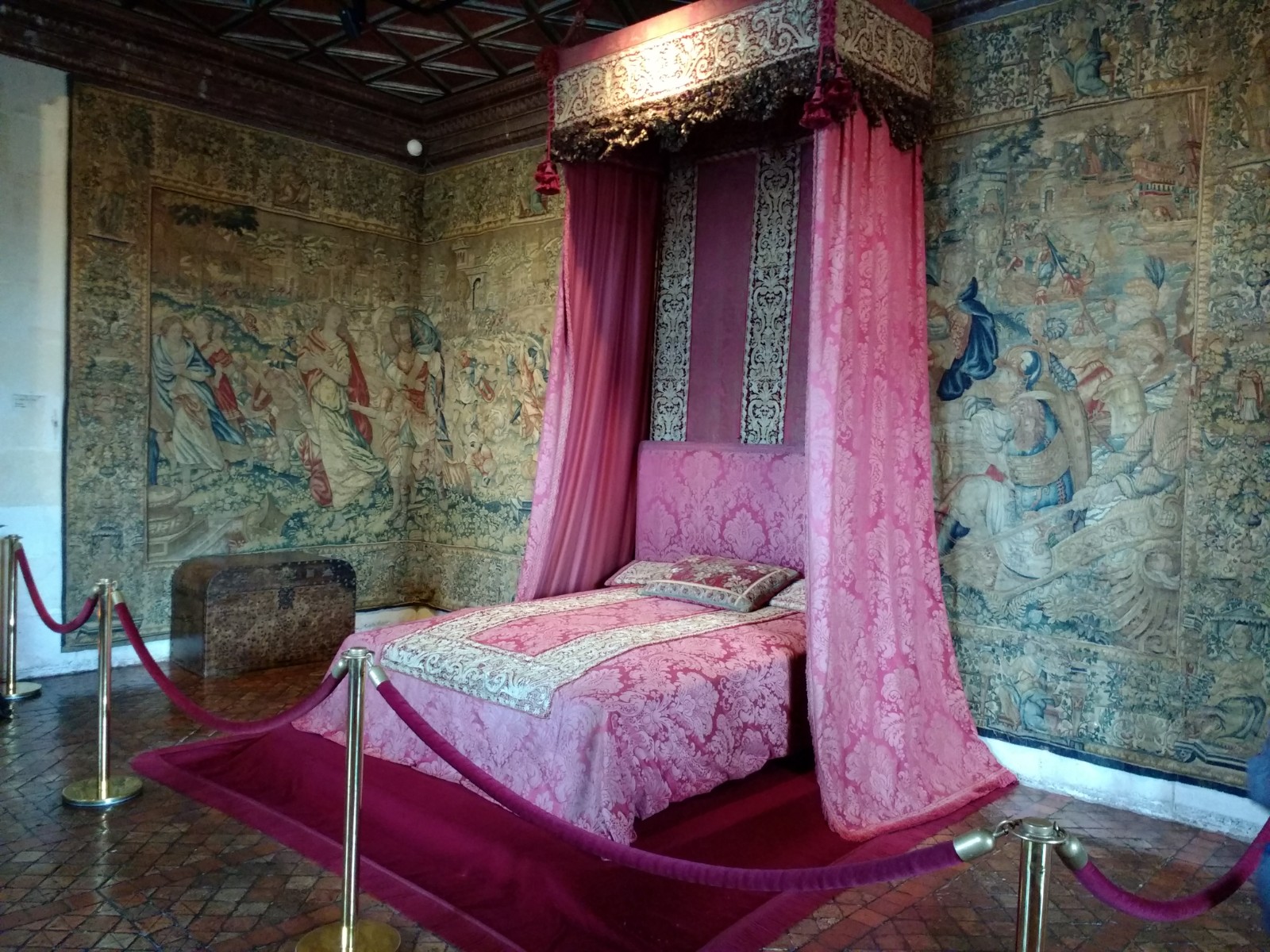
Ever since, the castle was to be linked to French royal family and later French nobility. There is a telling name of the power of the running family, that of the “Five Queens’ Bedroom“, named after Catherine de Medici’s two daughters and three daughters-in-law:

  • Daughters: Queen Margot (wife of Henri IV), Elizabeth of France (wife of Philippe II of Spain),
  • Daughters-in-law: Mary Stuart (wife of Francois II), Elisabeth of Austria (wife of Charles IX) and Louise of Lorraine (wife of Henri III).

IMG_20171228_120157427

Once a widow, after her husband was assassinated, Louise of Lorraine, would retire herself to pray at the castle. A room would be decorated in black, being that another of the landmarks of the castle, under restoration at the time of our visit, though.

Further women would contribute to the enlightenment of the castle in the following centuries, renovating it, bringing in artists and writers such as Montesquieu, Voltaire or Rousseau. It even played the role of hospital where over 2,000 injured were attended during Second World War.

IMG_20171228_125855410-EFFECTS

1 Comment

Filed under France, Travelling