Category Archives: Aerospace & Defence

My forecast of Boeing Commercial Airplanes 2014 revenues

In the previous years I have been estimating the discounts Boeing applies to its list prices of commercial aircraft. You can see here the result of last year estimate (based on 2013 figures). The results I arrived at are that Boeing has been increasing its discounts in the recent years, and that in 2013 they topped ~47%.

Boeing Average Discount Evolution, 2013.

Boeing Average Discount Evolution, 2013.

With this post I wanted to take a step ahead and put the model to the test by using it for forecasting what will be Boeing Commercial Airplanes revenues for the year 2014.

As of today, January 15th, these have not been announced yet. In Boeing’s investor relations website you can see that the 2014 earnings conference call will take place on January 28th.

How will I reach to my forecast?

  1. See here Boeing (net) orders for the year 2014: 1,432 aircraft among all models.
  2. See here Boeing deliveries in the year 2014: 723 aircraft among all models.
  3. See here Boeing 2014 list prices.
  4. See in the above curve the average discount I will use: 47% (unchanged from past year, this is a hypothesis that will be put to test with how accurate the forecast turns out).
  5. See here [PDF, 841KB] Q3 2014 earnings press release. I use it to see how were faring in 2014 Boeing Commercial Airplanes services, deducing it from the reported Sales of Services, Boeing Capital and Global Services & Support. Up to end September 2014, the services figures were declining in comparison to 2013 figures. I will assume the global figure to follow the same proportional decline; arriving at ~589m$ for Boeing Commercial Airplanes services (remember, this figure will not be actually explicitly reported).

With all these ingredients… my forecast is: 60.2bn$ (1).

In the 2014 Q3 report you can see Boeing’s own guidance for year-end figures:

Boeing's 2014 Financial Outlook at Q3 2014 earnings press release.

Boeing’s 2014 Financial Outlook at Q3 2014 earnings press release.

Some comments:

First, you can see that my forecast (60.2bn$) is a bit more optimistic than Boeing’s own outlook 3 months ago, 57.5-59.5bn$ (2).

Second, in the 2014 Q3 release, you can see the revenues up to end September (below). In them, you can see that up to then, revenues of Boeing Commercial Airplanes had increased 13% in relation to 2013 (12.66% to be more precise). My forecast is a bit more optimistic here as well: at year end the increase in revenues will be +13.6%.

Boeing Commercial Airplanes revenues Q3 2014.

Boeing Commercial Airplanes revenues Q3 2014.

Final comment: if Boeing managed in 2014 to command better prices on delivered aircraft, the figure will be even higher. If the figure is lower than the 60.2, and in line with their forecast, it’ll mean that the market is forcing Boeing to apply ever higher discounts to their published list prices.

I am now looking forward to January 28th and Boeing’s earnings call!

++++++++

Update on February 11th:

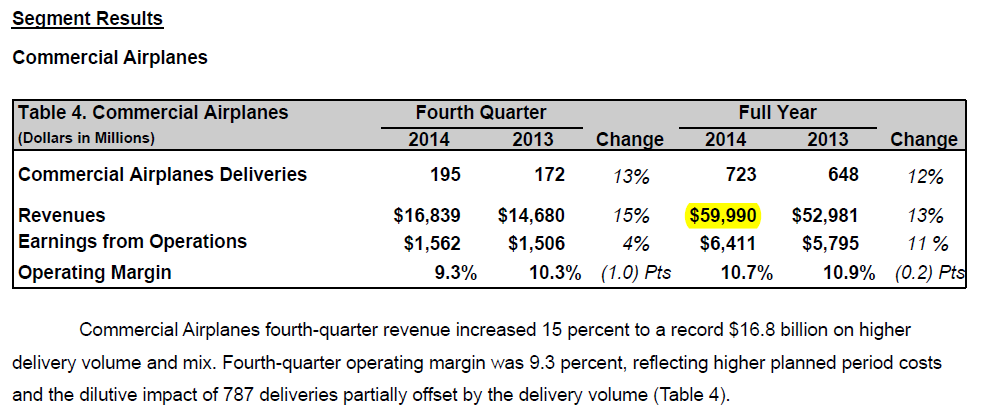
As announced, Boeing published on January 28th its full 2014 results [PDF, 838KB]. Which were the Boeing Commercial Airplanes revenues?

Boeing Commercial Airplanes revenues full 2014.

Boeing Commercial Airplanes revenues full 2014.

That is 59.99bn$, or 206m$ short of my detailed forecast of 60.196bn$. This means that I missed with my forecast by a 0.3%, not bad. Even better taking into account that the main discrepancy have been the lower level of services under the commercial airplanes unit.

The result, as my intuition went was above the upper limit of the bracket Boeing gave as guidance for the full year in the 2014 Q3 report, 57.5-59.5bn$ (see note (2)).

(1) To be more precise the forecast from the model is 60,196m$.

(2) If my forecast turns out correct some may be tempted to say that this is the usual trick played by CFOs: to present better figures than expected.

2 Comments

Filed under Aerospace & Defence

Swiftair MD-83 EC-LTV, BEA interim report

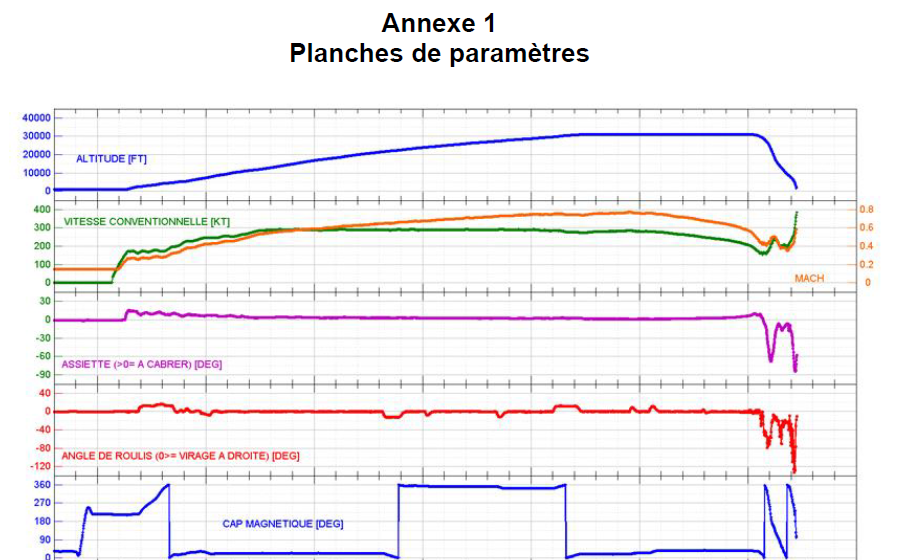
Some weeks ago I read the first interim report from the “Bureau d’Enquêtes et d’Analyses” (BEA) on the accident suffered by the Swiftair MD-83 matriculated EC-LTV on July 24th in Mali (find the report here, PDF 5.2MB). The last 1’30” of that flight must have been scary.

Take a look at the records of altitude, attitude, bank angle:

EC-LTV parametres

MD-83 EC-LTV parameters (2014, Mali).

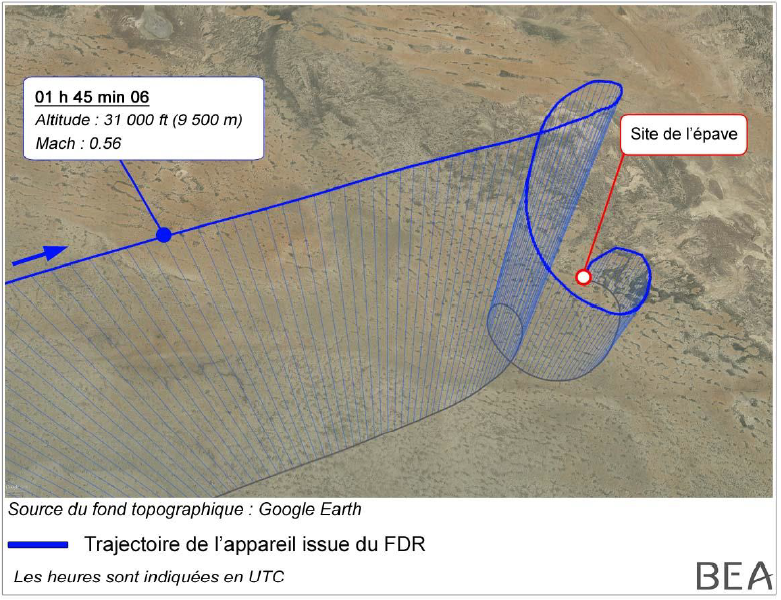
Probably you are familiar with this other graphic that has appeared in the press:

EC-LTV trajectory worked out by BEA from FDR.

EC-LTV trajectory worked out by BEA from FDR.

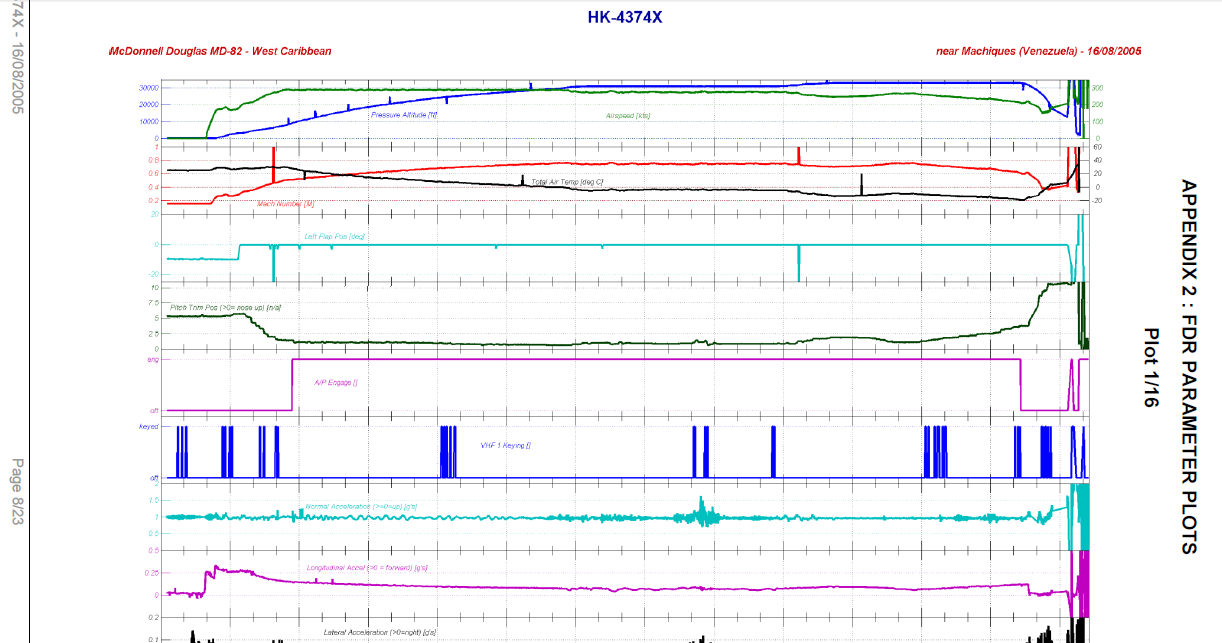
Today, at lunch while on a training course, I had the chance to discuss about the accident with the course instructor (a retired former Airbus senior vice president in customer services) who pointed me at a similar accident undergone by a MD-82 HK-4374X in Venezuela in August 2005.

I went to the BEA website to check for the report of that other accident (here, PDF 20MB, in Spanish). While the investigation of the EC-LTV will most probably reach to the conclusions of the root causes of the accident, the are many similarities between the cases:

  • Hot weather conditions (ISA+10 or above, that is temperatures not below -30 degrees at FL31),
  • proximity of thunderstorms,
  • use of anti ice (inducing a penalty measured in about 3,000ft penalty for available engine thrust),
  • autopilot engaged in “Speed on Thrust” mode in “Altitude Hold” (making the aircraft pitch upwards when losing speed due to the lack of available power at FL310 due to hot weather and use of anti ice),
  • engine EPR close to maximum values for both engines (followed by a oscillations when the airplane starts to lose speed),
HK-4374X parametres.

MD-82 HK-4374X parameters (2005, Venezuela).

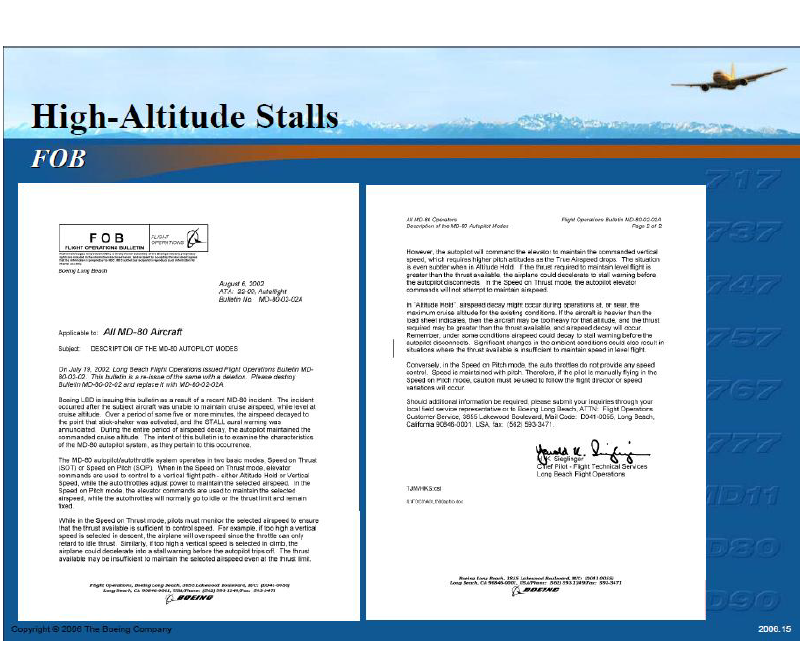
The report of the 2005 accident included a study from NASA and a presentation by Boeing then chief pilot covering similar incidents and showing a 2002 Boeing Flight Operations Bulletin warning flight crews of this kind of situations.

Boeing Flight Operations Bulletin MD-82-02-02A.

Boeing Flight Operations Bulletin MD-82-02-02A.

I’m looking forward for future reports from the BEA to see what are the findings they reach.

1 Comment

Filed under Aerospace & Defence

Airbus vs. Boeing, comparison of market forecasts (2014)

Yesterday, Airbus released the new figures of the 2014-33 Airbus’ Global Market Forecast (GMF, PDF 7.5MB).

In previous years, I have published comparisons of both Airbus’ and Boeing’s forecasts (Current Market Outlook, CMO, PDF 5.3MB). You can find below the update of such comparison with the latest released figures from both companies.

Comparison of Airbus GMF and Boeing CMO 2014-2033.

Comparison of Airbus GMF and Boeing CMO 2014-2033.

Some comments about the comparison:

  • Boeing sees demand for 9% more passenger aircraft (excluding regional a/c) with a 10% more value (excluding freighters). The gap is closing, as in previous years Boeing forecasted up to 14% more aircraft.
  • In relation to last year studies, Airbus has increased demand by ~2,000 aircraft whereas Boeing by ~1,000.
  • Boeing continues to play down A380 niche potential (59% less a/c than Airbus’ GMF). This year, both companies have reduced in about 100 units their forecasted demand for the VLA segment.
  • Both companies’ forecast for the twin aisle segment is nearly identical: 7,260 aircraft. The mix between small and intermediate twins varies, 700 units up and down. However, Boeing’s wide-bodies mix is not to be taken as engraved in stone, see the erratic trend in the last years here.
  • On the other hand, Boeing forecasts about 3,600 single-aisle more than Airbus (the gap has closed in 800 units this year). The largest part of the difference comes in the single-aisles over 175 seats (A321, 737-9).
  • In terms of RPKs (“revenue passenger kilometer”), that is, the number of paying passenger by the distance they are transported, they see a similar future: Airbus forecasts for 2033 ~14.5 RPKs (in trillion) while Boeing forecasts 15.5 RPKs.

The main changes from last year’s forecasts are:

  • Both manufacturers have increased their passenger aircraft forecast, ~2,000 a/c Airbus and 1,000 a/c Boeing,.
  • Both manufacturers have increased the value of RPKs in 2033  (about 5-7%).
  • Both manufacturers have increased the volume (trn$) of the market in these 20 years, about 6.7% Airbus (to 4.4trn$) and 5.7% Boeing (to 4.86trn$) (excluding regionals and freighters).

Some lines to retain from this type of forecasts:

  • Passenger world traffic (RPK) will continue to grow about 4.7% per year (5.0% according to Boeing). This is, doubling every ~15 years.
  • Today there are about 16,855 passenger aircraft around the world (according to Airbus), this number will nearly double in the next 20 years to above 30,555 a/c in 2033 (over 33,000 as seen by Boeing).
  • Most deliveries to go to Asia Pacific, 39% or over 12,200 passenger aircraft
  • Domestic travel in China will be the largest traffic flow in 2033 with over 1,500bn RPK, or 11% of the World’s traffic.
  • Over 12,000 aircraft will be retired to be replaced by more eco-efficient type.
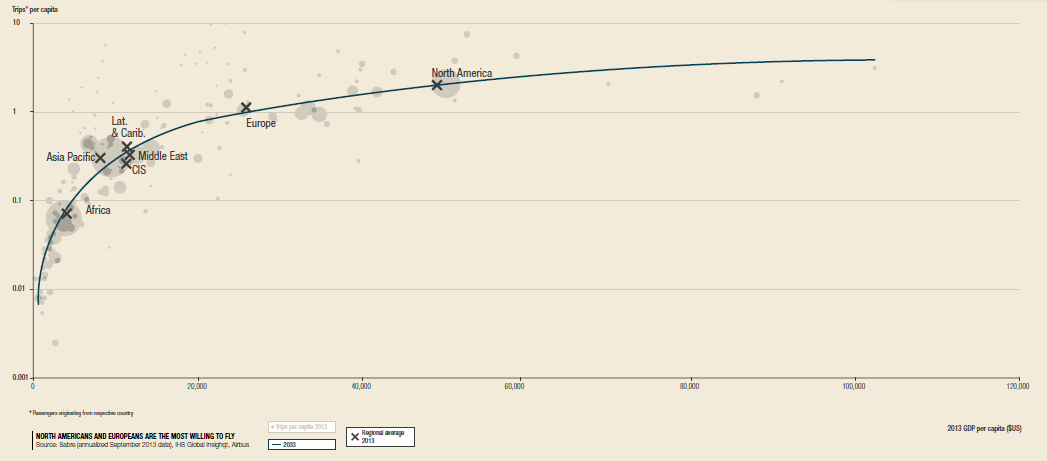
Trips per capita vs. GDP per capita (source: Airbus GMF).

Trips per capita vs. GDP per capita (source: Airbus GMF).

As I do every year, I strongly recommend both documents (GMF and CMO) which provide a wealth of information of market dynamics.

4 Comments

Filed under Aerospace & Defence

Patrouille de France, Francazal 2014

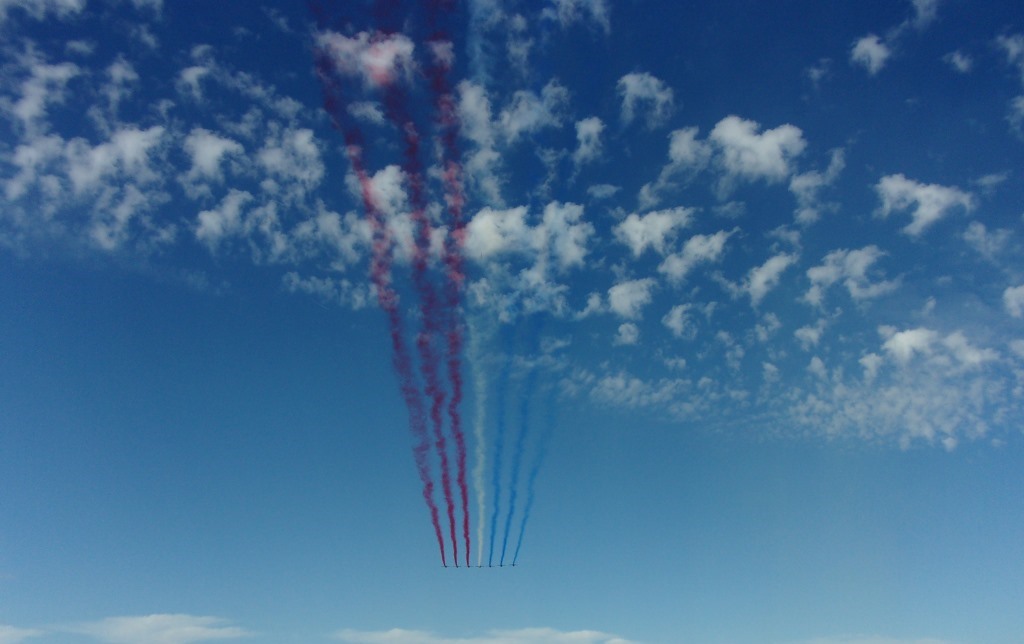
Yesterday I wrote about the air show in Francazal last Sunday. I finished that post with the following picture:

La Patrouille de France, beginning of the show.

La Patrouille de France, beginning of the show.

… and this comment:

Other day, I will devote one post just with a video of the Patrouille de France performance.

… enjoy it here:

1 Comment

Filed under Aerospace & Defence, Movies

Francazal air show 2014

Last Sunday, we attended the “1st meeting aerien” (air show) in Francazal, an initiative launched by the association Des Etoiles et des Ailes. The event, in my opinion, was a success measured by the aircraft it gathered and the audience that came to it, despite some logistics issues that need to be improved for a future edition.

More than 50 aircraft were gathered in Francazal, a small airport South of Toulouse. Most of them took part in the dynamic display, not only in the static one. As we came with the baby, we only spent about 2 hours. Nevertheless, we had time to see the following highlights:

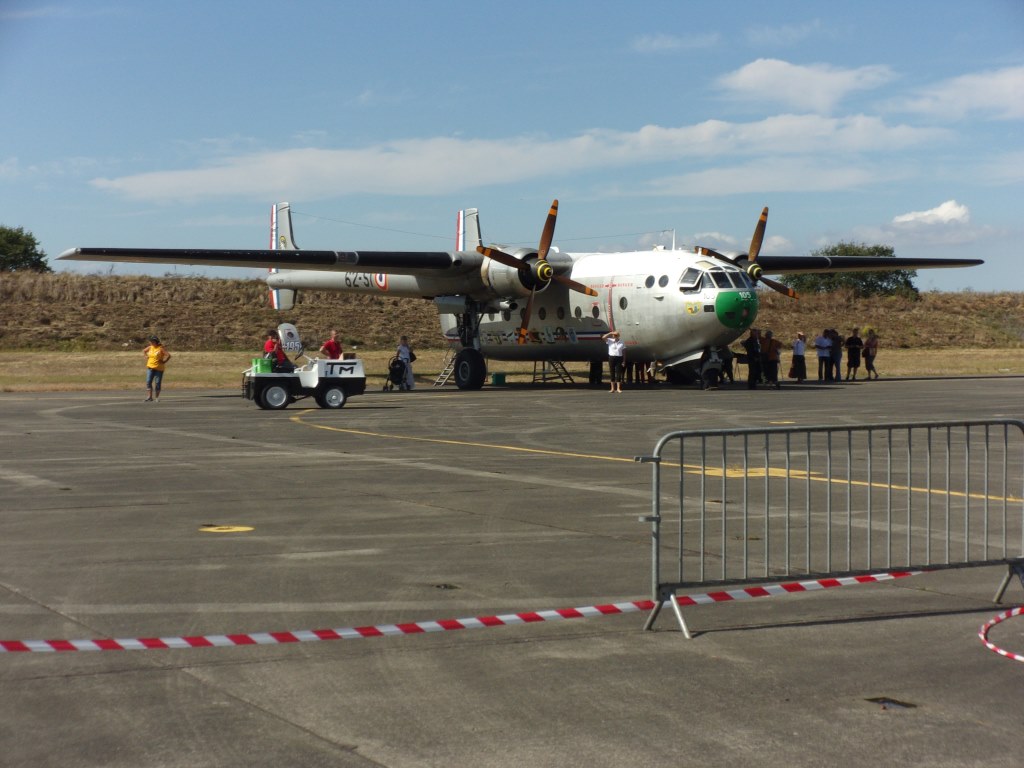
  • The 11th brigade of parachuters jumping from a N2501 Noratlas.
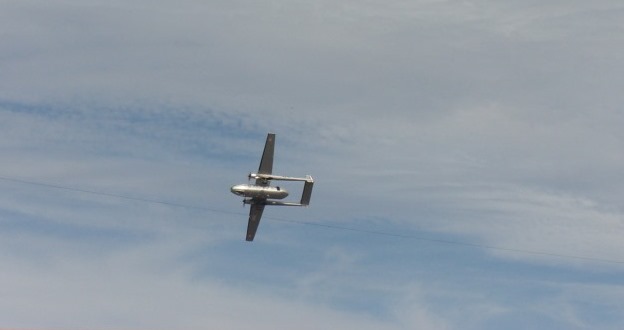
  • The Noratlas itself flying (this model was announced as the only Nord Aviation Noratlas in flying condition in the world today).
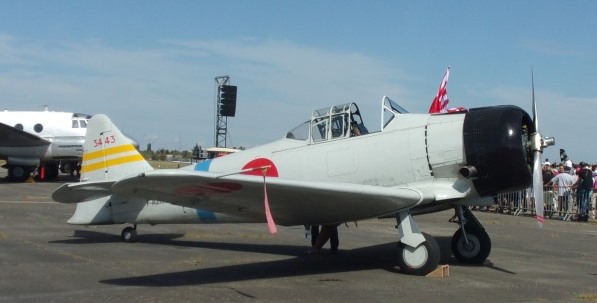
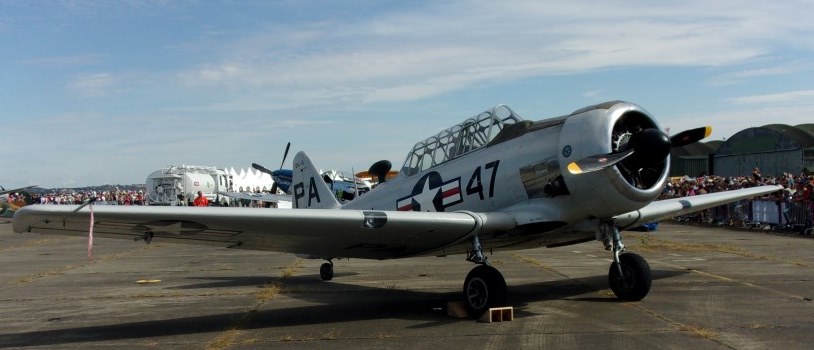
  • A Japanese Mitsubishi A6M (Zero) and a North American T-6 Texan chasing each other, memories of WWII.
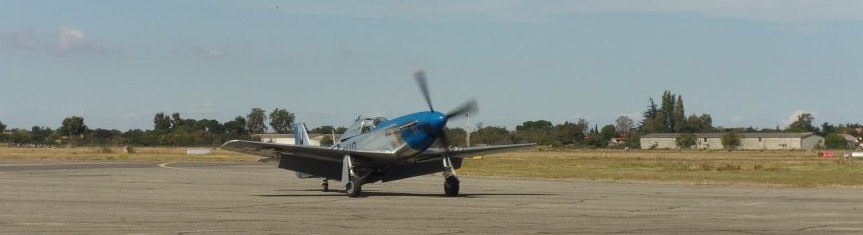
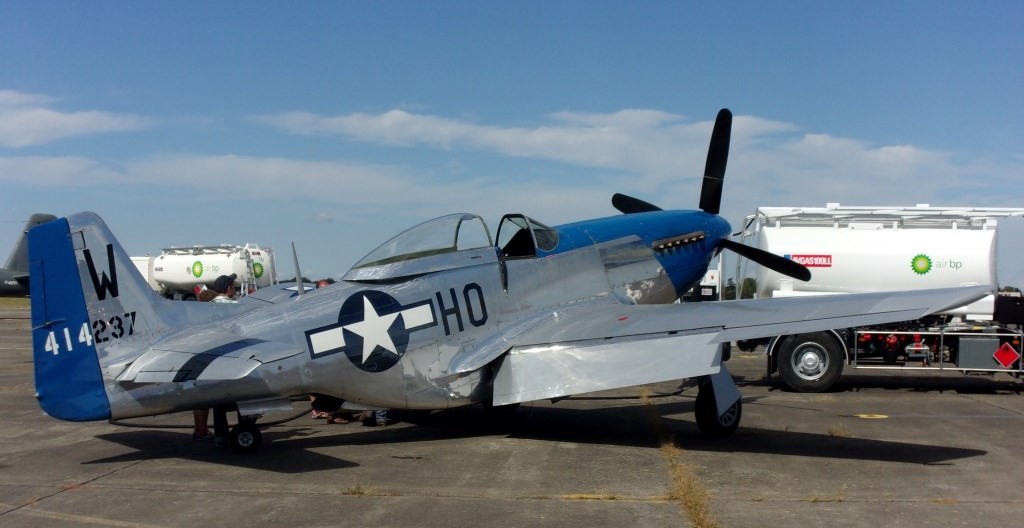
  • A North American P-51 Mustang flying, for many aficionados one of the most beautiful airplanes.
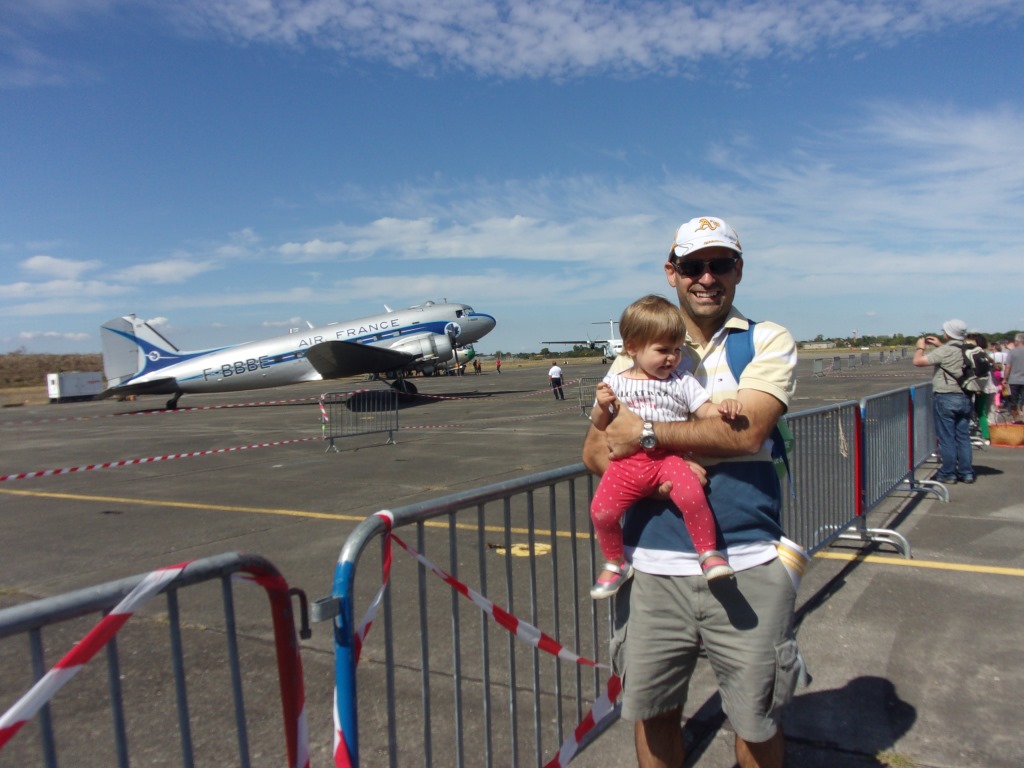
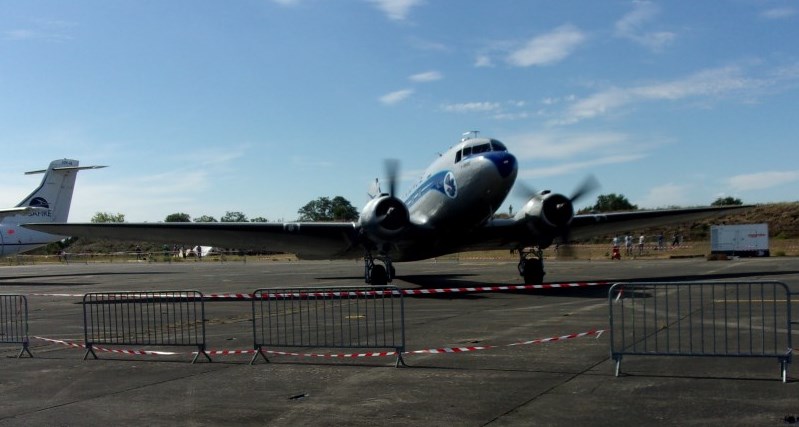
  • A former Air France DC-3 flying, once a common view, not so nowadays. (a joke a local told me in relation to current AF pilots’ strike: “this might be the only Air France taking off today”, a DC-3 in 2014 ;-)).
  • The “Patrouille de France” from l’Armee de l’Air in action, made up of Alpha Jets.
  • The “Breitling Jet Team” in action, made up of L-39 Albatros.

I wanted to share here some of the pictures and videos we took:

Nord Aviation Noratlas.

Nord Aviation Noratlas.

Nord Aviation Noratlas in static display.

Nord Aviation Noratlas in static display.

Mitshubishi Zero.

Mitsubishi Zero.

North American T-6 Texan

North American T-6 Texan

North American P-51 Mustang taxiing.

North American P-51 Mustang taxiing.

Listen to it here:

North American P-51 Mustan in static display.

North American P-51 Mustang in static display.

Andrea and I posing in front of a DC-3.

Andrea and I posing in front of a DC-3.

DC-3 with engines running.

DC-3 with engines running.

Listen to it here:

… see it taking off here:

… and see it overflying Francazal here:

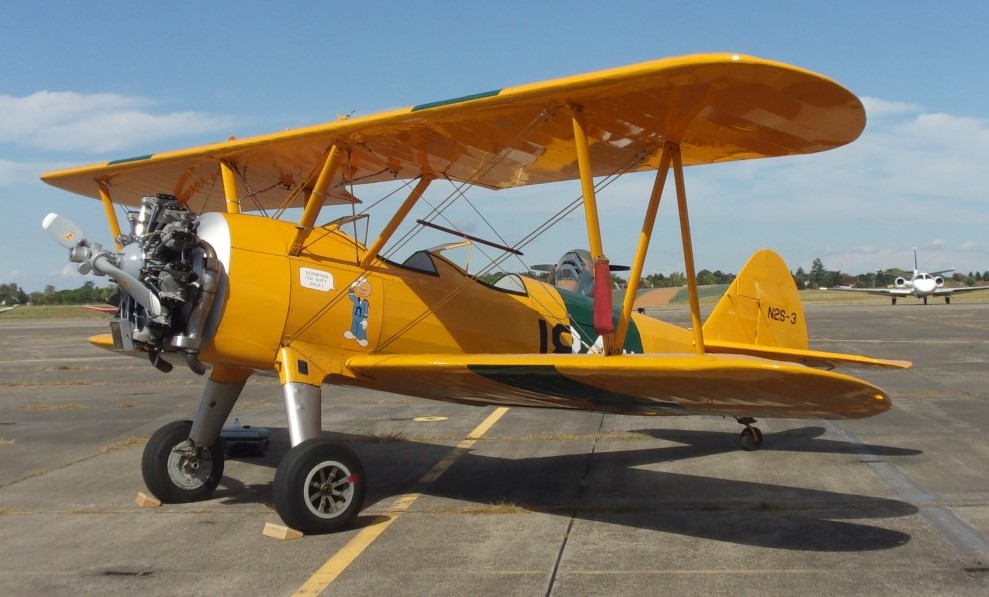
Boeing PT 18 Stearman

Boeing PT 18 Stearman in static display.

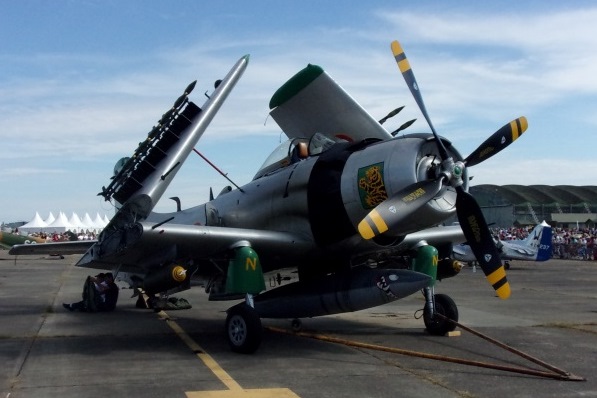
Douglas AD-4 Skyraider in static display.

Douglas AD-4 Skyraider in static display.

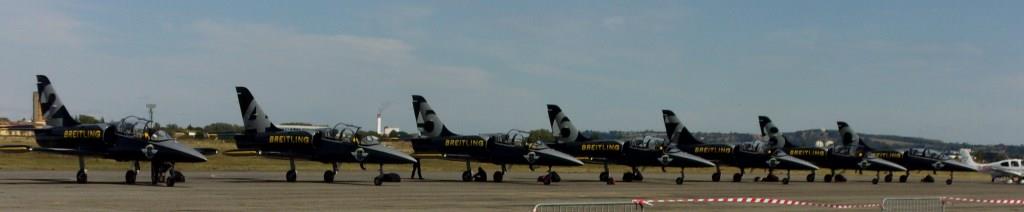
The Breitling Jet Team L-39 Albatros.

The Breitling Jet Team L-39 Albatros.

La Patrouille de France, beginning of the show.

La Patrouille de France, beginning of the show.

Other day, I will devote one post just with a video of the Patrouille de France performance.

Note: the last time I had attended a show here in Toulouse vicinity was in Muret 2011, you may see the post I wrote then about it.

3 Comments

Filed under Aerospace & Defence

Memories of my days in a wind tunnel

Some weeks ago my brother Jaime wrote a couple of posts in his blog about wind tunnels. A first general post in which he described how they work and mentioned some techniques including PIV, and a second post in which he described the acoustic camera.

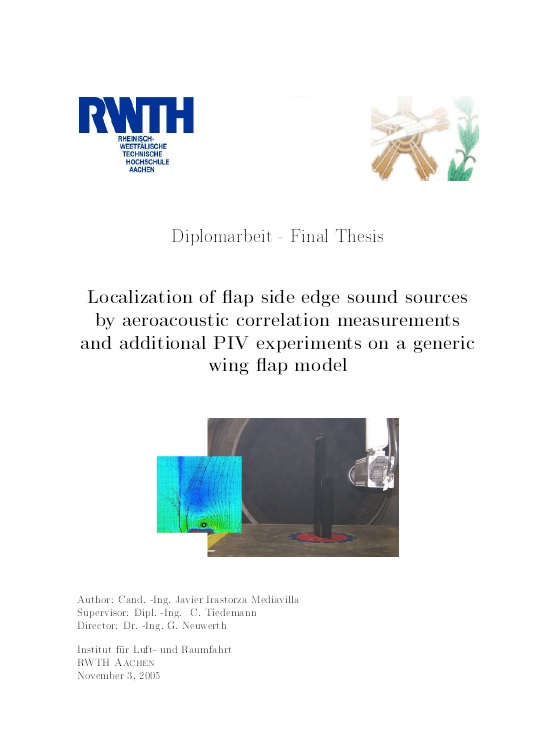
Master thesis front page.

Master thesis front page.

It happens that, back in 2005, I completed my aeronautical engineering master thesis with a project carried out in a wind tunnel at the Aerospace Institute (Luft- und Raumfahrt) of the RWTH-Aachen. Those two posts brought back some good memories and I thought I could share a couple of them here in the blog. Jaime has worked in a wind tunnel in Audi, and in his posts he included some pictures from other affluent wind tunnels. You will see here the contrast with budgetary constrains lived by universities.

I think that for this post I will be brief in the comments and will focus on sharing some pictures trying to bring you about what we tried to do and how we did it. Directly, from the thesis preface:

This Diplomarbeit is the result of two different experiments. Each one is dealing with different techniques but both share a common aim: the comprehension of the noise generation in the flap-side edge. That is the reason for presenting both experiments in a very similar way in this report, so the reader might see two parallel experiments which final results are analyzed together.

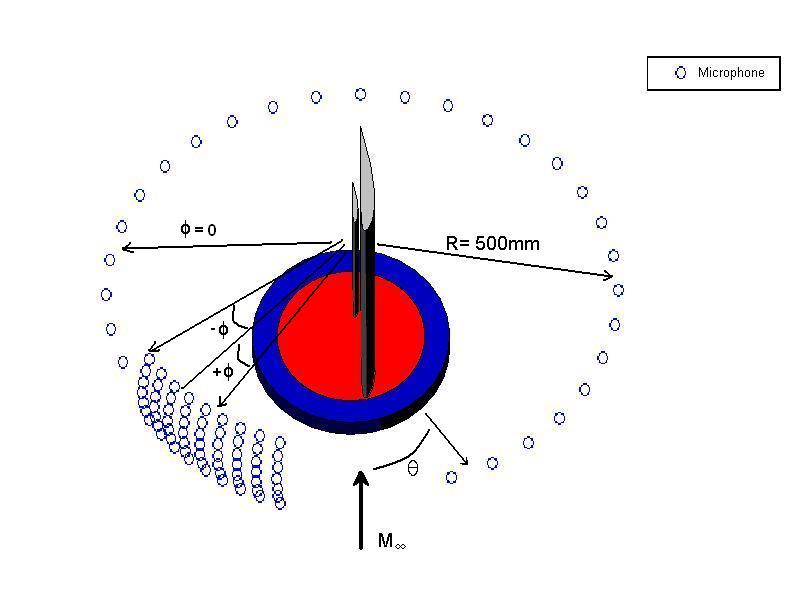
Thus we wanted to measure noise and correlate it with the flow around the flap. How did we measure the noise in the vicinity? “Aha! an acoustic camera!”, and you then remember the arrays of microphones my brother displayed in his post. See here the arrangement we had:

"Acoustic camera".

“Acoustic camera”.

Fancy, isn’t it? Except for which we indeed counted with a single micro, which we had to move to every position of the array and thus repeat long measurements endlessly. 🙂

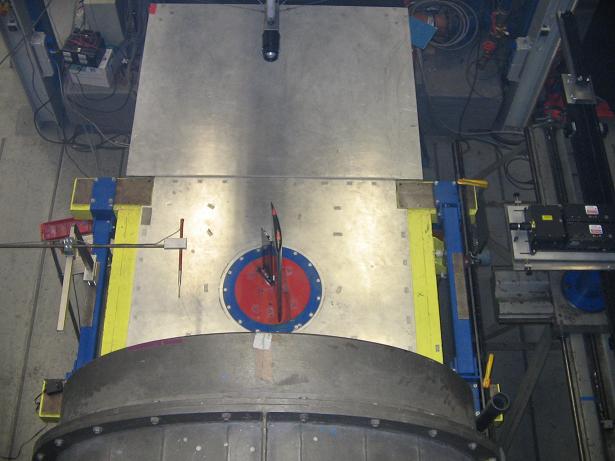
Aerial view of the experiment.

Aerial view of the experiment.

In the picture above you can see the wing profile with the single micro in the left (to the intrados of the wing).

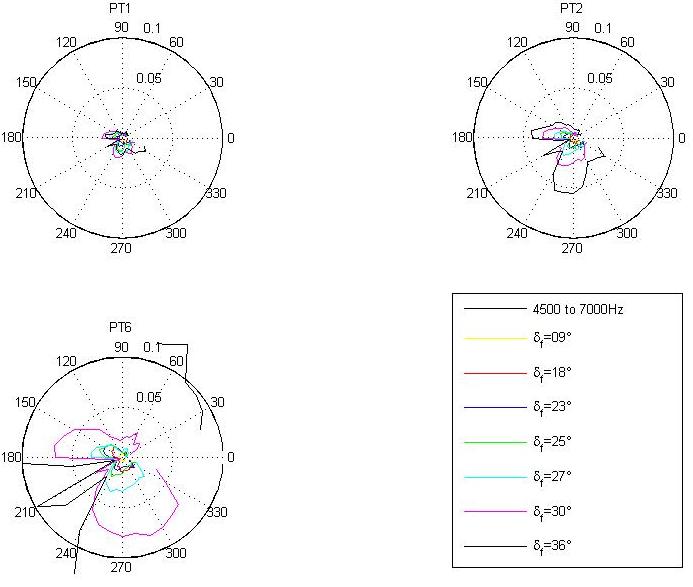
Once we had made dozens of measurements it was just a question of letting Matlab do the dirty job and plot measurements for each position at different flap deflections…

Measurements.

Noise measurements.

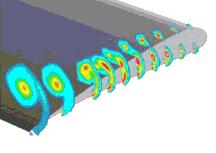
But remember that we wanted not only to measure noise but to correlate it with the flow structure at the flap edge. Let me advance you an image of what we wanted to see:

Vortex structure.

Vortex structure.

How did we make to study the flow? Another of the techniques introduced by Jaime, Particle Image Velocimetry, directly from the Wikipedia:

Particle image velocimetry (PIV) is an optical method of flow visualization […]. It is used to obtain instantaneous velocity measurements and related properties in fluids. The fluid is seeded with tracer particles which, for sufficiently small particles, are assumed to faithfully follow the flow dynamics (…). The fluid with entrained particles is illuminated so that particles are visible. The motion of the seeding particles is used to calculate speed and direction (the velocity field) of the flow being studied.

[…]

Typical PIV apparatus consists of a camera (…), a strobe or laser with an optical arrangement to limit the physical region illuminated (…), a synchronizer to act as an external trigger for control of the camera and laser, the seeding particles and the fluid under investigation.

Seeding the flow, recording it with a camera, using a laser beam… boy, doesn’t it sound fancy high-tech? Let’s go and describe it.

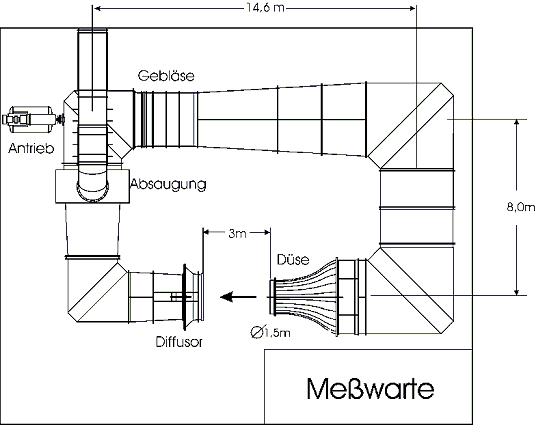
See a plan of the wind tunnel we used:

Wind tunnel plan.

Wind tunnel plan.

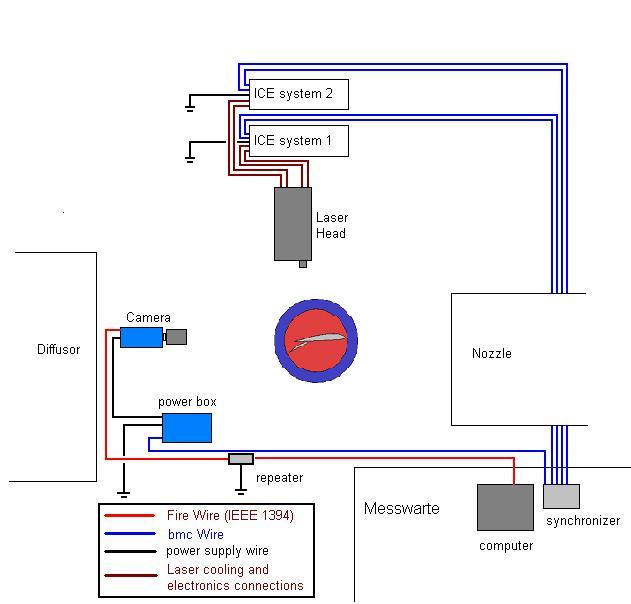
See an schematic of the equipment and connections we used for the experiment, all placed at the open section of the tunnel:

Schematic of the experiment.

Schematic of the experiment.

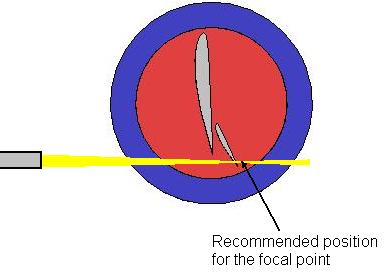
See exactly where we wanted to shoot at with the laser beam:

Laser

Laser bream.

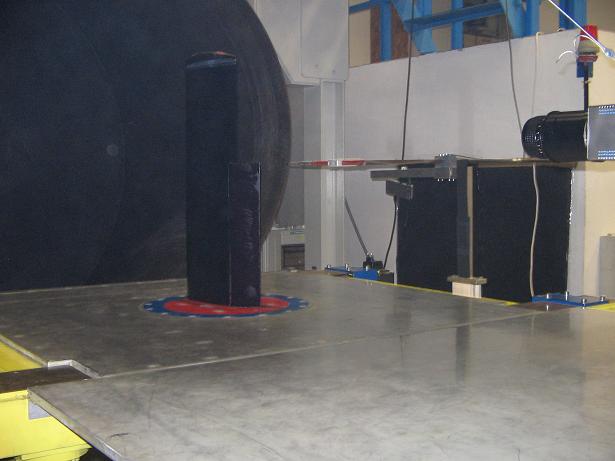
See from where we recorded the images (camera at the right side of the picture, downstream from the wing):

Our single micro.

Camera.

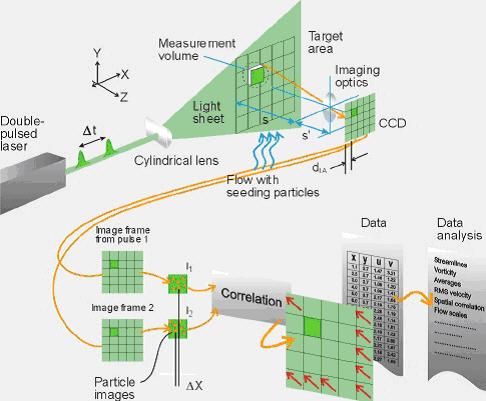
See in this other graphic a summary of the technique. The laser emits two consecutive pulses which light the seeded particles. The camera records those 2 consecutive images and a dedicated software measures the movement of each particle thus providing the information of the flow.

Schematic of PIV technique.

Schematic of PIV technique.

So far, so good.

However, it happens that this was the first time we were using the technique at the institute and despite of our reading of references it took us some time, trials and finally asking experienced people to pull the right strings. At the beginning we just either saw nothing or blurry images.

Blurry image.

Blurry image.

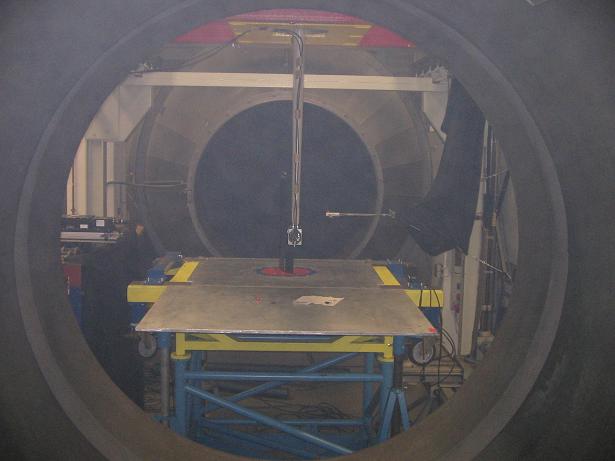
After days of running the tunnel seeded with oil particles you can imagine the fog we were in:

Oil fog.

Oil fog.

… and what we needed were two consecutive shots of very well-defined particles. In the end we managed to fine tune everything and get the desired results:

Image of particles.

Image of particles.

Once we had the images, we ran all the correlations with the acoustic measurements of our array of one microphone and had all the data to analyze, draw some conclusions, propose some new paths to continue experimenting and with which to write a nice thesis.

All that was left was to clean up the mess at the tunnel:

Cleaning the inside of the wind tunnel.

Cleaning the inside of the wind tunnel.

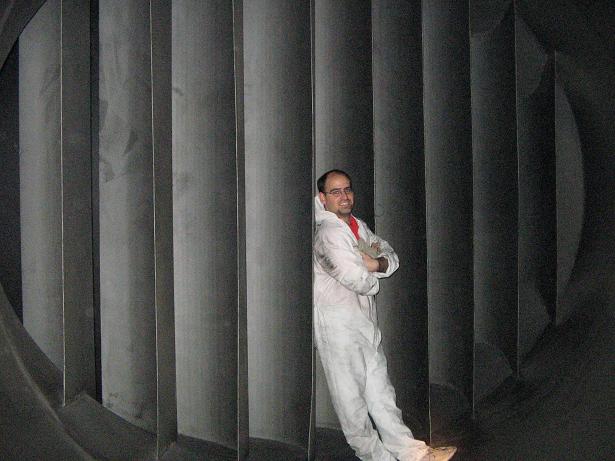
But, yeah, who’s got a picture of himself between the stator and the rotor of a wind tunnel? 🙂

Me among the vanes of the stator.

Me among the vanes of the stator.

6 Comments

Filed under Aerospace & Defence, Education

Douglas C-124 Globemaster II “Old Shaky”

A few days ago I saw the tweet below that reminded of an anecdote that I wanted to blog about since some time ago.

Last year, when we visited the Pima Air & Space Museum, one of the aircraft at the outdoors exhibit was the Douglas C-124 Globemaster II “Old Shaky”. Our guide during the tram tour, an US armed forces veteran, explained how the aircraft had a crawlway to access and service the engines in-flight!

Once the tram tour concluded, I went for a walk around the aircraft to inspect it.

As you can see the aircraft have the inner engines located at the same wing cross-section than the main landing gear. And since the landing gear doors were opened I checked and found a small hole which I deduce that leads to the crawlway by which the flight engineer had to access to the engines. Not a very comfortable passage indeed.

This slideshow requires JavaScript.

See below a comment I found in a specialized forum on the use of this crawlway by veteran in the 1950s (Barry de Vries):

Flew “Old Shakey” out of TCM (McChord) from the spring of ’55 until July of ’57 after 4 or 5 months on the C-54. On my first trip as a C-124 A/C we had #4 engine generator overheat light come on just past the PSR between Travis and Hickam. That required an engine shutdown due to the proximity of the generator to the carburetor. The F/E crawled out through the wing and verified that the generator was hot, returned to the flight deck for about 20 minutes while it cooled down and then went back out there to remove it and put a pad over the hole. Sometimes, we had a spare generator in the “fly-away” kit but we did not on that day. After he returned to the flight deck, we fired up #4 again and proceeded, without further incident, to Hickam. In later years, jet engines had CSDs (Constant Speed Drives) which would disconnect the generator with the flick of a switch. Those 124 days were interesting to say the least………. wouldn’t trade them for anything.

On the other hand, after sharing this anecdote with some work colleagues they noted that in earlier times of aviation the accessing to the engines during flight for inspection or servicing was rather common.

Leave a comment

Filed under Aerospace & Defence

Benefits from space exploration

If you are not an aerospace enthusiast I guess that probably you have questioned once or twice the motives and the benefits for society from space exploration. Luckily, with the widespread use mobile technology the GPS quickly comes now to mind when such questions arise.

I just stumbled upon the latest outreach campaign from NASA and I wanted to share some of its features here.

Let’s go first to aviation. See in the tweet below the different contributions that NASA has made to commercial aviation and which today enable your cheap, safe, reliable, on-time flights in holidays:

Then, there is a series of videos under the theme “International Space Station Benefits from Humanity“.

The series covers, among others, water purification technologies or tooling used in neurosurgery developed from robotic arms at the ISS. Here I wanted to share a video on how the Vessel-ID System has contributed to make navigation around the oceans safer, as ships emit an Automatic Identification System (AIS) signal very much like airplanes do with air traffic control. The signal is received by the European Space Agency (ESA) Columbus module at the ISS and then sent to a centre in Norway which continuously evaluates them.

See in the video below how this technology works and has contributed make navigation safer and safe lives:

NOTE: Compare this scenario with the disaster of the Titanic.

2 Comments

Filed under Aerospace & Defence

Airbus E-Fan

Yesterday, a small event for employees was organized at Airbus Delivery Centre in Blagnac to see the concept airplane E-Fan, a prototype 2-seater electric aircraft. The airplane is expected to go into series production by 2017, by then the design will evolve in a side-by-side seating.

During yesterday’s event, the plane was to make a couple of flights. In the end it only made the first one, which I missed, and thus I didn’t get to see it flying. Nevertheless, I could get into the hangar, where the colleagues involved in the project were starting to disassemble it and I could take some pictures, ask some questions, wander around… #avgeeking.

See below the pictures I took and a video from Airbus Group Youtube channel:

1 Comment

Filed under Aerospace & Defence

Refuelling or not refuelling?

Last week, I took my brother and sister onboard of one of my flight lessons. Ahead of the flight I reminded my instructor that I would bring them along and asked what flight route should I prepare. His response: “prepare the weight and balance report, the destination will be a surprise”. And so I did.

For those not initiated, each aircraft has a defined maximum take off weight (MTOW). Before the flight, the pilot needs to ensure that the aircraft will be below that weight. On top of that, the centre of gravity must be within certain limits. That is the weight and balance (1).

For a small simple aircraft like the Robin DR-44 we flew, it is a rather easy calculation that can be done with a pencil. See in the image below two ways of calculating it: making the numbers or using the graphic at the bottom of the image.

Weight and balance report for Robin DR-44.

Weight and balance report for Robin DR-44.

Let’s review the numbers. We flew the DR-44 with immatriculation F-GSRR, which empty weight is 616kg. I estimated that the instructor and I, fully dressed and with headsets would weight ~160kg. My brother and sister behind, another 160kg. Baggages: I almost emptied mine and weighted it, 2.5kg. My instructor’s one is rather heavy, I assumed that together they would be 10kg. Principal fuel deposit: 110L of Avgas, with a density of 0.72kg/L, 79.2kg. Another 50L for the reserve deposit, 36kg.

Summing up: 1,061kg.

You can read in the image that the maximum take off weight for the plane is 1,000kg…

What to do then? Clearly, the aircraft is a given, so weight shall be reduced from somewhere else. But, from where? Either we left someone on ground or reduced baggage weight (my instructor left his and brought along only a book with aerodrome charts). However, baggage weight contributed only 10kg to the initial calculation. I then calculated: what is the maximum fuel we can carry?

Forget the reserve deposit: 36kg less. Let’s go with the principal deposit. What is the maximum fuel volume that would enable us to be within the 1,000kg limit? It would be somewhere about 80L (vs. the capacity of 110L of the deposit).

When I arrived to the aerodrome, I came with the message to my instructor: “Thierry, we can only carry 80L, if the plane is filled up with fuel, is there a way to purge it?” “No.” I then explained the numbers I had made and we went through them together.

Next step: check the fuel indicator of the plane… ~3/4… or about 80L, with the reserve deposit empty. We would be just within the limit!

We then proceeded with the preparation of the route, the pre-flight check, etc., and had good time with the flight (see report of the experience by my sister, in Spanish).

From this experience I learned a take away for future flights: when finishing your flight, it is normal etiquette towards the next pilot to refuel the aircraft if you see that the deposit is almost empty, however, it can be counter productive to fill it up completely if the next pilot is going to fly with passengers and close to the MTOW. I would then suggest that it is better to just fill it up to the volume where you know that the next pilot can have all choices open. For our DR-44 that would be filling it up to 3/4 of the main deposit (leaving reserve empty) (2). If the next pilot wants to travel along to a far distance needing more fuel he can always fill up more litres. This target weight will be different for each aircraft.

(1) See here another post I wrote two years ago about weight and balance calculations in the same plane model.

(2) Bear in mind that I found the airplane with precisely ~80L: coincidence or the previous pilot had come to the same conclusion at some point?

1 Comment

Filed under Aerospace & Defence