Tag Archives: Dordogne

Flight excursion around the Lot and Dordogne

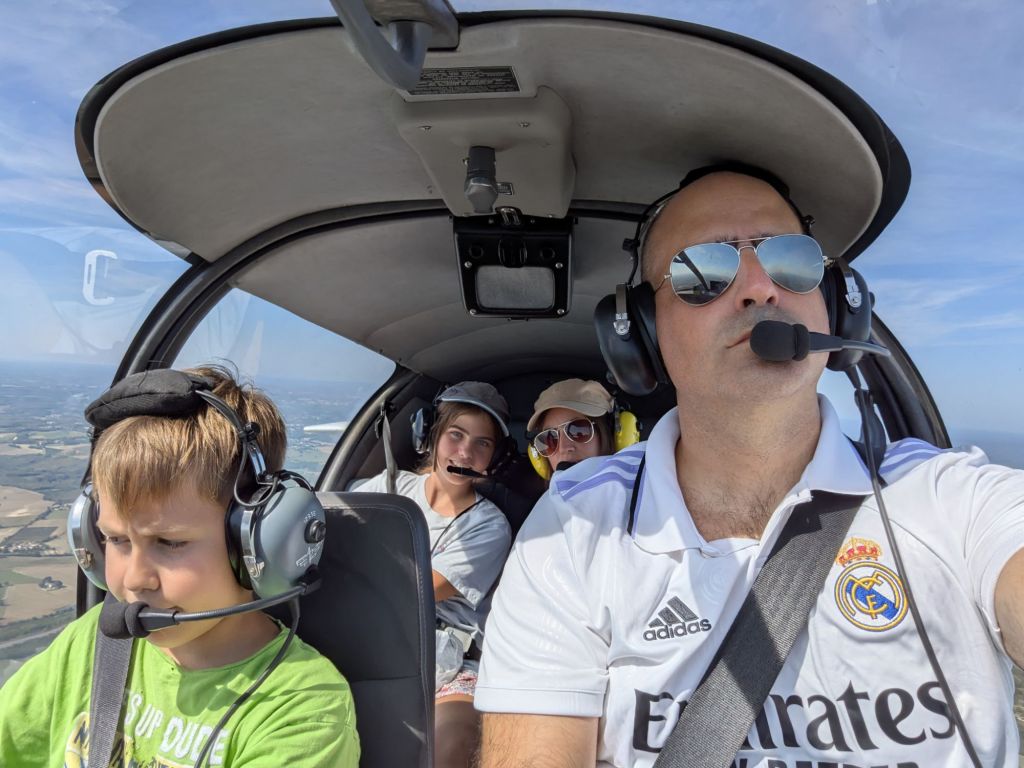
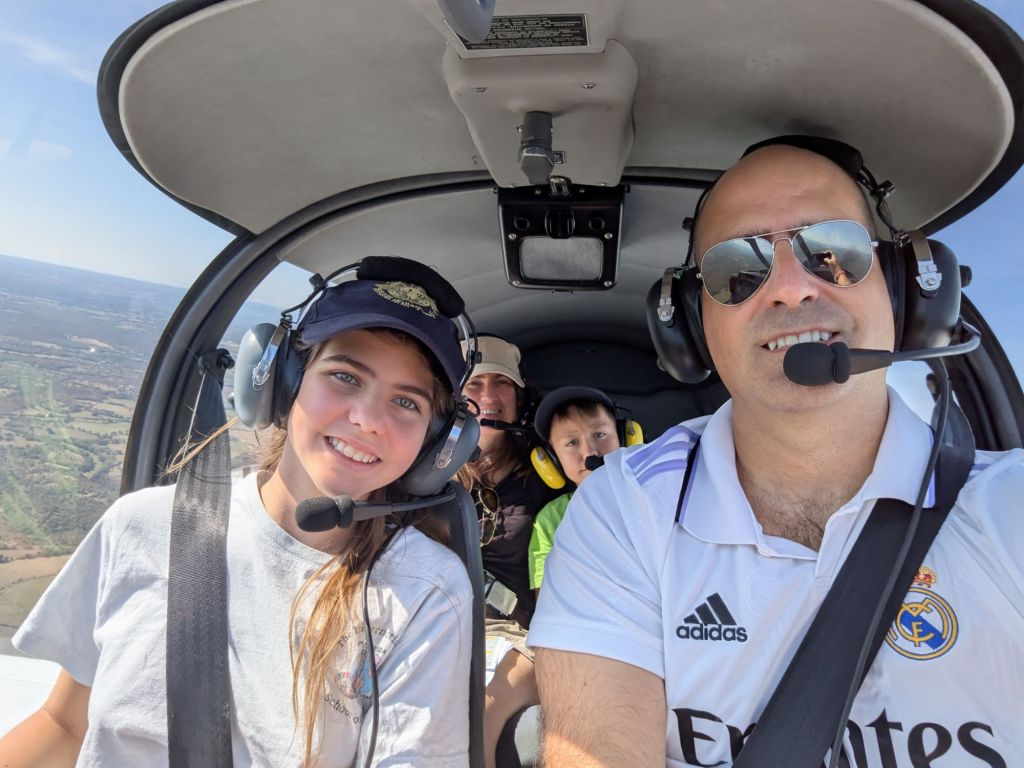
Yesterday, together with my family, we participated in a fly out excursion organized by Jean Claude and his aeroclub du Quercy for members of our Aviation Society. We came with different aircraft to meet at Cahors (LFCC) and from there, Jean Claude had prepared a closed loop circuit around the valleys of the rivers Lot and Dordogne, with several points to spot and some quizzes around the area.

Summary of the excursion

As our aeroclub is based in Toulouse Lasbordes (LFCL) we first had to fly to Cahors, a 40 minute flight.

Once at Cahors, we met different members of the local aeroclub and received a last briefing and some advice around the flight. The circuit was divided in 5 sectors.
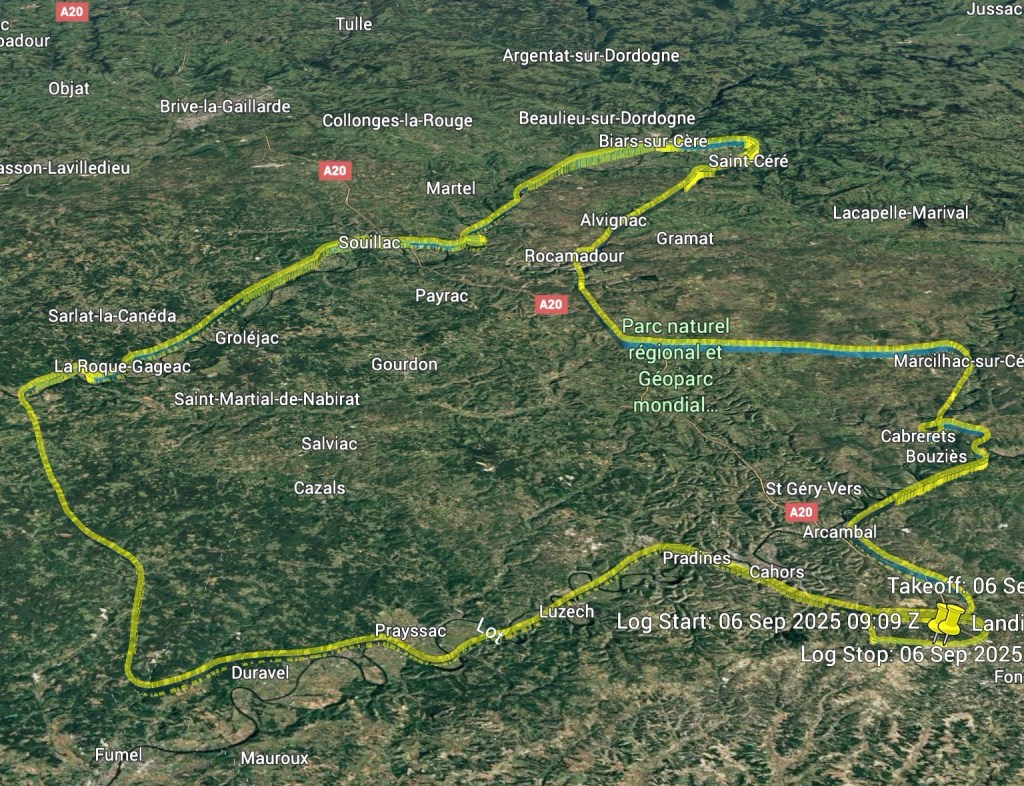
Sector 1: in this sector we had to spot castles along the Lot, including the Château de Mercués (which belonged to Georges Héreil, former manager at Sud Aviation and father of the Caravelle), the Château de Caïx (acquired by Queen Marguerite II of Denmark, as her  husband, prince Henrik, came from the region), Puy l’évêque and the Château de Bonaguil.

Sector 1
Château de Mercués
Château de Caïx

Sector 2: it consisted of flying North to reach the Dordogne, by way of Villefranche du Périgord.

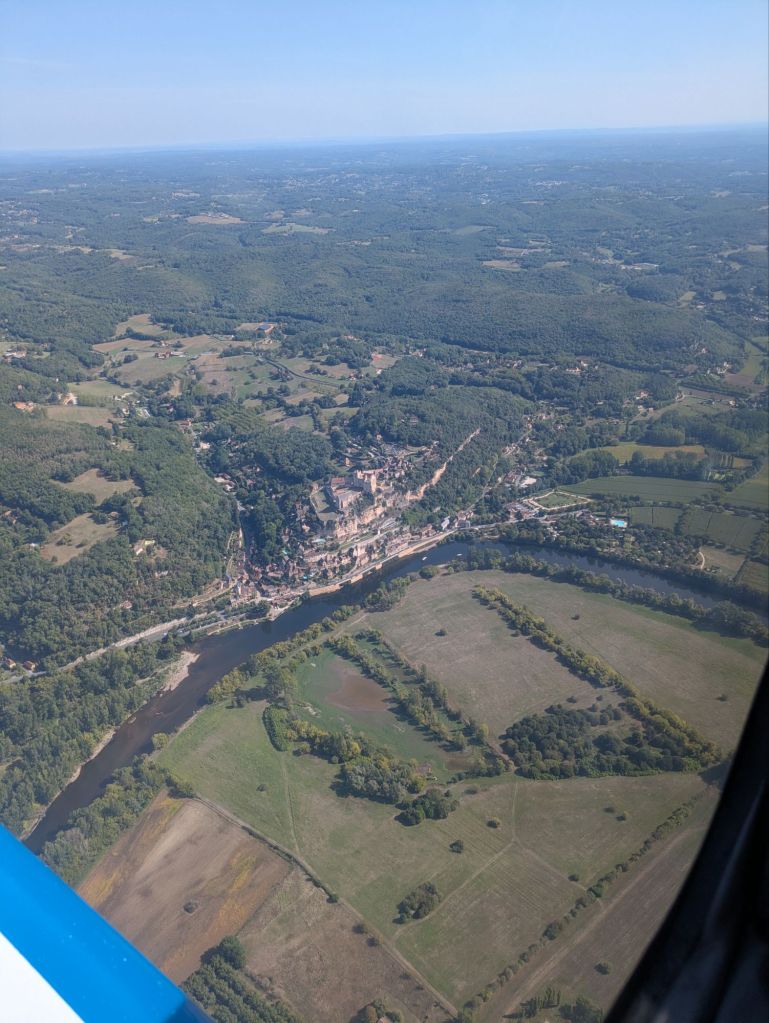
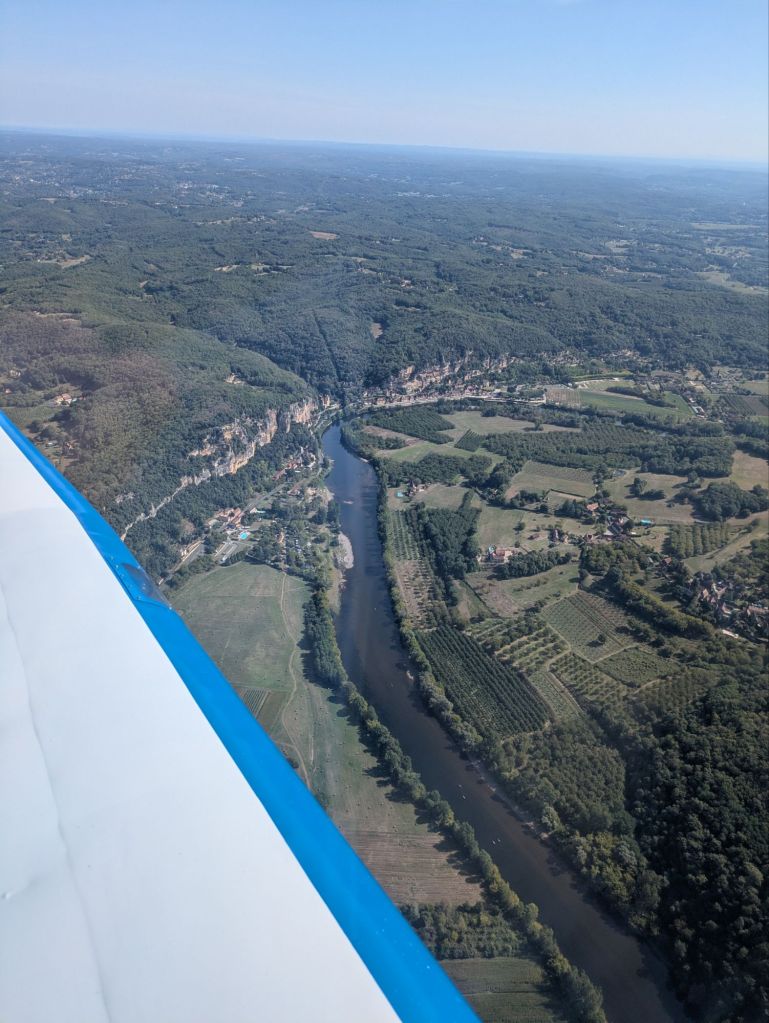
Sector 3: in this sector we had to spot castles along the Dordogne, including the Château des Milandes (which belonged to the American French singer, activist, resistance agent Joséphine Baker – whose remains rest at the Pantheon), Beynac-et-Cazenac, La Roque, Domme, Souillac.

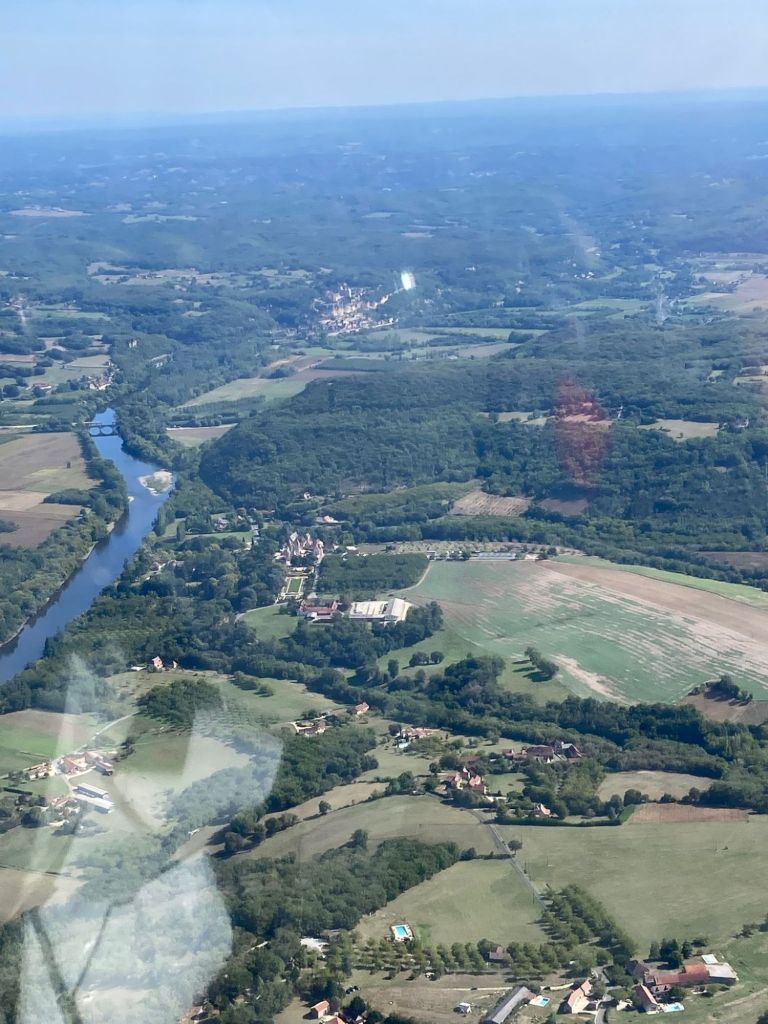
Sector 3
Château des Milandes
Beynac-et-Cazenac
La Roque

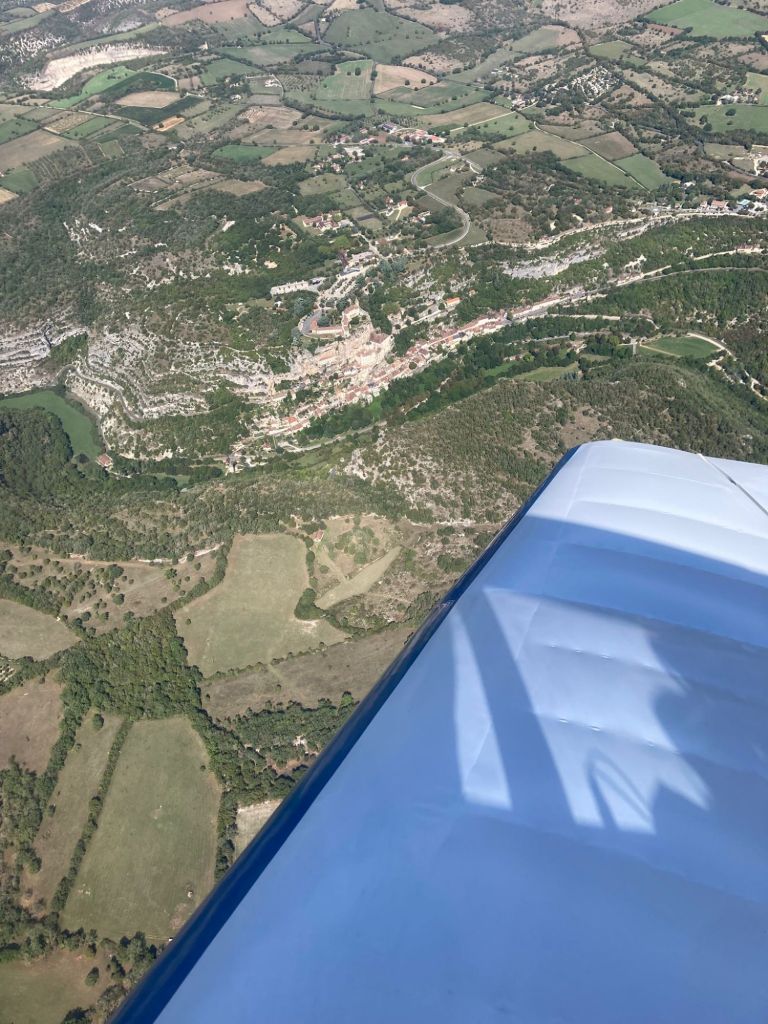
Sector 4: in this sector we had to continue spotting castles along the Dordogne, including Château de la Treyne, Château de Belcastel and Château de Castelnau Bretenoux, we then turner South to fly over Saint Céré (home of the tapestry  artist Jean Lurçat), then West towards the fall of Autoire (seemed dry from the air), Rocamadour and Labastide Murat (origin of the Marshal Joachim Murat).
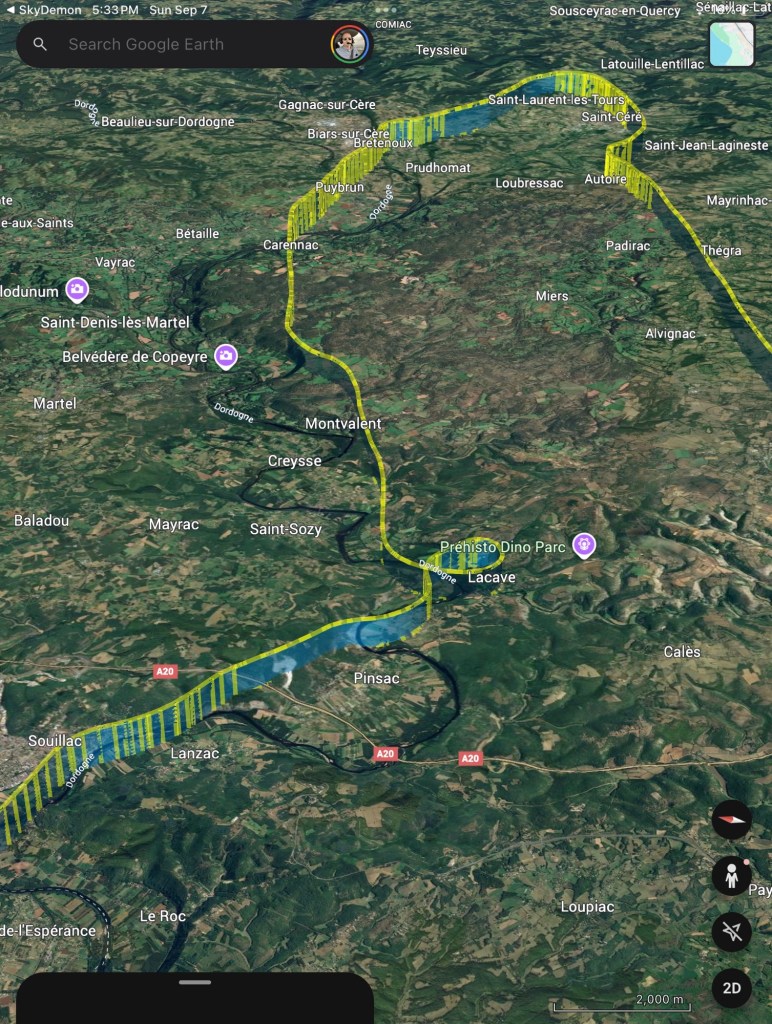
Sector 4
Château de la Treyne
Rocamadour

Sector 5: in this sector we went back to the valley of the Lot, by way of Marcilhac sur Célé, Cabrerets (where the Pech Merle cave is located, with its prehistoric cave paintings) and reaching Saint-Cirq-Lapopie. We then flew back to Cahors (birthplace of Leon Gambetta).
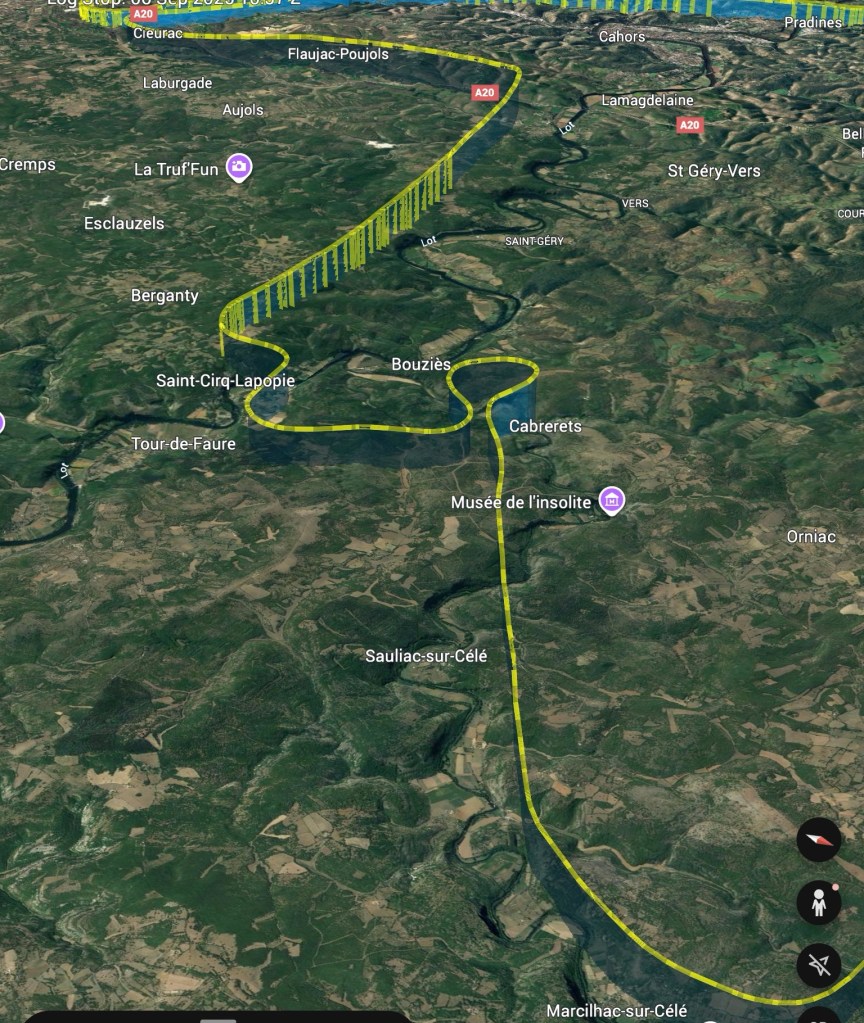
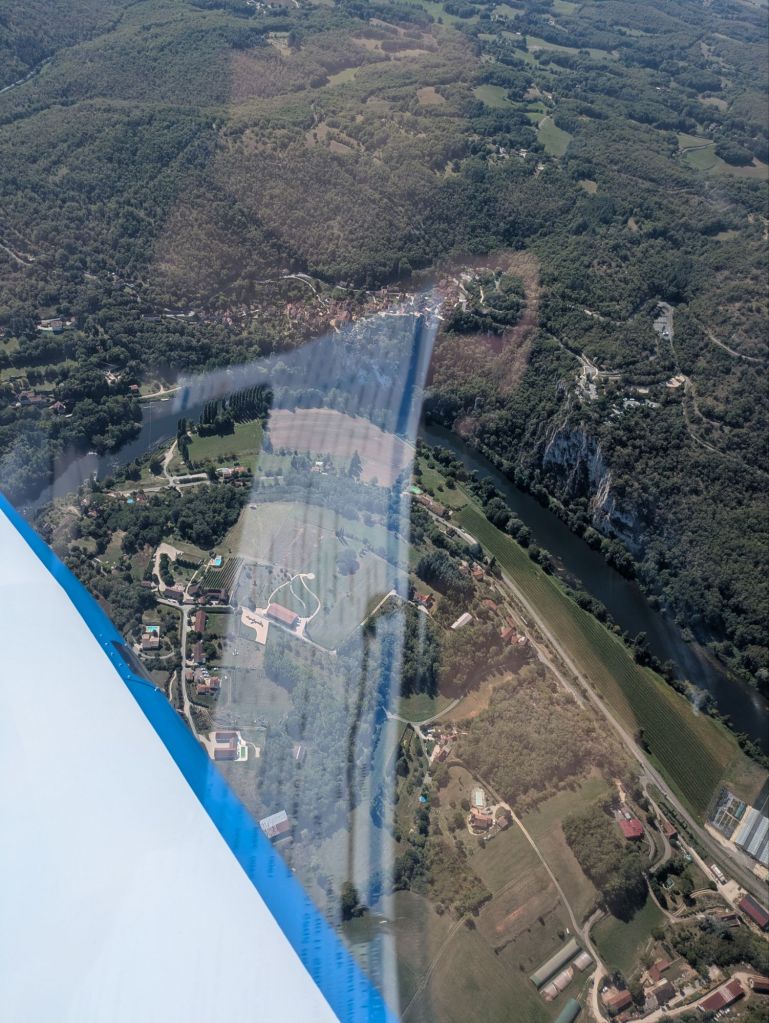
Sector 5
Saint-Cirq-Lapopie

When we completed the circuit, we landed again at Cahors and shared a delicious lunch with the participants and members of the local aeroclub (very welcoming). They showed us as well the flight simulator they have developed in house to help with the training of new pilots.
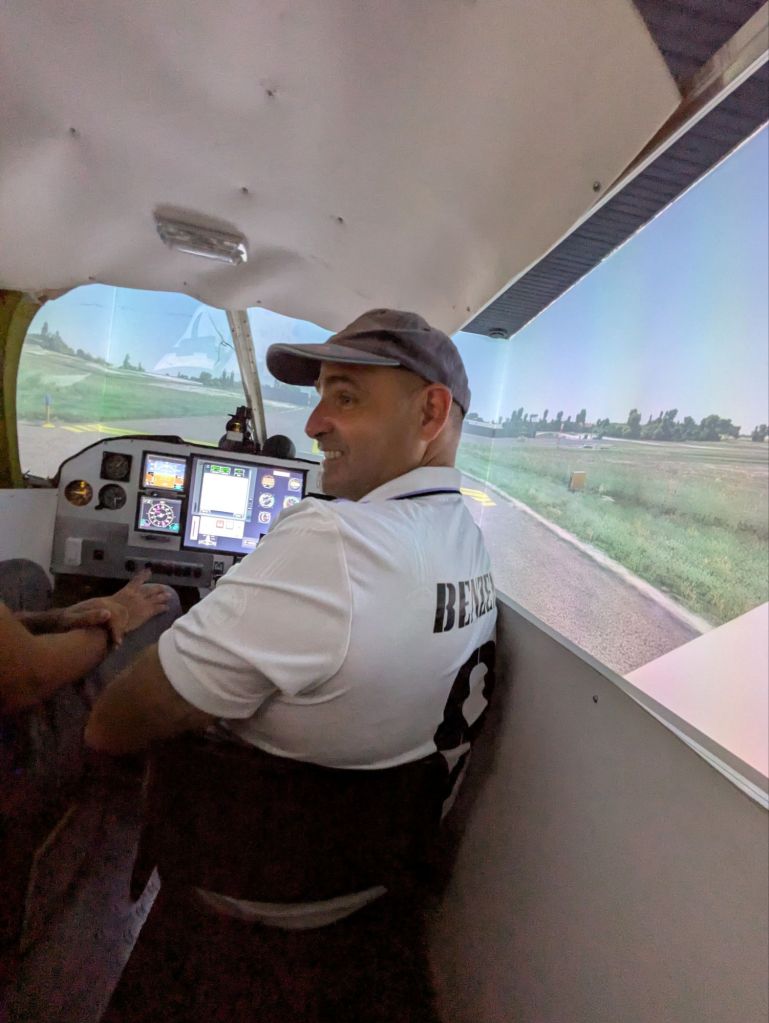
Flight simulator at Cahors aeroclub du Quercy

Once, finished we bid our farewell and flew back to Toulouse.
Leave a comment

Filed under Aerospace & Defence

Flight excursion to Rocamadour and Saint Cirq Lapopie, via Montech and Moissac

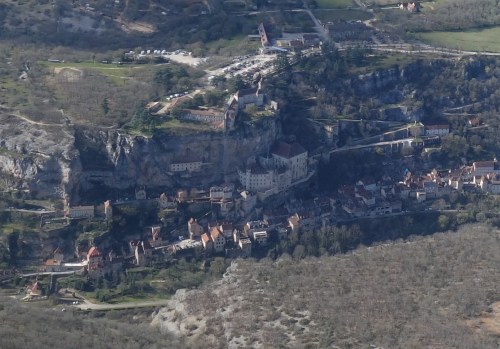
Rocamadour is a small village built in the gorges of a tributary to the Dordogne river. Several of its houses, churches and shops are partially built within the rocks. With about 500 inhabitants it receives 1.5 million of visitors per year, making it one of the most visited places in France and a major attraction for pilgrims, who among other things come to see a black Madonna in a chapel in the rock carved by Saint Amadour, hence the name of the village.

On the way to Rocamdour, flying from Toulouse there is Saint Cirq Lapopie, a small village built on a cliff over the river Lot. Both Rocamadour and Saint Cirq Lapopie are two of the most beautiful villages in the Midi-Pyrénées region and an obvious destination for an excursion, on the ground (which we did years ago) and flying.

Last Saturday, my father in-law and I booked a plane (a DR-400-120) at about 14:10 to fly over those places. In the way we would fly over Montech, to see the “Pente d’eau” from the sky (1), and Moissac, to see the Pont-Canal du Cacor, a bridge over the river Tarn made to allow the canal Lateral (an extension to the canal du Midi) to continue its course towards Bordeaux.

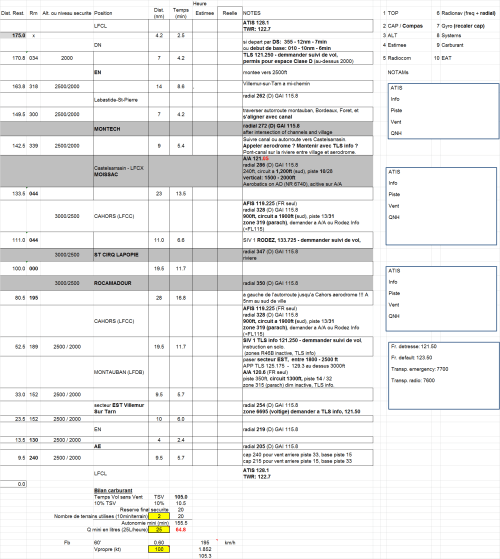
The flight would be over 175 nautical miles (over 320 km) and would last almost 2 hours with the integration to the aerodrome circuit, though in the end we spent 2 hours and 10 minutes with the rounds we made around the different spots. The navigation went rather well with no other help than the chart, compass, heading indicator and VOR (no GPS nor tablets). We had some doubts at a couple of points but we quickly found ourselves, once with the help of the controller.

Navigation log.

Navigation log.

This was the first flight in which we used the GoPRO video camera that I got last Christmas together with the suction pad to stick it to the windshield. With it we were able to have over 90 minutes of videos recorded that I have tried to shorten into the following 7 minutes:

At some points in the video the ground below seems to move slowly: we were flying at between 180 and 200 kilometres per hour, but at some 1,500 to 2,000 feet (500-700 m) above ground that is the way it feels. Be assured that the closer you get to the ground the faster it feels :-).

In the chart below you can see the route we followed: departure from Toulouse-Lasbordes (East of Toulouse), waypoint EN, Labastide-St. Pierre, Montech (South West of Montauban), Moissac (West of Castelsarrasin aerodrome), St.Cirq Lapopie (via Cahors) and Rocamadour (North West of Figeac).

Chart

Lastly, some pictures with the images of both villages and the flight log as used after the flight.

St Cirq Lapopie.

St Cirq Lapopie.

Rocamadour.

Rocamadour.

Rocamadour.

Rocamadour.

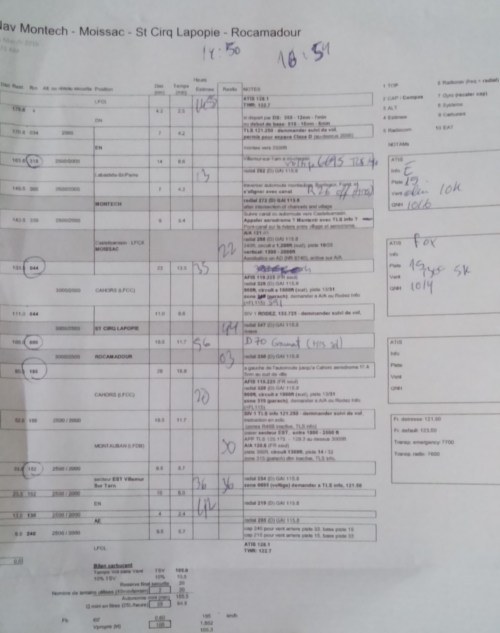
Navigation log as used after the flight.

Navigation log as used after the flight.

(1) See here a post I wrote about it.

(2) Actual engine running time: LFCL-LFCL: 2.17 FH (2h10′, with the aircraft registered as F-GORM, with an engine powered with 120 HP) (taking off and landing from runway 15).

1 Comment

Filed under Aerospace & Defence, France, Travelling