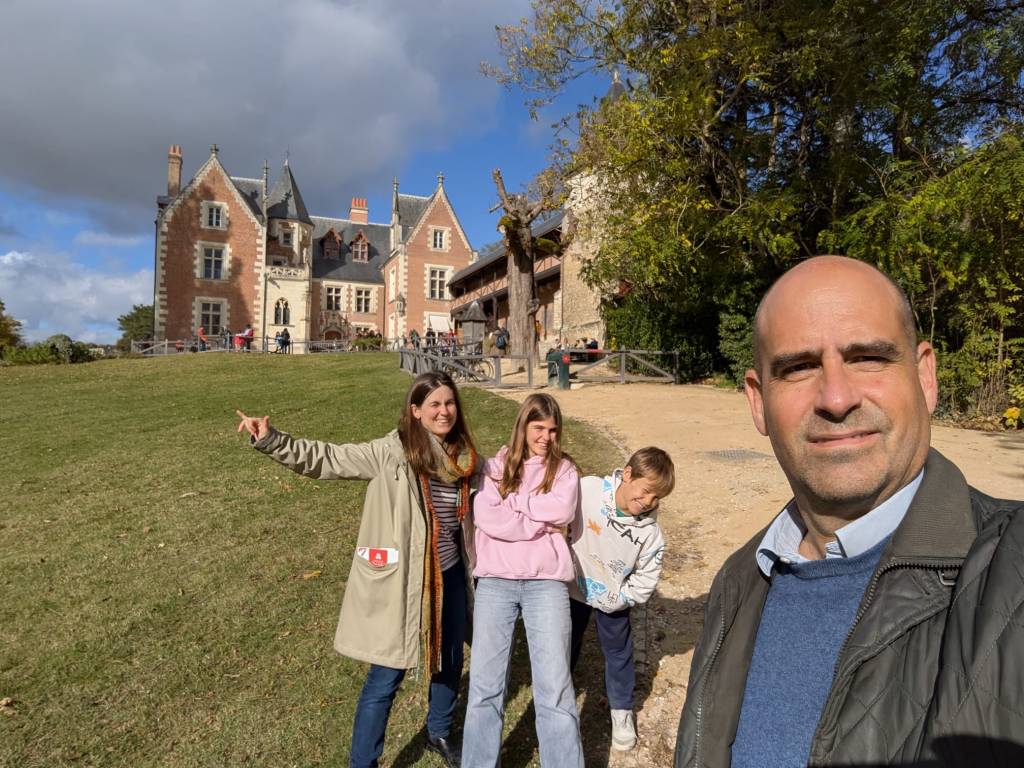
This is a post about the Château du Clos Lucé in Amboise, the place where Leonardo da Vinci spent his last three years (1516-1519) and where he died, a guest of King Francis I, who had appointed him “premier peintre, ingénieur et architecte du roi” (“first painter, engineer and architect to the king”).
I first visited it with the family in December 2018, during a Christmas road trip to The Netherlands with a stop over in the Loire. We returned in late October 2025, seven years later.
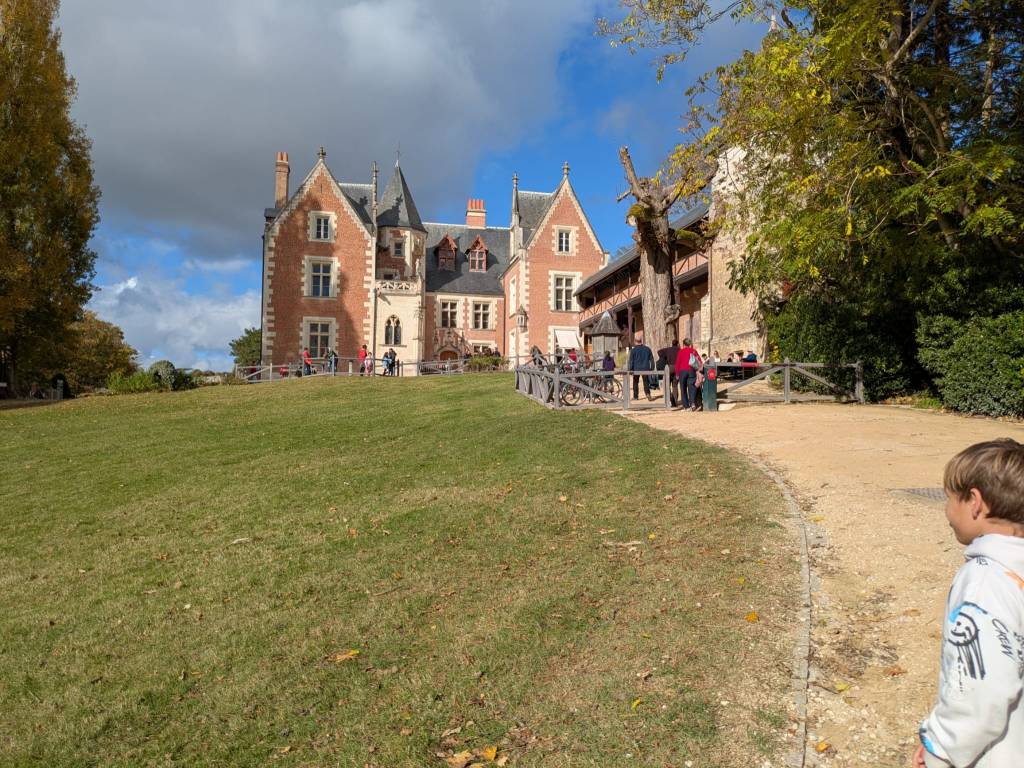
The estate was given by Louis XI to Étienne le Loup in 1471, who built the manor then known as Château du Cloux. In 1490 it was bought by Charles VIII and became a summer house of the kings of France; Louise of Savoy, regent of France, raised her children there, among them the future Francis I. In 1516, after the death of his patron Giuliano de’ Medici, Leonardo accepted the king’s invitation and travelled to France with a few pupils and three of his paintings, including the Mona Lisa.
The château stands about 400 metres from the royal Château d’Amboise, and the visit shows the entrance to an underground passage that connected the two. Legend has it that Francis I used it to visit Leonardo.
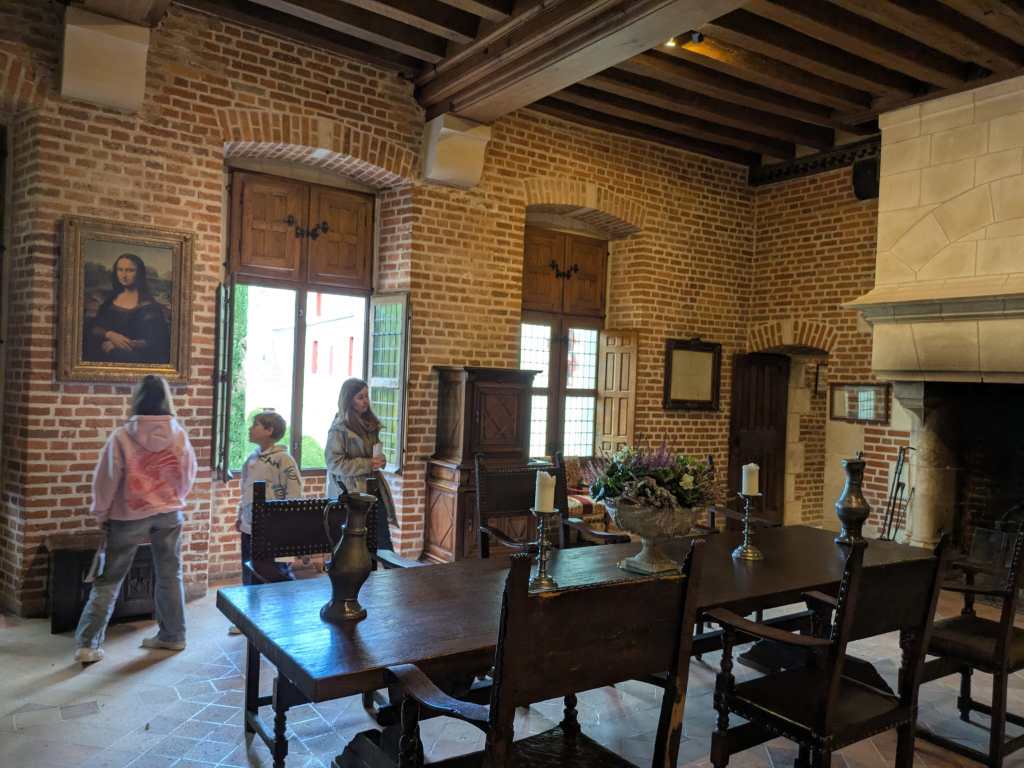
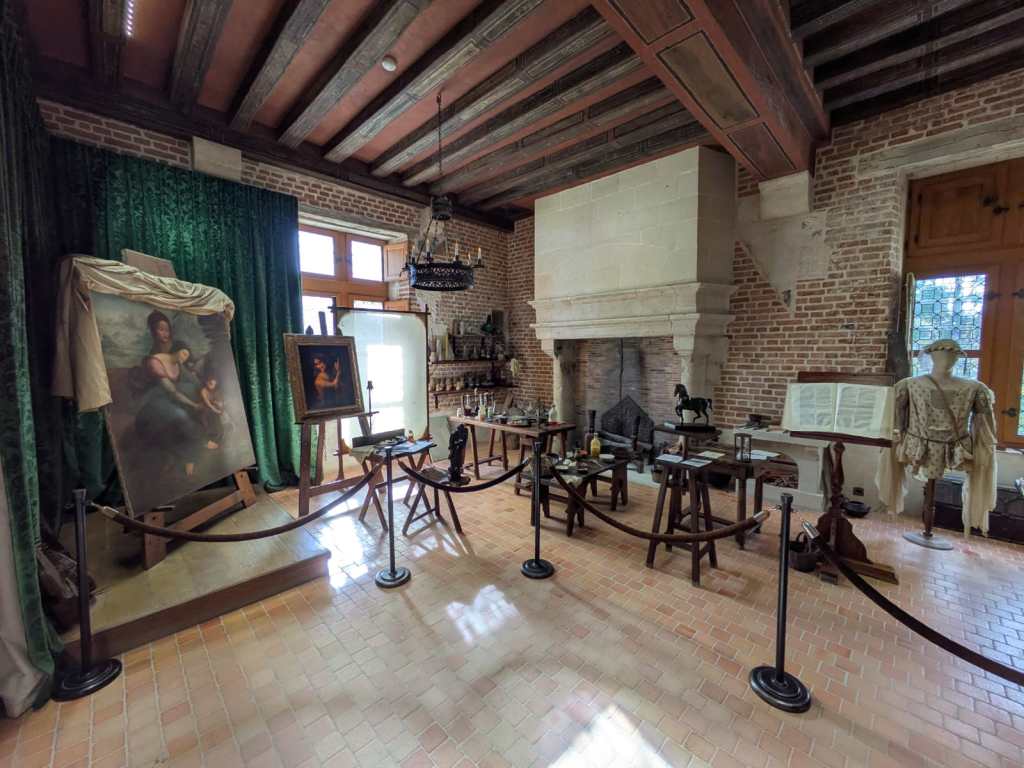
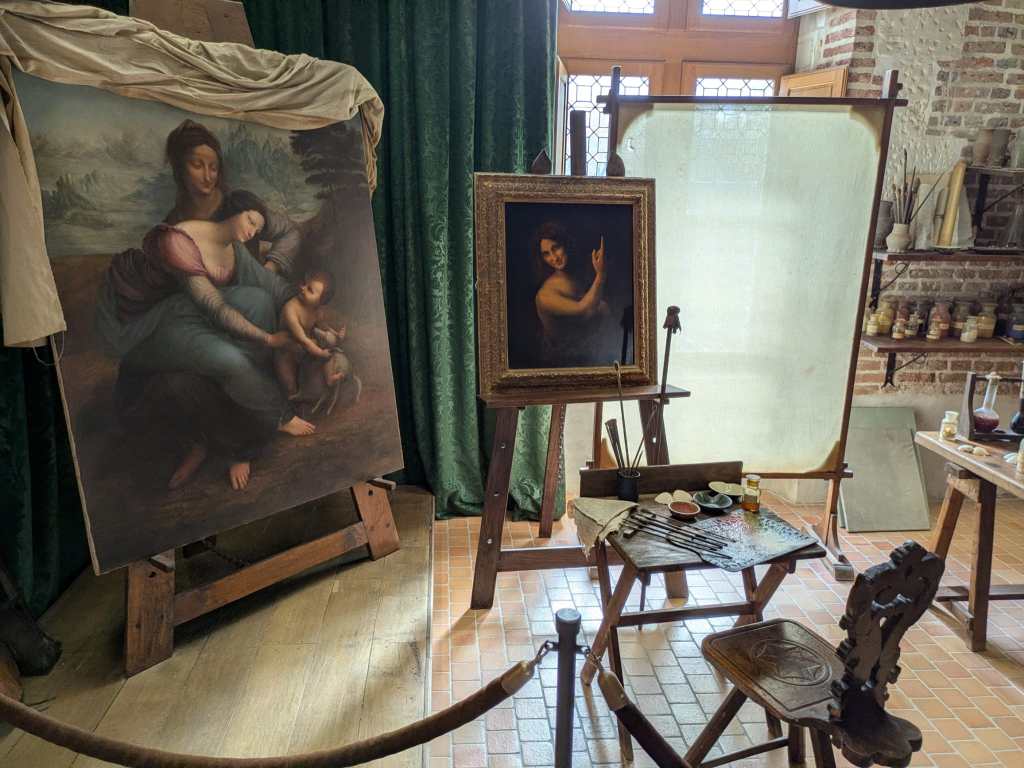
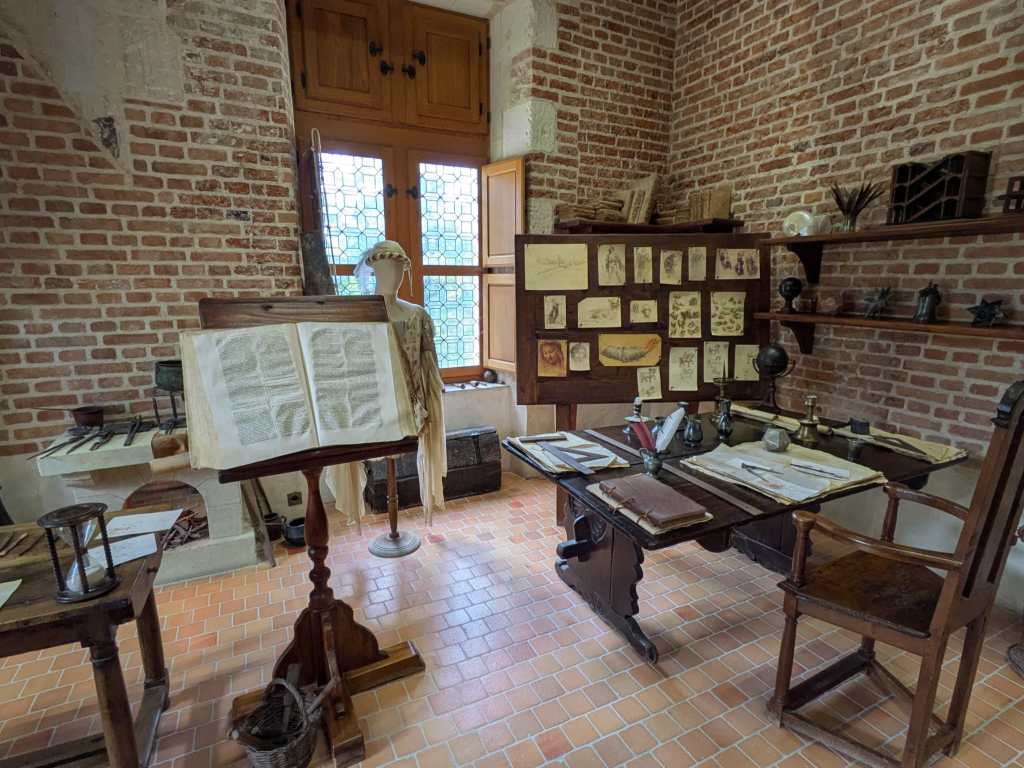
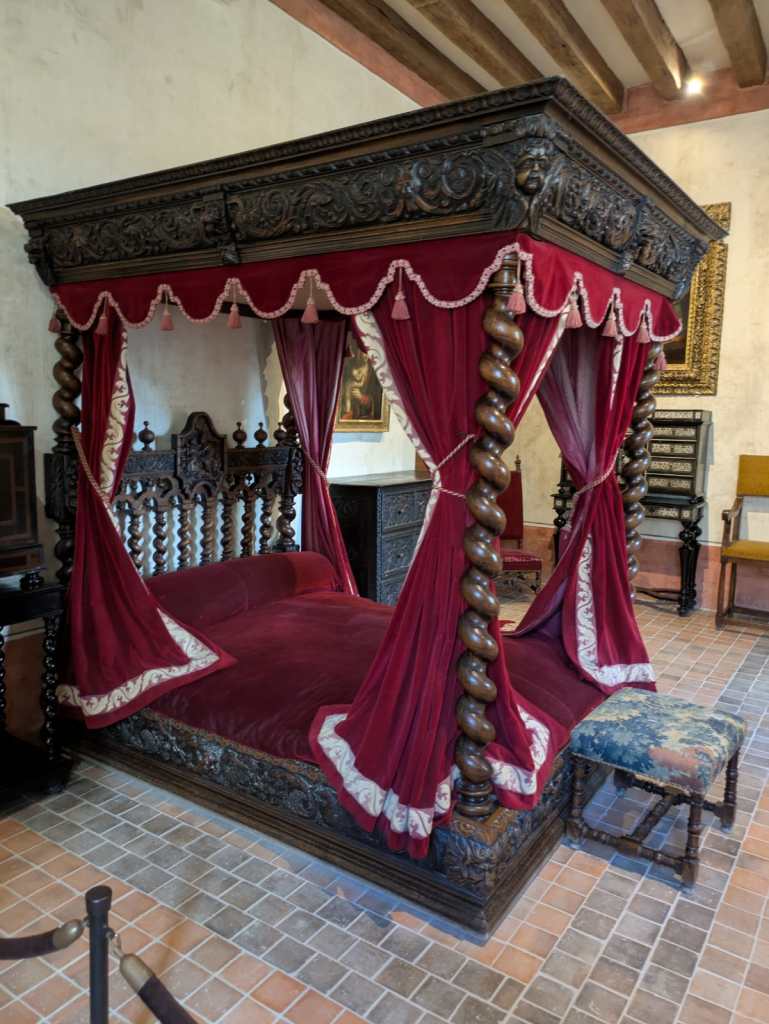
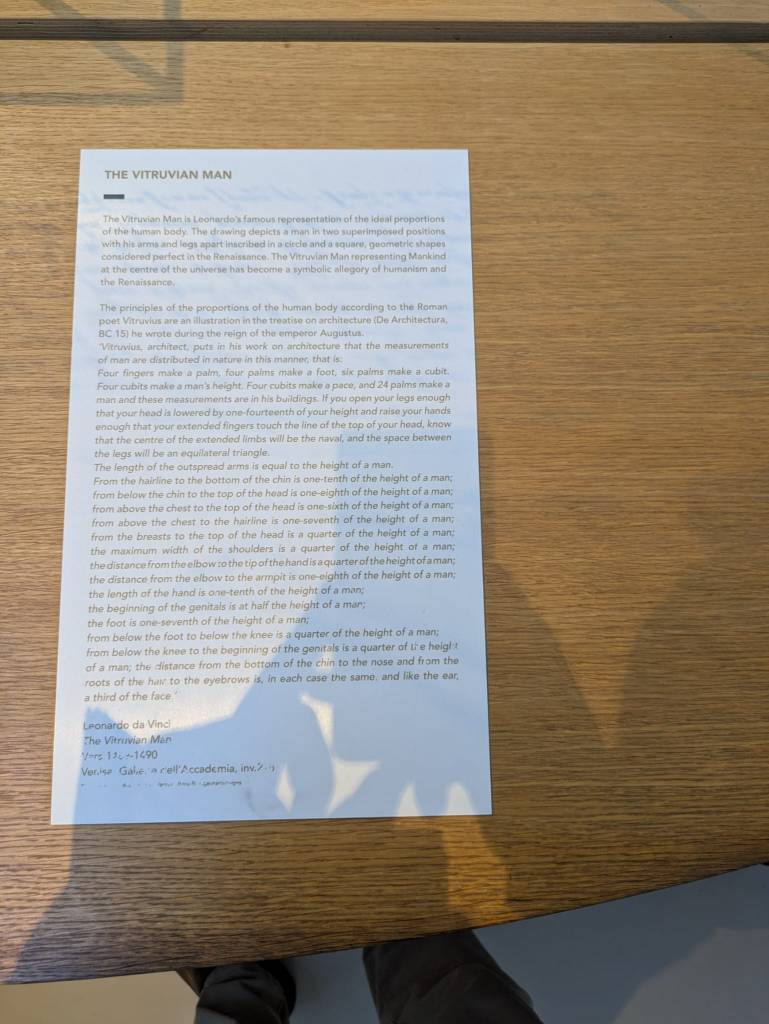
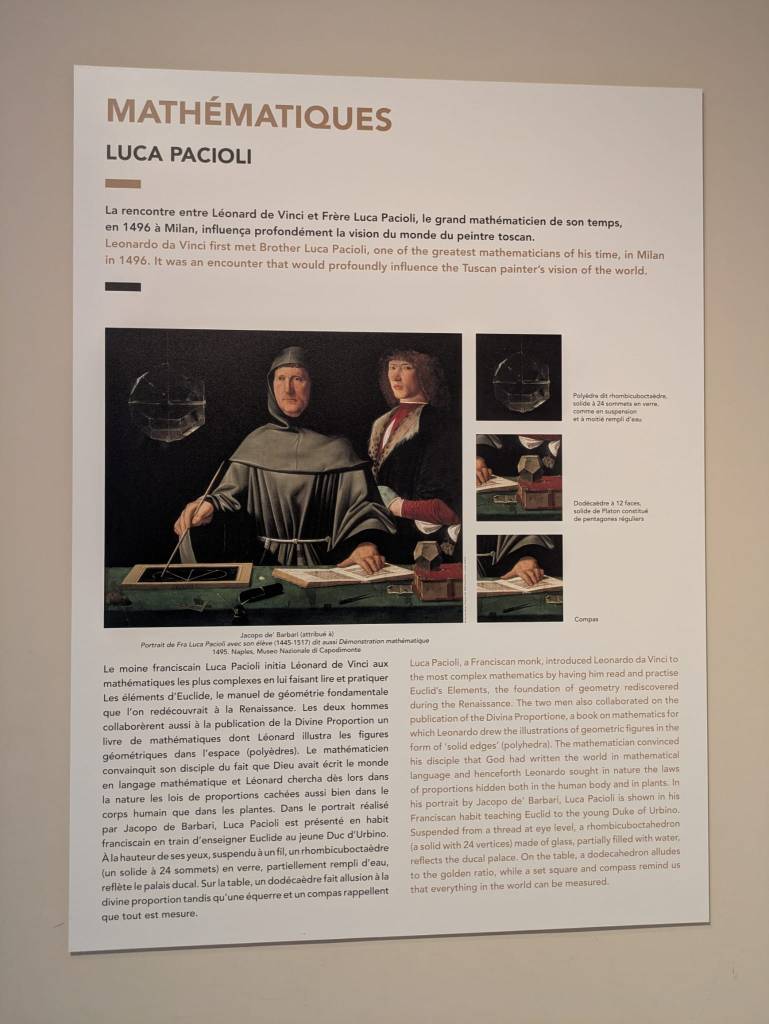
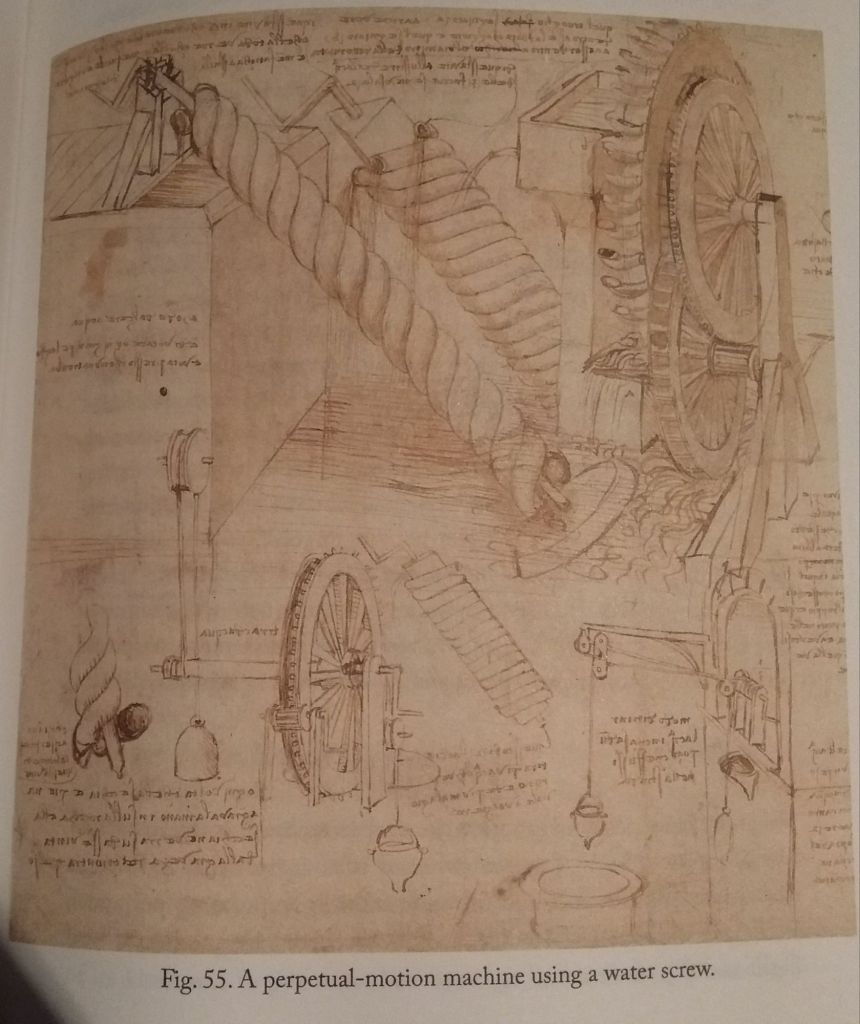
Today Clos Lucé is a museum dedicated to Leonardo. The bedchamber, the studio (bottega) and the study are evocations decorated with period furniture, as no description of his rooms has survived. The museum holds a collection of 40 models built from his drawings, didactic panels (the Vitruvian Man, his encounter with the mathematician Luca Pacioli…), immersive projections of his works, and a hologram recreating the visit of Cardinal Louis of Aragon: thanks to the account of the cardinal’s secretary, Antonio de Beatis, we know that the Mona Lisa, the Virgin and Child with Saint Anne and the Saint John the Baptist, all three now at the Louvre, were kept here at the time.
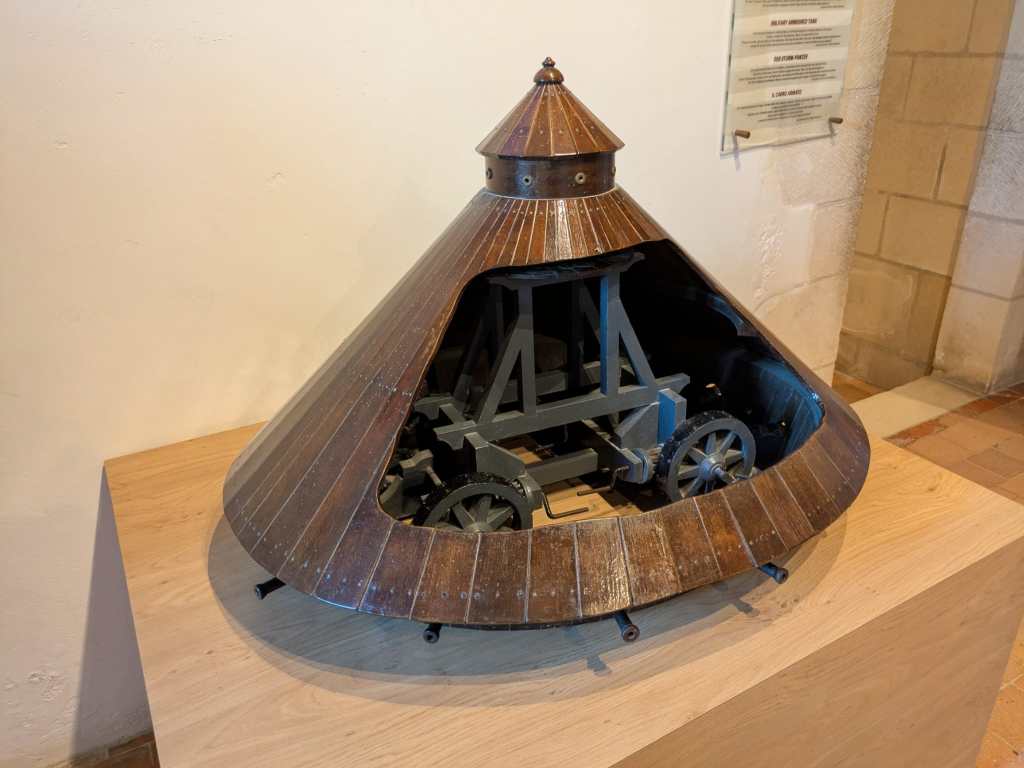
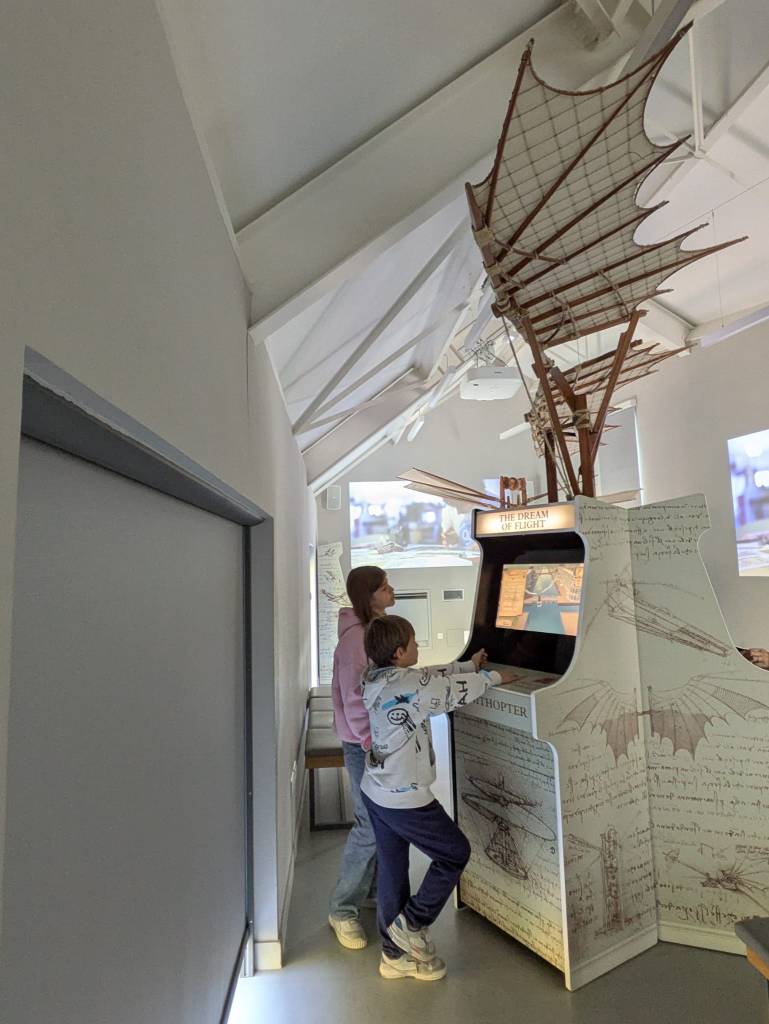
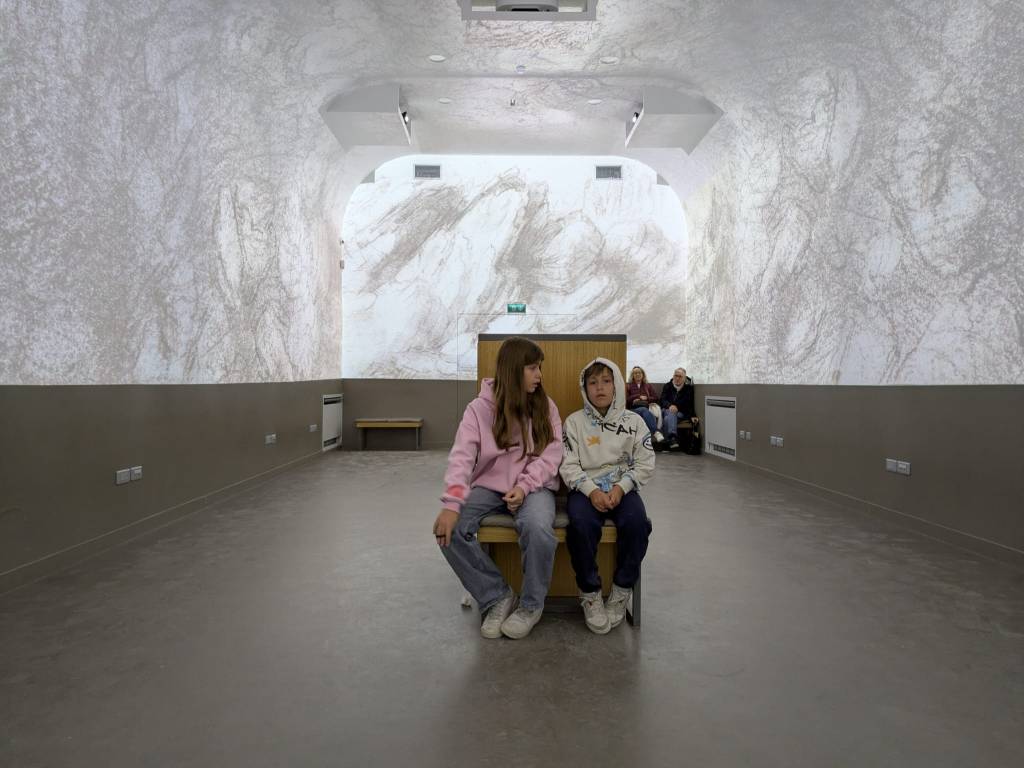
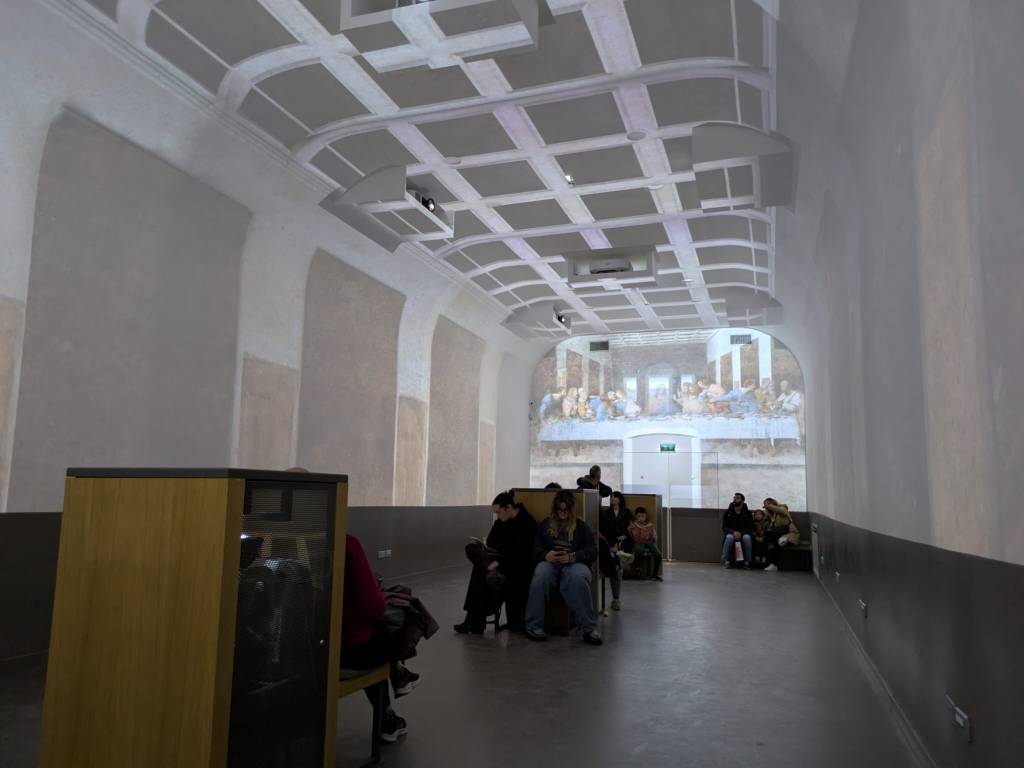
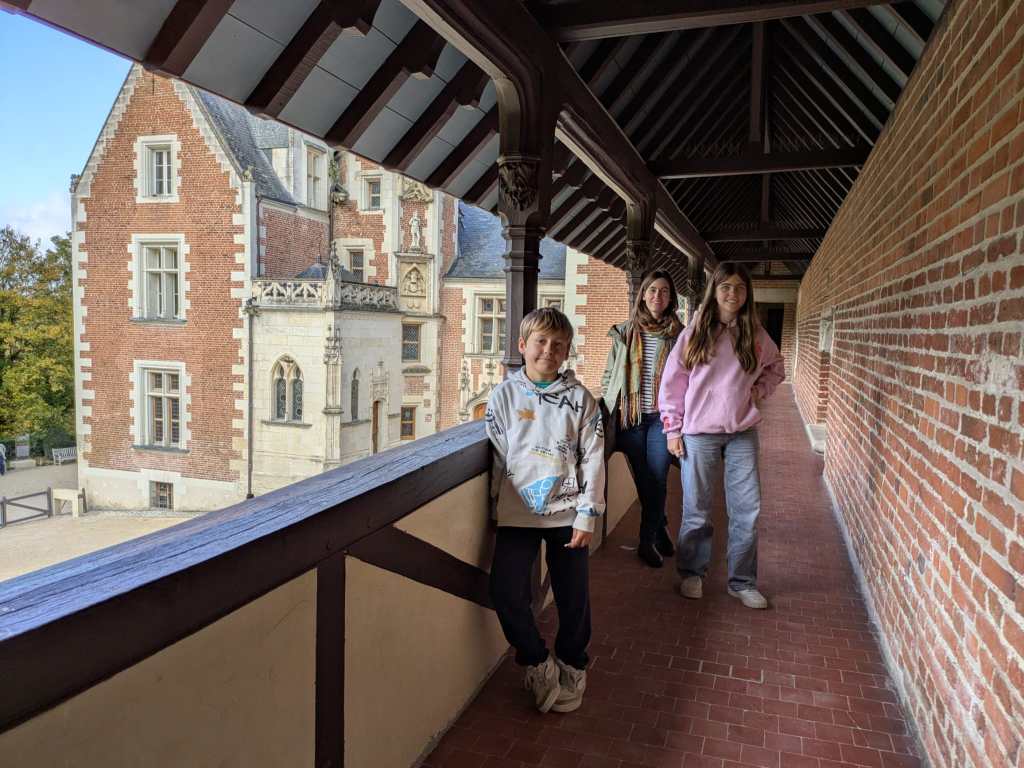
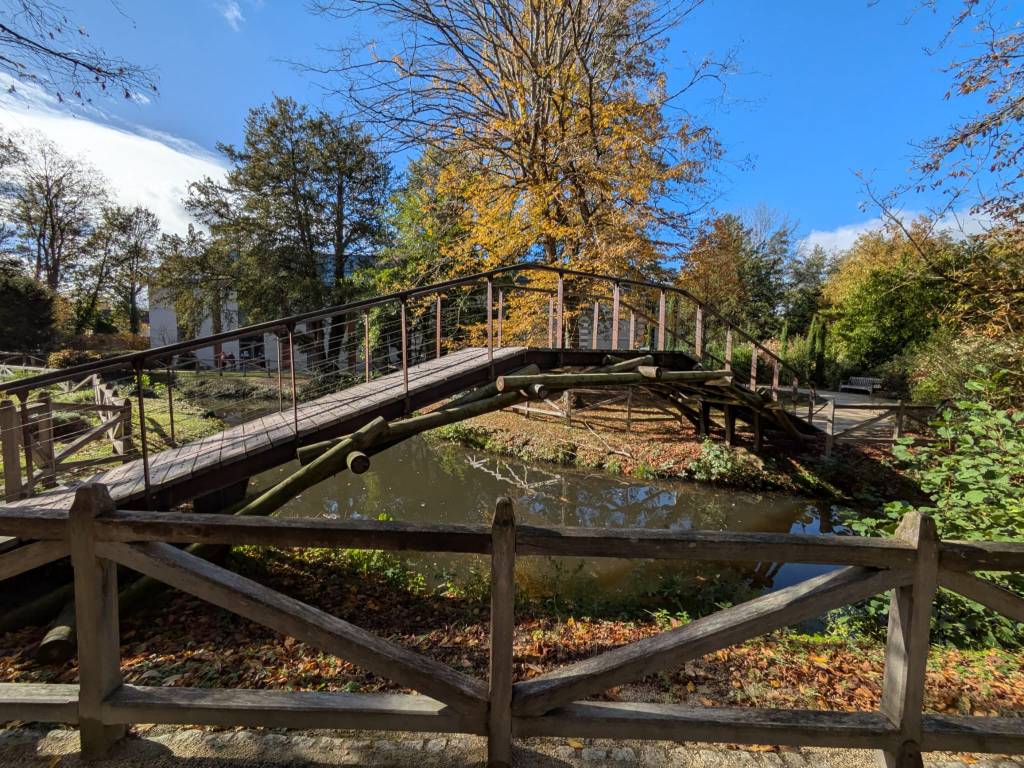
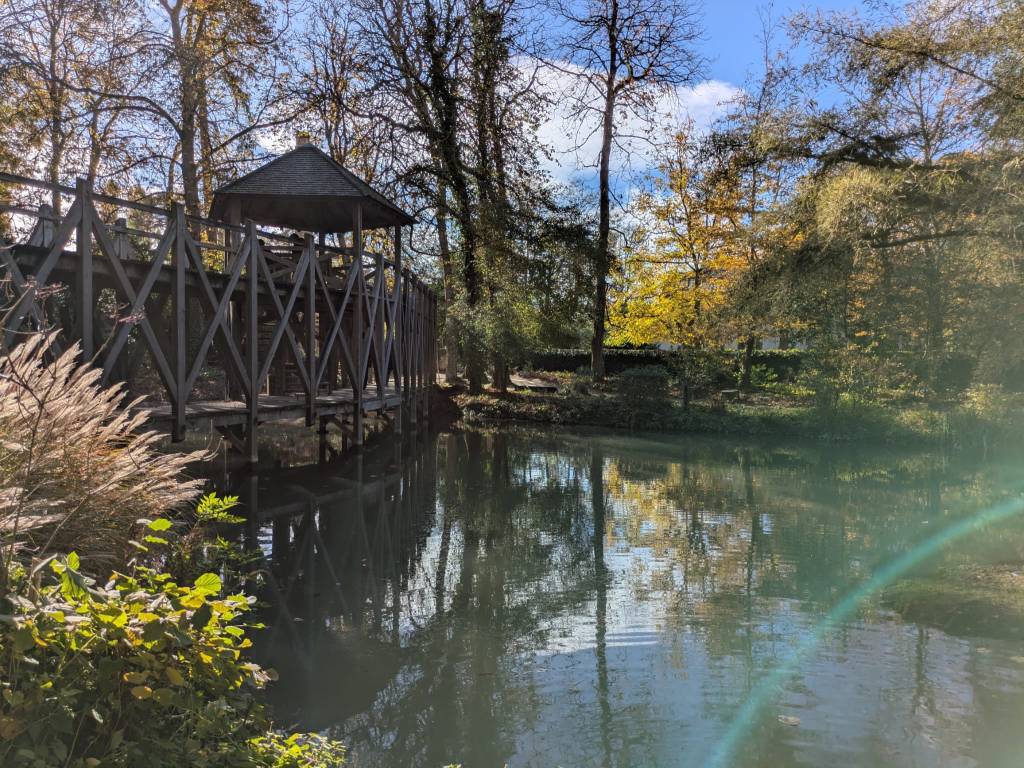
In the park, crossed by the Amasse stream, more models and life-size constructions bring his engineering drawings to life: the self-supporting bridge, the armoured vehicle, flying machines…
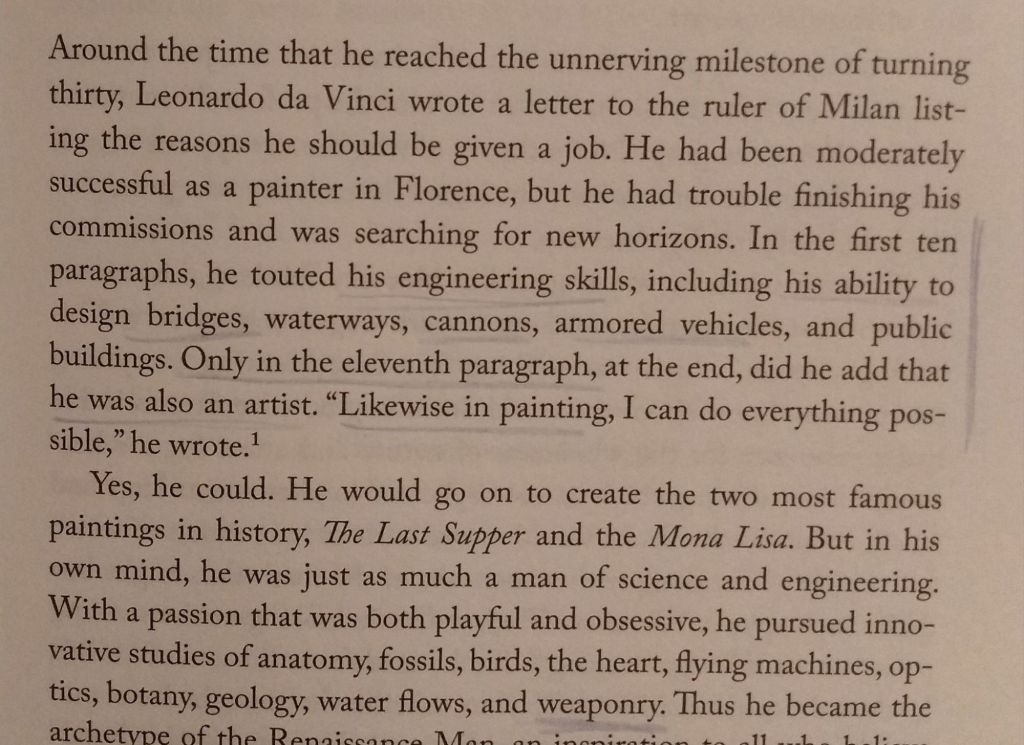
After the 2018 visit we wondered about the balance between the artistic and the military engineering sides of Francis I’s patronage. As Luca put it neatly: Leonardo was invited to be the DARPA of sixteenth-century France. Reading Walter Isaacson‘s “Leonardo da Vinci” biography, which I started soon after, confirmed the impression from the very first pages: when Leonardo pitched himself to Ludovico Sforza in Milan decades earlier, his letter deals almost entirely with military engineering, and painting is mentioned almost as an afterthought. The biography is worth reading on its own (I reviewed it in my 2019 reading list), and it helps understanding the origin of the designs and objects at Clos Lucé.
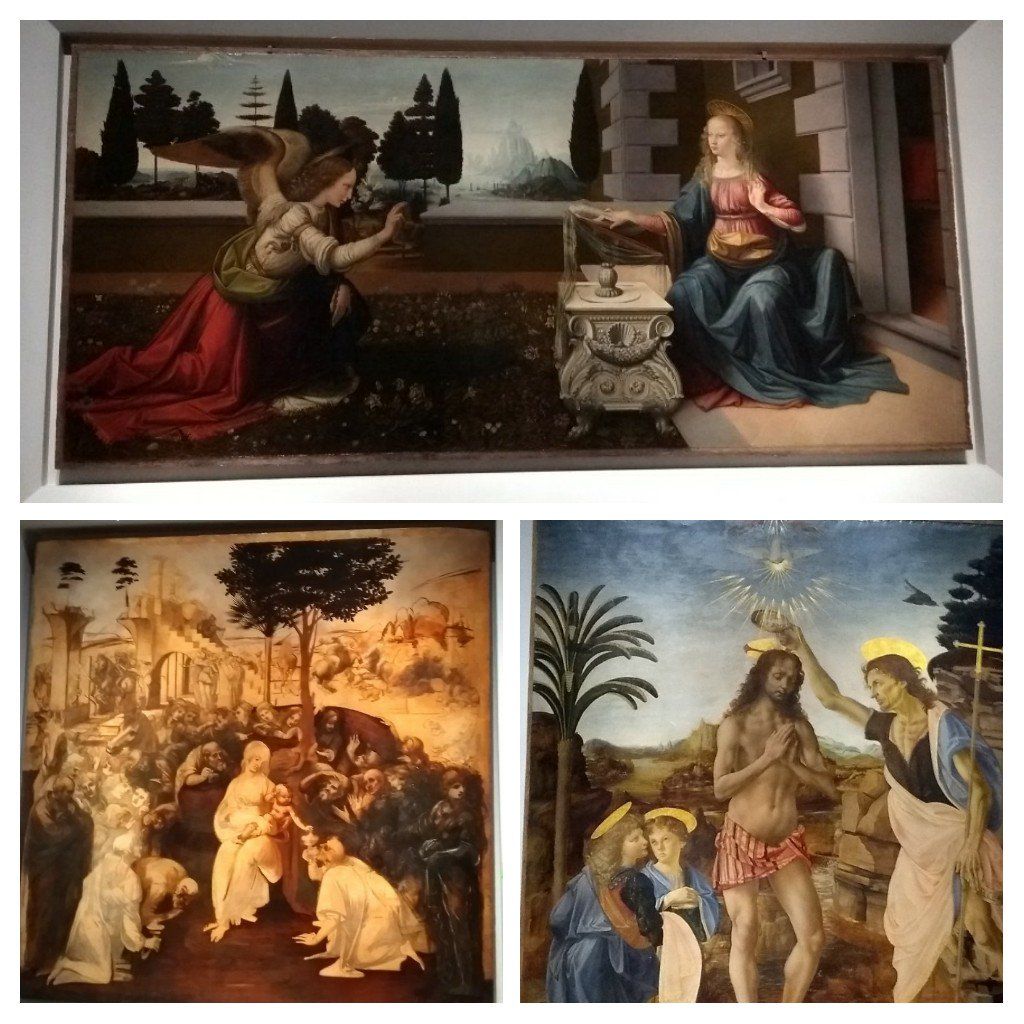
Back in 2019, to celebrate the 500th anniversary of the death of Leonardo we made a couple of other visits following his trail during a summer trip to Tuscany: we stopped at Vinci and Anchiano, where he was born, and visited the Museo Leonardiano; and at the Uffizi gallery in Florence we saw some of his original works.
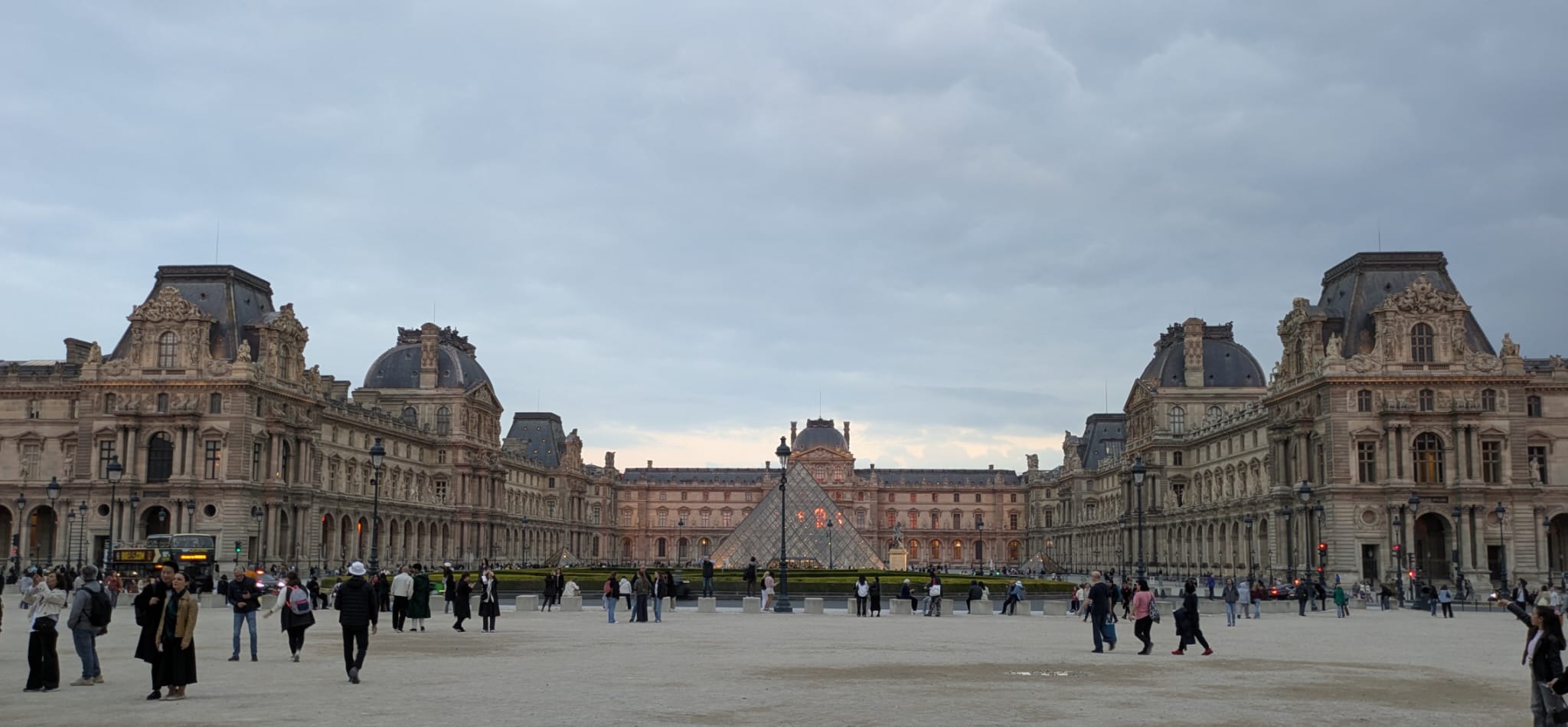
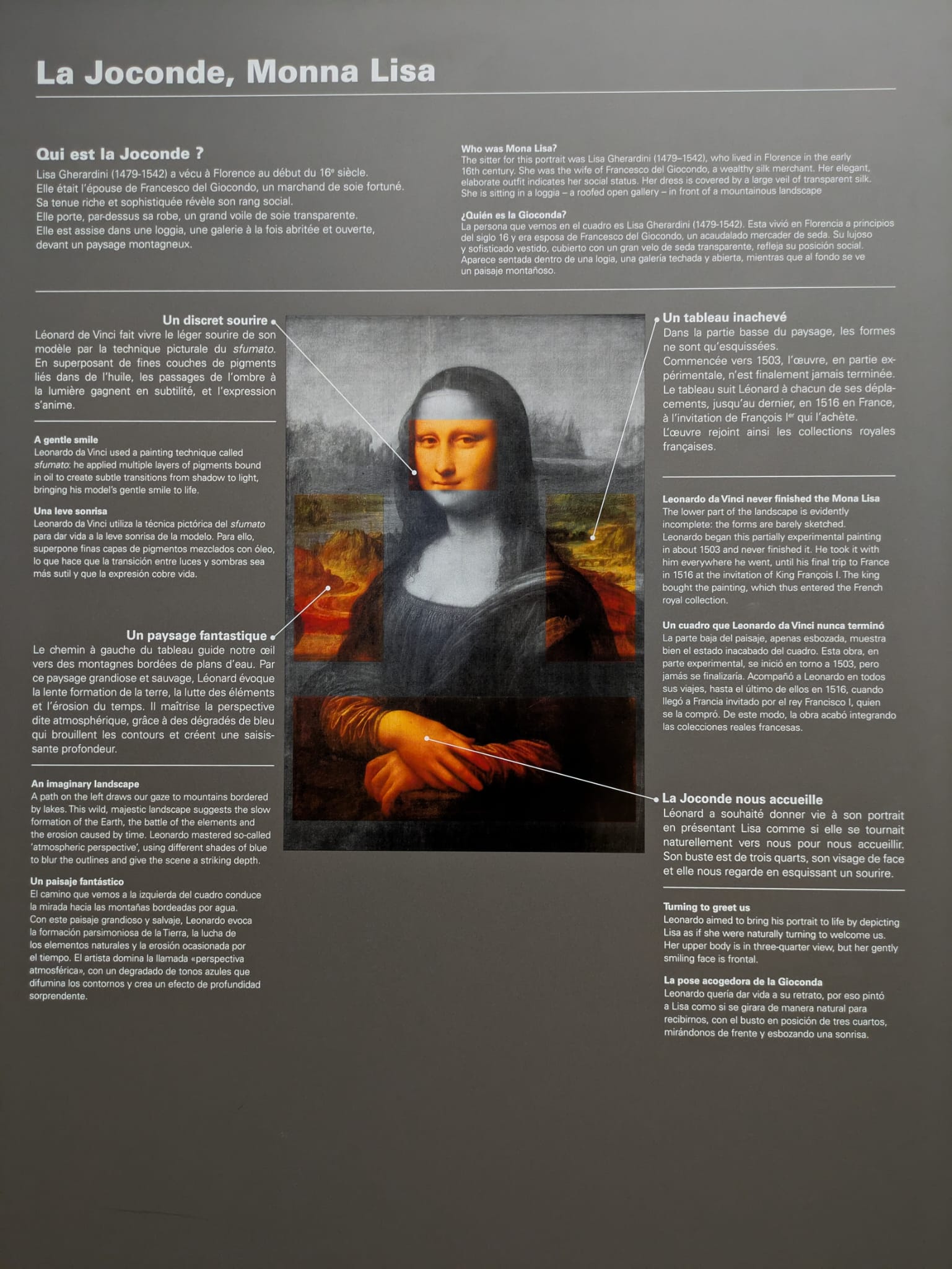
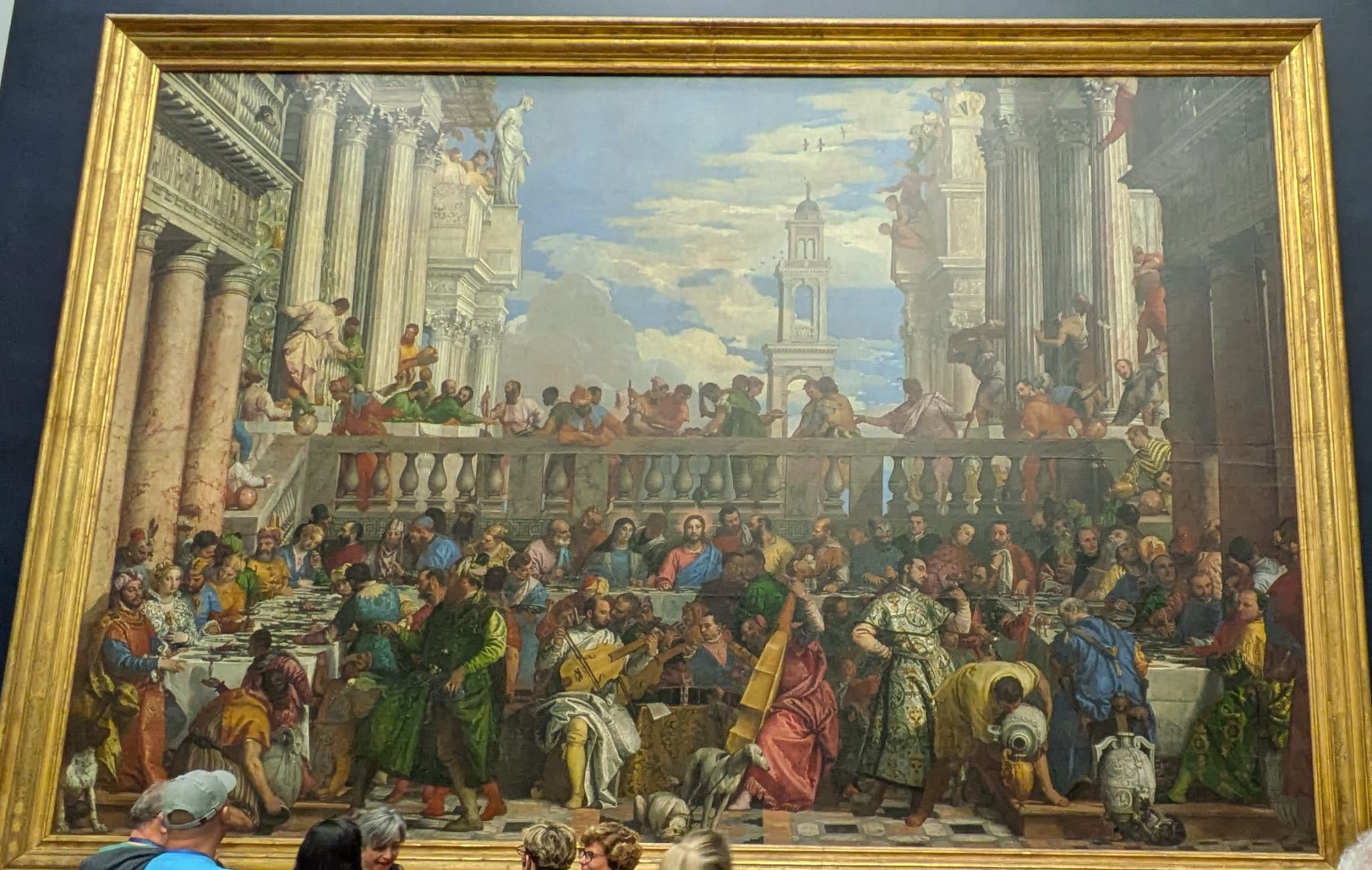
Years later, also in 2025, during the trip that took us Paris, we visited the Louvre for the first time with the kids and they could stand in front of the Mona Lisa: the very painting Leonardo brought with him to Amboise and that Francis I bought, which is how it entered the French royal collection. Today it hangs in the Salle des États, facing Veronese’s “Wedding Feast at Cana”.
In 2025, we also visited the village of Romorantin where Leonardo had plans to build the ideal city, but that project could not be pursued and there are no traces of it other than a small model in the village’s museum. What we still miss seeing in person is the Last Supper in Milano.
As the site itself puts it, together with his birthplace in Vinci the Clos Lucé is the only known home Leonardo ever had. That, the machines in the park and the immersive center make it a must visit for those wanting to enjoy Leonardo’s legacy.