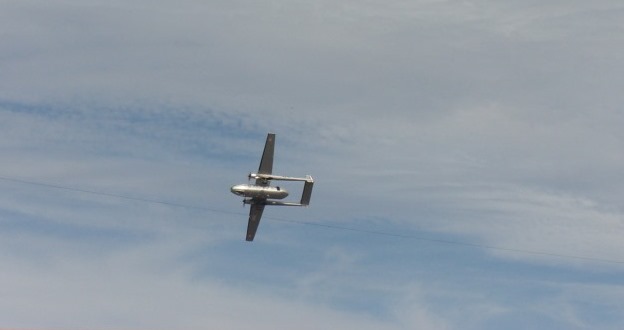
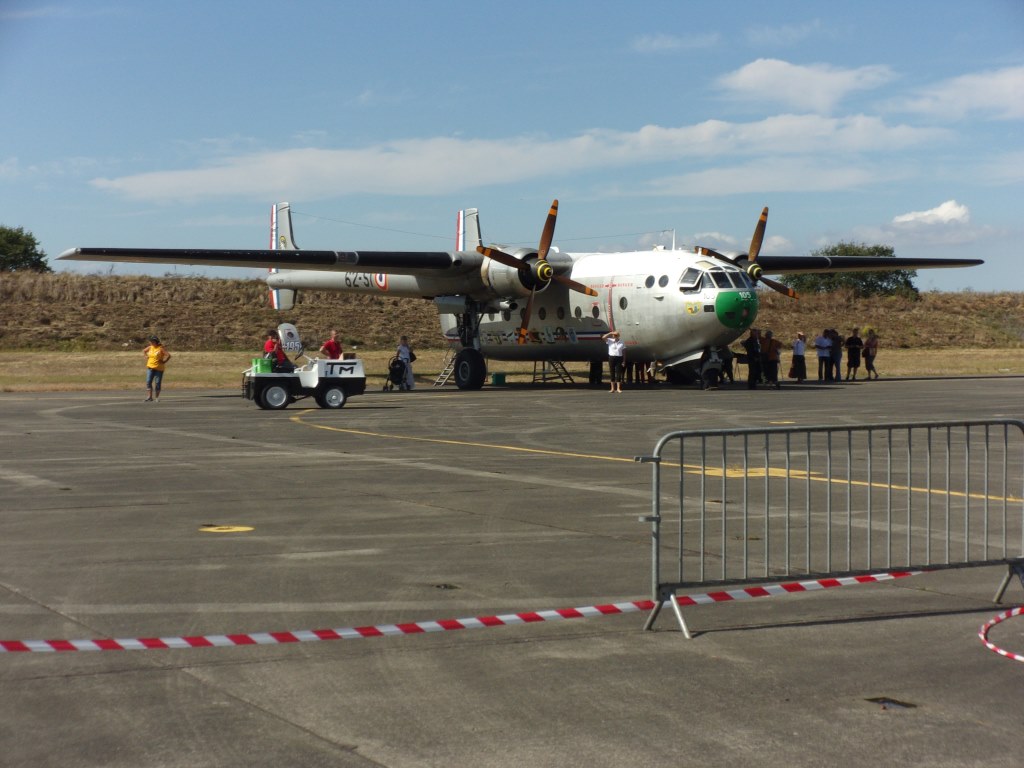
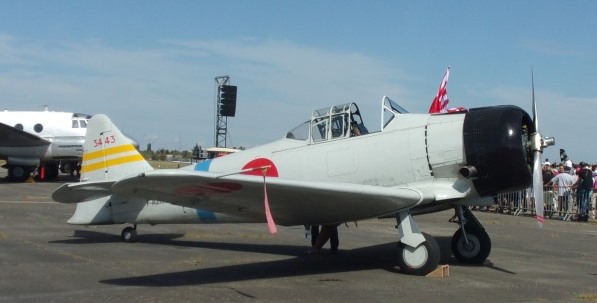
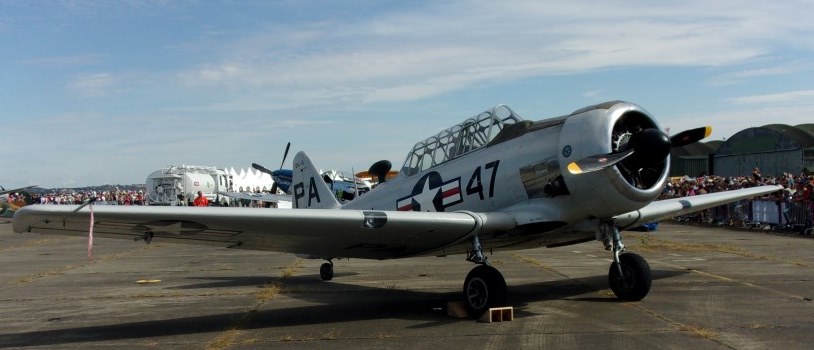
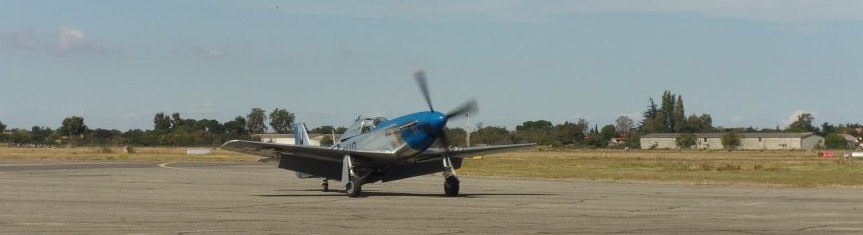
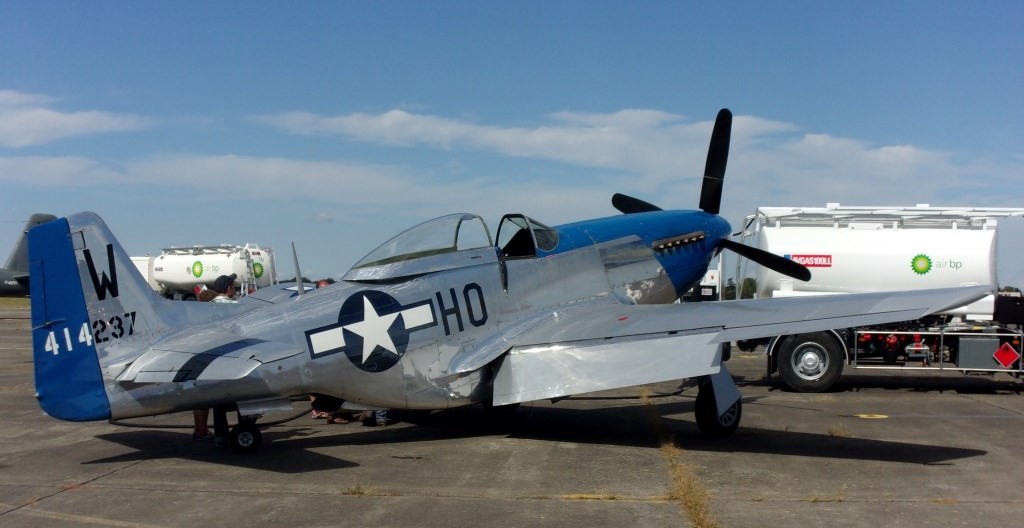
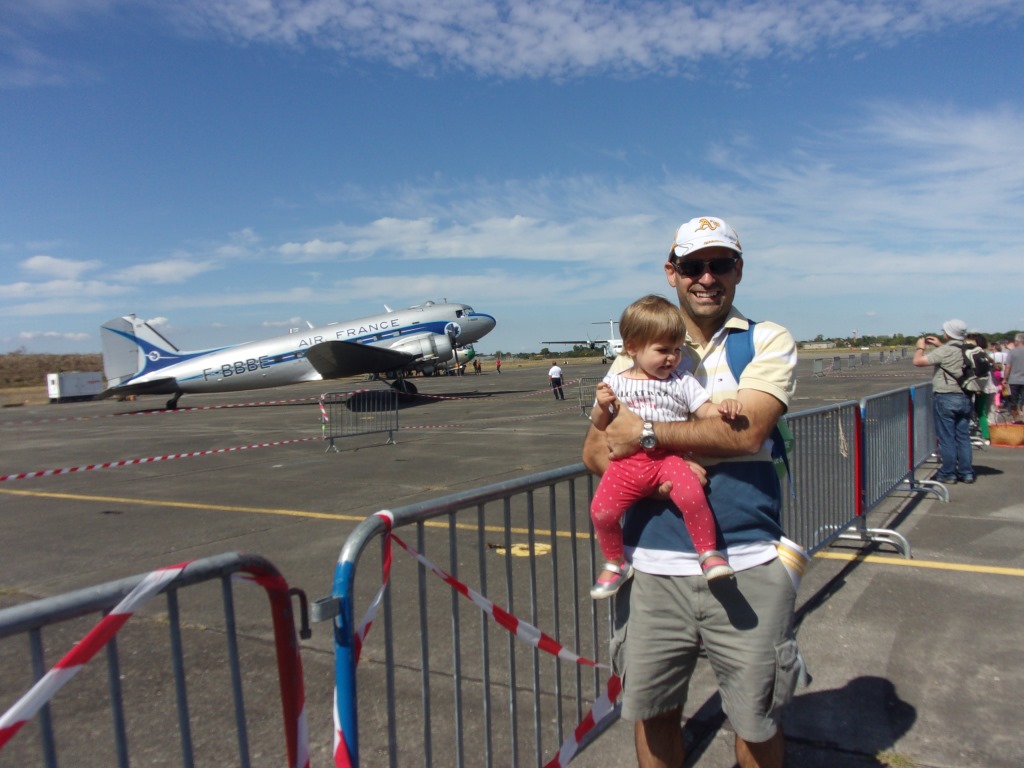
Last Sunday, we attended the “1st meeting aerien” (air show) in Francazal, an initiative launched by the association Des Etoiles et des Ailes. The event, in my opinion, was a success measured by the aircraft it gathered and the audience that came to it, despite some logistics issues that need to be improved for a future edition.
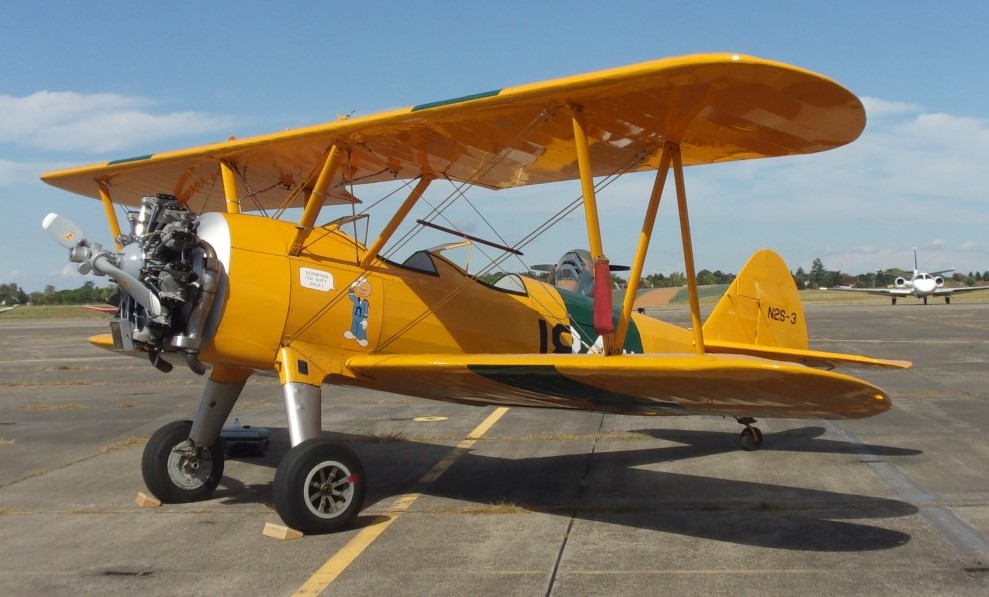
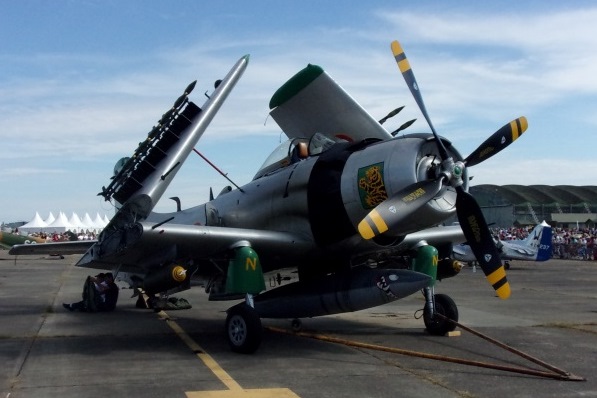
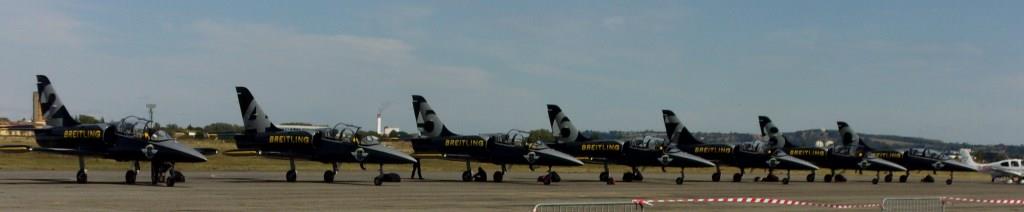
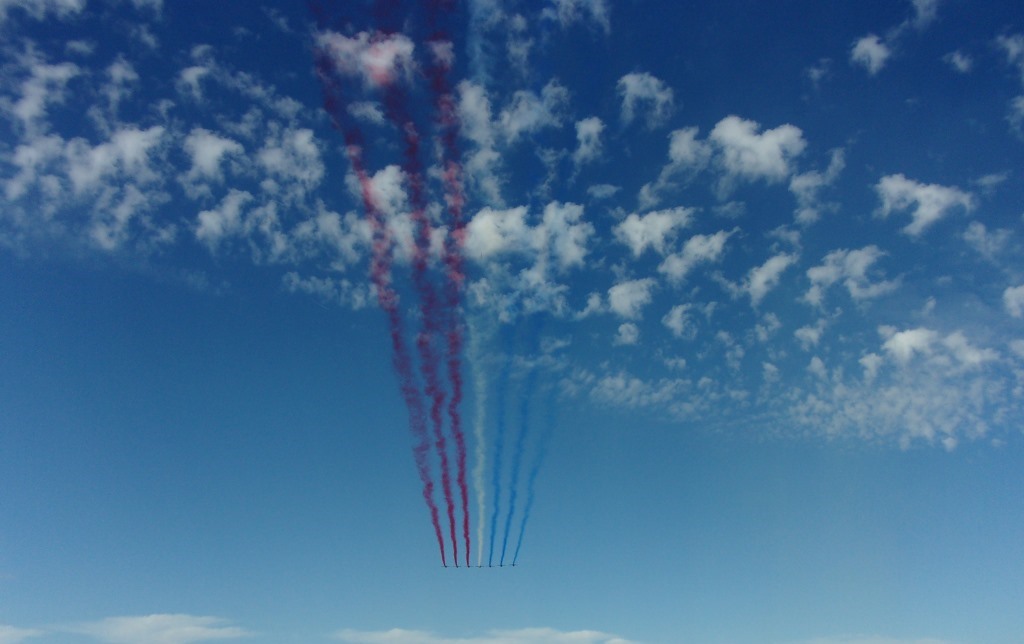
More than 50 aircraft were gathered in Francazal, a small airport South of Toulouse. Most of them took part in the dynamic display, not only in the static one. As we came with the baby, we only spent about 2 hours. Nevertheless, we had time to see the following highlights:
The 11th brigade of parachuters jumping from a N2501 Noratlas.
The Noratlas itself flying (this model was announced as the only Nord Aviation Noratlas in flying condition in the world today).
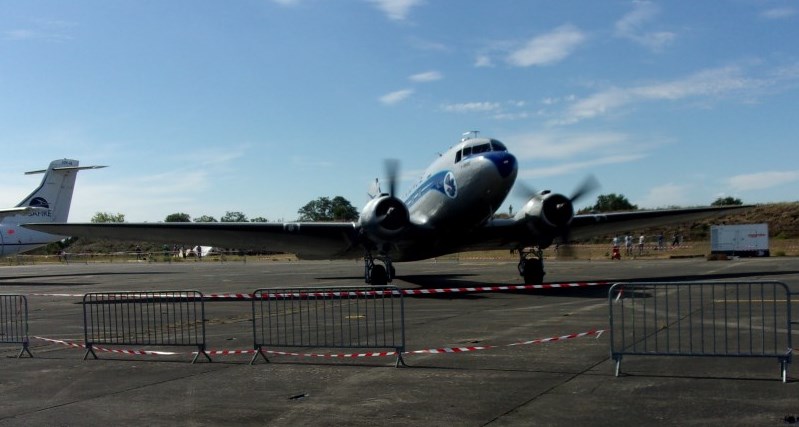
A former Air France DC-3 flying, once a common view, not so nowadays. (a joke a local told me in relation to current AF pilots’ strike: “this might be the only Air France taking off today”, a DC-3 in 2014 ;-)).
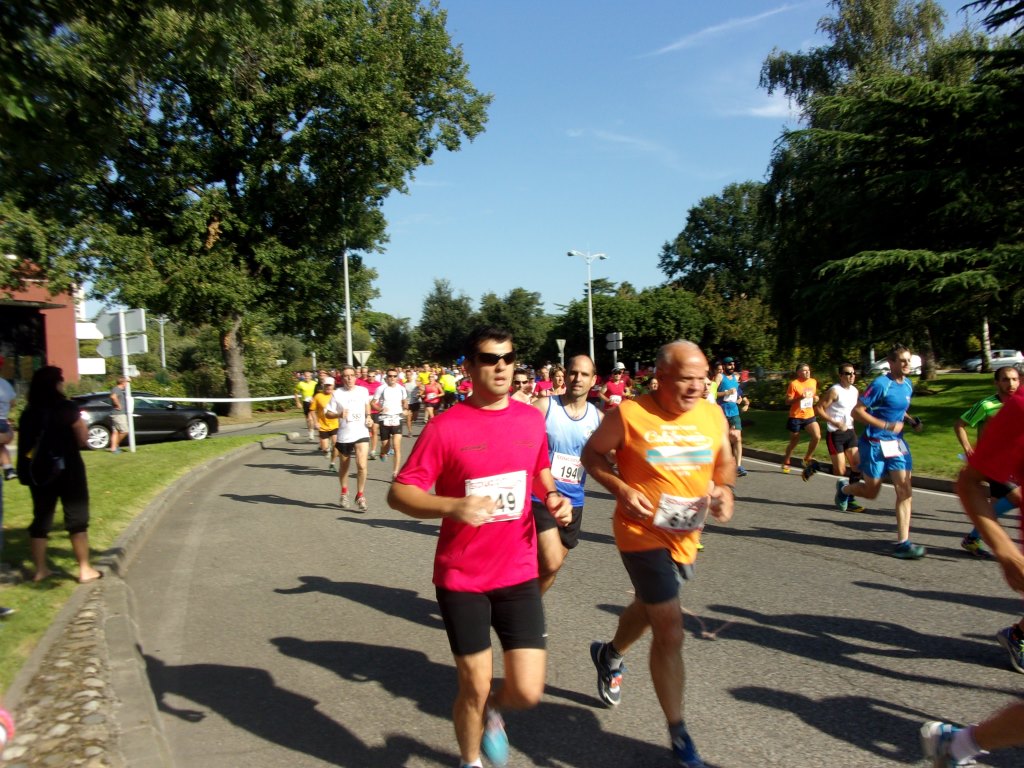
Yesterday, I took part in the half (semi) marathon of Toulouse, which is run in the neighbourhood of Sept Deniers. This was the 3rd time I ran the race. Last year, it was there where I set my PB in the distance.
Since a couple of weeks ago I had not been able to set a new PB in 10km in Colomiers, I knew I wasn’t in the fastest shape and thought it would be difficult to beat last year’s time in the 21.1km. I would nevertheless give it a try.
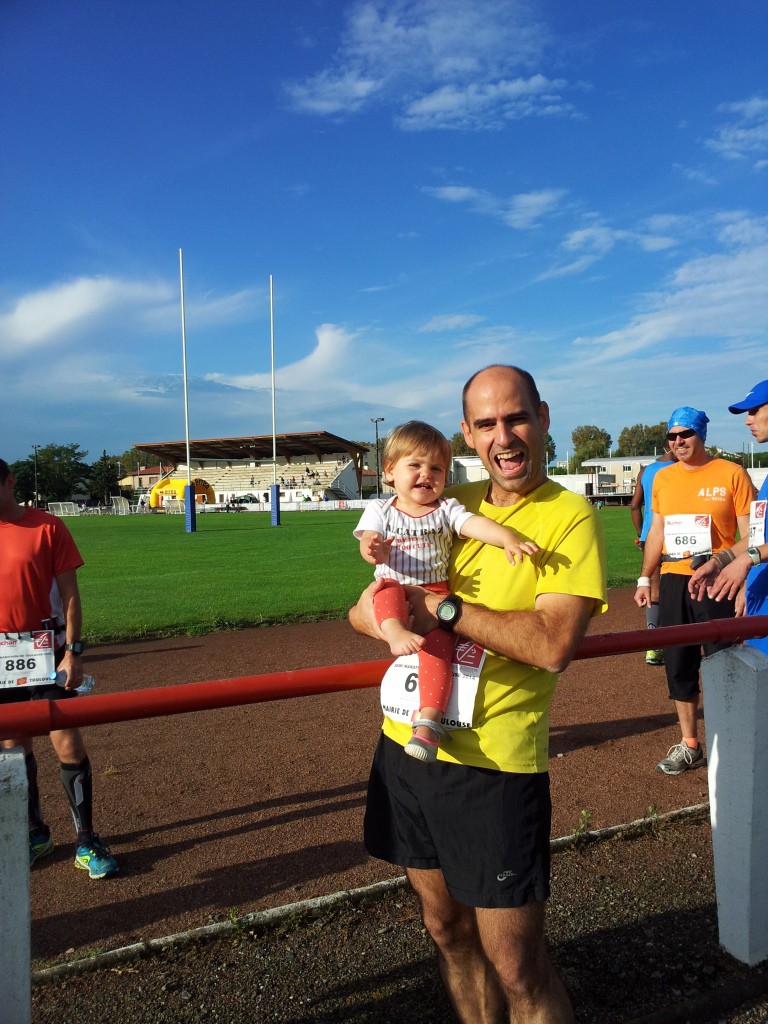
With Andrea before the start.
I started running at about 4’30” per km, completing the first 10km in about 45’30”. From then on, I was not able to keep that pace. I made some numbers and saw it would be difficult to beat my PB and I went for a plan B, clocking a time below 1h40′.
This slideshow requires JavaScript.
At some point of the race, my running bib started to fall from the safety pins I used to hang it from the t-shirt. That might be the reason why, up to now, my time doesn’t appear in the classification, despite of having carried the chip and bib (even if not visible) through the end.
Final sprint.
My Garmin watch recorded a net time of 1h39’34”, thus plan B accomplished! With that time, plus some more seconds to account for the official time, I would have placed about 237th out of 1257, or percentile 19%, not that bad for a tough morning run (under 20C and 80% humidity).
In the past weeks I wrote a couple of blog posts related to climate change: “The Age of Sustainable Development” (a review of an online course I took) and “Hot, Flat, and Crowded” (a book review). In April 2014, at the time I was finishing the course and reading the book, thanks to an old friend I got to know about the documentary television series “Years of Living Dangerously“.
The series focuses on climate change and counts with 9 chapters (though I got to see only one, as living in France I found no way to watch further chapters at that time, the first chapter is free in Youtube). Among the executive producers are James Cameron and Arnold Schwarzenegger. The episodes feature scientists, journalists (Thomas Friedman), activists and several celebrities (Harrison Ford, Matt Damon, Jessica Alba…).
The first chapter, “Dry Season”, discusses droughts in the USA, deforestation in Indonesia and the connection of a drought with civil unrest and civil war in Syria. The chapter features Harrison Ford and Tom Friedman, who is the author of the book I mentioned in the introduction, thus many of the topics he touched I had already read.
I recommend the watching of the series, at least this first chapter I saw (I’ll find the moment and way to watch others):
Some weeks ago my brother Jaime wrote a couple of posts in his blog about wind tunnels. A first general post in which he described how they work and mentioned some techniques including PIV, and a second post in which he described the acoustic camera.
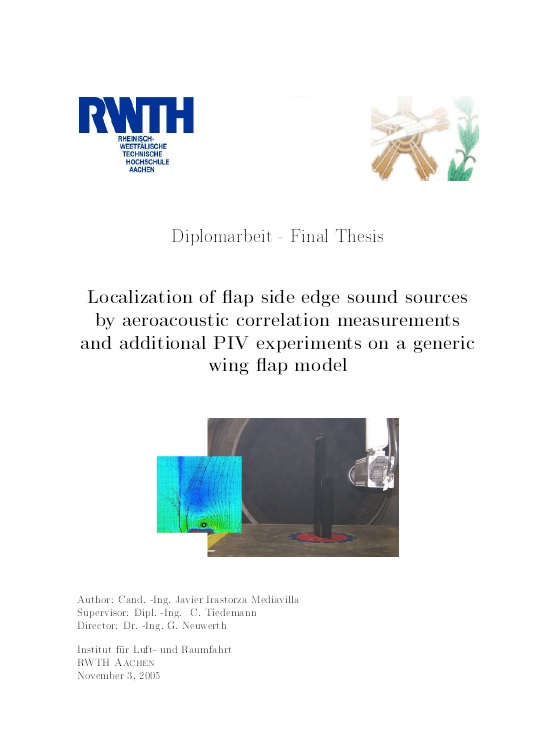
Master thesis front page.
It happens that, back in 2005, I completed my aeronautical engineering master thesis with a project carried out in a wind tunnel at the Aerospace Institute (Luft- und Raumfahrt) of the RWTH-Aachen. Those two posts brought back some good memories and I thought I could share a couple of them here in the blog. Jaime has worked in a wind tunnel in Audi, and in his posts he included some pictures from other affluent wind tunnels. You will see here the contrast with budgetary constrains lived by universities.
I think that for this post I will be brief in the comments and will focus on sharing some pictures trying to bring you about what we tried to do and how we did it. Directly, from the thesis preface:
This Diplomarbeit is the result of two different experiments. Each one is dealing with different techniques but both share a common aim: the comprehension of the noise generation in the flap-side edge. That is the reason for presenting both experiments in a very similar way in this report, so the reader might see two parallel experiments which final results are analyzed together.
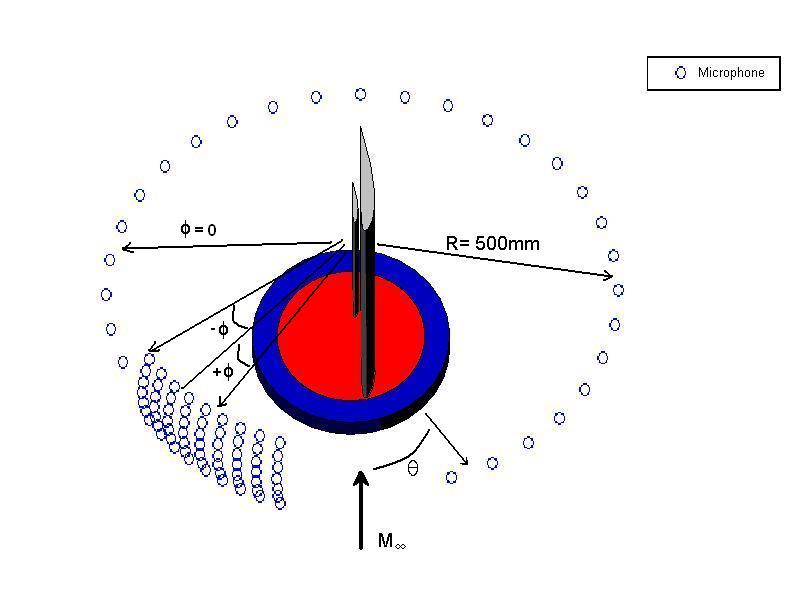
Thus we wanted to measure noise and correlate it with the flow around the flap. How did we measure the noise in the vicinity? “Aha! an acoustic camera!”, and you then remember the arrays of microphones my brother displayed in his post. See here the arrangement we had:
“Acoustic camera”.
Fancy, isn’t it? Except for which we indeed counted with a single micro, which we had to move to every position of the array and thus repeat long measurements endlessly. 🙂
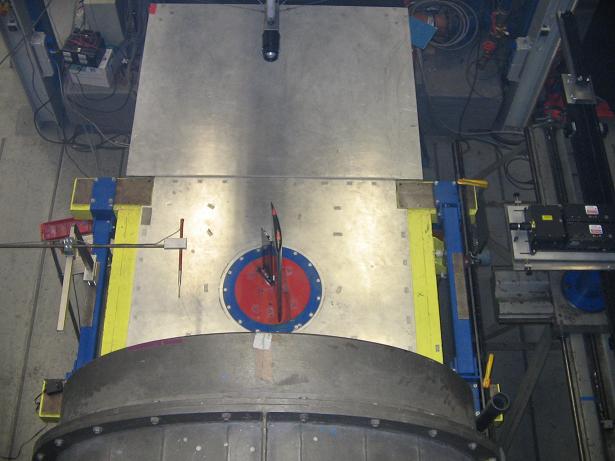
Aerial view of the experiment.
In the picture above you can see the wing profile with the single micro in the left (to the intrados of the wing).
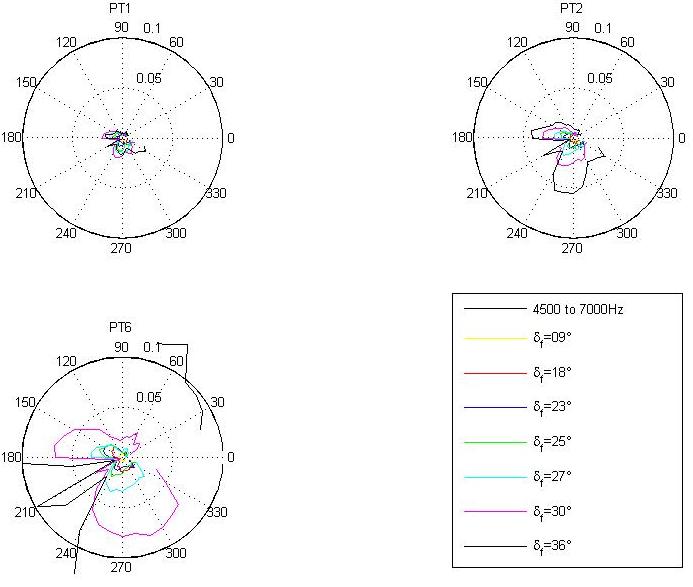
Once we had made dozens of measurements it was just a question of letting Matlab do the dirty job and plot measurements for each position at different flap deflections…
Noise measurements.
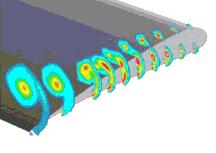
But remember that we wanted not only to measure noise but to correlate it with the flow structure at the flap edge. Let me advance you an image of what we wanted to see:
Vortex structure.
How did we make to study the flow? Another of the techniques introduced by Jaime, Particle Image Velocimetry, directly from the Wikipedia:
Particle image velocimetry (PIV) is an optical method of flow visualization […]. It is used to obtain instantaneous velocity measurements and related properties in fluids. The fluid is seeded with tracer particles which, for sufficiently small particles, are assumed to faithfully follow the flow dynamics (…). The fluid with entrained particles is illuminated so that particles are visible. The motion of the seeding particles is used to calculate speed and direction (the velocity field) of the flow being studied.
[…]
Typical PIV apparatus consists of a camera (…), a strobe or laser with an optical arrangement to limit the physical region illuminated (…), a synchronizer to act as an external trigger for control of the camera and laser, the seeding particles and the fluid under investigation.
Seeding the flow, recording it with a camera, using a laser beam… boy, doesn’t it sound fancy high-tech? Let’s go and describe it.
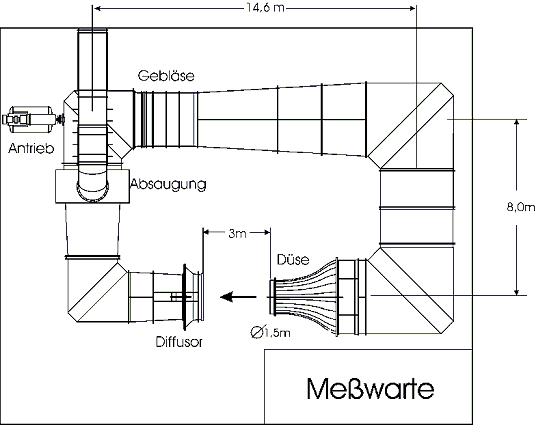
See a plan of the wind tunnel we used:
Wind tunnel plan.
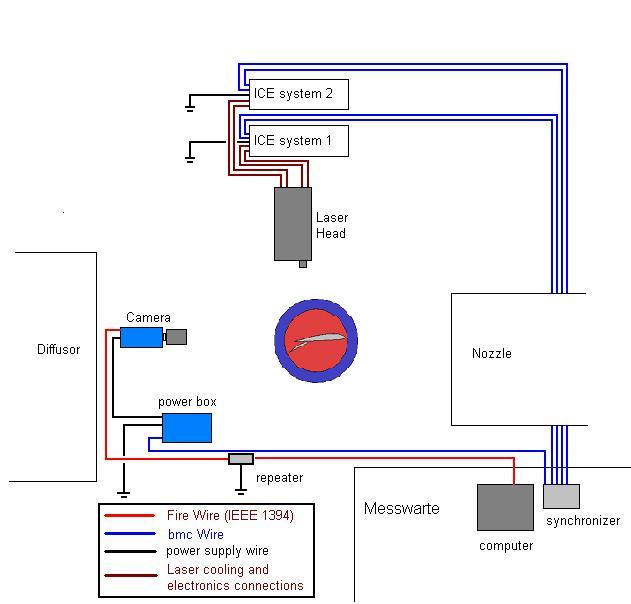
See an schematic of the equipment and connections we used for the experiment, all placed at the open section of the tunnel:
Schematic of the experiment.
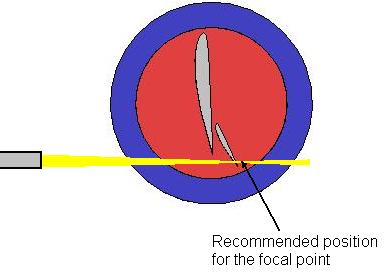
See exactly where we wanted to shoot at with the laser beam:
Laser bream.
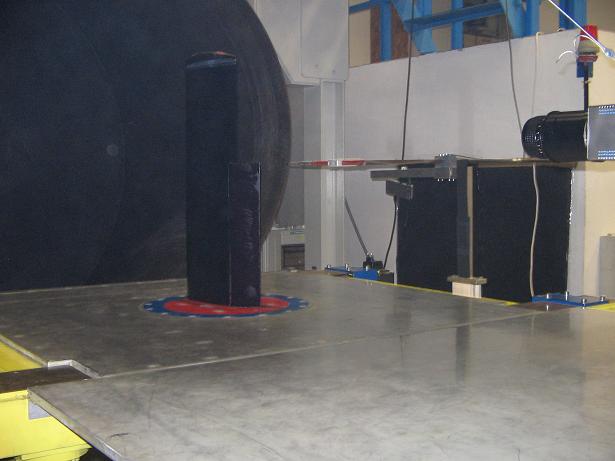
See from where we recorded the images (camera at the right side of the picture, downstream from the wing):
Camera.
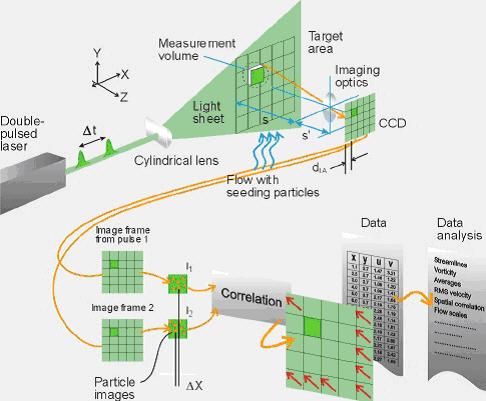
See in this other graphic a summary of the technique. The laser emits two consecutive pulses which light the seeded particles. The camera records those 2 consecutive images and a dedicated software measures the movement of each particle thus providing the information of the flow.
Schematic of PIV technique.
So far, so good.
However, it happens that this was the first time we were using the technique at the institute and despite of our reading of references it took us some time, trials and finally asking experienced people to pull the right strings. At the beginning we just either saw nothing or blurry images.
Blurry image.
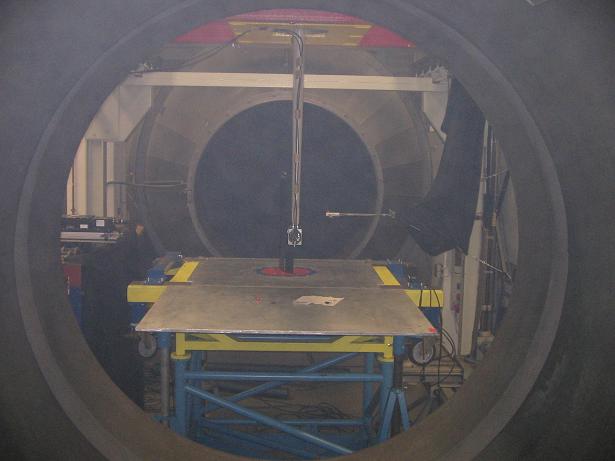
After days of running the tunnel seeded with oil particles you can imagine the fog we were in:
Oil fog.
… and what we needed were two consecutive shots of very well-defined particles. In the end we managed to fine tune everything and get the desired results:
Image of particles.
Once we had the images, we ran all the correlations with the acoustic measurements of our array of one microphone and had all the data to analyze, draw some conclusions, propose some new paths to continue experimenting and with which to write a nice thesis.
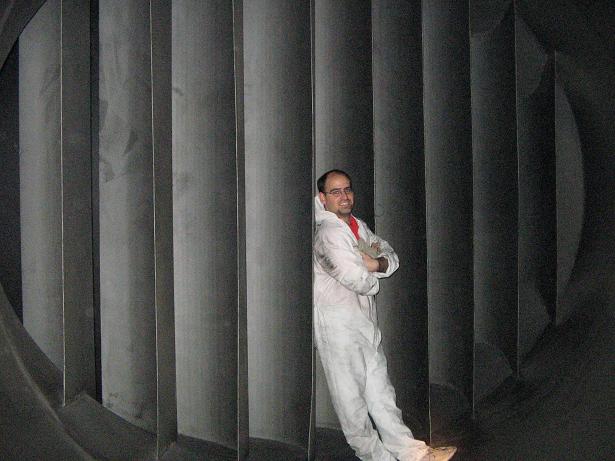
All that was left was to clean up the mess at the tunnel:
Cleaning the inside of the wind tunnel.
But, yeah, who’s got a picture of himself between the stator and the rotor of a wind tunnel? 🙂
Thomas Friedman is an American journalist who writes for The New York Times. He is specialized in foreign affairs, especially the Middle East, for which he has received 3 times the Pulitzer Prize on international reporting and commentary. Friedman wrote “Hot, Flat and Crowded” in 2008. In it he tackled the environmental issue.
In 2005 he wrote “The World is Flat”, where he argued that technological revolution had leveled the playing field and made the world more connected, more competitive and collaborative.
In this book, he claims that as we are entering the “Energy-Climate Era” the world is getting hot (global warming), flat and crowded (soaring population growth), and clear action needs to be taken to address these issues. Government need to establish a clear regulatory framework, clear price signals to establish a market in which companies can innovate to solve the problems at hand.
The author included in the book dozens of references, quotes from conversations, excerpts of speeches from leading figures, and several examples. While reading it, I felt as if the author repeated himself often and that those ideas could have been conveyed in a shorter and more direct book (~480 pages in the version I have). Nevertheless, now, a few months later, going back through different marks and notes I made throughout the book I realize the great work and reference book that he put together. I would therefore recommend the reading of the book.
I wanted to share below some of the notes I made along the book, grouped by theme.
On climate change, its science, sceptics, denials…
Harvard’s John Holdren says “A charlatan can tell a lie in one sentence that a scientist needs three paragraphs to rebut”.
A good source: Pew Research Center on Climate Change report “Climate Change 101” series.
Even if forecasts are not 100% sure about future scenarios, as Andrew C. Revkin, the New York Times environment reporter, says:
“Uncertainty is the reason to act”. When you perceive some risky situation in your life or business you try to insure yourself against it, you don’t adopt the position of sitting around and say “Gosh, no one can predict with any certainty when lightning is going to hit that forest…”
On the dependency of oil, what it provokes and why it is needed to reduce it.
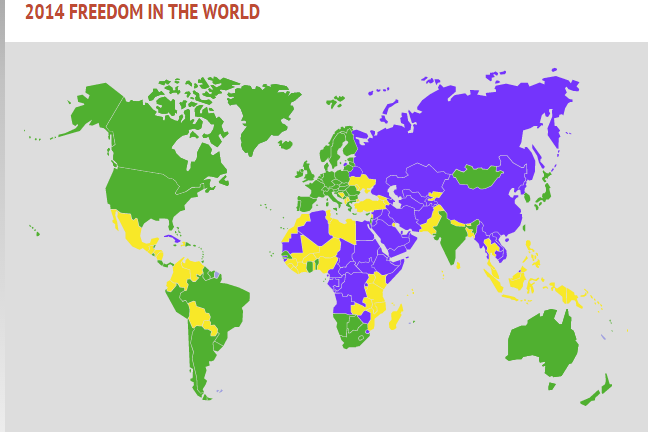
The reliance of the West in oil is helping finance a reversal of the democratic trends around the globe. What the author calls “the First Law of Petropolitics: As the price of oil goes up, the pace of freedom goes down and as the price of oil goes down, the pace of freedom goes up”.
[…]
“We are financing the US Army, Navy, Air Force and Marine Corps with our tax dollars, and we are indirectly financing with our energy purchases, al-Qaeda, Hamas, Hezbollah, and Islamic Jihad”.
“Dutch disease” refers to the process of de-industrialization that can come as a result of a natural resource windfall. The term originated in the Netherlands after the discovery of natural gas deposits in the 1960s. The influx of cash from oil make raises the nation’s goods prices making them uncompetitive to export markets and at the same time citizens buy low-cost imported manufactured goods, provoking the wiping out of the manufacturing sector.
A paper studying the same topic: “Does oil hinder democracy?” (PDF, World Politics, April 2001) by political scientist Michael L. Ross from UCLA. Using a statistical analysis of 113 states between 1971 and 1997 he found evidence of what he described as “resource trap”.
An old anecdote:
Saudi Arabian oil minister Yamani said to OPEC members in the 1970 “Remember, the Stone Age didn’t end because we ran out of stones.” It ended because people invented alternative tools made of bronze and then iron.
[I leave to you the making the connection with supply and pricing decisions from OPEC]
A reflection from former Secretary of State Condoleezza Rice stated before the Senate Foreign Relations Committee (April 5, 2006; transcript):
“I can tell you that nothing has really taken me aback more as secretary of state than the way the politics of energy is –I will use the word warping- diplomacy around the world. It has given extraordinary power to some states that are using that power in not very good ways for the international system, states that would otherwise have very little power.”
On the need to take action, to foster energy technology solutions, to create strong regulations, to create a market, etc.
“Mother Nature is just chemistry, biology and physics. Everything she does is just the sum of those three things. She’s completely amoral. She doesn’t care about poetry or art or whether you go to church. You can’t negotiate with her, and you can’t spin her and you can’t evade her rules. All you can do is fit in as a species. And when a species doesn’t learn to fit in with Mother Nature, it gets kicked out […] every day you look in the mirror now, you’re seeing an endangered species.”
Jeffrey Immelt, CEO of General Electric, in a speech entitled “An American Renewal” (June 26, 2009), lamented the direction taken decades ago by businesses and politics:
“[…] Many bought into the idea that America could go from a technology-based, export-oriented powerhouse to a services-led, consumption-based economy – and somehow still expect to prosper”.
A positive note from John Gardner, founder of Common Cause:
“a series of opportunities disguised as insoluble problems”.
Different excerpts from Friedman’s book:
Mother Nature, the global community, your own community, your own customers, your own neighbors, your own kids, and your own employees are going to demand that you, your company, or your country pay “the total cost of ownership” for whatever you produce or consume, including “the costs that are near-term and long-term, direct and indirect, seen and hidden, financial, social, geopolitical, and environmental”.
[…]
“A green revolution? Have you ever seen a revolution where no one got hurt? That’s the revolution we are having. In the green revolution we are having everyone is a winner, nobody has to give up anything, and the adjective that most often modifies “green revolution” is “easy”. That’s not a revolution. That’s a party. We’re actually having a green party. And, I have to say, it’s a lot of fun. […] It’s all about looking green. There are no losers. The American farmers are winners. They’re green. They get to grow ethanol and garner huge government subsidies for doing so, even though it makes no real sense as a CO2-reduction strategy. Exxon Mobile says it’s getting green and General Motors does too. […] I’m sure Dick Cheney is green […].”
[…]
Utilities business involves enormous sunk costs that must be recovered regardless of how much energy they sell. Utilities have vital interest in boosting electricity and gas sales to recover its fixed costs.
[…]
“Price the road and clear the traffic”. If you want fewer CO2 emitters, charge people for emitting.
The International Energy Agency produced in 2000 a report “Experience Curves for Energy Technology Policy” that underscored the need of price signals from the government to quickly move down along the learning curve.
The lingering uncertainty about the long-term price of oil is also why some of the biggest energy companies hesitate to make big bets on green innovation.
[…] A strong regulation eliminates regulatory uncertainty and provides a powerful competitive incentive […] to innovate.
[…]
America needs an energy technology bubble just like the information technology bubble. It then quotes Bill Gates words at Davos in 1999 when asked whether there was an internet bubble: “Of course they’re a bubble. But you’re all missing the point. This bubble is going to attract so much new capital to this Internet industry that it is going to drive innovation faster and faster.”
[…]
We have been fooling ourselves with fraudulent accounting by note pricing those externalities with surcharges that reflect the true risks and costs that they entail.
Introduction of the concept “green hawk”. The author realized that outgreening could be a military strategy after learning of the “green hawks” movement in the US military in 2006. It all started with Major General Zilmer’s complains to the Pentagon that he needed alternatives for the diesel fuel powering electricity generators in Iraq. A study found that 90% of the diesel used at a forward operating base were employed in generation of electricity while only 10% in mobility, and 95% of that electricity was consumed to air-condition tents. A holistic view of the situation was needed. By employing different materials that provided better isolation to the heat, the Army could save fuel and thus costs and lives of soldiers trucking fuel up and down the Iraqi roads. Thus, as the articled I linked states: “oil is a tactical liability”.
Miscellanea.
An interesting note by Andrew Revkin in an article at The New York Times (September 15, 2009) “Contraception is greenest Technology”. This is linked to the “Crowded” in the title which I have barely addressed along the review, but it is worth noting that overpopulation coupled with energy usage and economic growth is a big threat to climate change.
“The country needs to put in place what he calls the winning formula: REEFIGDCPEERPFPCA < TCOBOCG; a renewable energy ecosystem for innovating, generating, and deploying clean power, energy efficiency, resource productivity, family planning, conservation, and adaptation < the true cost of burning coal, oil, and gas.”
And a reference to this classic, the speech by 12-year-old Severn Suzuki at the 1992 Earth Summit in Rio de Janeiro.
“If you don’t know how to fix it, please stop breaking it!”
—
Personal note: Luca and I visited Peru in 2009. In that trip we spent some days in the Amazon. Friedman and his family apparently had been in the same place in June 2006: in Peru’s Rio Tambopata, to visit a research station. I liked the description of one of the things we loved of that experience:
Listen to the rain forest symphony outside. “It sounded like one of those dissonant pieces of modern music: a cacophony of birds, red howler monkeys, wild pigs, frogs, and insects making bizarre clicks, snorts, croaks, chirps, wails, and whistles…”
Last year, when we visited the Pima Air & Space Museum, one of the aircraft at the outdoors exhibit was the Douglas C-124 Globemaster II “Old Shaky”. Our guide during the tram tour, an US armed forces veteran, explained how the aircraft had a crawlway to access and service the engines in-flight!
Once the tram tour concluded, I went for a walk around the aircraft to inspect it.
As you can see the aircraft have the inner engines located at the same wing cross-section than the main landing gear. And since the landing gear doors were opened I checked and found a small hole which I deduce that leads to the crawlway by which the flight engineer had to access to the engines. Not a very comfortable passage indeed.
This slideshow requires JavaScript.
See below a comment I found in a specialized forum on the use of this crawlway by veteran in the 1950s (Barry de Vries):
Flew “Old Shakey” out of TCM (McChord) from the spring of ’55 until July of ’57 after 4 or 5 months on the C-54. On my first trip as a C-124 A/C we had #4 engine generator overheat light come on just past the PSR between Travis and Hickam. That required an engine shutdown due to the proximity of the generator to the carburetor. The F/E crawled out through the wing and verified that the generator was hot, returned to the flight deck for about 20 minutes while it cooled down and then went back out there to remove it and put a pad over the hole. Sometimes, we had a spare generator in the “fly-away” kit but we did not on that day. After he returned to the flight deck, we fired up #4 again and proceeded, without further incident, to Hickam. In later years, jet engines had CSDs (Constant Speed Drives) which would disconnect the generator with the flick of a switch. Those 124 days were interesting to say the least………. wouldn’t trade them for anything.
On the other hand, after sharing this anecdote with some work colleagues they noted that in earlier times of aviation the accessing to the engines during flight for inspection or servicing was rather common.
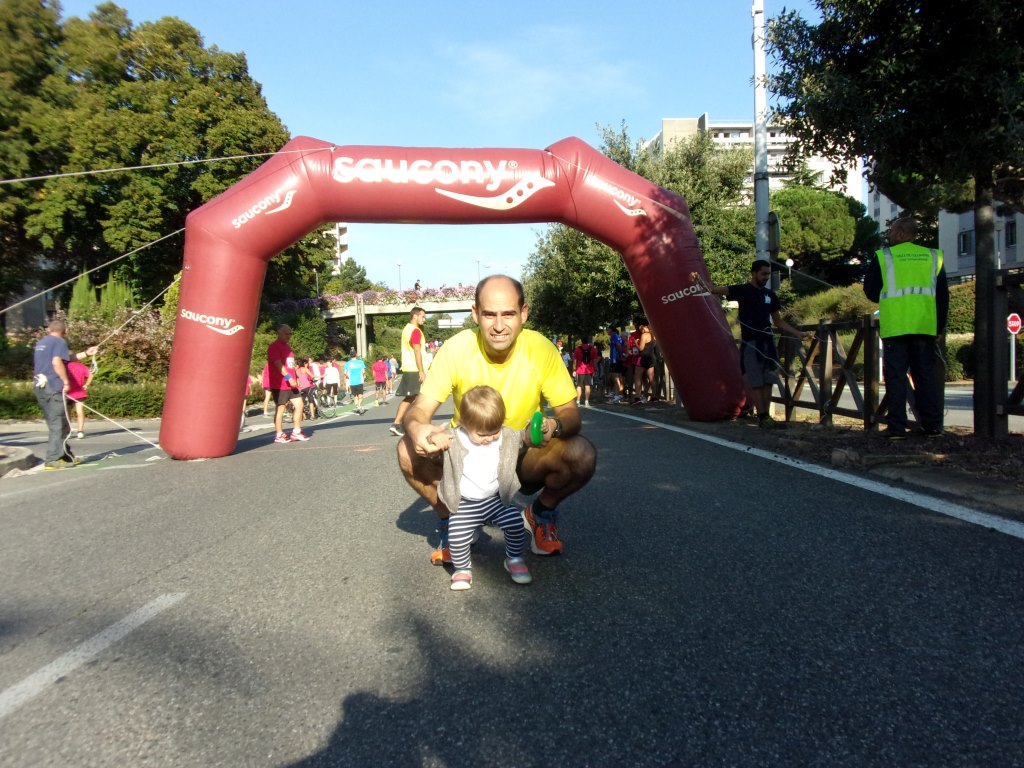
The race “Boulevards de Colomiers” (10km) is a classic of the return from summer holiday session in Toulouse area. This is the 3rd time I have run it. Last year I already wrote a post about it. I then broke the barrier of 45 minutes for the first time and made a personal best. I have since broken the “barrier” twice, setting new PBs.
This time I came to it with more or less the same preparation as last year, as I am following the same training plan, but I have not softened the training schedule to accommodate the race and thus I knew my legs would feel rather heavy.
Classic picture with Andrea before the race.
I started ahead of the 45′ pacer but was caught by him around the 5th km. I then let him go away some metres, as I was not feeling my best due to the heat. In the last kilometre I catched him again and took some lead in the last 400m, being able to finish just below 45′ of net time, 44:49 as per my Garmin, about 20″ slower than last year despite the heavy legs (45:02 official gross time).
I quite happy with th result, being the 4th 10k race in a row under 45′.
If you are not an aerospace enthusiast I guess that probably you have questioned once or twice the motives and the benefits for society from space exploration. Luckily, with the widespread use mobile technology the GPS quickly comes now to mind when such questions arise.
I just stumbled upon the latest outreach campaign from NASA and I wanted to share some of its features here.
Let’s go first to aviation. See in the tweet below the different contributions that NASA has made to commercial aviation and which today enable your cheap, safe, reliable, on-time flights in holidays:
Then, there is a series of videos under the theme “International Space Station Benefits from Humanity“.
The series covers, among others, water purification technologies or tooling used in neurosurgery developed from robotic arms at the ISS. Here I wanted to share a video on how the Vessel-ID System has contributed to make navigation around the oceans safer, as ships emit an Automatic Identification System (AIS) signal very much like airplanes do with air traffic control. The signal is received by the European Space Agency (ESA) Columbus module at the ISS and then sent to a centre in Norway which continuously evaluates them.
See in the video below how this technology works and has contributed make navigation safer and safe lives:
Jeffrey Sachs’ main fields of work include the challenges of economic development, environmental sustainability, poverty alleviation, debt cancellation, and globalization. Sachs is the Quetelet Professor of Sustainable Development at Columbia’s School of International and Public Affairs and a Professor of Health Policy and Management at Columbia’s School of Public Health, previously he was a professor at Harvard where stayed for 19 years. He is Special Adviser to United Nations Secretary-General Ban Ki-Moon on the Millennium Development Goals, having held the same position under former UN Secretary-General Kofi Annan.
The objective of the course as presented in coursera:
This MOOC provides an introduction to the interdisciplinary field of sustainable development, and draws upon the most recent developments in the social, policy and physical sciences. It describes the complex interactions between the world economy and the Earth’s physical environment, and addresses issues of environmentally sustainable and socially inclusive development. By the end of this course, students will gain a broad overview of the key challenges and potential solutions to achieve development in the 21st century.
Taking this course was a very good experience. It took 14 weeks (rather long for my taste with MOOCs), in which a good variety of topics were presented. It called my attention the abundance of materials reviewed in the course, the many sources and online applications which we had to work with along the course (1), the course-specific text book that had been put in place (between 25-35 pages per week), the videos with lectures by professor Sachs, etc.
The syllabus of the course departed with an introduction to sustainable development, economic development to then tackle poverty and the millennium development goals, where it reviewed the progress on some of them and lack of progress in some others. Finally it presented the sustainable development goals, which the UN shall adopt next year.
A couple of days ago, a friend, Alvaro, nominated me for the famous Ice Bucket Challenge for ALS (or ELA in Spanish). In this post I wanted to share the following video [in Spanish] with my subsequent challenge:
In summary,
I contributed to the cause by making a donation to the Spanish foundation FUNDELA (Fundación Española para el Fomento de la Investigación de la Esclerosis Lateral Amiotrófica),
After the training, I poured the so-called ice bucket, and
I nominated my marathon buddies to complete the challenge, Jose Serna, my brother Jaime, Manu Vidal and Juan Hurtado.
See the below the home site of FUNDELA, as you can see making a contribution is going to take you no more than 1 mouse click:
FUNDELA foundation website.
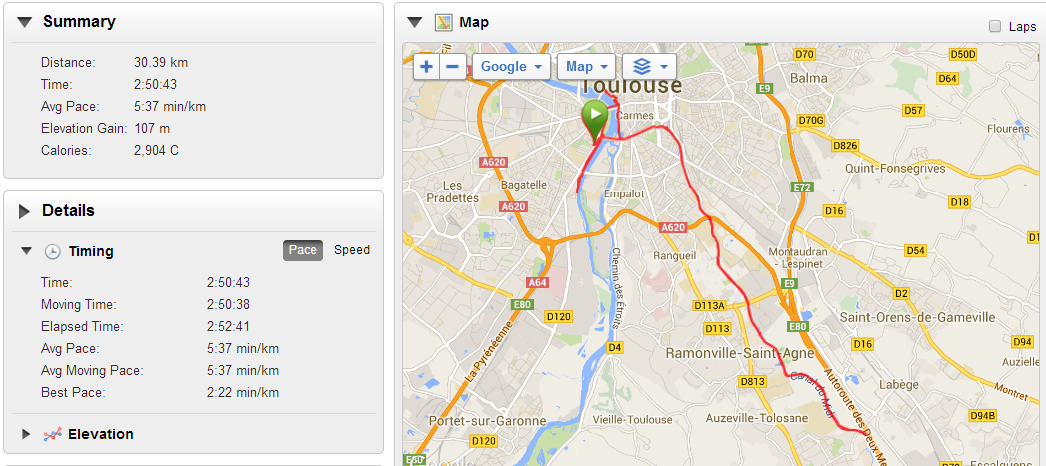
See below the data recorded by my Garmin GPS-watch of the running training session I dedicated to the cause:
My 30km Ice Bucket Challenge run.
—
NOTE: If you feel already in the mood of contributing to charities, NGOs, etc., please, check out this other blog post with the other organizations that I am supporting in this year 2014.