Flight excursion to l’île d’Oléron

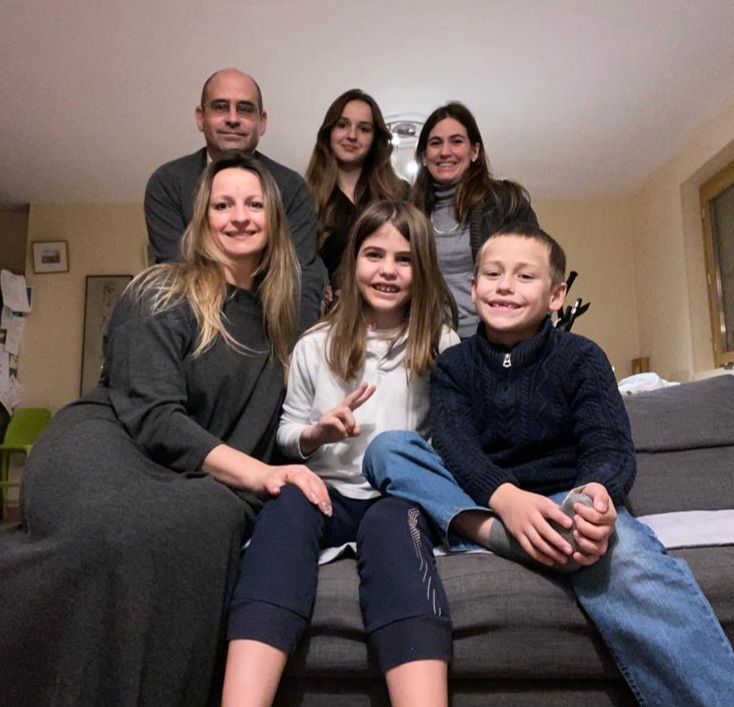
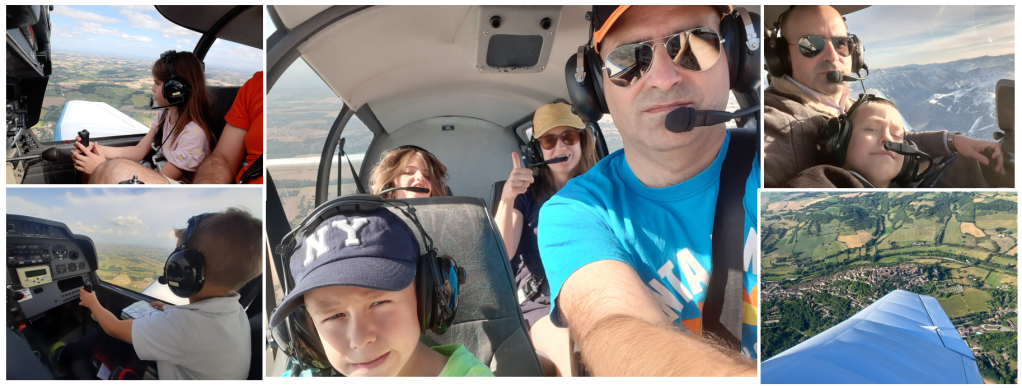
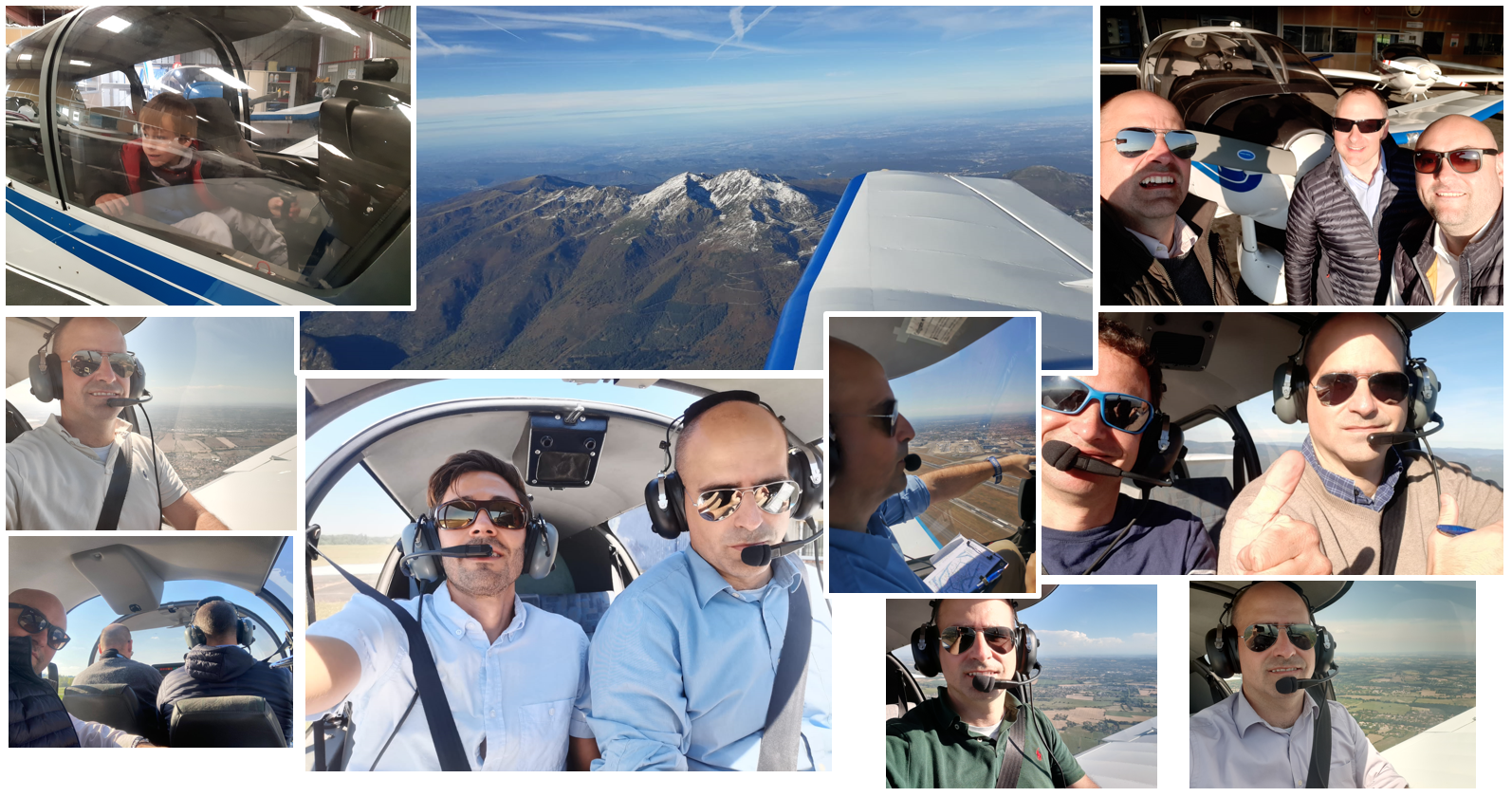
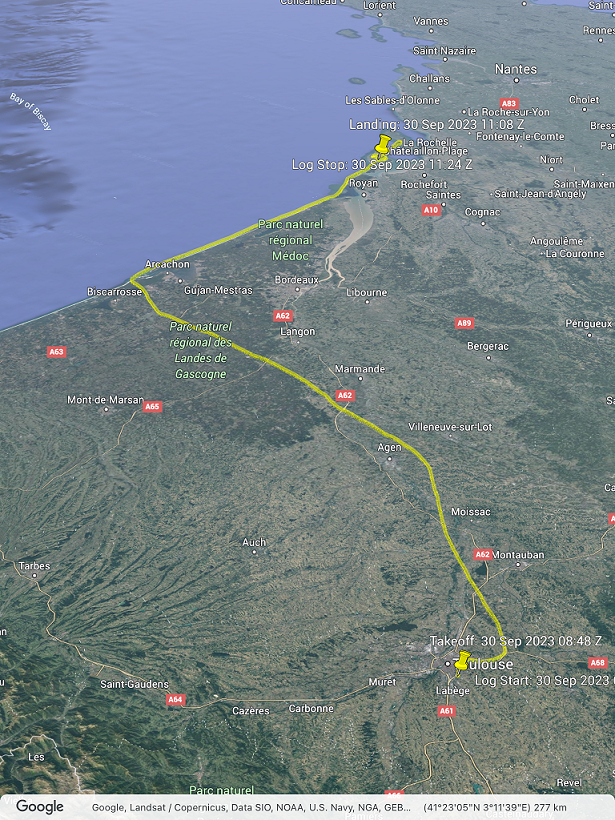
Last weekend, with Luca and our children, we took one of the aeroclub’s DR-400 to make a flight excursion from Toulouse (France) to l’île d’Oléron, a small island close to La Rochelle.

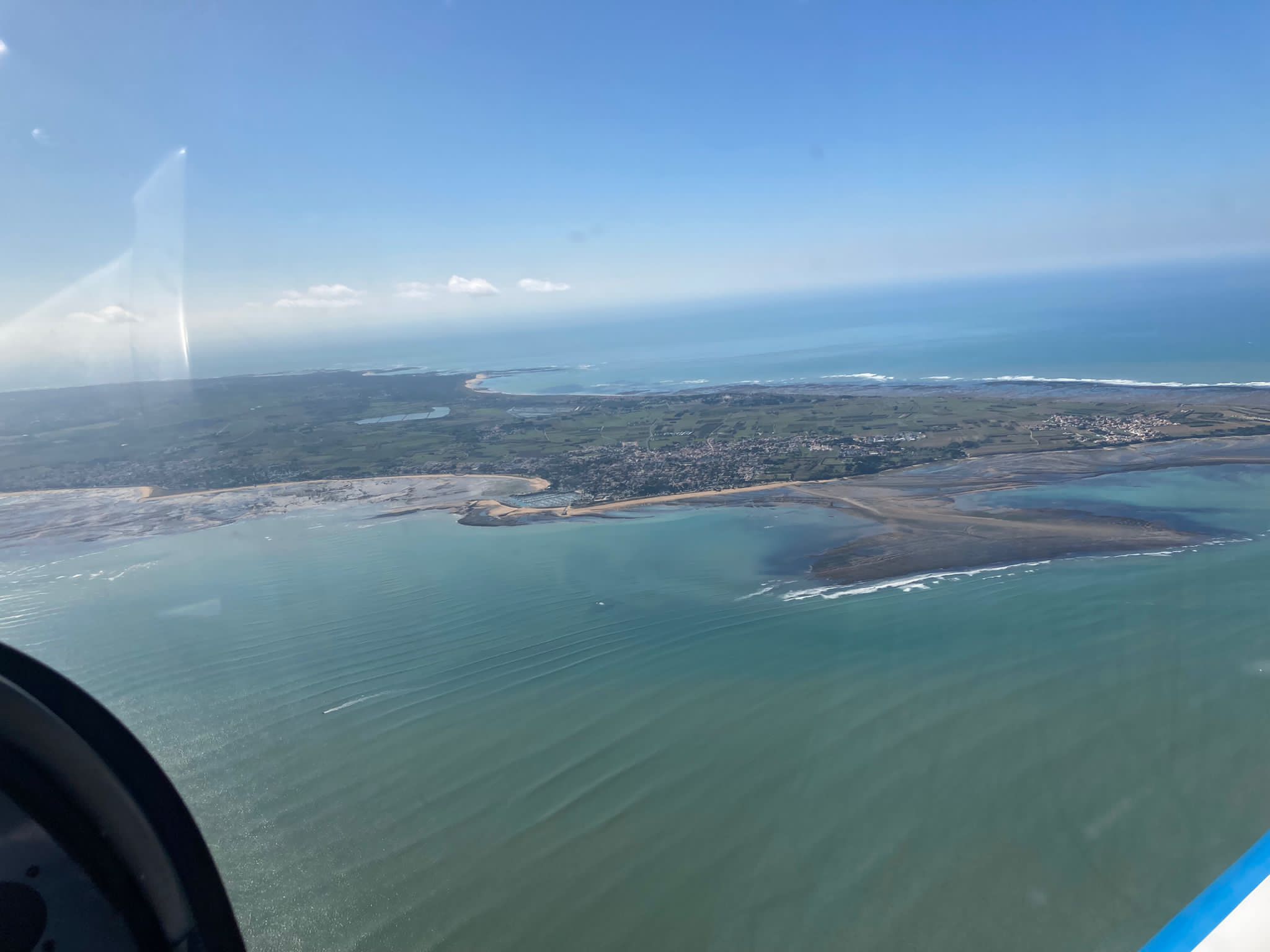
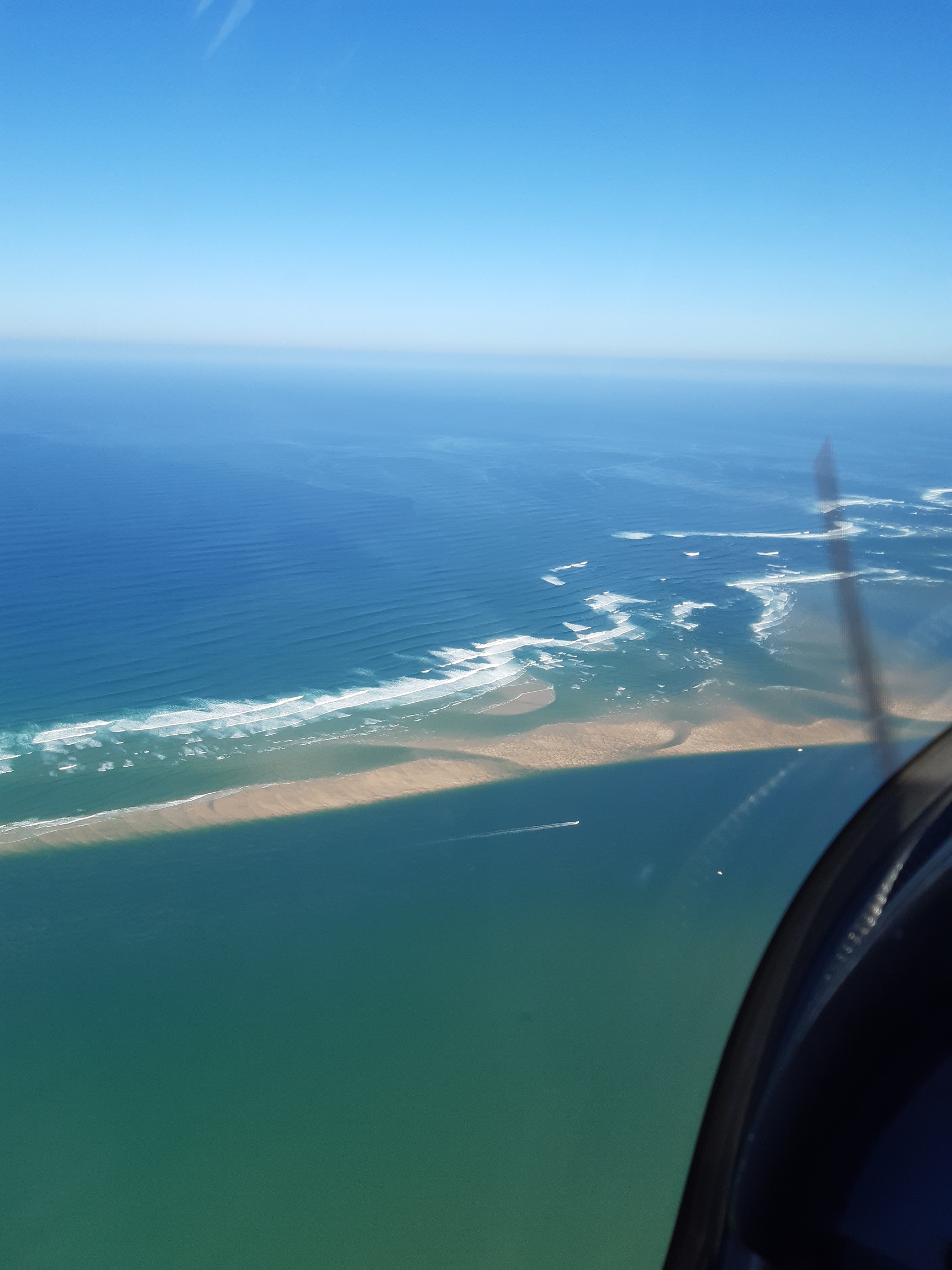
North side of l’île d’Oléron

I had often heard about this destination from different members of our Aviation Society, so we wanted to give it a try as an easy plan for the weekend. We departed on Saturday morning from Toulouse Lasbordes (LFCL), flew to Saint Pierre d’Oléron (LFDP) in about 2h30′ and stayed overnight in the island, to come back the following morning.

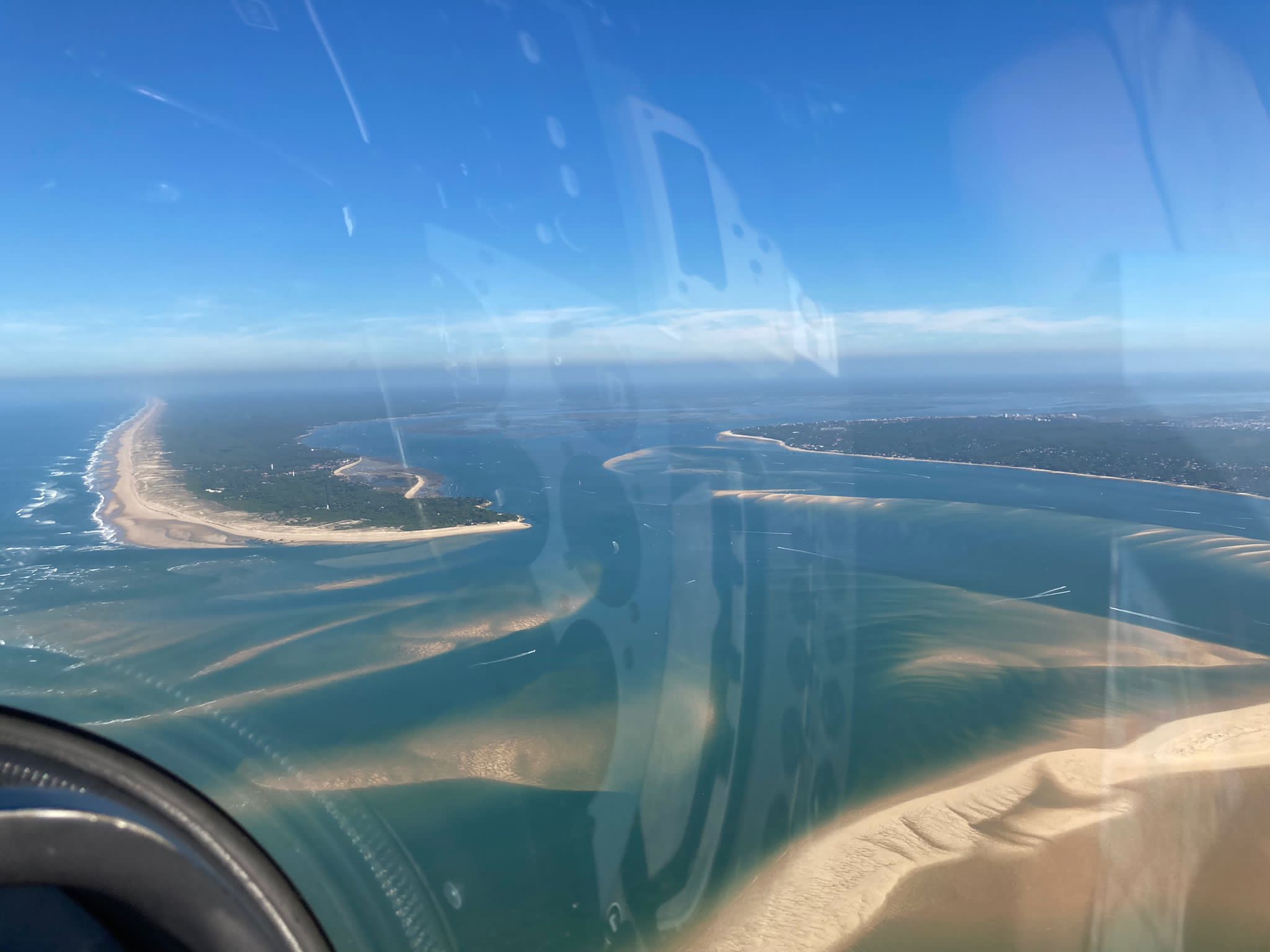
In both flights we flew by the Dune of Pilat and Cap Ferret in order to enjoy the views of the coastline from that point all the way to l’île de Ré.

Cap Ferret

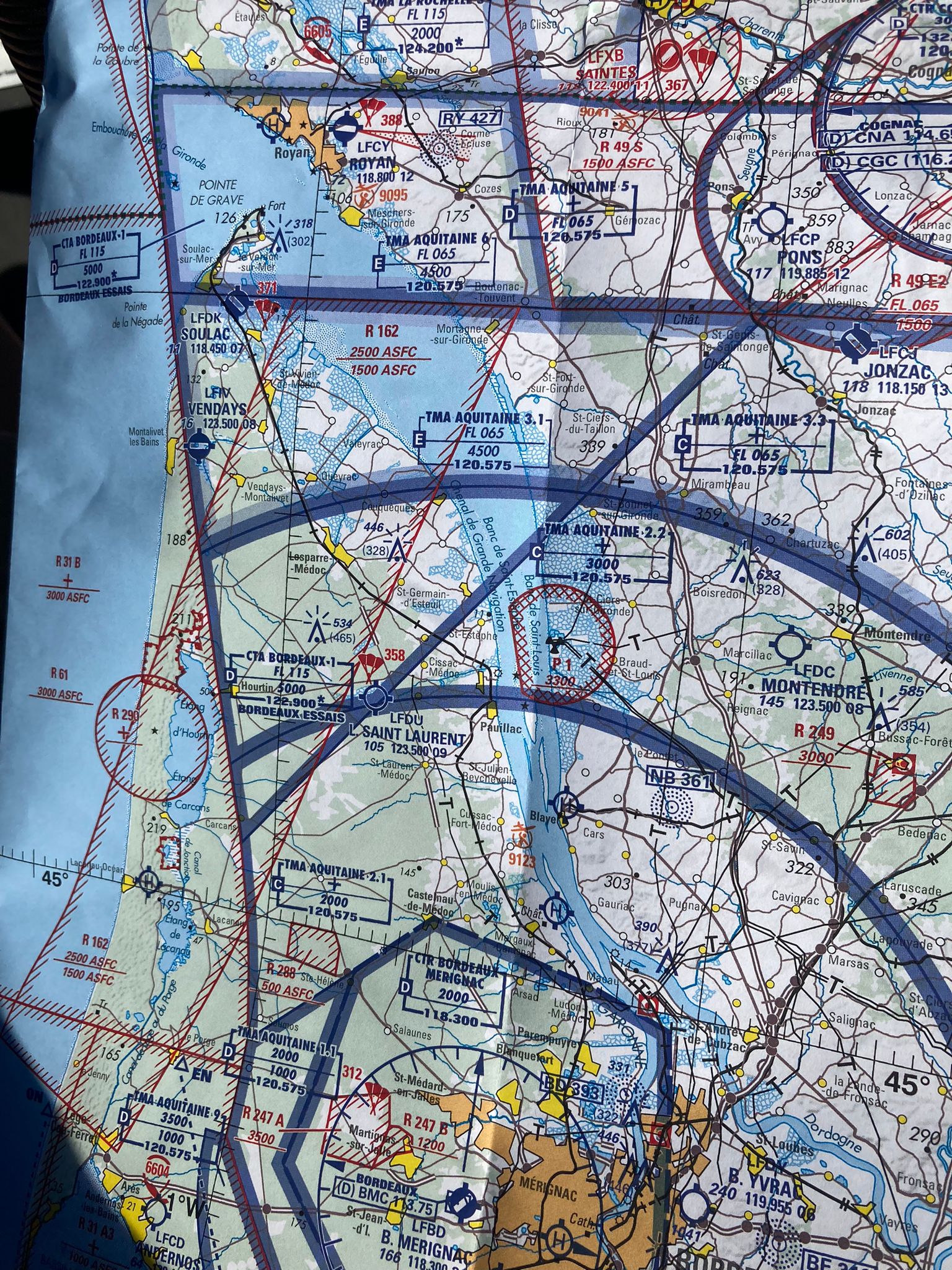
For the preparation of the flights and the navigation we relied on SkyDemon (I took again just 1 month subscription for 15€) from an iPad Mini (using an external GPS connected to the iPad). SkyDemon provides the GPS logs that afterwards can be viewed in Google Earth.

We did not reserve anything in advance, therefore upon arrival at the aerodrome we booked a couple of bikes at the aeroclub (20€ per bike per day; now I would suggest to book them in advance, as there were only 2 bikes left when we arrived) and a night at the hotel l’Hermitage (very good breakfast, silent, nice warm swimming pool at the end of September and accepting payments with cheques vacances), close to the beach Sables Vignier Plage. We had packed light, just 3 light back packs, thus, we rode the bikes with the kids to the hotel and biked as well to and from the beach.

Biking to the hotel
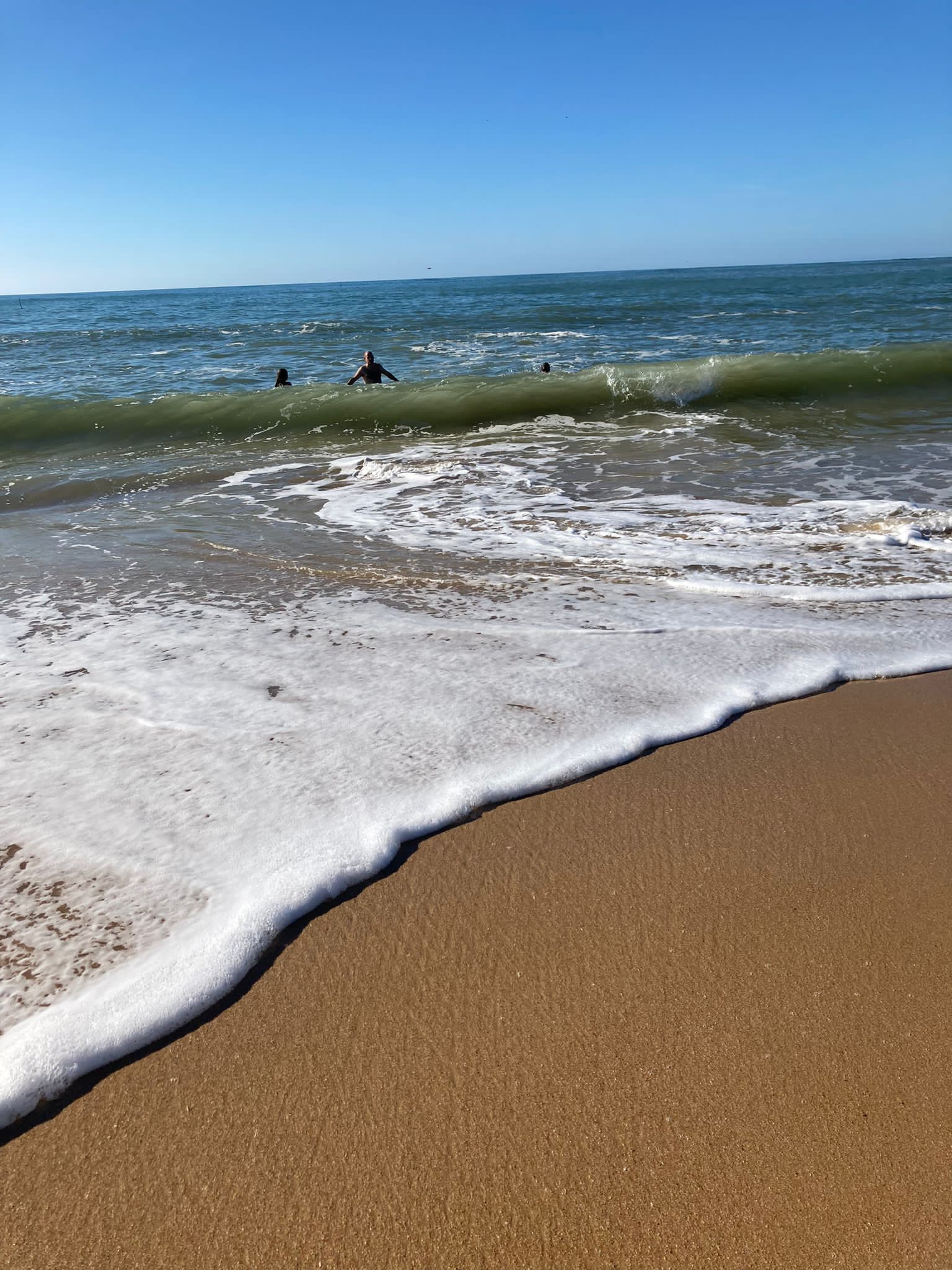
Sables Vignier Plage

As an alternative airport I had selected La Rochelle, from which we could have taken a taxi to l’île de Ré. A third option would have been l’Île-d’Yeu which also has an aerodrome, but after a previous quick search in Booking.com I found that more hotel options with availability would be found at l’île d’Oléron. But I suggest to keep all options open, as if no hotels are found there, the other airports are at a short hop distance.

Saint Pierre d’Oléron (LFDP)
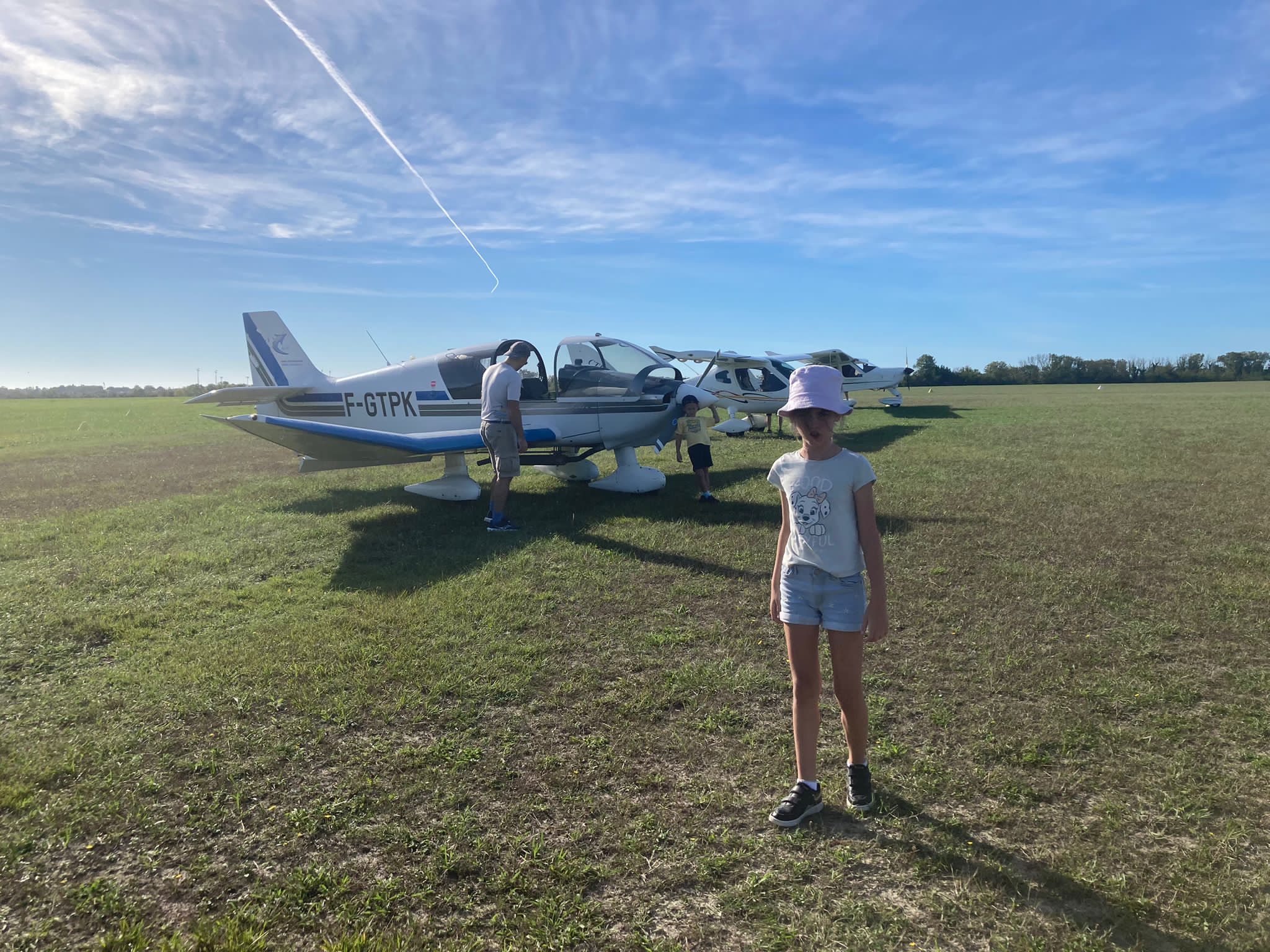
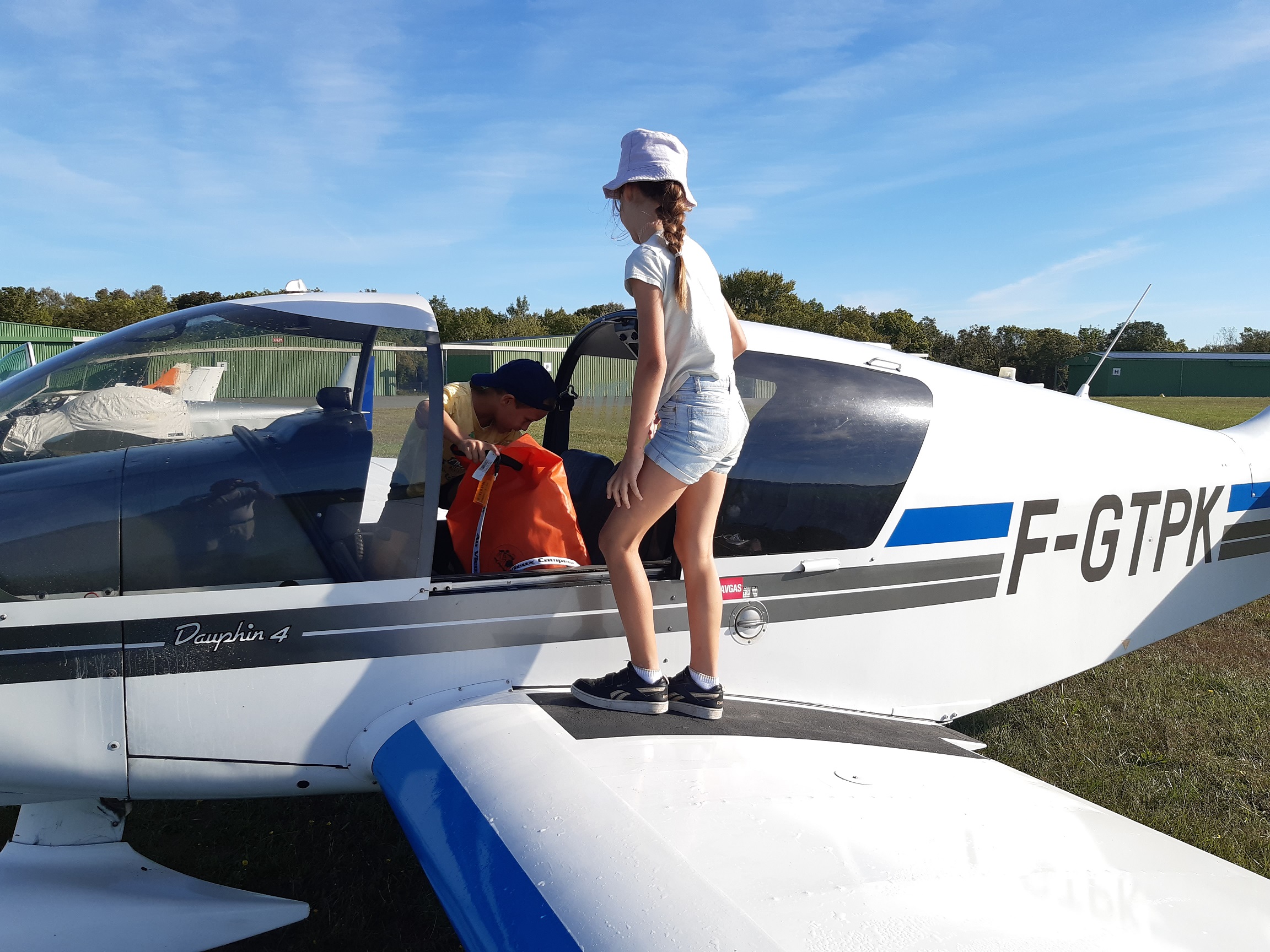
The kids preparing the airplane for the return flight
Return flight

1 Comment

Filed under Aerospace & Defence, Travelling

Summary of (my) 2022

Time to look back and reflect on how the year which is about to end developed. Brief recap of my 2022. (*)

The personal memory from this 2022 was having my father back at home after nearly two months in hospitals, including a couple of days at the emergency room. He suffered a heat stroke at the end of June and only came back from it mid August. Those were testing times for him but also for the family, especially for my mother and brother who lifted the lion’s share of the caring for him during those months.

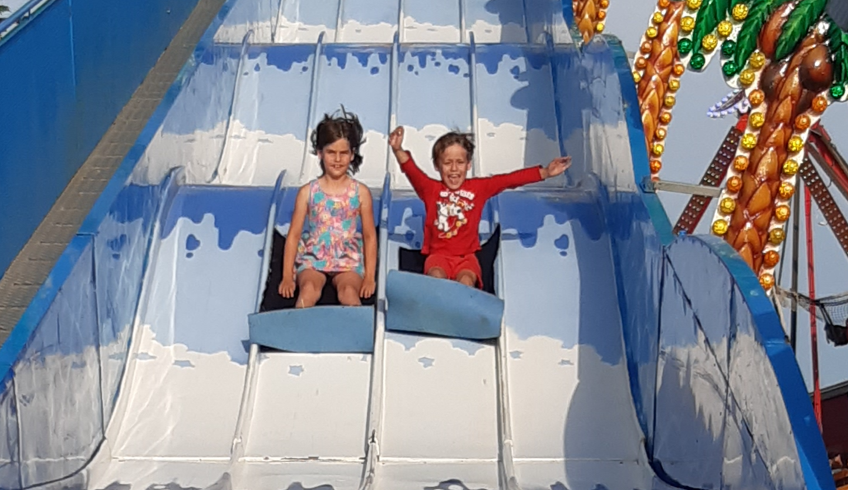
Family. Andrea is now 9 years old and David, 6. Andrea has been learning piano for most of the year, she enjoyed very much climbing, reading, singing in the school choir, drawing anddoing handcraft. She also started taking Spanish lessons once a week since the fall, on top of the Dutch lessons they both take every second week.

David is now nearly fluent in English and they both talk to each other in that language. He is improving with his reading and writing and very eager with maths. He started to play video games, is very fond of football and wants to help with anything, especially if it involves the use of tools (that probably comes from his maternal grand father).

Sports

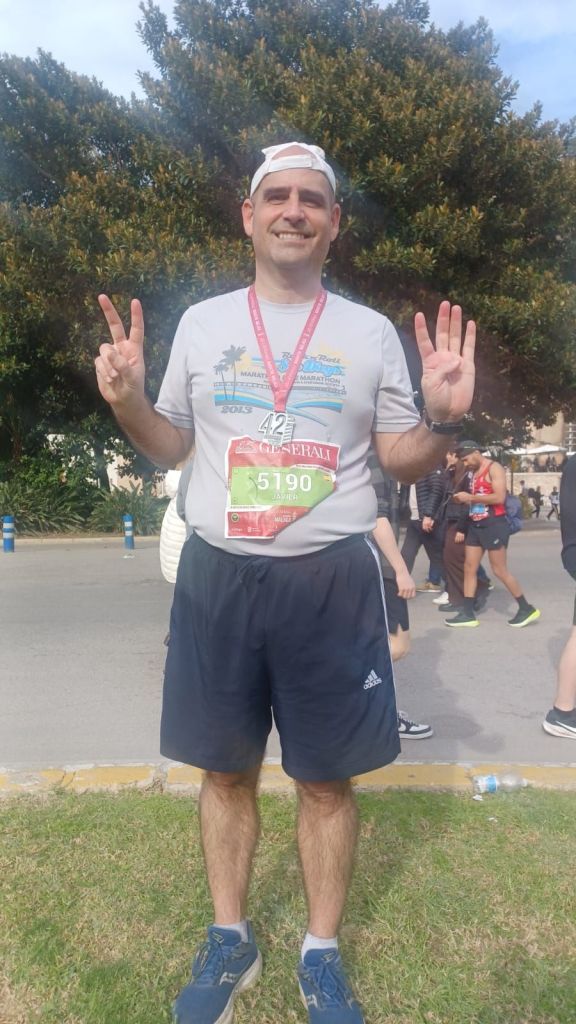
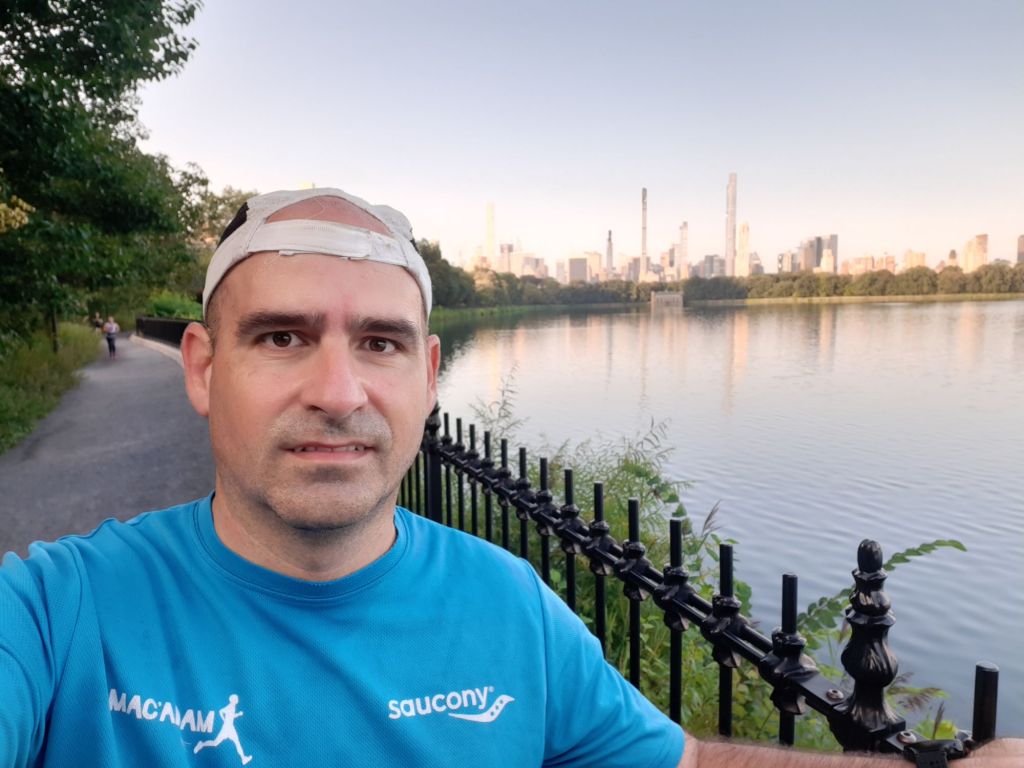
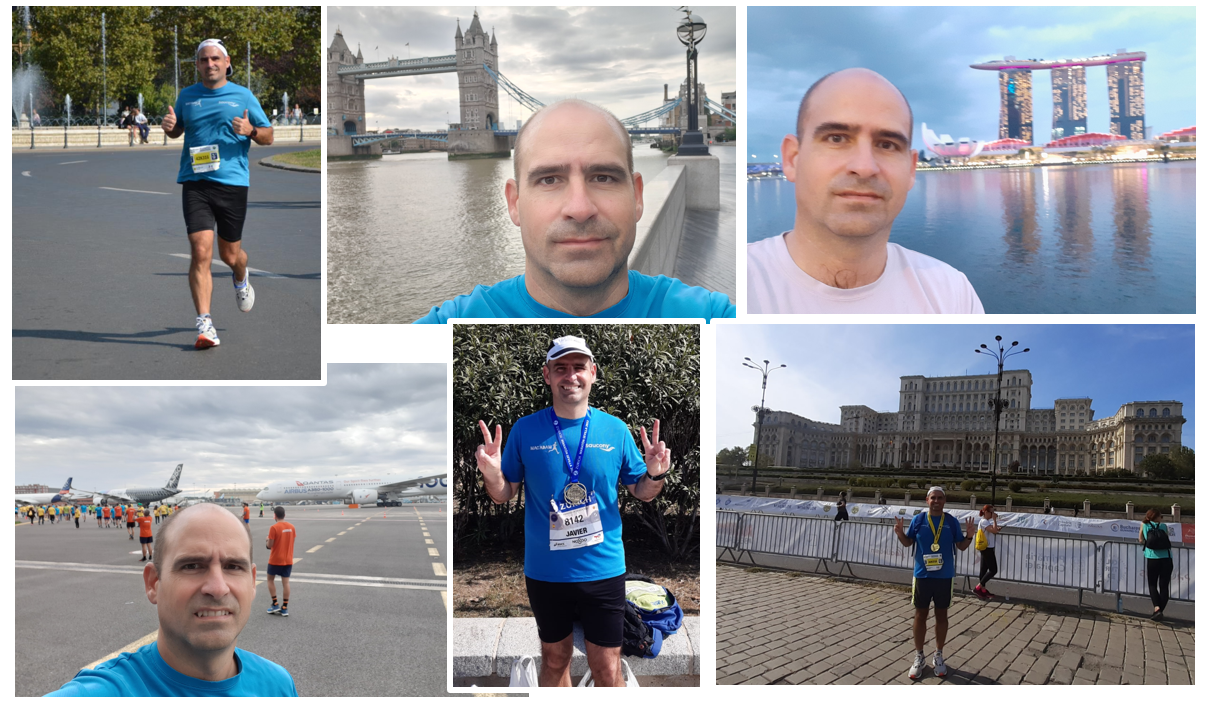
Back to marathoning! After not having taken part in any marathon in 2020 and 2021 (breaking a 9-year streak), in 2022 I completed 2 marathons: Sevilla and Bucharest. Those were great and emotional experiences. With them I have now completed 23 marathons.

This year, together with some work colleagues we participated in a month-long sports (running and biking) challenge fighting against hunger in the spring and in the fall we ran the 15km-long Airbus charity run.

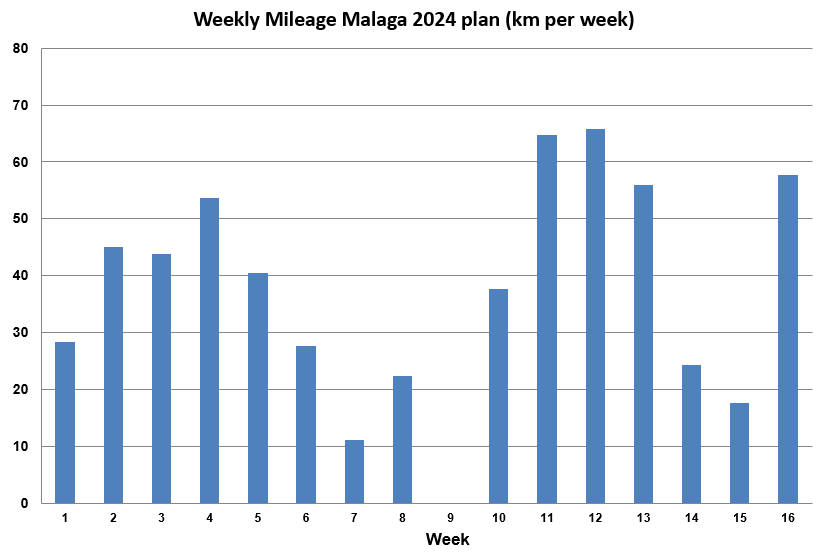
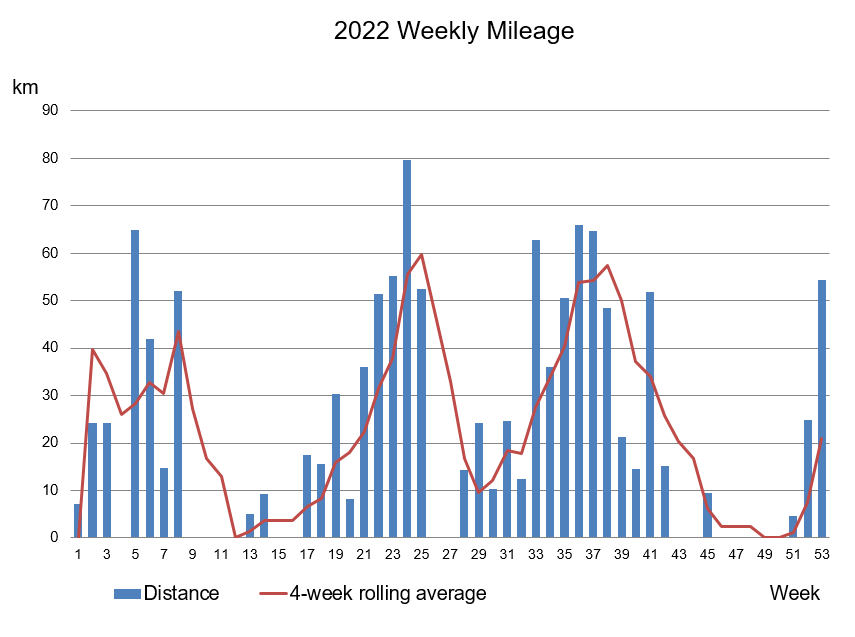
I ran 1,200km in 2022, around 100km less than in 2021. You can see below that I alternated periods of heavy training with some weeks of not running, due to illness, injuries, travelling or resting after the races.

Following a mantra I try keep to letter, “the running shoes, always in the suitcase”, the year 2022 caught me running in: Galapagar, Singapore, Seville, La Châtre-Langlin, Fontainebleau, Wijchen,  Pontoise-lès-Noyon, Isla, Derby, Hamburg, London, Torrelodones, Almuñécar, Hyères and Bucharest, plus the tens of times I trained in my village, Blagnac and Toulouse.

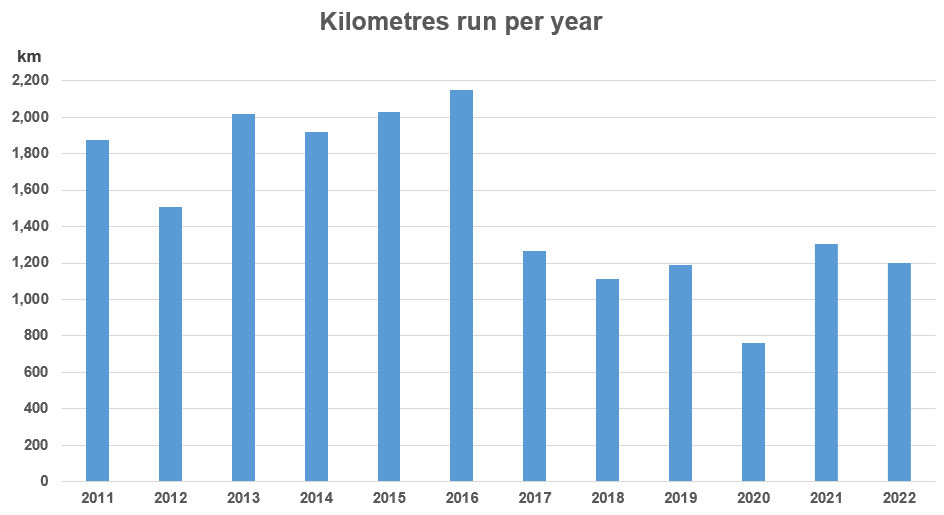
With those 1,200 kilometres run in 2022, this is the sixth year in a row that I struggle to add more mileage, as I used to do between 2011-2016… One would say whether it is due to the arrival of the second child (spring 2016), the moving of houses (summer 2017) or just getting older (!), but something has made it more difficult. Hopefully in 2023 I can break that trend.

Other sports:

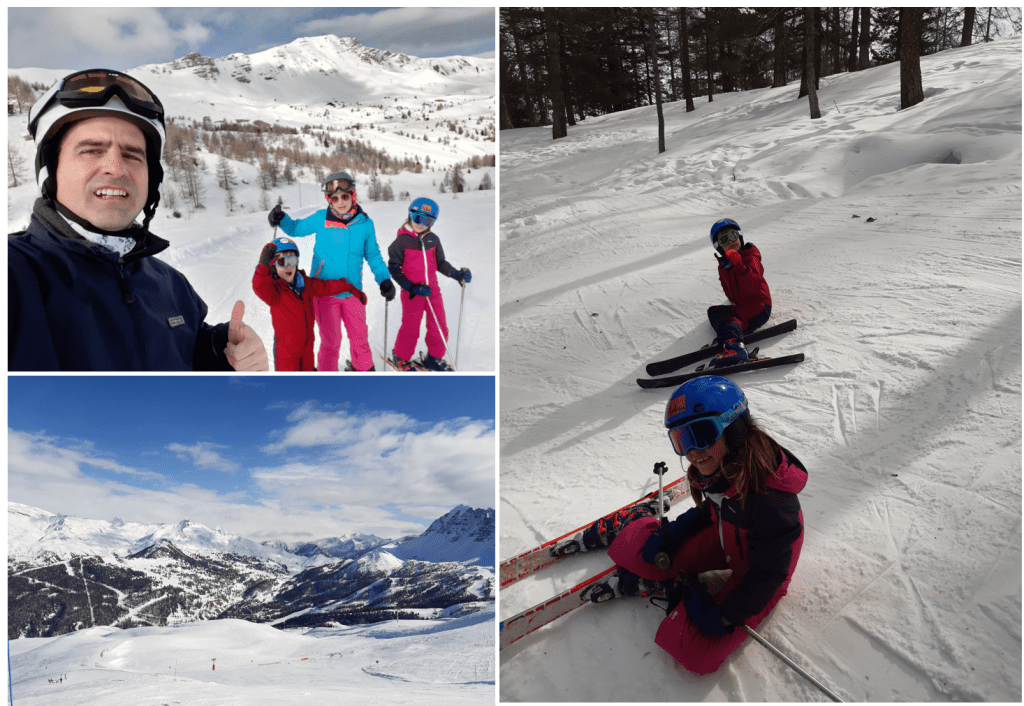
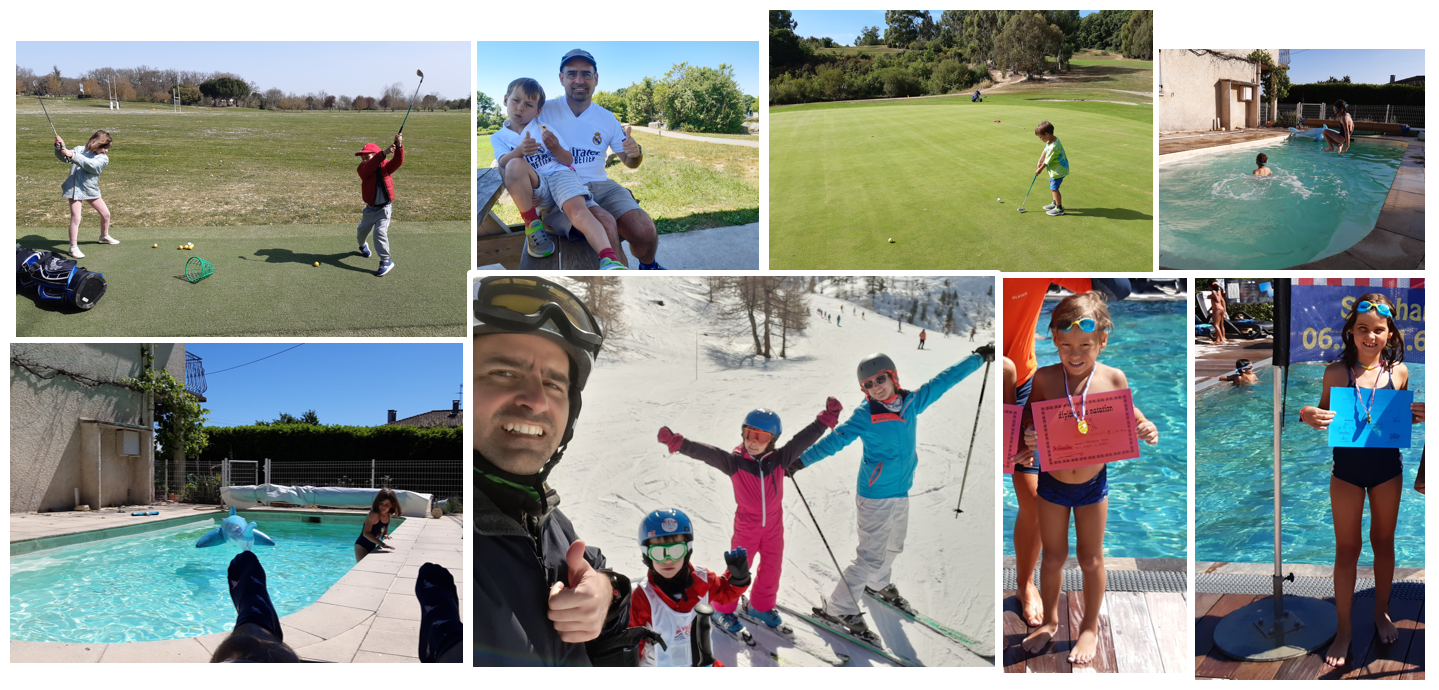
  • Skiing. After the cancellation of our plan in 2021, in 2022 we could go back with the family for  a week to our favourite resort at Vars, in the Southern Alps. If in 2020 it was the first time I descended some tracks with Andrea, in this 2022 it was the first time that the four of us descended some tracks altogether. That was a great experience. This year Andrea got her Flocon medal and David his Ourson one (levels from the French ESF).
  • Swimming. On top of enjoying the pool at home, this year we went to the beach at three different locations: Isla (North of Spain), Almuñécar (South of Spain) and the Presque-ile des Giens (France). The kids loved it. During the holidays, they also took some swimming lessons to improve their style.
  • Golf. The whole family started taking golf lessons last year and for half of the year 2022 we continued doing so, though after the summer the kids wanted to quit.
  • Climbing. Both Andrea and David are very fond of climbing, so now, at almost every school holidays break they follow some climbing stage.
  • Real Madrid. Even if David and I did not have to play for it, we did enjoy watching a few football matches together supporting our favourite team all the way to winning the 14th Champions’ League, another memorable hapenning of this 2022.

Flying. Unfortunately, this year I haven’t flown much, just 7 flights and 13 landings (the least in 12 years of flying). This takes the total to just above 192 flying hours and 300 landings since I started taking lessons back in 2011.

Together with our Aviation Society we were planning some excursions for the summer time but for different reasons a couple of them were cancelled and I could not join another. Therefore all the flying this year has been around our South West region.

On the positive side:

  • I renewed the FCL055 qualification that allows me to speak in English to the ATC when flying abroad, this will permit me to attempt long excursions next year again.
  • This year I flew for the first time with a few colleagues: Iain, Scott, Emilio and Marcellin. I am sure that in 2023 I will have the chance to fly with more colleagues.

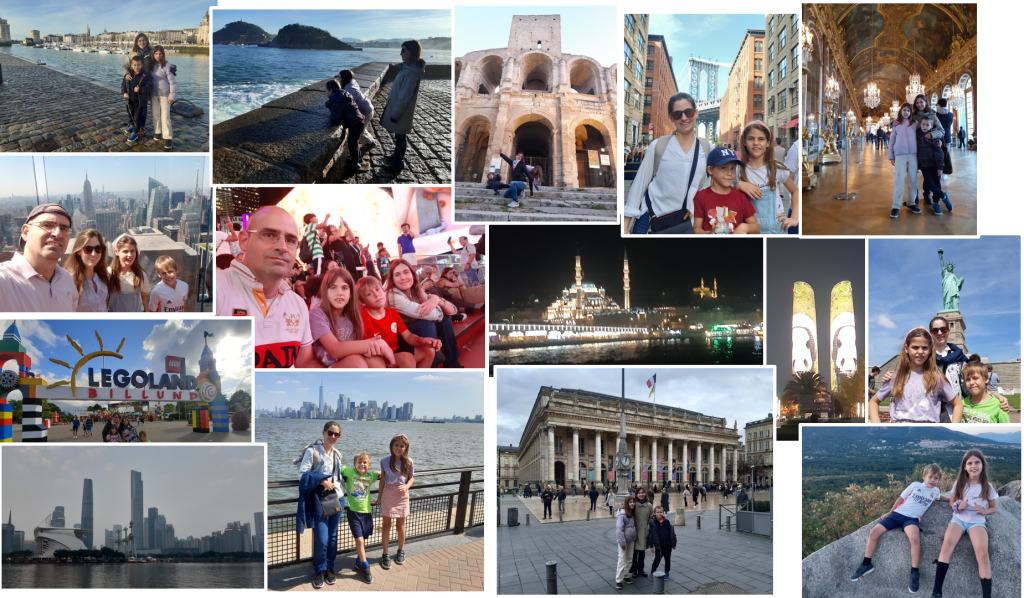
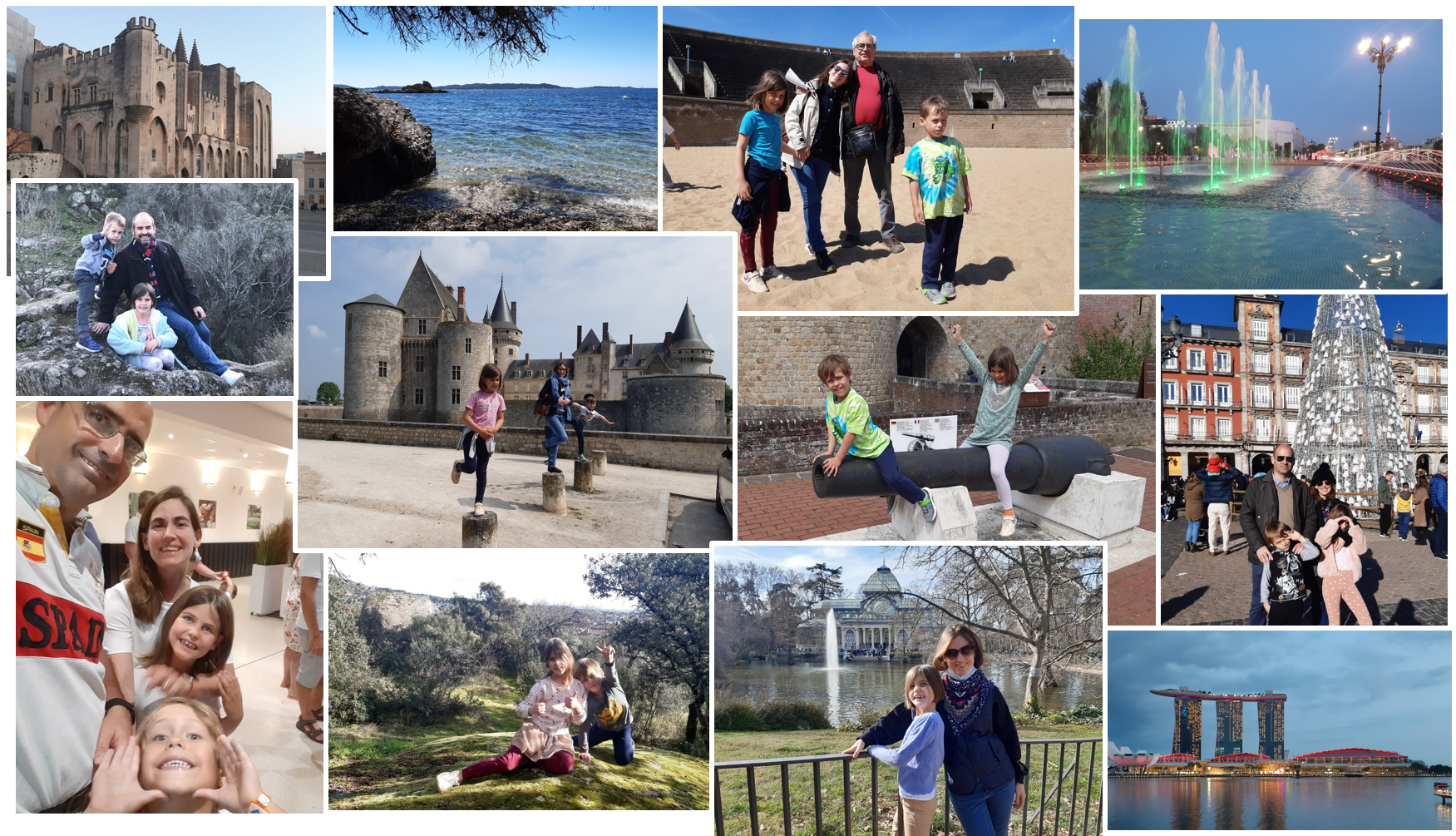
Travelling. After many restrictions during the pandemic, especially in 2020, in 2021 we started to travel more and in 2022 we had the chance to visit some new and old places: Singapore (first time for me), Spain (Seville, Santoña, Isla, Madrid (a few times), El Escorial, Bailén, Almuñécar, Las Navas de Tolosa, Tordesillas, San Sebastian), France (Gap, Vars, Avignon, Sully-sur-Loire, Fontainebleau, Péronne, Château de Blérancourt, Meung-sur-Loire, Nimes, Presque-ile des Giens (there we had great week at the beach in the French Riviera)), Germany (Xanten, Hamburg (first time for me, and where we were very warmly hosted by Burkhard!), Munich), the Netherlands (Wijchen), England (Derby, London (it was quite some time since the last time I was in London), Farnborough), Romania (Bucharest) and Pakistan.

In some of those trips we had the opportunity to meet some friends from the university and the high school that we had not seen in a few years. That opportunity to continue reconnecting felt good.

Work. The year 2022 marketing our Airbus widebody aircraft has meant lots of fun and a great learning experience. The everyday work is already quite interesting and exchanging with the team I learnt new things everyday.

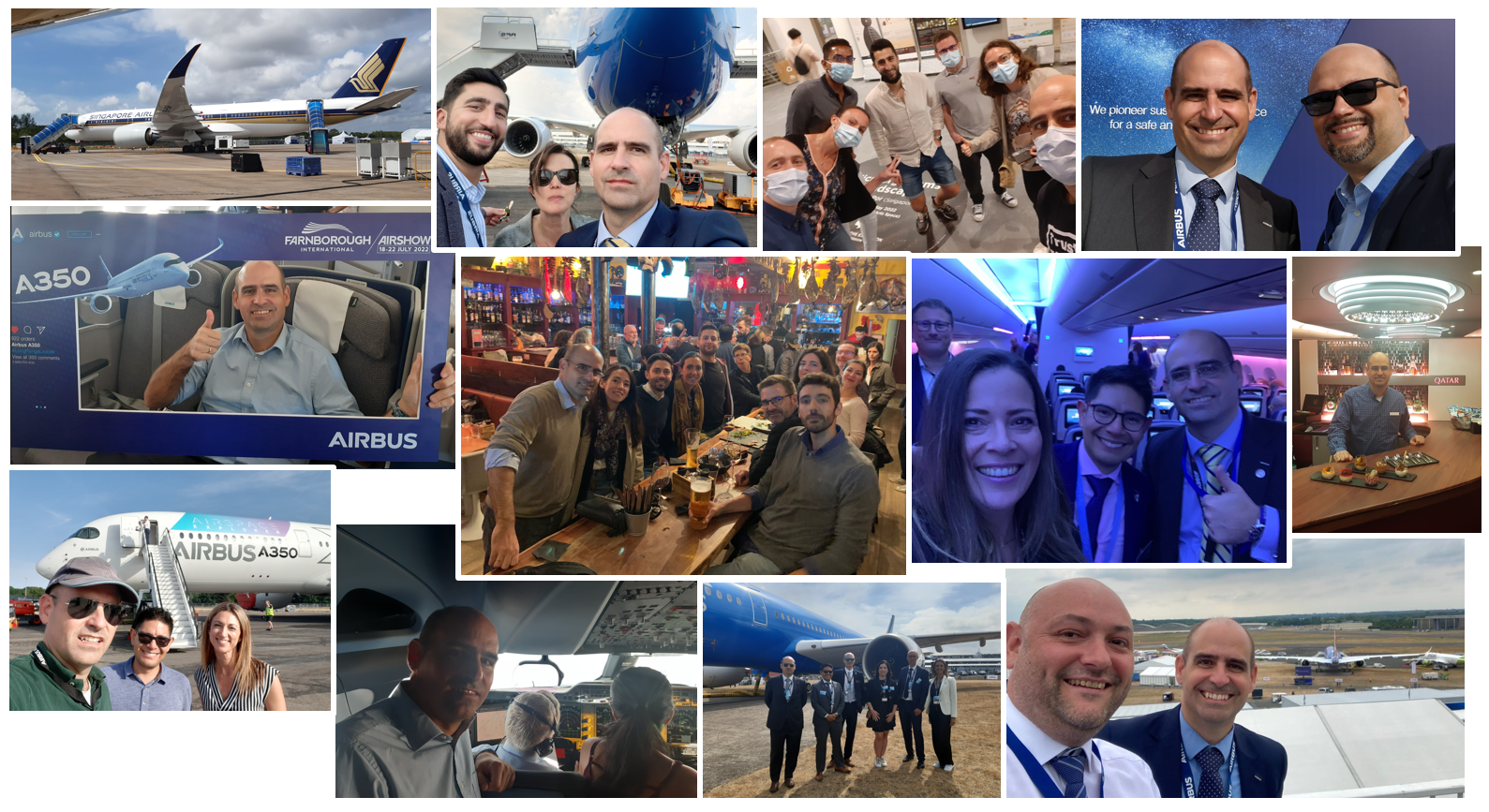
This year, with the picking up of the aviation activity and the opening up of many countries, I had the opportunity to meet many of our colleagues working abroad, to give several presentations to customers about our products (remote or onsite), to welcome a few of them and show our A350 final assembly line, host in Toulouse and visit our colleagues from Rolls-Royce in Derby, fly with the press on one of our A350 flight test aircraft during the Airbus Summit, and especially take part in the air shows of Singapore and Farnborough, where I could showcase different A350s, from Singapore Airlines and ITA Airways, respectively. Those air shows have been real highlights of the year, at times showing the aircraft non-stop for hours to many different and varied groups of customers or institutional representatives.

These activities gave me the opportunity to fly for the first time on an A350 (!).

At the beginning of the year, one of our colleagues, Alex, switched departments and we reshuffled the activities within the team and that made it much more interesting, including the working hand in hand in particular with Raphael and Cedric.

At the end of the year, another of our colleagues, Florian, announced his departure and this offered another opportunity to grow. Following a recruitment process, in which a few colleagues participated, I was selected and from January 2023 I will change again the scope of the activity focusing now on the A330neo (back to it after having spent 4 years (2015-2019) working in its development!), working hand in hand with Anna and Raphael.

Reading. I started 2022 reading at a good pace until summer, then I got stuck with the second volume of Le Vicomte de Bragelonne and a series of trips interrupted my pace, and it took me months to recover it. In the end I completed just 13 books, the least since 2015 and read just above 4,800 pages, also the least in the last 6 years. For the detailed list of books, see the post I wrote about my 2022 reading list with a brief description of each book.

Other cultural activities:

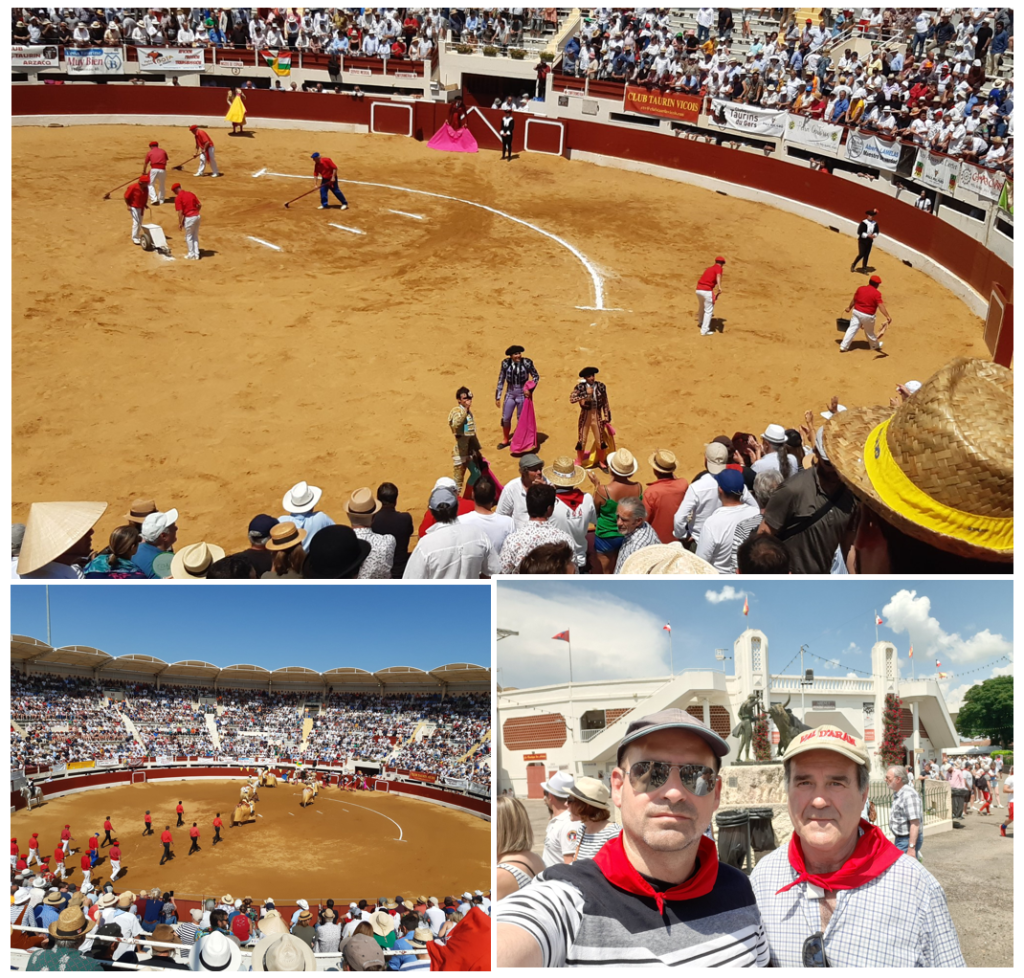
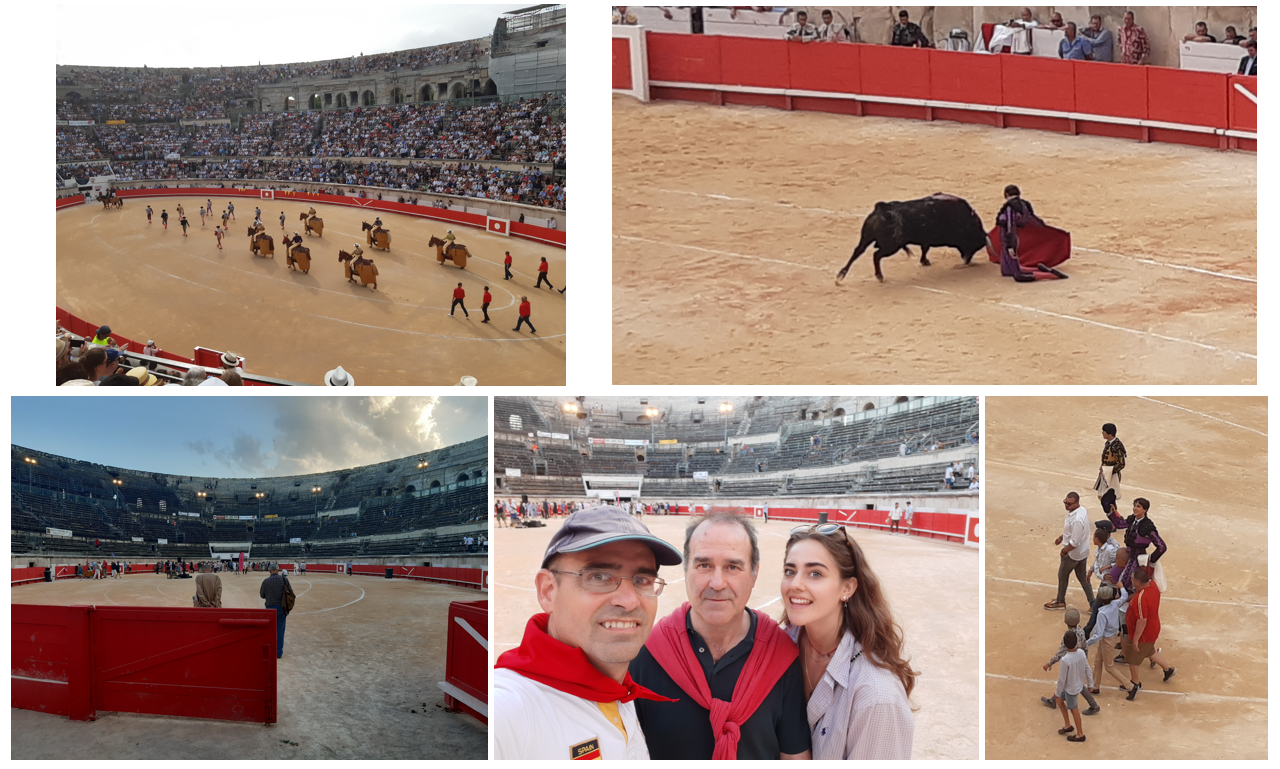
  • Bullfighting. This year again together with Luismi, his family and my family we went to Nimes for a weekend to enjoy its Feria, and in particular to attend the corrida de toros with Roca Rey, currently the most successful bullfighter. The experience and his performance were simply splendid. Roca Rey performed together with José María Manzanares and Alejandro Marcos, and with bulls provided by García Jiménez. He was awarded three ears, hence, he was borne triumphantly aloft through the main gate, “Puerta de los Cónsules” at Nimes Roman amphitheater. The atmosphere in the city those days was ecstatic.
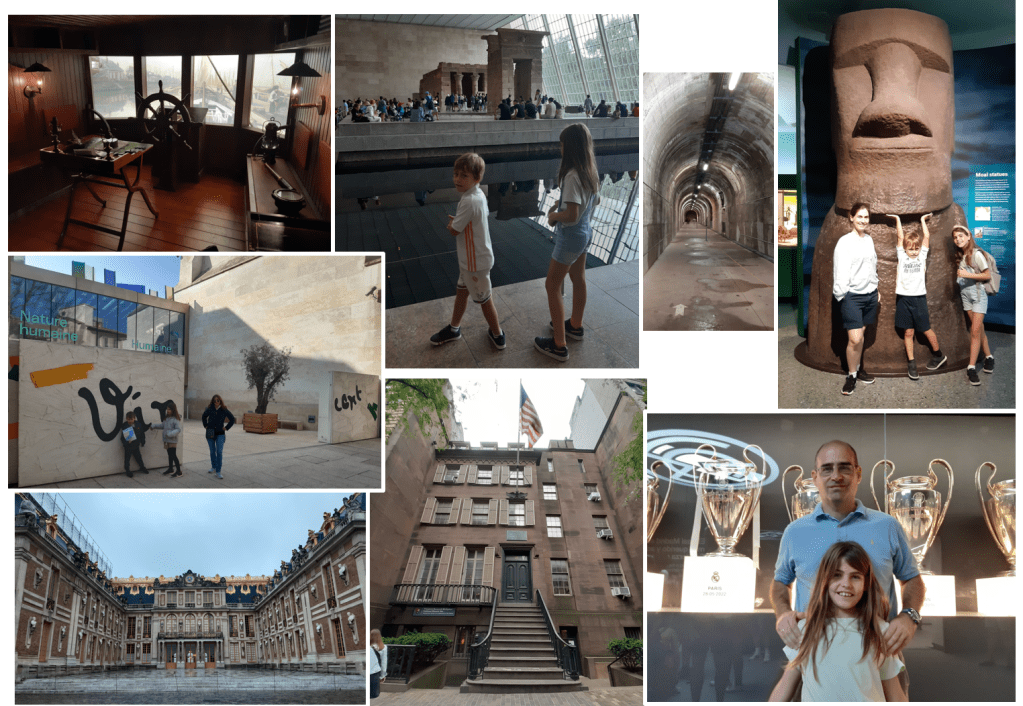
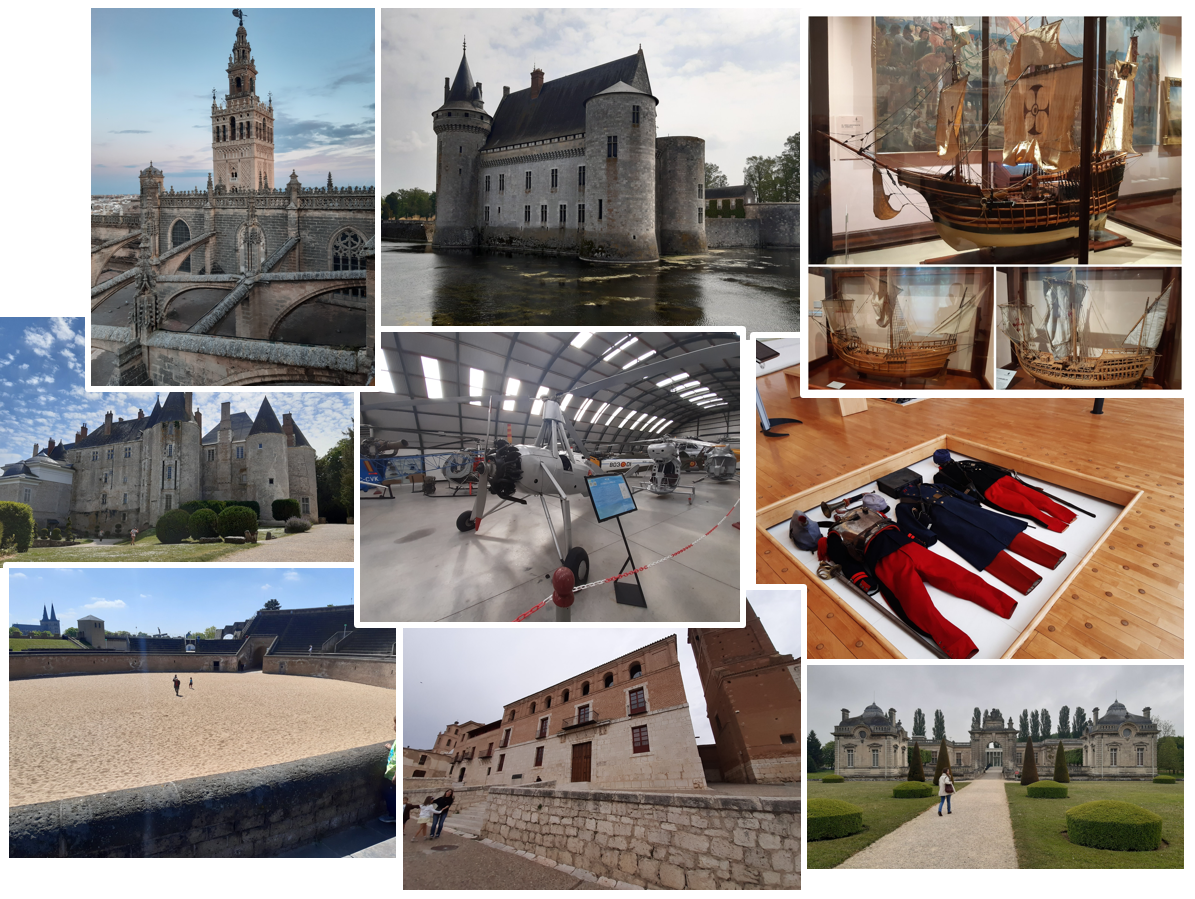
  • Museums. This year again we took benefit of every road trip to visit as many museums and castles as we could, among them: the Naval and Aviation museums in Madrid, the museum of the battle at Las Navas de Tolosa, the Great War musem at Péronne (finally! I had tried to visit it before but is always closed during Christmas), Château de Meung-sur-Loire, Château de Blérancourt (which includes the Franco-American museum), Château de Sully-sur-Loire, the visit of the roofs at Seville Cathedral and the Roman settlement at Colonia Ulpia Traiana (Germany).
  • Shows. In the past two years with the pandemic we had not gone to any show; in this 2022 I loved going to the cinema again, with some work colleagues to watch Top Gun Maverick (superb!) and the musical Malinche, about the conquest of Tenochtitlan, produced by the artist Nacho Cano, which was another great experience.

Blogging: This is the 13th year since I started the blog, but I didn’t manage to write much, only 5 blog posts in 2022. The blog received just above 21,200 visits in 2022 (the least since 2012) and over 473,000 since I started it in 2010.

Not everything was positive in 2022: a former work colleague passed away, so did the parents of other friends and colleagues, plus the Russian invasion of Ukraine which created havoc in many families, including the many refugees host in the region. Hopefully in 2023 that war comes to an end.

On the positive side, some colleagues and friends had new babies and got married in this 2022!

Now it’s time to rest, celebrate with the family and hope for the best in 2023. This year we will participate again in the San Silvestre Vallecana in Madrid running along tens of thousands of other runners in the evening of this December 31st as a farewell to the year. For the moment we have just a couple of planned trips for 2023, to the Netherlands and another skiing week in Vars, but hopefully many more activities will make it memorable as well.

I wish you the best for 2023, enjoy it!


(*) You can see here my 2010, 2011, 2012, 2013, 2014, 2015, 2016, 2017, 2018, 2019, 2020 and 2021 recaps.

5 Comments

Filed under Personal development

My 2022 reading list

In this post I wanted to share the list of books I read along the year (1) with a small comment for each one and links to some Twitter threads where I shared some passages that caught my attention while reading the books. I have also included a small rating from one to three “+” depending on how much I do recommend its reading.
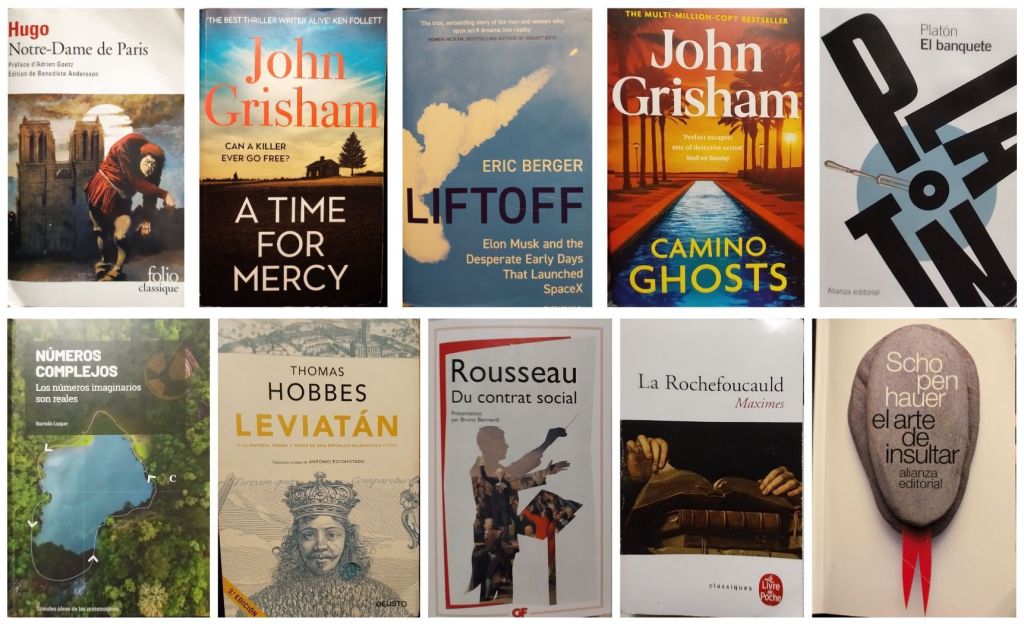
  1. Políticamente indeseable” (by Cayetana Álvarez de Toledo) (+++): The book is partly an autobiography and partly an essay where the author (a politician of the Spanish Popular Party) recollects memories from her childhood, to her settling in Spain around 25 years ago, her career as a journalist and to the current status of Spanish politics (to the end of 2021). The book is a call against nationalism, collectivism, tactics, and in favour of reason, freedom and individual responsibility. [Twitter thread].
  2. La revolución española vista por una republicana” (by Clara Campoamor) (+++): The author is described in the Wikipedia as follows: was a Spanish politician, lawyer and writer, considered by some the mother of the Spanish feminist movement. In this book she describes her memories and provides an analysis of the months prior to the onset of the Spanish civil war (1936-39) and its first months, with emphasis on the government rearguard that she lived through. The irrationality on both sides that she describes is devastating, to the point that she fled Spain fearing for her life, while she was a Republican, was in Madrid (under the Republican side until the end of the war) and she still felt in danger from the Republican side. [Twitter thread].
  3. Extremo centro: el manifiesto” (by Pedro Herrero and Jorge San Miguel) (+++): I started following the authors (who formerly worked for the Spanish political party Ciudadanos) in social media and in a podcast they started years ago. In this book they condensed many of the ideas they have come up along these past years. They offer many interesting analyses and various proposals around the caring for others, in favour of the creation of culture, creating ties with the community… Something special about the book is the fresh and provocative language they use together with a kind of “cards” that they have used to represent some stereotypes of characters of the Spanish public life. [Twitter thread].
  4. Emma” (by Jane Austen) (+): I wanted to read Emma as this is the book from Austen included in the Great Books curriculum for the bachelor in arts of Saint John’s College (see section at the bottom of the post). However, chronologically Emma came after Sense and Sensibility and Pride and Prejudice, so I arrived to Emma after having read the other two. The plot is around Emma’s willingness to play matchmaking with her acquaintances (even if her skills on that front are unimpressive) and her own negative views on marriage. Once again, as with the previous two Austen books, I found the narrative very slow, quite dense and too detailed. On the positive side: the plot and Emma’s situation are turned upside down at the very end of the book. [Twitter thread].
  5. La matemática en el arte” (by Pedro Miguel González Urbaneja) (+++): This is a book from a collection of 40 short books on mathematics that my mother gifted me with in 2019. My idea is to read a few of those books per year. This one offers a review of the influence of mathematics and the Greeks on art since the Renaissance. Some of the artists that are looked at in the book are: Della Francesca, Pacioli, Alberti, Dürer, Leonardo, Raphael, Gaudí… [Twitter thread].
  6. Soumission” (Submission) (by Michel Houellebecq) (++): I remember that when the book was published back in 2015 it created some controversy in France. I only got interested in the book more recently after having heard some positive reviews of it. The book tells the story of a university professor during the fictional transformation of a France governed by the Muslim Brotherhood, where the public university becomes Islamic, hence the profressor first resigns from his position and then after wandering around France for some time he yields in to the times, submits himself, prepares to convert to Islam and comes back to the university. When reading it I did not find it so provocative as to create the noise it did in 2015. [Twitter thread].
  7. The End of History and the last man” (by Francis Fukuyama) (+++): First published in 1992, after the end of the Cold War and fall of the Soviet Union, the book’s case is that after old regimes and the failure of fascist and communist totalitarianisms, liberal democracy and capitalism stand out as the remaining system at the end of History. [Twitter thread].
  8. Air Wars. The global combat between Airbus and Boeing” (by Scott Hamilton) (+++): The author is the editor of Leeham News and Analysis, a reference blog on aerospace industry. This book starts out as a biography of John Leahy (former chief operating officer for Customers at Airbus – retired in 2017) and frames it on the background of Airbus and Boeing competition during the last ~40 years until 2021. It is a very good read for anyone who has been working in the industry in the past years as it will trigger many memories. [Twitter thread].
  9. Le Vicomte de Bragelonne“, tome II (by Alexandre Dumas) (++): This book is the second tome of the sequel to Twenty Years After and continues the Dumas’ story on the musketeers (see below). This is the book that I liked the least of the series. There is very little action with the musketeers and to my taste far too many amorous intrigues at the court of Louis XIV (I found it slow, almost as Jane Austen’s books). However, it serves the purpose of introducing the characters and jealousies that will be key in the development of the last book of the series.
  10. Critón” (Crito) and “El Político” (Statesman) (by Plato) (++): These are two dialogues that show (1) the ethics of Socrates after being tried (the trial being described in a different dialogue, Apology) where he abides by the outcome of the trial even if unjust to the point that he resists Crito’s offer to flee and explains that he has to live up to his principles to the end; and (2) a criticism of politicians and the differentiation of what a statesman should be in contrast to sophists. Plato offers how the city should be governed and the preferences of some systems (monarchy, oligarchy, democracy) over others depending on whether the laws are respected or not, although he goes into less detail than in Republic. [Twitter thread].
  11. Le Vicomte de Bragelonne“, tome III (by Alexandre Dumas) (+++): This was the last of the five books that make up the story of the three musketeers, after The Three Musketeers, Twenty Years After and the first two volumes of Le Vicomte de Bragelonne. In all they make up for over 4,200 pages of reading and with no doubt it is among my favourite books or series of books. In this final book Aramis tries to strike a coup that could have changed the history of France with the man in the iron mask, the twin brother of Louis XIV, Philippe, who had been concealed and imprisoned from birth by his father, Louis XIII, and his mother, Anne of Austria. However, Fouquet (finances superintendent) rejects taking part in that plot even if he would have benefitted from it. That part of the book is thrilling. The last ~300 pages of the book are dedicated to giving an ending to each of the main characters: Aramais, Porthos, Athos and his son Raoul and d’Artagnan; some parts of this last section can be quite moving as by now one is attached to these characters.
  12. Confesiones” (Confessions) (by Saint Augustine) (++): The first half of the book is a kind of biography of Saint Augustine until his conversion to cristianism and the death of his mother (Saint Monica); there he confesses the struggles he goes through, how with the help of Saint Ambrose and some friends he quits his previous lifestyle and gets baptized. From that point the confessions take the form of shared reflections on memory, time, evil or how to interpret the Creation in the Bible (book of Genesis). [Twitter thread].
  13. Sobre la vejez” (Cato the Elder on Old Age) and “Sobre la amistad” (Laelius on Friendship) (by Cicero): Cicero was a Roman politician, lawyer and philosopher who lived first century BC. In these books and through dialogues he uses the characters of Cato the Elder and Laelius to explain the goodness of (1) old age, where different complaints against old age are addressed one by one, such as the lack of activity, strength, health…; and (2) friendship, which is shown as making life more enjoyable, bringing the best in people, not to be used as an excuse for wrongdoings and the only thing around which there is a consensus on its utility. [Twitter thread].

I started 2022 reading at a good pace until summer, then I got stuck with the second volume of Le Vicomte de Bragelonne and a series of trips interrupted my pace, and it took me months to recover it, as always, thanks to the rigorous approach following these two tips:

  • a blog post from Farnam Street blog “Just Twenty-Five Pages a Day“, which was published well after I had adopted such an approach to reading but captures it very well,
  • the Wikipedia article about the Pomodoro Technique, which enables you to efficiently use the last hours of the day.

Even so, in this 2022 I managed to read just 13 books, the least since 2015 (when I adopted the approach described above). In terms of pages I read just over 4,800 pages, also the least in the last 6 years. Fun fact: even if I only read 3 books in French language, they accounted for over 42% of the pages I read.

Another question that I have got a couple of times is about the source of the list of some of the classics that I read. That one comes from yet another blog post from Farnam Street blog. That post mentioned the Great Books curriculum for the bachelor in arts of Saint John’s College in Annapolis. You can get the list from the Wikipedia or directly from the college website. As I am not reading exclusively those books I try to advance at a pace of 5 to 8 books out of that curriculum per year, thus it will take me around 20 more years to finish the programme.

I wish you all very interesting reads in 2023!

(1) You can find here: my 2012 reading list20132014201520162017201820192020 and 2021 ones.
4 Comments

Filed under Books

Bucharest marathon 2022

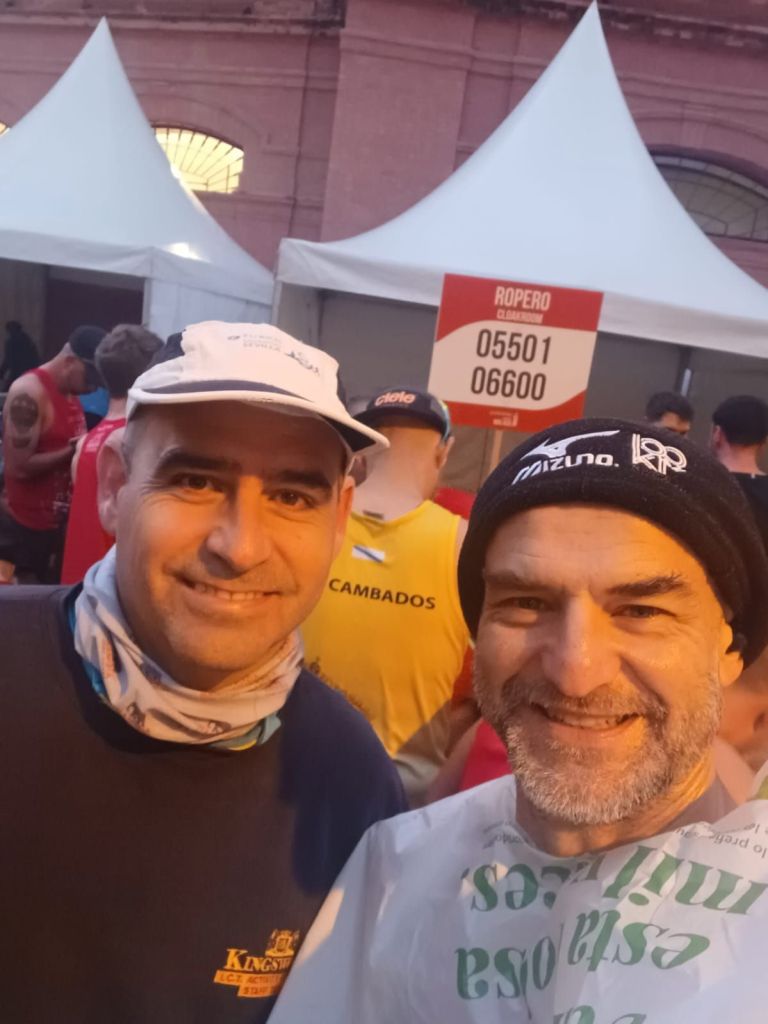
Last Sunday, October 9th, together with my friend Juan and my brother Jaime, we traveled to Bucharest to take part in its marathon, with around 700 runners registered in the distance.

We picked Bucharest following our series of marathons abroad (to combine tourism with long distance running) that has taken some of us to run together in Paris, Berlin, Roma, Athens, Rotterdam, New York, Sevilla (x3), Madrid, Millau, Dublin (x2), Lisboa, Vienna, Krakow, Porto and now Bucharest.

To prepare for this marathon I followed the same 16-week training plan I had used in the past. Just before those 16 weeks of the plan, thanks to a running challenge we followed in the company, I cumulated ~240km in 4 weeks between end May and end June. Then I kicked off slow with the plan as I had some weeks in which I traveled due to family and work. In the end I arrived to Bucharest with less mileage (460km) in the legs in those 16 weeks than I would have liked. I trained quite well between August and especially September. In those 16 weeks I averaged 35km per week, completed 4 long runs (of 22km, 27km, 30km and 21km – with positive feelings especially in this last one) and a few sessions of series, though not enough of them to get a bit faster. I was confident in being able to complete the marathon in a time between 4h05′ and 4h15′ even if the final mark was uncertain.

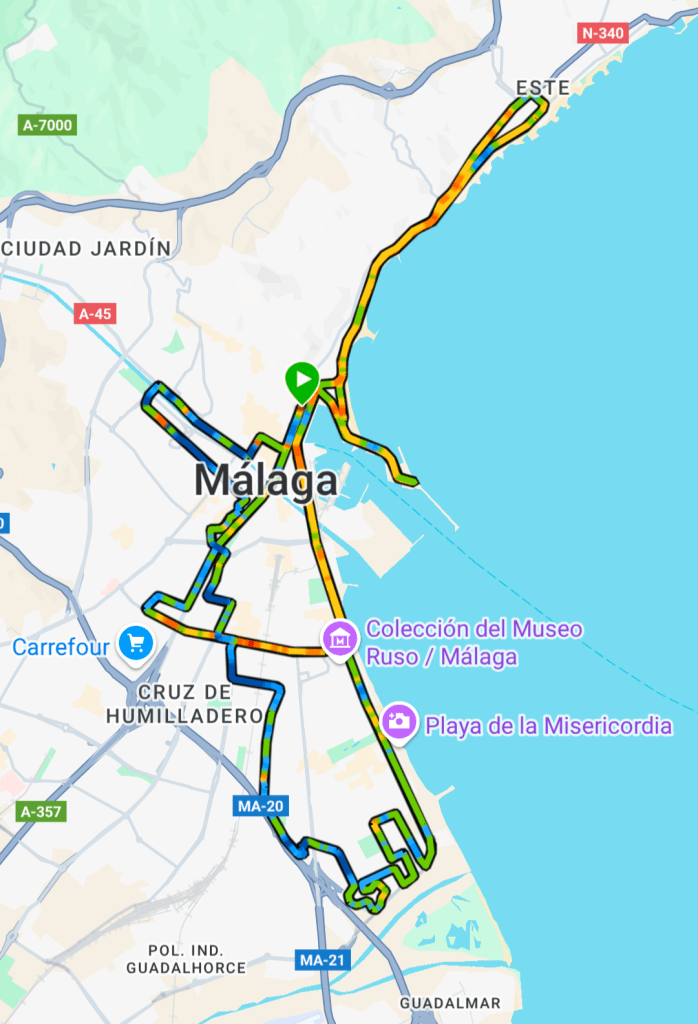
The profile in Bucharest is rather flat. The organization prepared a circuit mainly composed of long avenues, allowing us to run at constant pace though there were up to eight sharp U-turns. The race started and finished in the Constitution square, in front of the iconic Parliament building. And we stayed the weekend at an apartment at walking distance from the place.

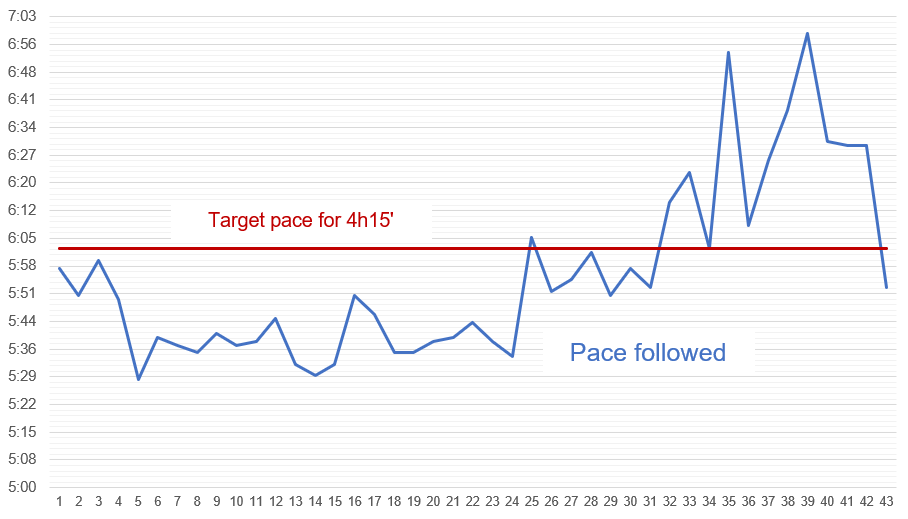
The temperature was mild in the morning, the sky was clear and it would be a bit hot towards the end of the race, though the temperature did not exceed 22°C. My strategy was to start at a pace just below 6min per km, and then, if I felt well, accelerate the pace at mid-race so that I could target a time below 4h15′. There were pacers for times aiming at every 15-minute mark and even though I did not follow any of them they were useful as references at every U-turn (i.e., I could see how far I was from each of the 4h00 and 4h15 pacers as I ran always in between them).

The bad news of the weekend was that my brother Jaime fell sick and by Saturday afternoon the throat ache he developed did not allow him to swallow without strong pain. He stayed in the apartment and finally took the decision not to take part in the race on Sunday, as in a marathon you need to constantly drink and eat.

The race started at 9:30am and we ran together with the participants in the half marathon and the relay race. That made the first half of the race a bit more crowded. For the first 13-14 kilometres Juan and I ran together, all the way up to the Arch of Triumph and down to the Romanian Athenaeum. Up until then we had averaged ~5’50″/km including a technical stop. Then, Juan softened his pace and stayed behind.

I kept my pace for a few kilometres including the stretch in the Cișmigiu Gardens where I found it difficult to run with the narrower paths (compared to the big avenues of the rest of the race) and the irregular ground. From the km 18 I increased the pace and averaged ~5’40″km in the next 13 kilometres until the km 30 mark. In that stretch we ran long kilometres by the Dâmbovița river, we passed the half marathon by the Parliament, we ran by the iconic Bucharest Fountains (by then we were no longer a crowd but a flow of isolated runners and some small groups)…

At the km 31 the race circuit went back to the Bulevardul Unirii, where we first turned to the East all the way to the National Arena (by the km 36) and then took a U-turn to head West back to the Parliament building. The circuit was quite straightforward in that last quarter of the race. There I felt the legs a bit stiffer, but I managed to keep a constant pace which was only slowed down at a supply post and a medical stop that made me lose some 30 seconds. I averaged 5’55″/km from the km 31 to the 41.

In all those kilometres I had seen the pacers of 4h00 not very far away and the 4h15 at increasing distances behind me. I started to make the numbers in my head and realized that I could well be somewhat below 4h05 and set that as an objective for the last kilometres, to try to run a faster marathon than my previous one in Sevilla.

The last 3 km of the race are superb. The race goes back to the Bulevardul Unirii and you have the view of the imposing Parliament building at the end of it, where you know that the Finish line is located. I kept my pace along the 40th and 41st kilometres and only gave it all at the last 1,200 metres.

In the end, I clocked a net time of 4h04’09”, a time better than what I expected and a bit faster (45″) than in Sevilla earlier this year (where I finished stronger but did a slower first half). Bucharest 2022 has been my 23rd marathon completed, easy to say today but not so on April 30th 2000 when I started in the distance in Madrid.

With those 4h04’09”, I was again above the 4-hour mark and finished in the 317th place out of 640 finishers (50% percentile). That time makes it my 9th worst marathon, though with a better time than the last three marathons and with a very positive feeling all along the race (for a second marathon in a row), thus, I am already thinking on getting again more serious with the series training to target a time under 4 hours in the next marathon, possibly next spring.

The organization of the race was great. The circuit showed a magnificient and beautiful city. They could have included some more water supply posts, but at least we could get water bottles to administer the water ingestion in between posts. I also missed some gels provided by the organization or more isotonic drinks; but with what they provided and the three gels I took I could manage the race well. The finish line was great, the wardrobe service was close to the start and finish line, there were even some puffs where to sit and rest by the finish area… It was a great experience.

Looking forward to the next race, that one with Jaime running with us again.

3 Comments

Filed under Sports

Repaso a la evolución histórica del palmarés de la Copa de Europa (2022)

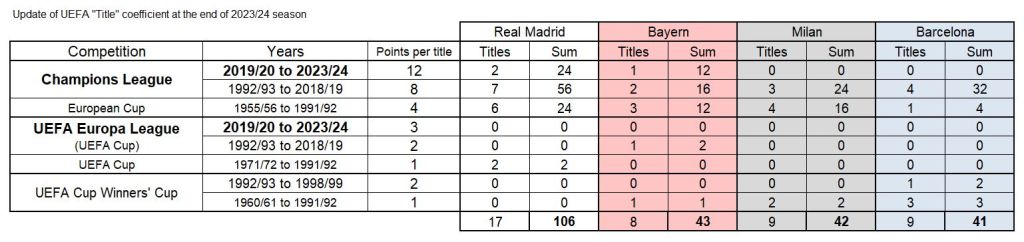
Esta es una pequeña entrada futbolera para compartir la gráfica de debajo tras la consecución de la decimocuarta Copa de Europa de fútbol por el Real Madrid.

La gráfica presenta la evolución de las Copas de Europa conseguidas por el Real Madrid y todos aquellos clubes que en algún momento de la historia han sido el segundo equipo con más copas. Por orden: Benfica (Lisboa), Internazionale (Milan), Milan AC, Ajax Amsterdam, Bayern Munich, Liverpool y de nuevo Milan AC.

Algunas curiosidades que se observan en la gráfica:

  • Es ahora, en 2022, cuando con 7 la distancia, medida en Copas de Europa, entre el Real Madrid y el segundo club con más títulos es más grande.
  • Históricamente la distancia media ha estado en 3,0 copas.
  • La moda, es decir la distancia más veces repetida entre el Madrid y el segundo, ha sido de 3 copas. Esa fue la distancia en 24 años, el 36% de estos 67 años de Copa de Europa (ver histograma debajo).
  • La distancia mínima se dio entre 1994 y 1998, tras ganar el Milan AC su quinta Copa de Europa en Atenas y hasta la consecución de La Séptima por el Real Madrid en 1998 en Ámsterdam.

A partir de esas curiosidades, me surgieron después otras tres ideas muy visuales y rápidas de ejecutar y que incluyo más abajo:

  • Un histograma con el número de años que se ha dado cada distancia en Copas de Europa.
  • Una tabla donde se muestra en cada momento qué clubes eran los segundos en el palmarés.
  • Otra tabla donde se muestra cuántos años ha sido cada uno de esos el segundo en el palmarés.

Leave a comment

Filed under Sports

Maratón de Sevilla 2022

Last Sunday, February 20th, together with my friend Juan and my brother Jaime, I took part in the Sevilla marathon, with over 10,000 runners registered.

Following two years of not having taken part in any marathon due to restrictions imposed by the Covid-19 pandemic, the three of us subscribed to the marathon following our series of marathons abroad (to combine tourism with long distance running) that has taken us to run together in Roma, Athens, Rotterdam, New York, Sevilla, Madrid, Millau, Lisboa, Vienna, Krakow, Porto and now Sevilla, again.

To prepare for this marathon I followed the same 16-week training plan I had used in the past. I arrived to Sevilla with more mileage (629km) in the legs than in the case of the last few marathons. I trained quite well in November, December and the first week of January. Then, I caught Covid-19 and had to stop running for about 10 days. During the last two weeks of the plan, with workload and work-related travel, I found it difficult to train, but most of the training was already done. In those 16 weeks I averaged over 41km per week, completed 5 long runs (of over 21km, twice 23km, 27km and 30km) and a few sessions of series, though not enough of them to get a bit faster. The negative note was that in the last long run over 21km (just two weeks before the race) I finished very weak and with bad feelings for the race in terms of targeting a pace at or below 4 hours, but still with the confidence of being able to finish it even if the final time was uncertain.

The profile in Sevilla is rather flat. The organization changed the circuit in comparison to the previous times we had taken part in the race. It did not start and finish at the athletics stadium in La Cartuja, but close to the Parque Maria Luisa.

The temperature was fresh in the morning, the sky was clear and it would be a bit hot towards the end of the race, though the temperature did not exceed 19°C. My strategy was to start with a pace just below 6min per km, so that I could target a time slightly below or around 4h15′, with no pacers for that time.

Despite the 10,000 runners taking part in the race, we could easily run from the start at the targeted pace. For the first 16-17 kilometres we ran the three of us together, then my brother Jaime went ahead and Juan and I kept running together until about the half marathon, which we crossed in 2h04’59” net time (at a pace of 5’55” per km). Then, Juan softened his pace and stayed behind. I increased my pace in the second half, finding my brother again at around the km 28 and, after exchanging a few words about how we were doing at that moment, I went forward.

In the second half of the race I found myself quite at ease with the pace and averaged 5’41” per km to achieve a negative split; completing the second half of the marathon in just few seconds below 2 hours.

In the end, I clocked a net time of 4h04’56”, a time better than what I expected (~4h15′). Sevilla 2022 was my 22nd marathon completed, easy to say today but not so on April 30th 2000 when I completed my first one in Madrid.

With those 4h04’56”, I was again above the 4-hour mark and finished in the 5664th real place (or 5721st official place, in the bottom half, though the percentile is not yet clear as the results are temporary), while I overtook over 1,200 runners in the second half of the race. That time makes it my 8th worst marathon, though with a better time than the last two marathons and with a very positive finish, thus, I am already thinking on getting again under 4 hours in the next marathon, possibly next autumn.

This marathon left me some memorable moments:

  • seeing my cousin Marileo and her kids while we passed in front of her house,
  • running several kilometres with Juan and Jaime,
  • the good feelings of the second half marathon.

The organization of the race was great. There were supply posts of water and isotonic drinks very often, thus we did not need to carry bottles at any moment. They provided a very handy and light cap to protect us from the sun. And there were plenty of music stations to cheer us up in the second half of the race.

The marathon in itself was also a success as the winner Asrar Abderehman set a new race record with 2:04:43 (making Sevilla the 13th world fastest marathon) and the Spanish Ayad Lamdassem set a new national record with 2:06:25.

1 Comment

Filed under Sports

Summary of (my) 2021

Time to look back and reflect on how the year which is about to end developed. Brief recap of my 2021. (*)

If I had to pick a couple of personal and positive memories from this 2021 they would be:

  • Flight excursion to Norway, when three general aviation planes went together from Toulouse to the North Cape in Norway. That was a great experience in which in we flew for over 46 hours in 7 flying days, with a maximum over 9 hours the last day. We completed 15 flights.
North Cape (Norway) from our plane
  • Family trip to Paris during the autumn school break, when we took the opportunity to visit with the kids the Eiffel tower, Disneyland park for a second time and the Parc Asterix for the first time. We had plenty of fun with the kids in those days.

Family: Andrea is now 8 years old and David, 5. Andrea has been learning piano for most of the year, she enjoyed very much climbing, reading, singing in the school choir or doing handcraft. David learned this year to ride his bike, he’s becoming confident with English language, and started to write, read and do some math. This year we couldn’t go skiing together to the Alps (as stations were mostly closed in France), so we just went skiing one day in the Pyrenees. On the other hand, since September we started taking golf lessons altogether, though what the kids enjoyed the most was the swimming season during the summer, even if this year the weather wasn’t the best for that purpose.

Reconnecting: in our experience 2021 has been a more relaxed year than 2020 was, even if not back to normal. We did not travel far but we made some trips and excursions, we met everyone of our closer family (we visited them and received visits at our place), started to reconnect with some cousins and several friends that we hadn’t seen in two or more years. It felt great.

Flying: Thanks to the aforementioned excursion to Norway this year I flew 30 flying hours, more than in any of the past 10 years. I also took part in another flight excursion to Biscarrosse flying for the first time with my colleague Thomas. During the excursion to Norway I flew for the first time with Jérémie and later with Andrea, the flight instructor with whom I renewed the license for two more years.

Running: even if I did not complete any single race in 2021 (even if I was registered in two) the year has been positive in this front. Following over a year of either not finding the motivation or not keeping the habit to run, since the end of May, the chatting about the sporting activities we had done the previous day(s) with a couple of work colleagues (Alex and Patrick) helped to build up the frequency of runs.

From then on, I exchanged with my brother on the idea of getting back into shape to start marathoning again in a not too distant future. With that I found myself with serious mileage cumulated from June to September (a bit less in end July and August due to different trips and visits). We then registered for the Sevilla marathon (taking place in February 2022) and started the 16-week training plan in November… in the end I have run over 1,300km in 2021, with less than 230km till the end of May and 920km in the second half of the year.

Travelling: After so many months of restrictions, in October 2021 I flew commercial for the first time in two years! I felt like a kid in a first flight. A month later, I flew again. Hopefully traveling becomes soon the norm again.

This year we visited some new and old places: Biscarrosse, Mazamet, Montpellier, Grignan, Lyon, Besançon, Colmar, Strasbourg, the Ligne Maginot at Schoenenbourg, Verdun, Hoge Kempen national park in Belgium (where we spent a few days with the family to celebrate the 50th anniversary of my in-laws), Maastricht (so many years ago since the last time!, where we met Luca’s friends for a wedding), Doncourt-lès-Conflans, Tønder (Denmark), Trondheim, Bodø and Alta (Norway), San Sebastián, Madrid (first beer in a terrace there in 2 years!), Chateauroux, Valençay, Paris (Disneyland again! and Parc Asterix), Orleans, Milano (18 years later!)…

Reading: I started 2021 reading at a good pace until summer holidays, then a couple of trips interrupted my rhythm and it took me months to recover it in the last two months. In the end I completed 20 books and read above 6,500 pages (about half of last year). For the detailed list of books, see the post I wrote about my 2021 reading list with a brief description of each book.

Blogging: This year in February was the 11th anniversary of the blog, but I didn’t manage to write much; only 8 blog posts in 2021. The blog received just above 22,000 visits in 2020 (the least since 2012) and over 450,000 since I started it in 2010.

Work: This year the commercial activity of the company started to pick up, so it became more interesting with more customer facing activities, including visiting them by both Luca and me, in our different roles (she switched jobs). And we even launched a new product, the A350F freighter aircraft.

Now it’s time to rest, celebrate with the family and hope for the best in 2022. This year again there will be no running the San Silvestre Vallecana in Madrid with tens of thousands of other runners in the evening of this December 31st (even if we subscribed to it), but a lonely ~10km run in our village. We have a couple of planned trips for 2022: to Sevilla for the marathon and another skiing week in Vars (hopefully this year is not cancelled!), let’s cross fingers so that we can accomplish those two plans and the many more that should follow.

Other than that, my wishes for 2022 are simple and basic: that the critically of the pandemic fades away in a short time and that the general public and economy can get to their normal lives.

I wish you the best for 2022, enjoy it!

(*) You can see here my 2010, 2011, 2012, 2013, 2014, 2015, 2016, 2017, 2018, 2019 and 2020 recaps.

4 Comments

Filed under Personal development

My 2021 reading list

In this post I wanted to share the list of books I read along the year (1) with a small comment for each one and links to some Twitter threads where I shared some passages that caught my attention while reading the books. I have also included a small rating from one to three “+” depending on how much I do recommend its reading.

  1. Le Comte de Monte-Cristo“, tome II (by Alexandre Dumas) (+++): Great book, a must read. In this second part we see how justice and vengeance are meticulously delivered by the almighty count of Monte-Cristo. “Wait and hope”. [Twitter thread].
  2. Un coeur simple“, (by Gustave Flaubert) (+): Short and sad story about Félicité, a poor and simple servant who sees how her circle gets narrowed down to the point of idolizing a dead parrot. [Twitter thread].
  3. Heart of Darkness“, (by Joseph Conrad) (+): Marlow’s search for Kurtz, the most successful ivory trader of the company at an station by the river Congo. Danger, savages, darkness, “horror!”. [Twitter thread].
  4. Poetics“, (by Aristotle) (+): A treatise on tragedy: argumentation, characters, plotting and sufferings, music, scenery, metric… Unfortunately, the second part of the treatise covering comedy hasn’t been conserved till our time. [Twitter thread].
  5. Un paseo por los espacios n-dimensionales“, (by Esteban Ferrer and Soledad Le Clainche) (++): This is a book from a collection of 40 short books on mathematics that my mother gifted me with in 2019. My idea is to read a few of those books per year. This book was written by two professors from my alma mater and it’s a brief review of Algebra with notes on its evolution and some of its applications. [Twitter thread].
  6. Rhetoric“, (by Aristotle) (++): Being rhetoric the art of persuasion, in this book Aristotle discusses the different types of speeches, emotional states, rhythms, structures, choices of words… to better achieve the purpose of the speech. [Twitter thread].
  7. Hombres buenos“, (by Arturo Pérez-Reverte) (+++): A great novel based on a real trip to Paris made in 1785 by two members of the Spanish (language) Academy to get hold of a copy of the Encyclopédie by D’Alembert and Didérot, which was at that time censored in Spain. The book offers many details on the research for the novel, discusses many other relevant books of that time and depicts the struggles that the protagonists suffered in that quest to bring some enlightenment to Spain. [Twitter thread].
  8. Series y sucesiones“, (by Ángel M. Núñez) (+): A book written by a couple of teachers from my alma mater on series, successions and limits and the evolution of them, describing the contributions by mathematicians such as Nicolas d’ Oresme, D’Alembert, Cauchy or von Neumann. [Twitter thread].
  9. The world of yesterday“, (by Stefan Zweig) (+++): This book makes for a great read, very well written and with a good taste. The description of Vienna before 1914, the cultural activities of that society, the acquaintances of the author, the freedom they enjoyed, etc., makes for a beautiful picture of the world of yesterday. Then history turns for the worse: first world war, the poision of nationalism, hyperinflation destroying German society, the rise of Hitler, persecution of Jews, living in exile… both a historical recount and warning. [Twitter thread].
  10. La traición progresista“, (by Alejo Schapire) (+++): A brief and straightforward book lamenting the path followed by the political left and liberals in many Western countries with the focus given to identities. The book is rich on examples and references. [Twitter thread].
  11. Divine Comedy“, (by Dante Alighieri) (+++): This is an impressive landmark of literature. The book describes Dante’s passage through the inferno, purgatorio and paradiso, with the guidance of the poet Virgil. The structure of the book with the description of the different levels is remarkable. The amount of detailed information of historic or mythical characters from Tuscany, Rome, Greece, etc., is overwhelming, with the only downside of having to interrupt the reading of poetry to frequently consult footnotes. [Twitter thread].
  12. El fin de la fiesta“, (by Rubén Amón) (++): The book discusses the current situation of bullfighting, the challenges it faces with lack of appreciation from part of the society, the attacks it receives, and also some clues for its defence, its strengths and virtues. I liked the book and the message, but the style and narrative were repetitive at times. [Twitter thread].
  13. The righteous mind“, (by Jonathan Haidt) (+++): This book offers a review of the evolution of moral psychology and what the author calls Moral foundations theory, showing as well moral differences between liberals and conservatives, helping to understand people with different intuitions and morals. A very valuable book. [Twitter thread].
  14. Prey. Immigration, Islam and the erosion of women’s rights“, (by Ayaan Hirsi Ali) (++): Necessary book on an uncomfortable subject. The thesis is that women’s rights are receding and society cannot turn a blind eye on that fact. The reading of the book is at times tough and disgusting due to the nature of the cases, the cover ups by different institutions in several European countries… [Twitter thread].
  15. Tony Ryan. Ireland’s aviator“, (by Richard Aldous) (++): A biography of the man behind Guinness Peat Aviation (a major leasing company in the 70s and 80s, and arguably one of the creators of the aircraft leasing business as such) and Ryanair. A remarkable life with continuous ups and downs. [Twitter thread].
  16. La conquista de México“, (by Hugh Thomas) (+++): Historical relation of the different Spanish expeditions to what now is Mexico, including that of Hernán Cortés (and other ones such as those of Grijalva or Narváez) until the conquest of Tenochtitlan, of which 500th anniversary took place this year. The book is very exhaustive covering different aspects of the times and events: the greatness and beauty of the city of Tenochtitlan, the traditions of the Aztec or Mexica empire (including human sacrifices and heavy taxation onto other cities, which contributed to their demise), the tension between different Mexican peoples but also the intrigues between different Spanish conquerors (Cortés, Narváez, Velázquez, the son of Columbus…) and the legal charges and proceedings they faced back in Spain, the navigation details of their trips, the different settlements, commercial exchanges, the relationships and alliances built with some peoples (varying with time), the infighting in various places across several years especially including the “sad night” when the Spanish had to flee the city and were on the brink of a total defeat to the recovery period at Tlaxcala and the final assault and devastation of Tenochtitlan. Very good read even if a long one in which I was stuck for some weeks at some points of the narrative. [Twitter thread].
  17. Camino Winds“, (by John Grisham) (++): In this novel the author goes back to Camino Island and its community of writers that were presented in a previous novel. This time one of the authors is murdered the night a hurricane hits the village. The plot includes professional killers and big corporations. Very entertaining. [Twitter thread].
  18. Fables“, (by Aesop) (++): Compilation of fables from the VII-VI century b.C, most of them between animals (wolves, foxes, rabits, oxen, ants…) which form the basis of a big part of European popular culture. The fables are short, one or two paragraphs, and the edition I read included a line with the moral of the fable explicitly. [Twitter thread].
  19. Metamorphoses“, (by Ovid) (++): Written in the first century, the book is an epic poem that covers from the creation to the time of Caesar, describing up to 250 myths and legends of Greek and Roman mythology, with the transformation of many characters into different beings, animals, trees, rocks or rivers. At times the story is difficult to follow as the organization within the different chapters is a bit unclear even if the author worked on the transitions. [Twitter thread].
  20. Más allá de la razón áurea“, (by Fernando Blasco) (++): Another book of the maths collection. This one discusses the golden ratio and its use in different fields as well as some other mathematical constants including pi and e. The book includes some hard math but as well a few tricks that can be used as magic. [Twitter thread].

I started 2021 reading at a good pace until summer holidays, then a couple of trips interrupted my rhythm and it took me months to recover it, as always, thanks to the rigorous approach following these two tips:

  • a blog post from Farnam Street blog “Just Twenty-Five Pages a Day“, which was published well after I had adopted such an approach to reading but captures it very well,
  • the Wikipedia article about the Pomodoro Technique, which enables you to efficiently use the last hours of the day.

Another question that I have got a couple of times is about the source of the list of some of the classics that I read. That one comes from yet another blog post from Farnam Street blog. That post mentioned the Great Books curriculum for the bachelor in arts of Saint John’s College in Annapolis. You can get the list from the Wikipedia or directly from the college website. As I am not reading exclusively those books I advance at a pace of 5 to 8 books out of that curriculum per year, thus it will take me other 20 years to finish the program.

I wish you all very interesting reads in 2022!

(1) You can find here: my 2012 reading list, 2013, 2014, 2015, 2016, 2017, 2018, 2019 and 2020 ones.
5 Comments

Filed under Books

All-time men’s best 400m hurdles – Olympic Games Tokyo 2020

Following the 400m hurdles final race of the Olympic Games Tokyo 2020, four days ago, a race that has been qualified by some as the best Olympic race in history, I had the curiosity to take a close look at how both the winner and world record holder, Karsten Warholm, and the runner up, Rai Benjamin, had arrived to the competition and what was their track record in the past. For that purpose I used the website “Track and Field all-time Performances” (maintained since years ago by Peter Larsson).

With the data of all-time men’s best 400m hurdles times I plotted the chart below with the best 3,720 times (times below 49 seconds) and their dates, highlighting the times by Edwin Moses (the legend champion from the 1970s and 1980s, when he won the gold medal in two Olympics and two World championships, set the world record twice, and went unbeaten for a whole decade between 1977 and 1987 winning 107 competitions and 122 races in a row), Kevin Young (who won the event in the Olympic Games of 1992 establishing a new world record and being the first person to run the distance below 47 seconds, a record that held until a month ago), Rai Benjamin and Karsten Warholm.

Comments:

  • Of the fastest 102 times, those below 47.6″:
    • Edwin Moses achieved 20
    • Kevin Young achieved 5
    • Rai Benjamin achieved 10
    • Karsten Warholm achieved 14
    • Alison dos Santos (bronze in the Tokyo final) achieved 6
    • Kyron McMaster (4th in Tokyo) achieved 3
    • Abderrahmane Samba (5th in Tokyo) achieved 10
  • 43 of those 102 were achieved by 5 of the 8 runners in the starting line in Tokyo.
  • It took nearly 9 years for Kevin Young to beat Edwin Moses’ record by 0.24″.
  • It took nearly 29 years for Karsten Warholm to beat Kevin Young’s record, which he did on July 1st 2021, about a month ago, by 0.08″ at a Diamond League event in Oslo.
  • It took just a month for Karsten Warholm to beat again his own world record by 0.76″.

Since 1992 nobody had run below 47″ until the summer of 2018. Between 2018 and 2020, Benjamin, Warholm and Samba did a combined four times between 46.87 and 46.98″. In the last month and a half Benjamin, Warholm and dos Santos have also run below 47″. The first in doing so was Benjamin at the US Olympic Trials on June 26th, when he ran in 46.83″, short of setting a world record. But just five days later at the Diamond League in Olso, Warholm beat the world record with 46.70″ (see that race here). With those times the expectation for the final last Tuesday was quite high, with the roster as in the picture below.

Instead of commenting the race I suggest to review it in Youtube. You can find many videos, for example the one below:

The result of the race: a new world record, 45.94″, first time below 46″ (remember that nobody had run below 47″ between 1992 and 2018). Rai Benjamin, silver medal, also ran below the previous world record. Alison dos Santos, bronze medal, ran in 46.72″ which would have been a world record just 5 weeks before. Both Benjamin and dos Santos set continental records. Other 3 runners in the final set their respective national records: McMaster, Copello (matching his previous best and national record) and Magi.
In other words, six of the eight runners run their best times and set either a national, continental or world record. That is why some have called this race the best Olympic race in history.

Leave a comment

Filed under Sports

All-time men’s best high jump – Olympic Games Tokyo 2020

Following the unusual ending of the men’s high jump event in the Olympic Games Tokyo 2020 a few days ago, with images of an official explaining to Mutaz Essa Barshim and Gianmarco Tamberi the options they had to end the final, I was curious as to how both of them had arrived to the competition and what was their track record in the past. For that purpose I used the website “Track and Field all-time Performances” (maintained since years ago by Peter Larsson).

With the data of all-time men’s best high jumps I plotted the chart below with the best 2,224 jumps (jumps from 2.31m and above) and their dates, highlighting the jumps by Javier Sotomayor (who still holds the record), Barshim and Tamberi.

Comments:

  • Sotomayor holds 189 of the 2224 jumps (8.5%) at 2.31m and above.
  • Barshim holds 128 of the 2224 jumps (5.8%) at 2.31m and above.
  • Tamberi holds 19 of the 2224 jumps (0.9%) at 2.31m and above.
  • Of those jumps of 2.38m and above:
    • Sotomayor holds 25 of the 105 jumps (23.8%) at 2.38m and above.
    • Barshim holds 24 of the 105 jumps (22.9%) at 2.38m and above.
    • Tamberi holds 1 of the 105 jumps (1.0%) at 2.38m and above.
  • At higher heights the dominance of Sotomayor and Barshim is more relevant.

Tamberi had previously won some Europan championships medals and a World Indoor Championship medal in 2016 which is also the year he jumped is best jump of 2.39 in Monaco. Ever since, he had jumped at or below 2.33m until last Sunday.

Barshim had previously won 3 medals in the World Outdoor Championships, including the gold medal in the last two, and had also won two Olympics Games medals, bronze and silver, at the previous two Games in London and Rio de Janeiro. He has the best ever jumps after Sotomayor. While in 2019 he had also jumped 2.37m the last time he had jumped above that height was in 2018, when he jumped 2.40 twice and 2.38m.

Looking at that background, I can imagine that, when asked by the official about what they intended to do, Barshim wanted to secure the gold medal that had escaped him in the previous two Olympic Games (the gold was won in London with 2.33m and in Rio de Janeiro with 2.38m; heights that Barshim in theory dominated). On the other hand, Tamberi must have thought that he had little chance against Barshim, even if they had both already missed three times attempts over 2.39m, looking at how each one had been jumping in the past years.

Leave a comment

Filed under Sports